India’s agricultural sector is producing more, trading more and connecting with increasingly diverse markets. But as agricultural output grows, an equally important question emerges:
Is the country’s agricultural infrastructure prepared to handle what comes next?
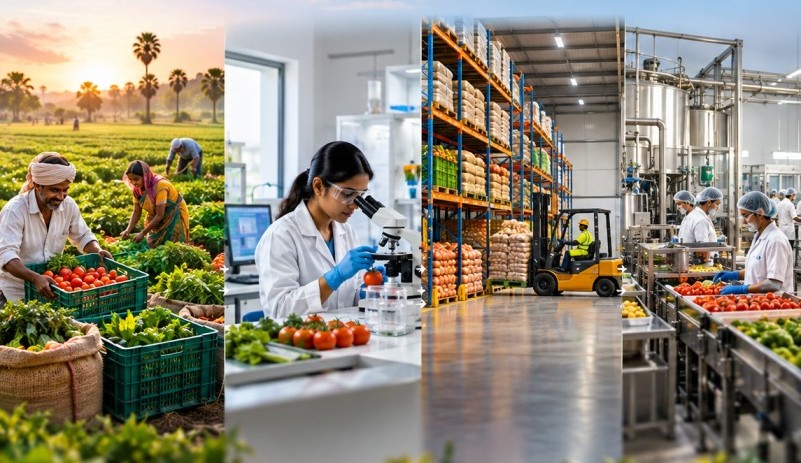
Today, agricultural infrastructure includes scientific storage, integrated supply chains, processing facilities, digital platforms, quality assessment and access to institutional finance.
With 2027 approaching, the focus needs to shift from simply expanding infrastructure to making it more connected, efficient, technology-enabled and resilient. The challenge now is not only to accommodate larger harvests but to also ensure that agricultural produce retains its quality and reaches the right markets at the right time.
- Scaling storage capacity beyond traditional warehousing
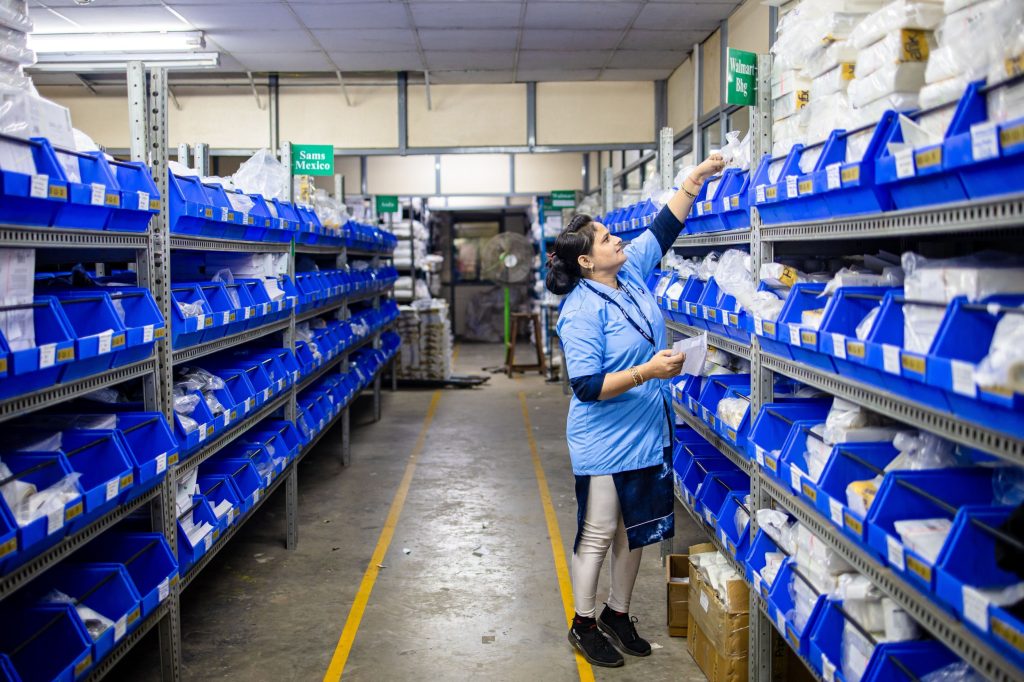
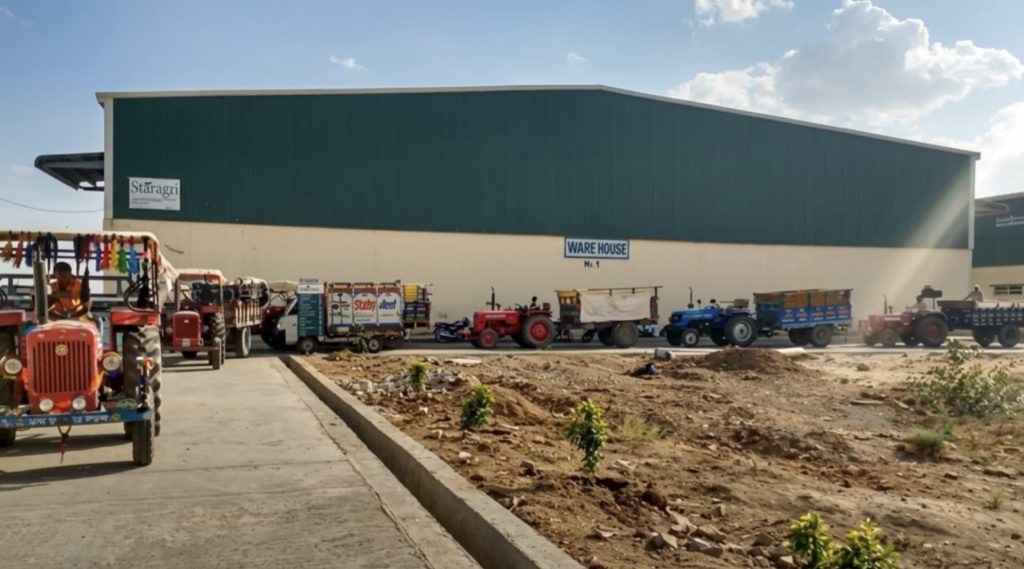
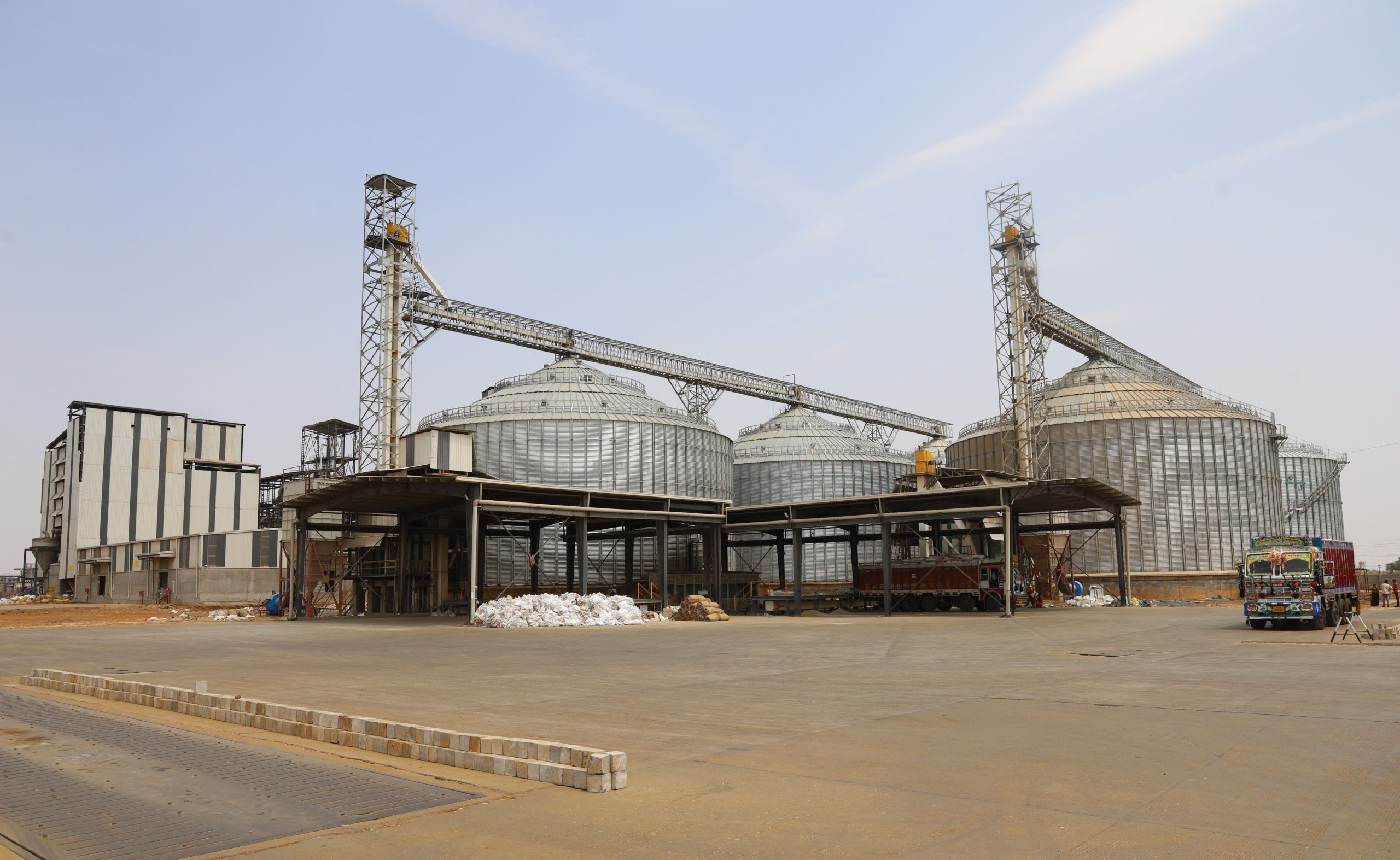
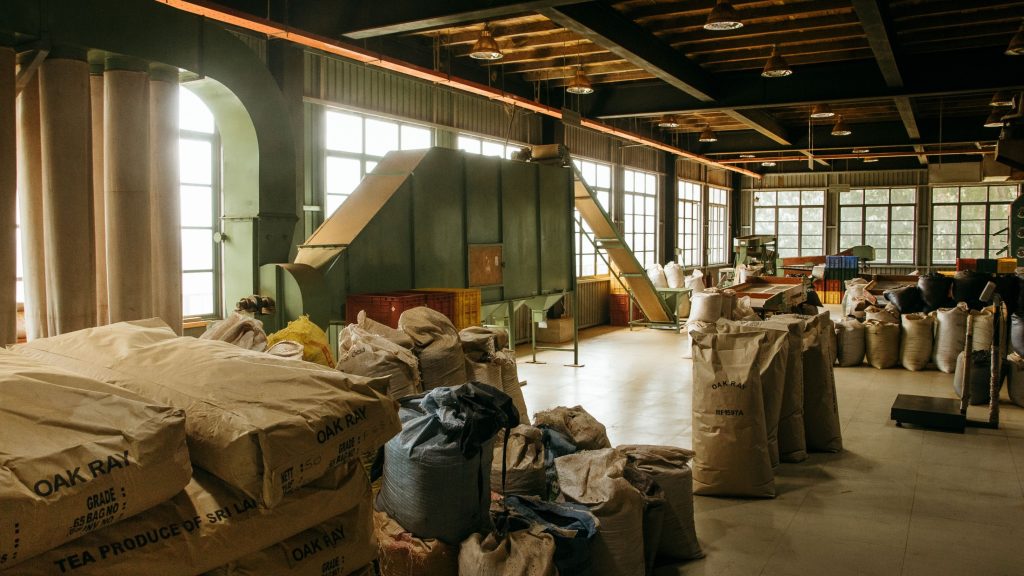
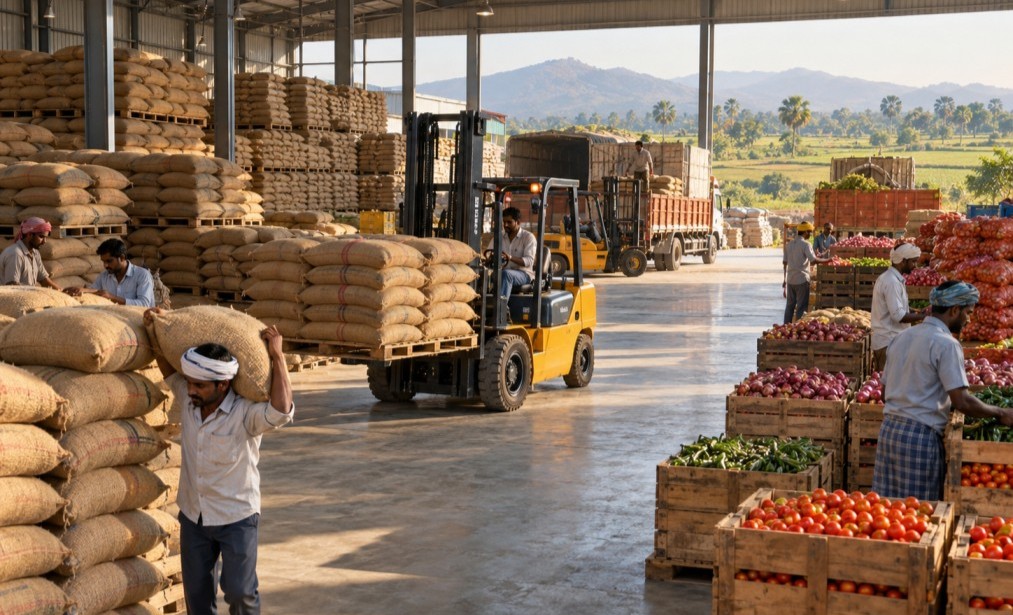
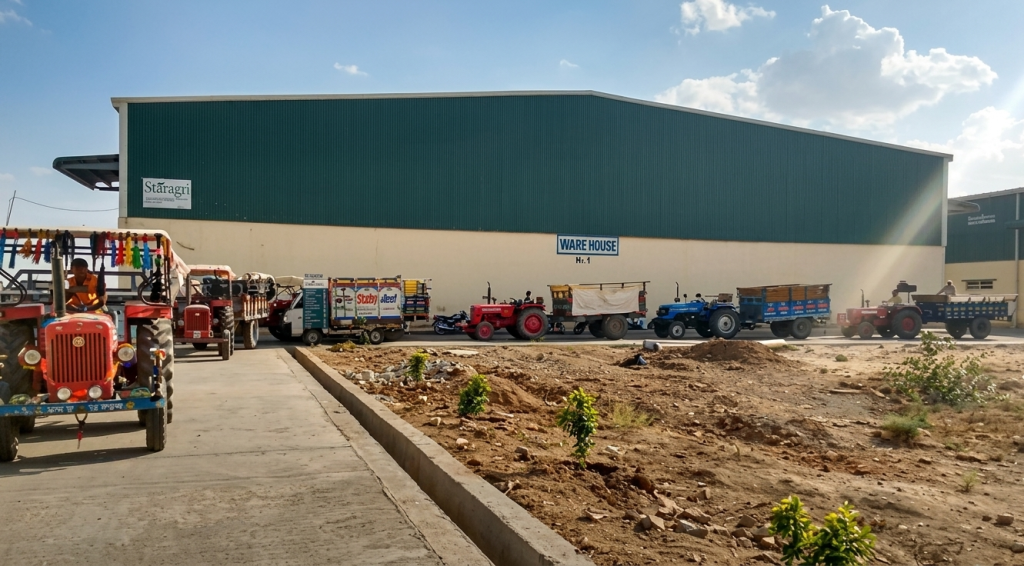
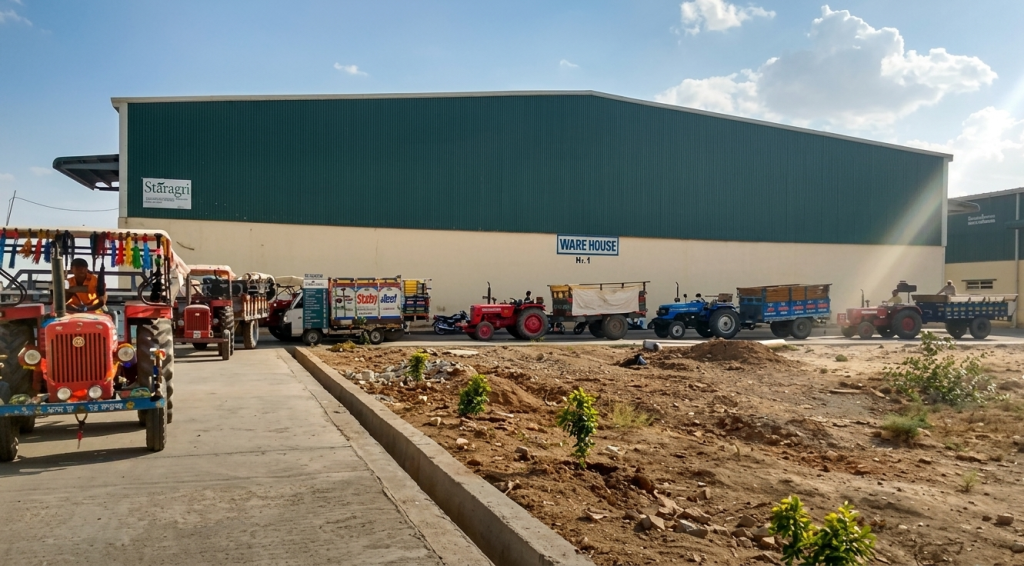
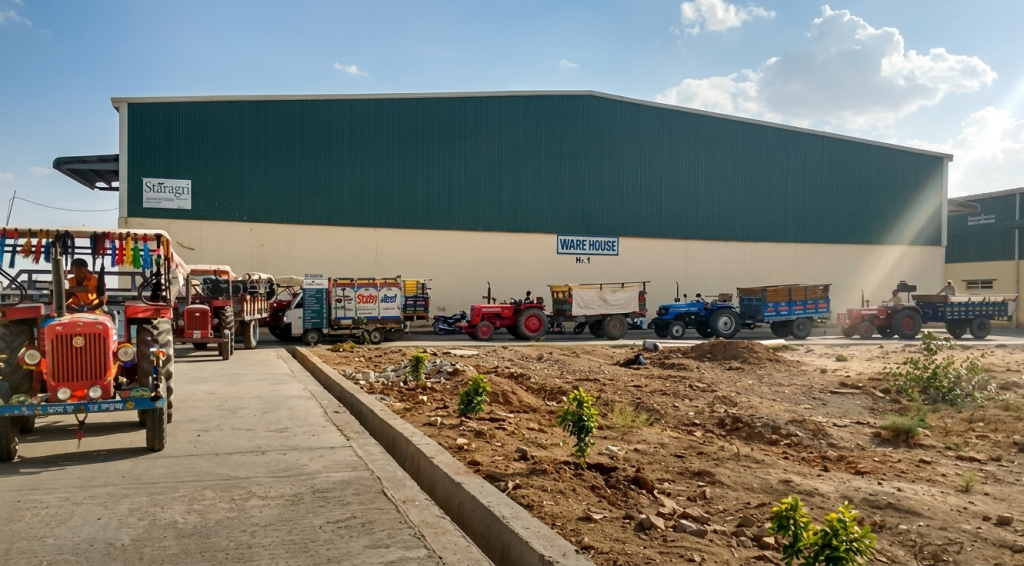
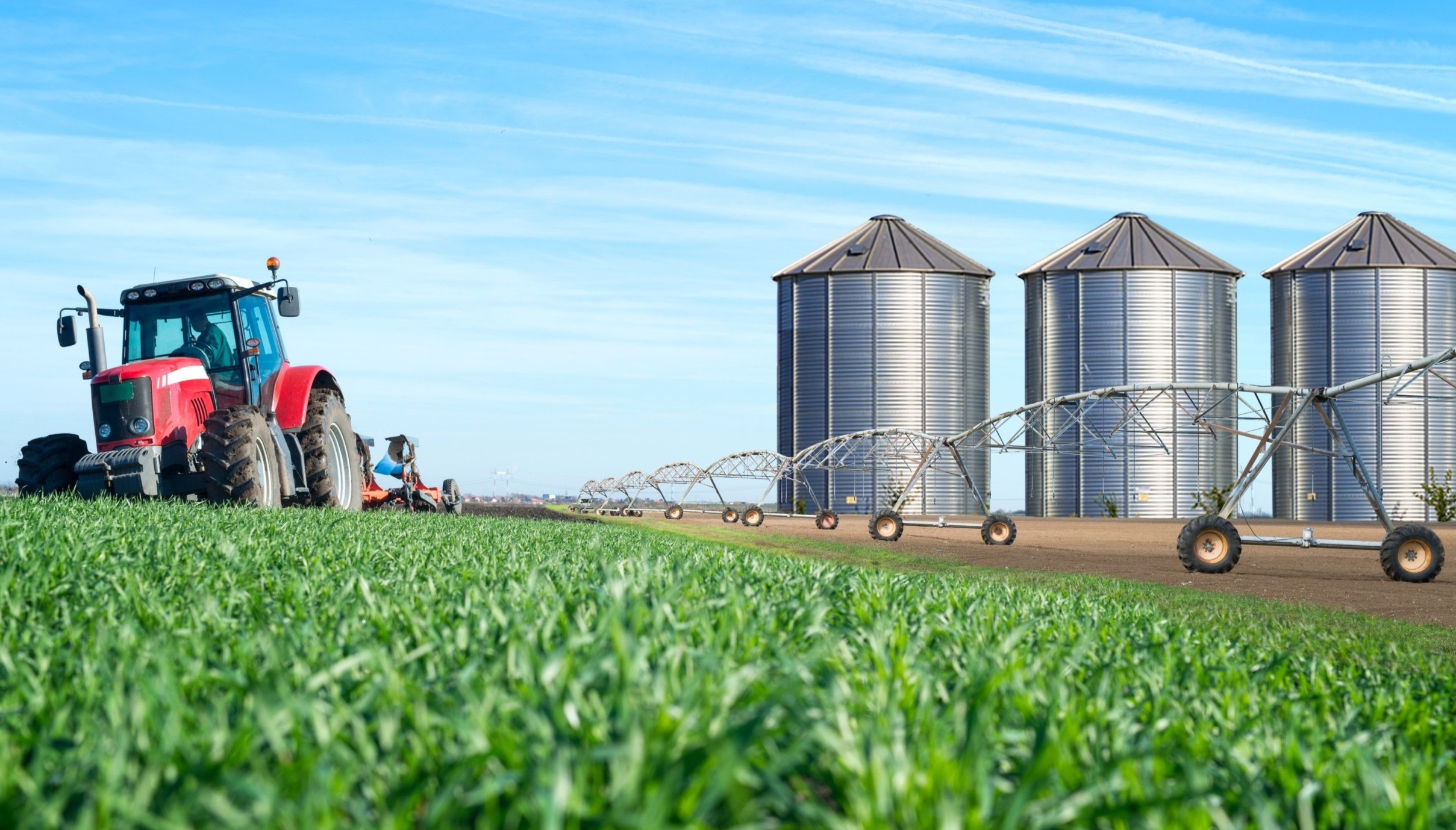
Storage remains one of the most important pillars of agricultural infrastructure. However, increasing production means that storage systems must evolve in terms of both capacity and quality. India’s foodgrain production is estimated to have reached 376.56 million tonnes in 2025-26, according to the Third Advance Estimates. Higher production increases the importance of adequate scientific storage, particularly during peak harvesting seasons. The Agricultural Marketing Infrastructure (AMI) scheme had sanctioned 12,353 storage infrastructure projects with a combined capacity of 369.18 lakh metric tonnes as of July 2026.
Looking towards 2027, the priority should be to expand storage facilities closer to production centres, improve scientific warehouse management and ensure that facilities are suitable for different commodities. Infrastructure development must also account for decentralised storage, allowing farmers and FPOs to access facilities without depending entirely on large procurement centres.
- Building stronger cold chain & processing networks
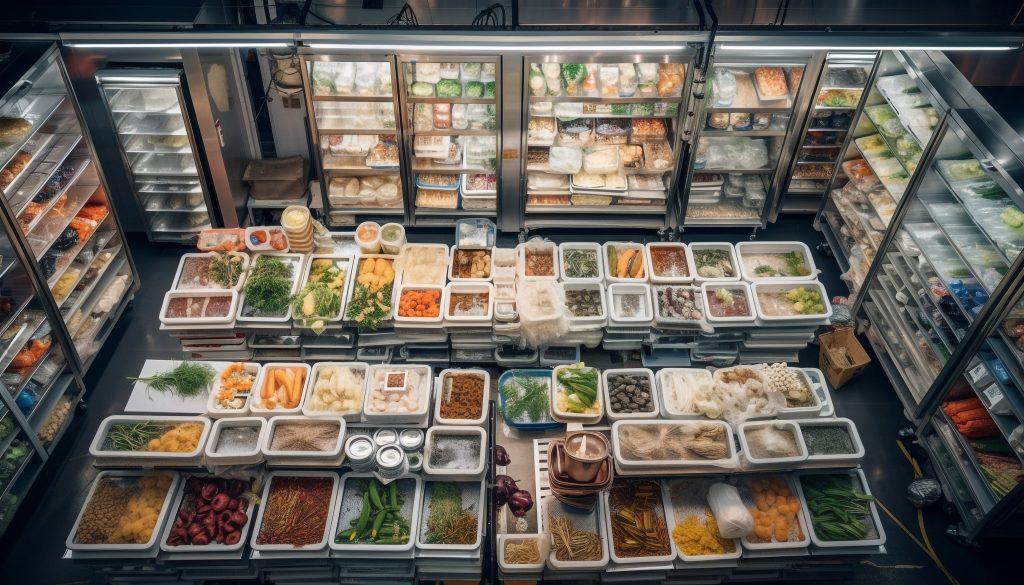
Foodgrain storage is only one part of the infrastructure challenge. Fruits, vegetables, dairy, meat and other perishable commodities require temperature-controlled environments throughout their journey. A cold chain involves a coordinated network of pre-cooling facilities, cold storage, refrigerated transportation, processing and distribution.
The Ministry of Food Processing Industries reported that 311 integrated cold chain projects had been completed across India as of 27 October 2026, creating a cumulative cold storage capacity of approximately 9.24 lakh metric tonnes across India.
Expanding this network will be important moving forward, particularly in regions with strong horticulture, dairy and food-processing activity. There is also a need to connect storage with grading, sorting, packaging and processing facilities. This can help improve product quality, extend shelf life and support the movement of agricultural commodities into higher-value markets.
- Making infrastructure more technology-driven
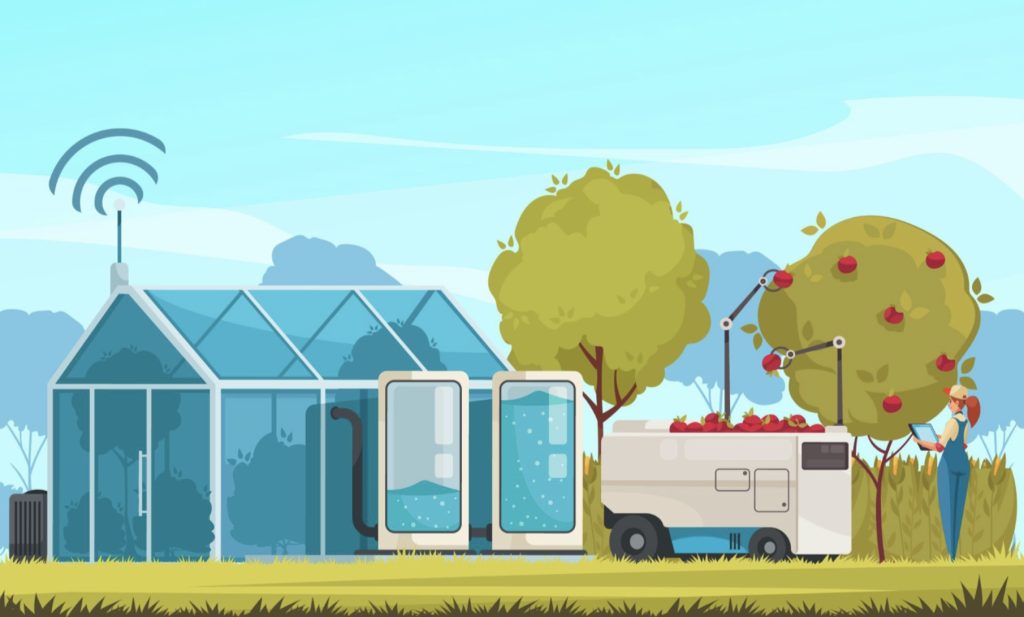
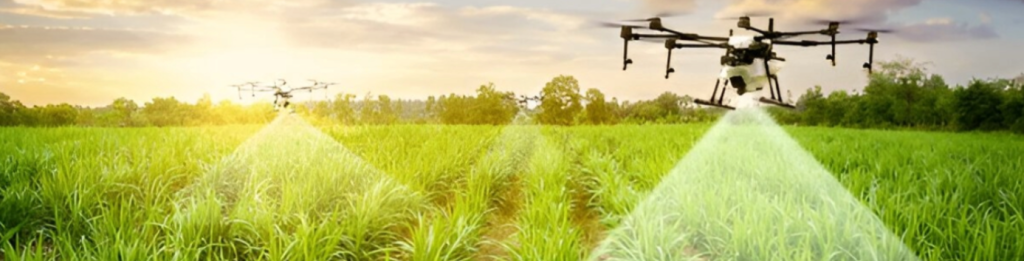
Technology can help warehouses, procurement centres, testing laboratories and supply chain operators improve visibility and operational efficiency. For example, digital inventory systems can provide real-time information about commodity quantities, storage locations and stock movement. Sensors and monitoring devices can help track temperature, humidity and other storage conditions. Automated weighing, grading and testing systems can further improve accuracy and traceability.
The growing scale of India’s digital agriculture ecosystem also creates opportunities for stronger integration between farm-level information and post-harvest infrastructure.
As of August 2026, more than 10.31 crore Farmer IDs had been created under the Digital Agriculture Mission. The Digital Crop Survey conducted during Rabi 2025-26 covered over 31.3 crore plots across 648 districts.
- Strengthening farm-to-market connectivity
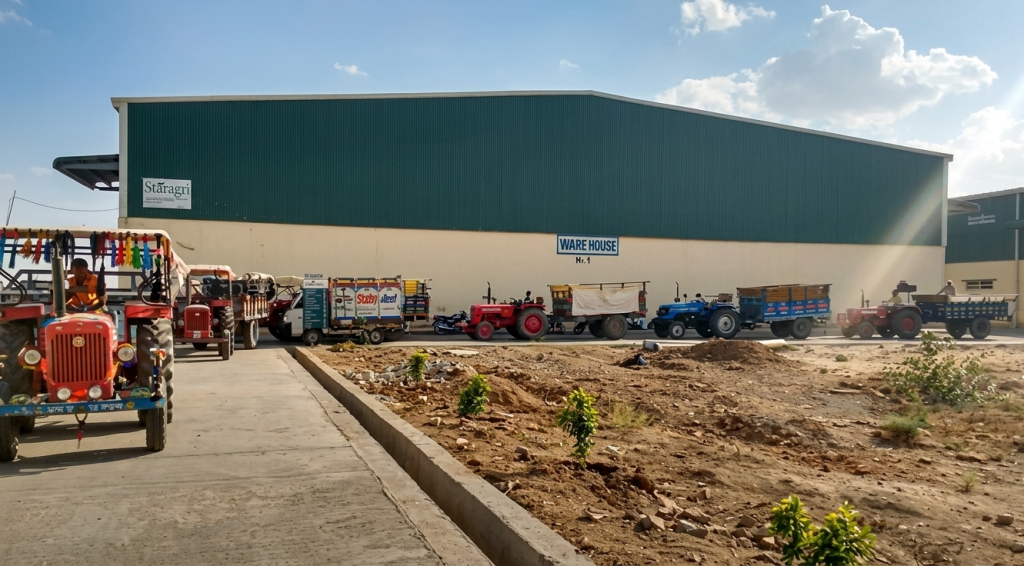
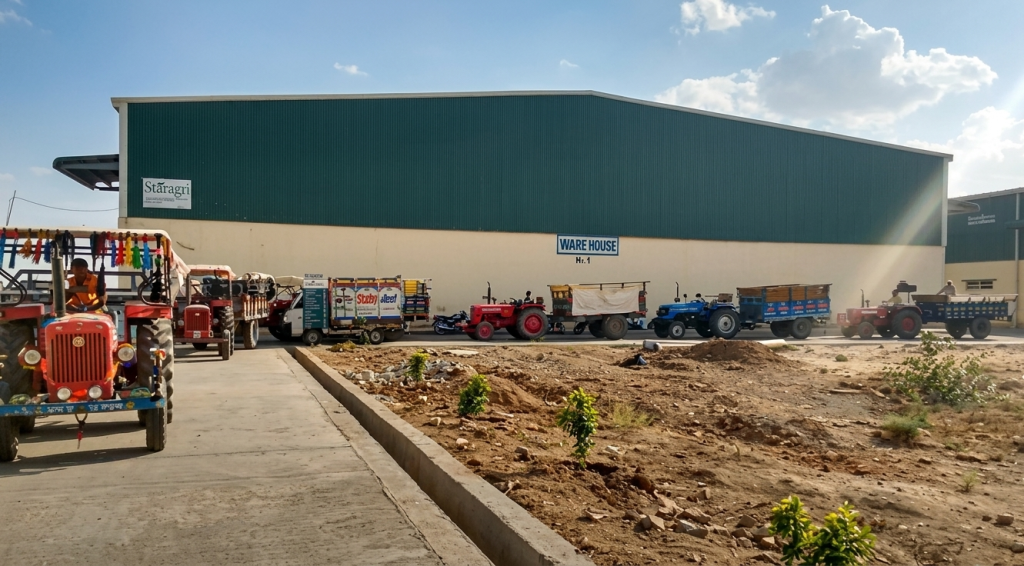
Even the most advanced warehouse cannot deliver its full value if agricultural produce cannot move efficiently to buyers. Hence, India needs stronger connections between farms, collection centres, warehouses, processing units, mandis, ports and consumption markets. This requires more than road connectivity. It involves coordinated planning across transportation, handling, documentation, quality testing and inventory management.
Digital trading platforms like agribazaar strengthen market access by connecting farmers, traders and buyers through more transparent systems.
For 2027, the opportunity lies in connecting these digital marketplaces more effectively with physical infrastructure. Better linkages can improve price discovery, streamline commodity movement and help agricultural stakeholders access a wider range of buyers.
- Expanding access to infrastructure finance
Developing agricultural infrastructure requires substantial capital investment. Warehouses, cold storage facilities, processing units and quality-testing infrastructure often involve long gestation periods and significant operational expenditure. Institutional finance and targeted government support can help bridge this investment requirement.
The Agriculture Infrastructure Fund (AIF) has emerged as an important mechanism in this area. As of March 2026, loans worth approximately ₹84,202 crore had been sanctioned for 1.68 lakh projects, mobilising investments of around ₹1.33 lakh crore.
For the future, the focus should be on making such funding more accessible to viable infrastructure projects, including those developed by FPOs, cooperatives, agri-entrepreneurs and private enterprises. Flexible financing structures, appropriate credit assessment and stronger project execution will be important for ensuring that investment translates into functional infrastructure.
- Preparing infrastructure for climate uncertainty
Extreme rainfall, floods, heatwaves and changing weather patterns can affect production, storage conditions and transportation networks. Warehouses need suitable structural safeguards, drainage systems and monitoring mechanisms. Cold storage facilities must have reliable power systems and energy-efficient operations. Supply chains also need contingency plans to minimise disruptions.
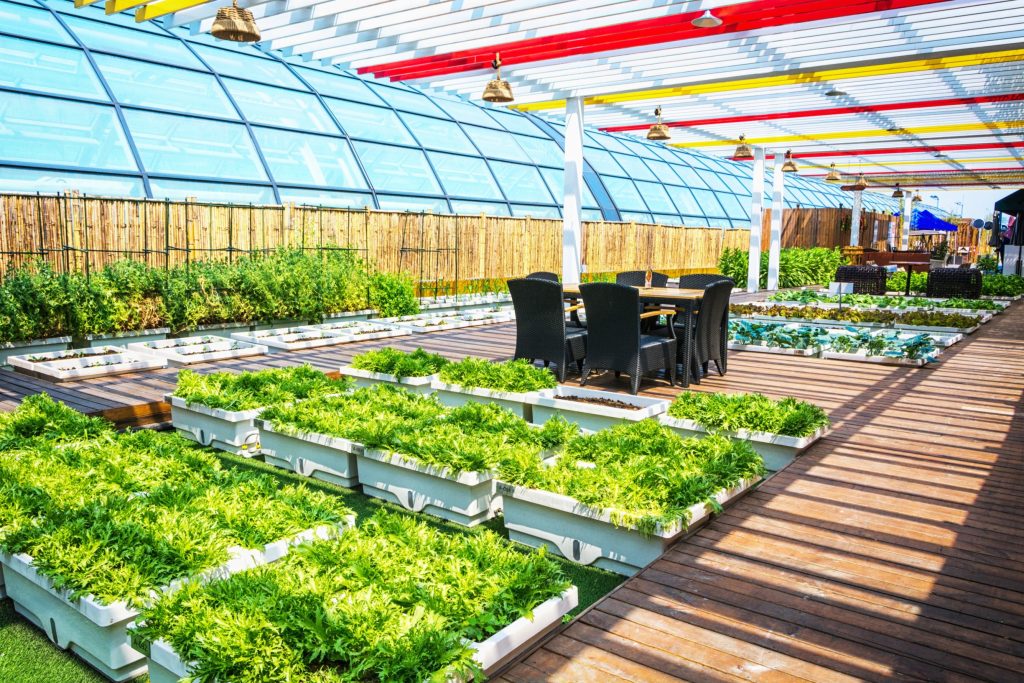
Renewable energy, energy-efficient cooling, water management and climate-responsive infrastructure design can help strengthen long-term operational resilience. The objective should be to create infrastructure that can continue supporting agricultural activity even when environmental conditions become unpredictable.
Integration will define agricultural infrastructure in 2027
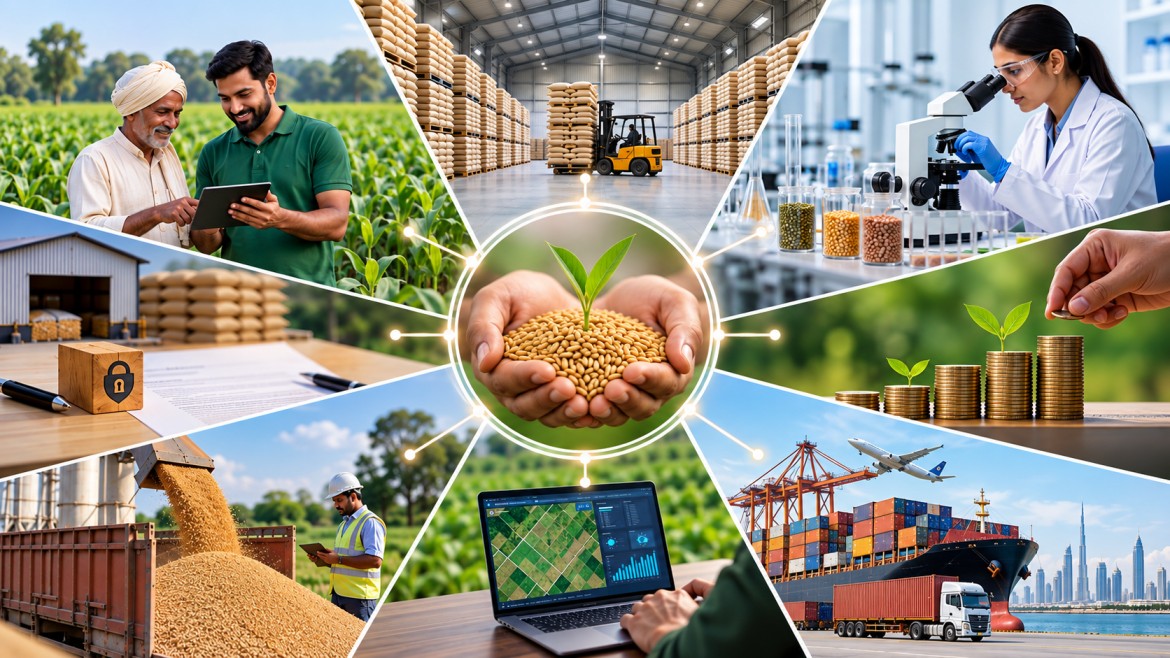
India’s agricultural infrastructure requirements are becoming more interconnected. Storage cannot operate in isolation from procurement, processing cannot function efficiently without quality assessment, and market access depends on reliable logistics and information systems.
StarAgri works across several parts of this ecosystem through its warehousing and procurement network, collateral management, commodity testing, digital agricultural trading and finance-related solutions. Its infrastructure-led approach connects farmers, markets, storage facilities and financial institutions, supporting greater visibility and efficiency across agricultural value chains.
As India prepares for 2027, the real measure of infrastructure progress will not simply be the number of facilities created but also how effectively these facilities work together.
The next phase of agricultural growth will depend on infrastructure that is accessible, technology-enabled, financially viable and built to respond to changing market and climate requirements.
FAQs
- What is agricultural infrastructure?
Agricultural infrastructure includes the physical, technological and financial systems that support farming and the movement of agricultural produce. It covers irrigation, warehousing, cold chains, processing, transportation, testing, digital platforms and market connectivity. - Why is agricultural infrastructure important for India in 2027?
Growing agricultural production, changing consumer demand, expanding markets and climate-related risks are increasing the need for efficient storage, processing and supply chain systems. Strong infrastructure can help reduce inefficiencies and improve market access. - What are the major challenges facing India’s agricultural infrastructure?
Key challenges include inadequate scientific storage in certain regions, limited cold chain connectivity, fragmented supply chains, uneven access to technology, infrastructure financing requirements and climate-related disruptions. - How does technology improve agricultural infrastructure?
Technology supports digital inventory management, warehouse monitoring, commodity traceability, automated quality assessment, predictive planning and better coordination between agricultural stakeholders. - What is the role of private companies in developing agricultural infrastructure?
Private companies can contribute through investments in warehousing, procurement, commodity testing, processing, technology and supply chain services. Their participation can complement government initiatives and help build more integrated agricultural ecosystems.