


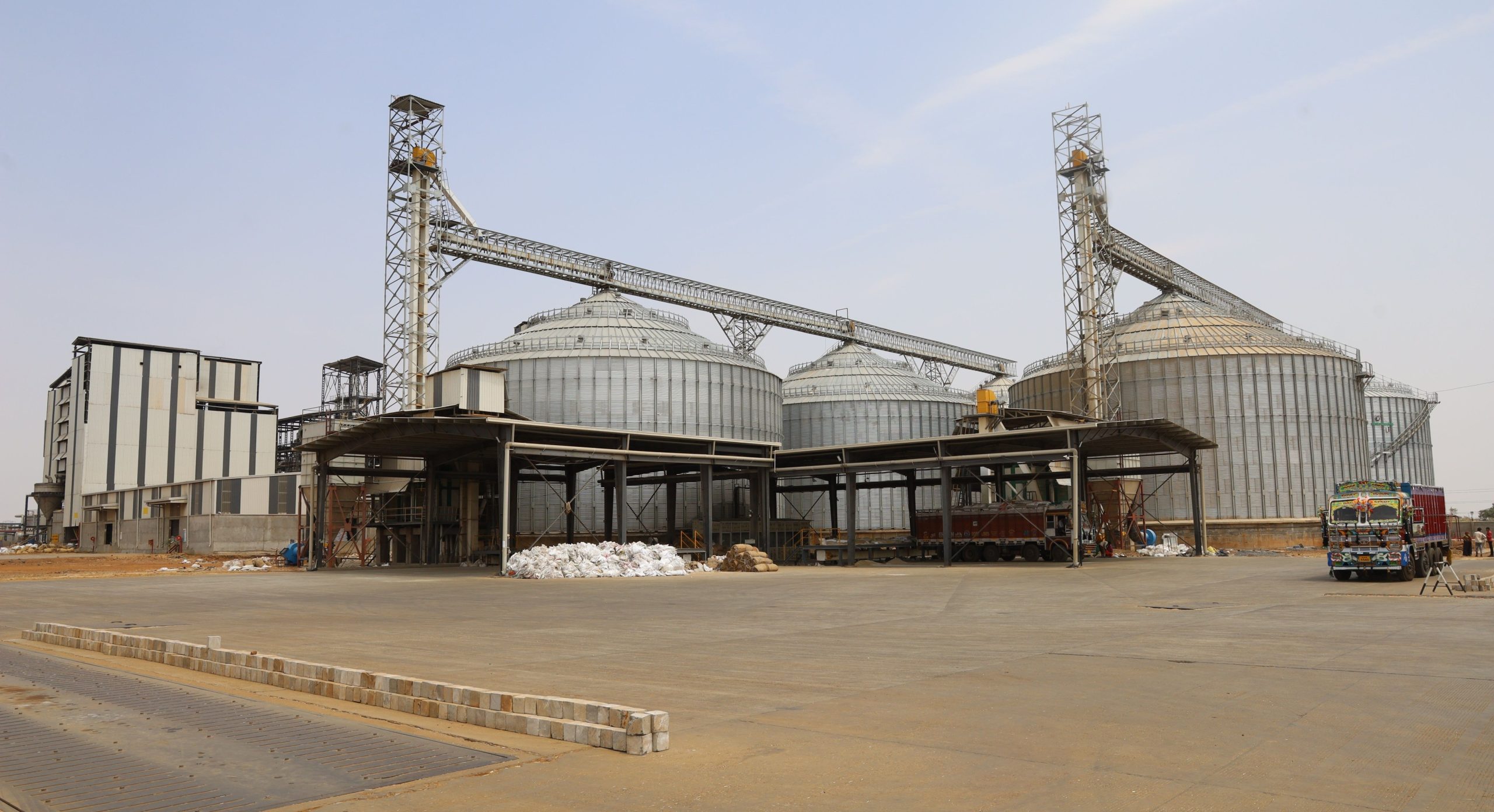
A crop may take months to grow, but a significant part of its value can be lost after it is harvested.
Improper handling, moisture, pests, inadequate storage, transportation delays and poor quality management can affect both the quantity and quality of agricultural produce. That makes the post-harvest stage just as important as production itself.
According to the latest government-referenced NABCONS assessment, harvest and post-harvest losses in India range from 3.89–5.92% for cereals, 5.65–6.74% for pulses, 2.87–7.51% for oilseeds, 6.02–15.05% for fruits and 4.87–11.61% for vegetables.
The answer increasingly lies in post-harvest technology.
What is post-harvest technology?
Post-harvest technology refers to the systems, infrastructure, and processes used to manage agricultural produce after harvest. It can include:
- scientific storage and warehousing
- drying and moisture management
- grading and sorting
- quality testing
- cold-chain infrastructure
- inventory management
- packaging and handling
- digital traceability
- transportation and logistics
The objective is straightforward: preserve quality, minimise losses and move agricultural produce through the supply chain more efficiently.
Scientific Warehousing protects produce
Traditional storage conditions may expose commodities to excess moisture, insects, rodents or contamination. Scientific warehouses approach storage differently.
Parameters such as moisture, hygiene, stacking, fumigation and commodity condition can be systematically monitored. Increasingly, digital warehouse management systems also make it easier to maintain inventory records and track commodity movement.
This is especially important for cereals, pulses and oilseeds that may remain in storage for months before being sold or processed.
Technology improves inventory visibility
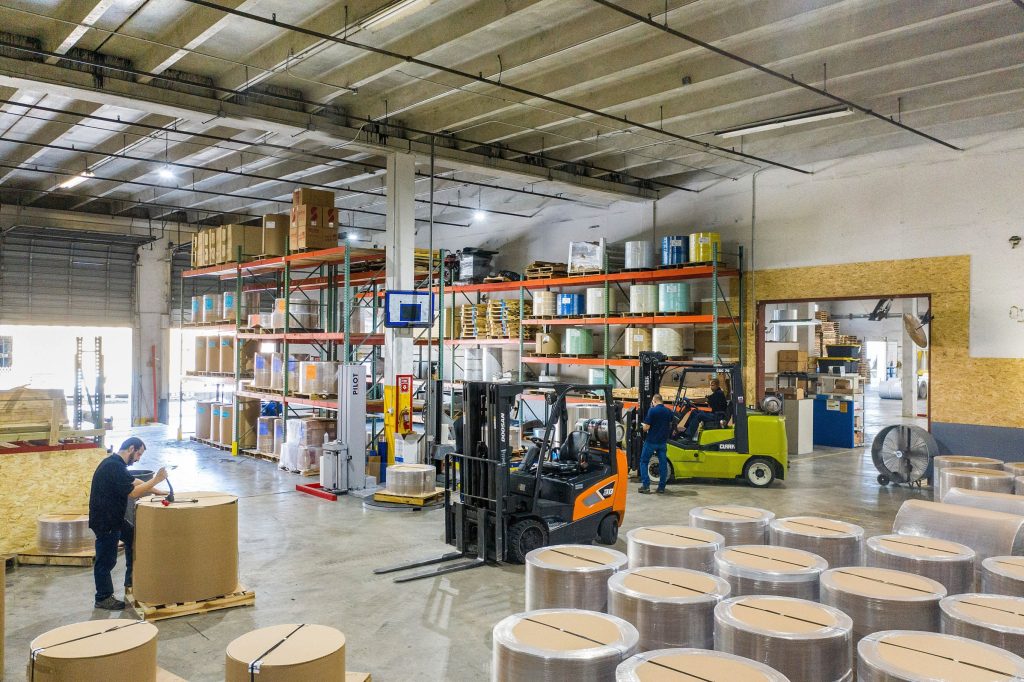
Imagine managing agricultural inventory across hundreds of warehouses using only registers and spreadsheets. Finding exactly what quantity is stored, where it is located and how long it has been there can quickly become complicated.
Digital inventory systems create better visibility. Warehouse operators can maintain records of inward and outward movements, stock positions, storage periods and commodity details. Better information can help procurement teams, traders and lenders make faster decisions while reducing operational discrepancies.
Quality testing supports better decisions
Two bags of wheat may look similar but differ considerably in moisture, foreign matter or other quality parameters. This is why quality assessment is a crucial component of Post-harvest technology.
Scientific sampling and laboratory testing help establish measurable quality parameters. Quality information can support procurement, storage planning, processing and trade while reducing dependence on subjective assessment.
Better storage can also improve access to finance
There is another advantage to organised post-harvest infrastructure: agricultural produce can become a more manageable financial asset.
When commodities are scientifically stored and properly documented, financing institutions can evaluate stored inventory more effectively. Warehouse-based financing can potentially help eligible stakeholders access liquidity without requiring immediate sale of produce.
Cold chains protect perishable produce
For fruits, vegetables, dairy and other perishables, time and temperature matter enormously.
NABCONS estimated losses of 7.36 million MT of fruits and 11.97 million MT of vegetables, with respective monetary losses estimated at approximately ₹29,545 crore and ₹27,459 crore.
Cold storage, refrigerated transportation and temperature-controlled supply chains therefore play an important role in preserving perishables between production and consumption.
How StarAgri strengthens the post-harvest ecosystem
For StarAgri, post-harvest management goes beyond providing warehouse space.
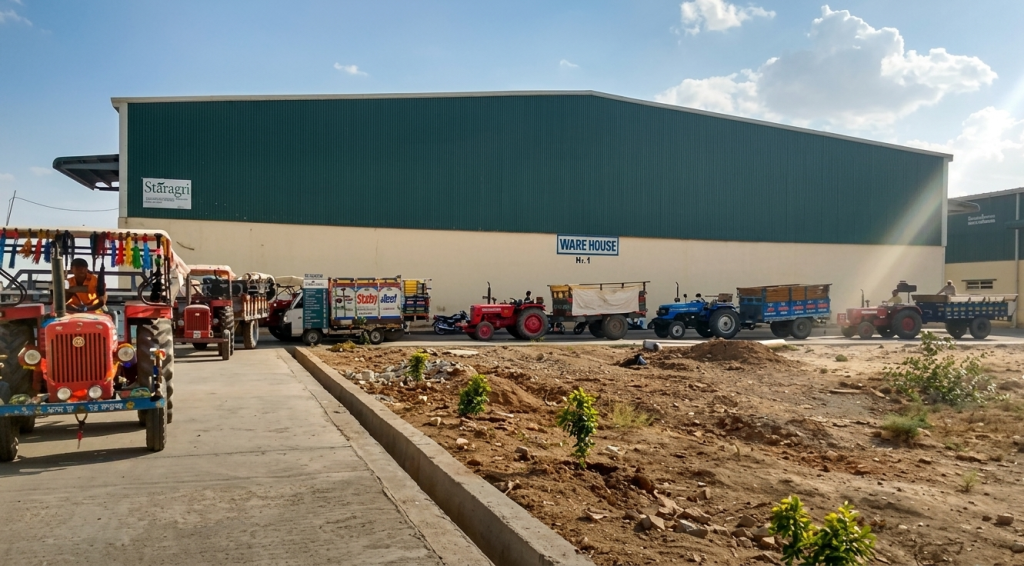
Currently, StarAgri operates a network of 2,200+ scientific warehouses across 380+ locations in 19 states, with nearly 5 MMT storage capacity. Its broader ecosystem connects warehousing with collateral management, quality assessment, technology, trade facilitation and agricultural finance.
This integrated approach matters because post-harvest challenges rarely exist independently. Storage affects quality; quality affects price; inventory visibility affects financing; and logistics affects how quickly produce reaches the next buyer.
The future of agricultural efficiency starts after harvest
Increasing agricultural production is essential, but protecting what has already been produced is equally important.
As scientific warehousing, digital inventory management, quality testing, cold chains and data-led supply chains expand, post-harvest technology can help India reduce avoidable losses and create a more efficient agricultural value chain.
The next productivity breakthrough in agriculture may therefore not happen only on the farm but also after the harvest.
FAQs
- What is post-harvest technology?
It includes technologies and processes used to handle, store, test, process, and transport produce after harvesting. - Why is post-harvest management important?
It helps preserve quality, reduce losses and improve supply-chain efficiency. - How does scientific warehousing reduce agricultural losses?
It provides controlled storage practices, pest management, inventory monitoring and systematic handling. - How does technology improve agricultural warehouses?
Digital systems improve inventory visibility, traceability, documentation and operational control. - How does StarAgri support post-harvest agriculture?
StarAgri integrates scientific warehousing with collateral management, quality assessment, technology, financing and trade-related services.
