


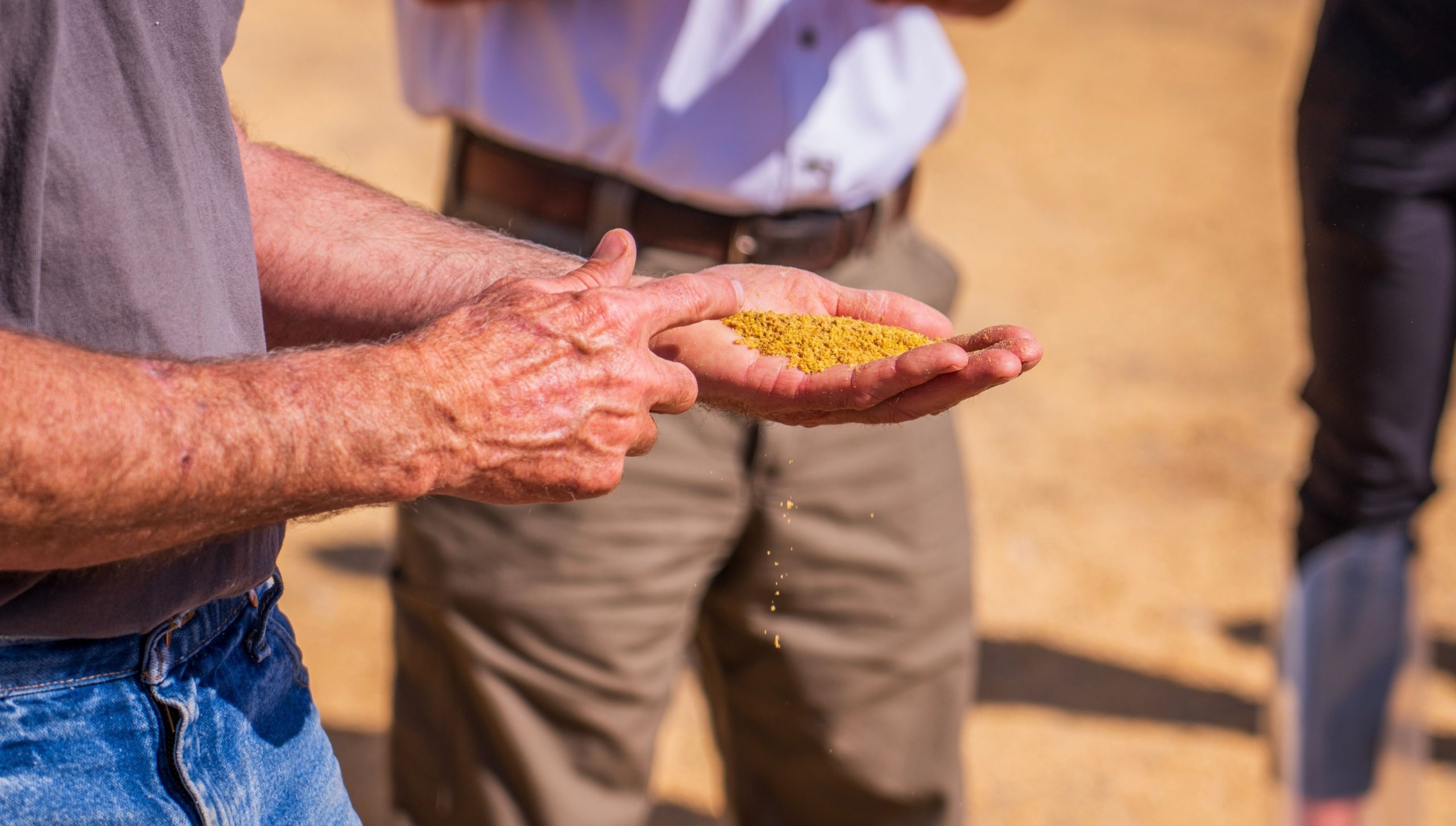
The quality of an agricultural commodity is not always visible from its outer appearance. A consignment of wheat, rice, maize or pulses may look uniform at first glance, but differences in moisture, grain size, impurities, damaged kernels and contamination can significantly influence its overall quality.
This is where grain sampling becomes important. Before agricultural commodities are accepted, stored, traded or processed, a representative sample helps determine whether the entire lot meets the required quality specifications.
For farmers, traders, millers, processors, exporters, and financial institutions, accurate grain sampling supports better decision-making, reduces disputes, and strengthens confidence across agricultural supply chains.
What is grain sampling?
Grain sampling is the systematic process of collecting a small quantity of grain from a larger consignment for quality assessment and laboratory analysis. Since testing every individual grain is impractical, samples are collected from different locations within a lot. These individual samples are combined to create a representative sample that reflects the commodity’s overall condition. The reliability of the final test report depends significantly on how well this sample represents the entire consignment.
The importance of standardised sampling is recognised internationally. ISO 18390:2025, published in May 2025, specifies simplified routine methods for static and dynamic sampling of cereals, pulses and cereal products. It covers manual and mechanical sampling for assessing quality, condition and compliance with specifications.
Why is grain sampling important?
Grain sampling is more than a routine inspection activity. It provides the foundation for quality-based decisions throughout the commodity value chain.
- Establishing commodity quality: Sampling helps identify the physical and chemical characteristics of agricultural produce. Parameters such as moisture, foreign matter, damaged grains and grain size can influence the commodity’s suitability for storage, processing and consumption.
- Supporting fair trade and price discovery: Commodity prices are often influenced by quality specifications. A consignment with lower moisture and fewer impurities may command a different price from one with higher contamination or damaged grains. Accurate sampling creates a common reference point for buyers and sellers, helping reduce disagreements over quality and pricing.
- Reducing storage-related risks: Grain quality can deteriorate during storage if moisture levels, temperature and infestation are not monitored. Sampling at the time of warehouse entry and during storage helps identify potential issues before they become more serious.
- Supporting collateral management: Agricultural commodities are frequently used as collateral for financing. Their quality and quantity influence the assessment of the underlying inventory. Reliable sampling and testing provide lenders and other stakeholders with better information about the commodity being stored or pledged.
Key parameters evaluated during grain sampling
Different commodities have different quality specifications. However, several parameters are commonly assessed during grain inspection.
- Moisture content: Excess moisture can encourage fungal growth, spoilage and deterioration during storage.
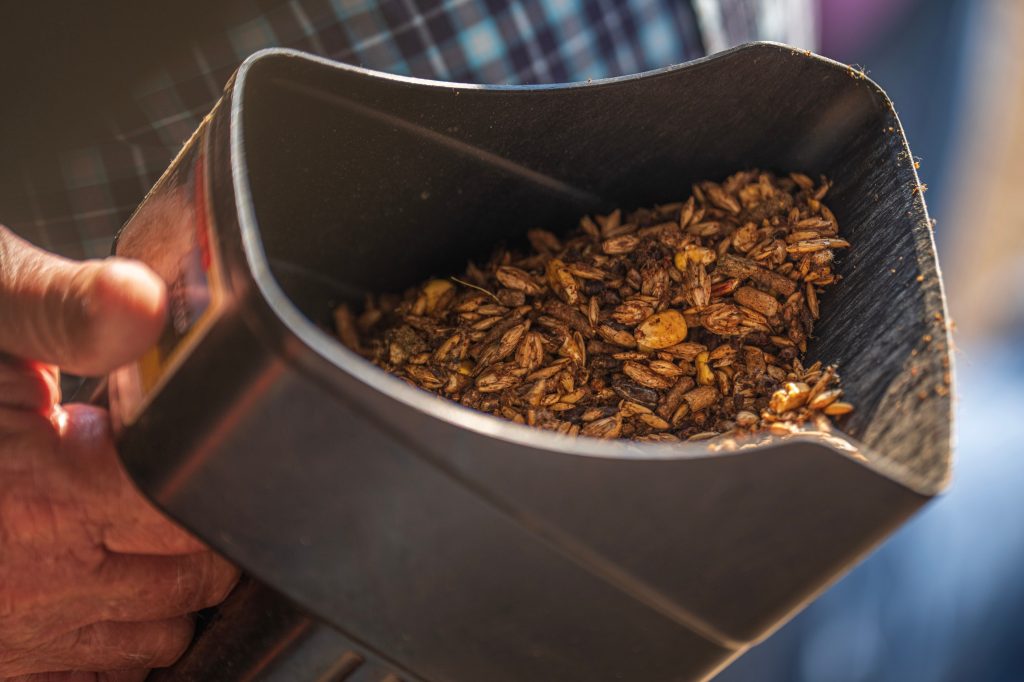
- Foreign matter: Stones, dust, soil, husk, weed seeds and other unwanted materials can affect the purity and usability of grain.
- Damaged grains: Kernels affected by weather, heat, insects or microbial activity can reduce the overall quality of a consignment.
- Broken grains: The percentage of broken kernels can influence processing efficiency and commercial value.
- Insect infestation: Both visible and hidden infestation can compromise grain quality and storage safety.
- Grain size and appearance: Uniformity, colour and physical characteristics help determine whether the commodity meets the buyer’s specifications.
- Chemical and contaminant parameters: Depending on the commodity and intended use, tests may examine pesticide residues, mycotoxins, heavy metals and other contaminants.
The Food Safety and Standards Authority of India (FSSAI) provides regulatory frameworks and testing methodologies for food commodities. Its food testing resources cover contaminants, microbiological safety, adulteration and other parameters relevant to food quality.
How does the grain sampling process work?
A systematic sampling process helps ensure that the test results reflect the actual condition of the consignment.
Step 1: Identifying the lot
The first step involves identifying the commodity, its quantity, packaging and storage condition. The lot must be clearly defined before samples are collected.
Step 2: Collecting primary samples
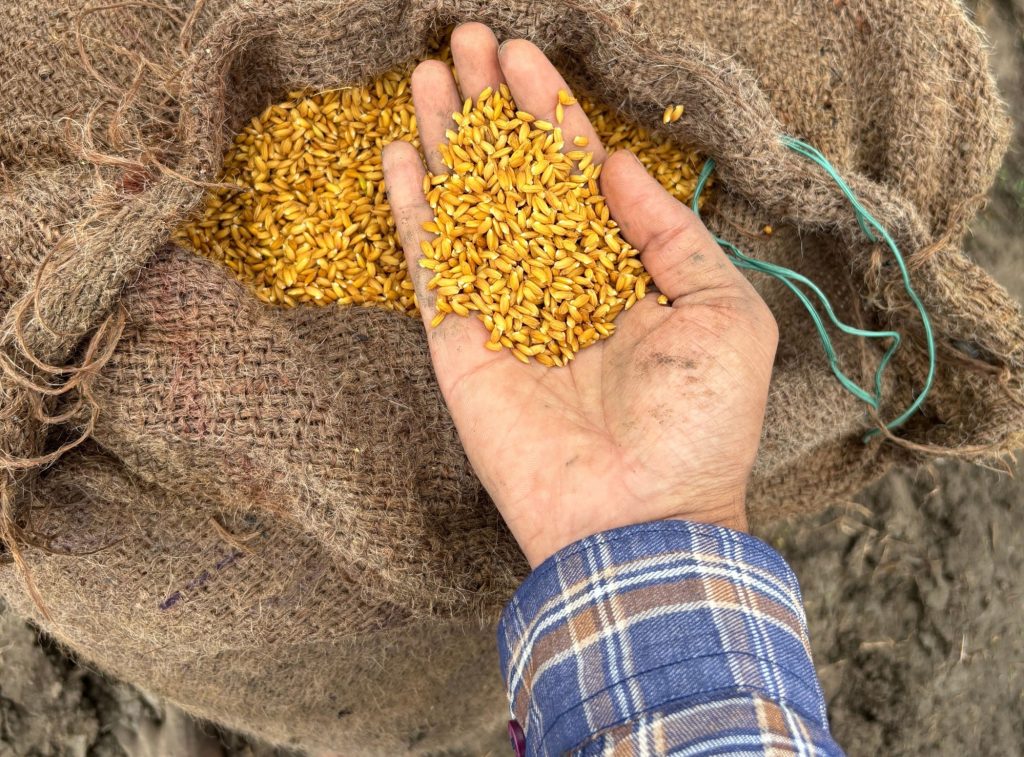
Samples are collected from multiple locations rather than relying on a single handful of grain. For bulk consignments, sampling probes may be used at different depths and positions. During loading or unloading, mechanical samplers can collect portions directly from the moving grain stream.
Step 3: Preparing a composite sample
The individual samples are combined and mixed to create a composite sample. This is then reduced to the required quantity using an appropriate sample division method.
Step 4: Laboratory testing
The prepared sample is tested for relevant physical, chemical and other quality parameters. The testing requirements depend on the commodity, buyer specifications and applicable standards.
Step 5: Recording and reporting results
The findings are documented in a test report. This report provides an objective reference for procurement, storage, processing, trading and other commercial decisions. The United States Department of Agriculture’s Federal Grain Inspection Service also emphasises systematic sampling of bulk and packaged grain lots, including probe sampling and mechanical collection from moving grain streams.
The importance of technology and scientific testing
Grain quality assessment is becoming increasingly structured as agricultural supply chains demand greater transparency and consistency. Digital records, standardised sampling procedures, advanced laboratory equipment and traceable test reports can improve the reliability of quality assessments. They also make it easier for businesses to compare consignments and maintain documentation across procurement and storage operations.
StarAgri contributes to this ecosystem through its integrated agricultural infrastructure and quality-testing capabilities. Its Star Labs network provides NABL-certified agricultural commodity testing, including physical and chemical analysis across multiple commodities. These capabilities complement StarAgri’s warehousing, procurement and collateral management services.
The integration is particularly valuable because quality assessment does not end when a commodity is tested at the procurement stage. Stored commodities may require further inspection to monitor their condition and support inventory-related decisions. Through its scientific warehousing infrastructure and laboratory capabilities, StarAgri helps agricultural stakeholders access structured quality assessment and storage-related services.
Better sampling, better decisions
Grain sampling may involve a relatively small quantity of produce, but its implications extend across the entire agricultural value chain. It helps establish quality benchmarks, supports transparent transactions and provides valuable information for storage and processing decisions.
As agricultural trade becomes more organised and quality-conscious, systematic sampling and scientific testing will remain essential to protecting commodity value and strengthening stakeholder confidence.
FAQs
- What is grain sampling in agriculture?
Grain sampling is the process of collecting representative portions from a larger commodity lot for quality inspection and laboratory testing. - Which parameters are checked during grain sampling?
Common parameters include moisture, foreign matter, damaged and broken grains, insect infestation, grain size and relevant chemical contaminants. - Why is representative sampling important?
It ensures that the test results reflect the overall condition of the consignment rather than the characteristics of a small, unrepresentative portion. - How does grain sampling help during warehousing?
It helps assess incoming commodity quality, monitor stored produce and identify potential deterioration or infestation. - Does StarAgri provide agricultural commodity testing?
Yes. StarAgri’s Star Labs network provides NABL-certified quality testing services, including physical and chemical analysis of agricultural commodities.
