

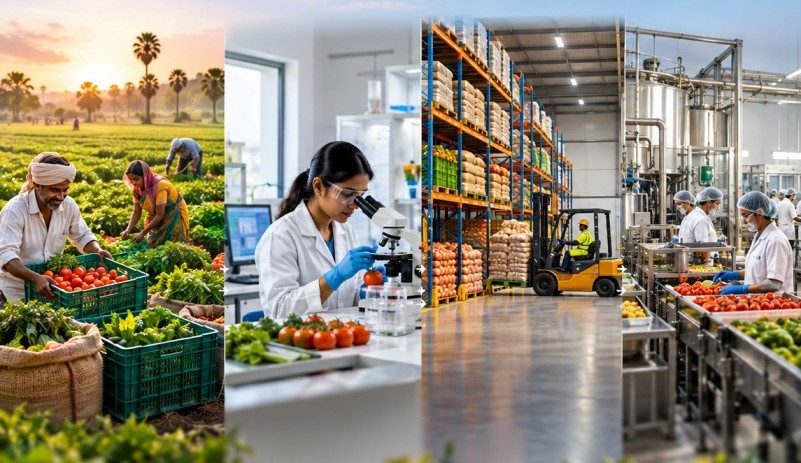
An agricultural commodity can accumulate a substantial trail of information before it reaches its final buyer. Procurement, quality testing , storage, transportation, processing and distribution may each generate data, yet those records are often created in separate systems. That disconnect is one of the areas where agricultural supply chain technology can make a measurable difference.
Traceability connects events across the journey of a commodity, creating a clearer record of where it came from, what happened to it and where it moved next. For agricultural businesses dealing with large volumes, multiple locations and different stakeholders, that visibility can support better operational and quality decisions.
What is agricultural traceability?
Agricultural traceability refers to the ability to follow a commodity through different stages of the supply chain. Depending on the product and business model, traceability can cover sourcing, farm-level information, procurement, grading, quality testing, storage, transportation, processing and distribution.
The concept itself is not new. What has changed is the technology available to capture and connect this information. Digital technologies can strengthen traceability by enabling comprehensive data collection, real-time tracking, aggregation, integration, analysis and information sharing across agrifood value chains.
Why traceability matters in agriculture
Agricultural supply chains have several moving parts, and commodities can change location or ownership multiple times. A connected traceability system can help businesses address some of the resulting visibility gaps.
- Better Inventory Visibility: Digital tracking can provide businesses with a clearer view of where commodities are stored and how inventory moves between locations. This becomes particularly valuable when businesses manage multiple warehouses or procurement centres.
- Stronger Quality Management: Quality information becomes more useful when it can be connected to a particular commodity, batch, location or stage of the supply chain. If a quality issue is identified, traceability can help businesses narrow down the relevant inventory and investigate its movement or handling history.
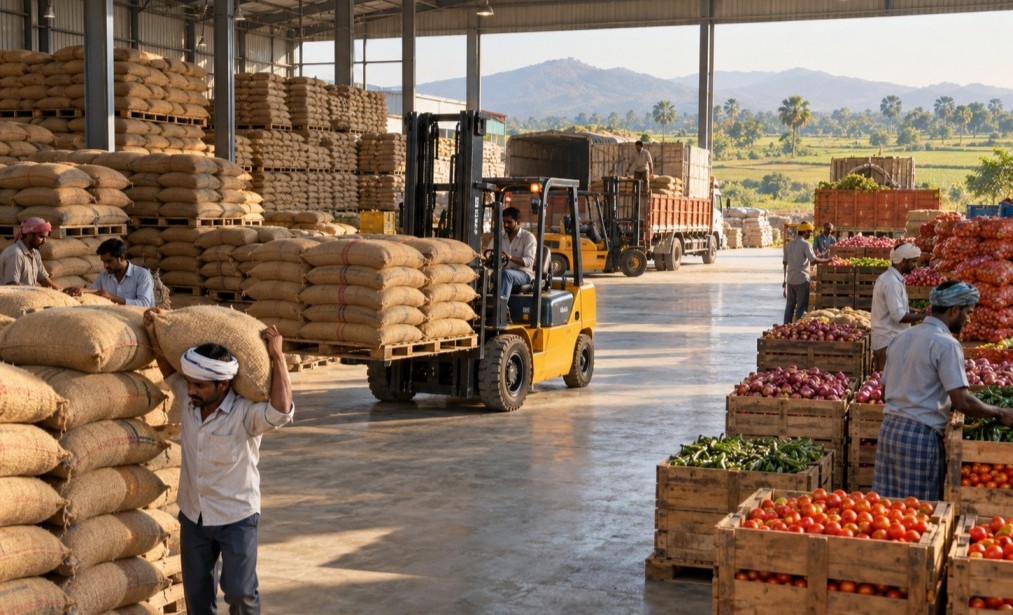
- Greater Transparency: Digital records can reduce dependence on disconnected paperwork and manual reporting. A more consistent information trail can improve coordination between farmers, traders, warehouses, processors, buyers and other supply-chain participants.
- Faster Response to Supply-Chain Issues: When information is available across multiple stages, businesses can identify discrepancies and respond more efficiently. The role of improved traceability in identifying and mitigating food-safety and quality issues while improving information sharing and price visibility is crucial.
- Support for Market and Compliance Requirements: As buyers increasingly seek information about sourcing, quality and product history, traceability can support documentation and transparency requirements. It can also become a differentiator for businesses serving organised domestic and international markets.
Technologies behind modern traceability
Traceability does not depend on a single technology. IoT devices can capture information from warehouses or transport environments. GIS can connect activities with locations. Cloud platforms can bring data from different systems together. AI and analytics can identify patterns in large datasets.
Blockchain is another technology that has been explored for traceability because distributed records can support transparency and data integrity. However, effective traceability depends on the quality of the information entering the system, not simply the technology used to store it.
How StarAgri is building agricultural supply chain technology
StarAgri’s technology ecosystem brings traceability into a broader agricultural operating model.
The company integrates AI/ML-led quality assessment, farm-health monitoring, digital and GIS-based workflows and IoT-enabled traceability across agricultural procurement, storage and trade.
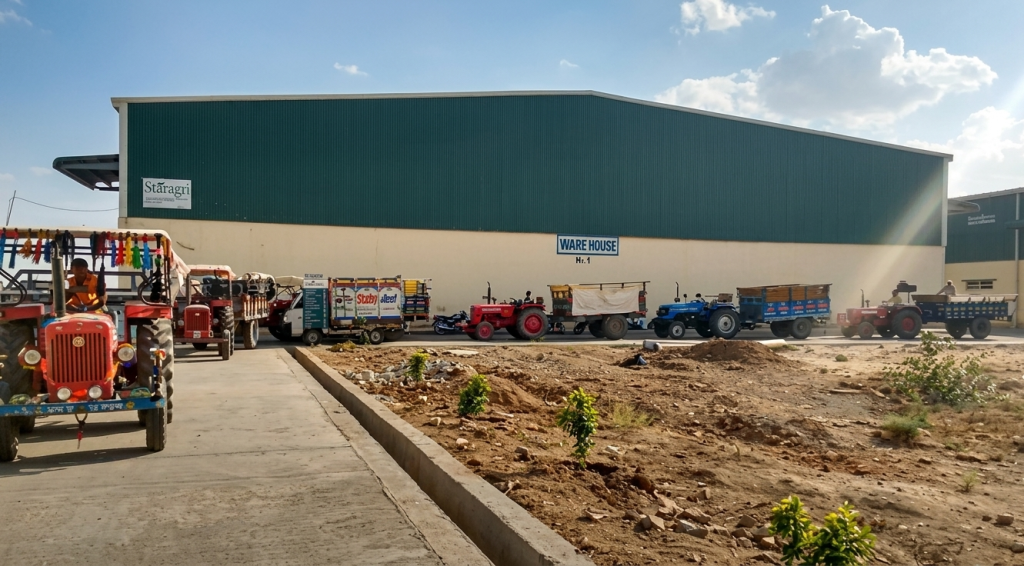
A substantial physical network supports this digital layer. StarAgri currently operates 2,200+ professional warehouses across over 380 locations in 19 states, with a total storage capacity of more than 5 MMT. Its warehouses are also used for procurement and delivery. That combination matters. Traceability becomes significantly more useful when digital information is connected to the physical points where commodities are actually procured, assessed, stored and moved.
StarAgri’s quality infrastructure adds another layer to this ecosystem. Its warehouse services include commodity quality and quantity information through warehouse receipts, while its laboratory capabilities support testing across the agricultural value chain.
From Commodity Tracking to Supply-Chain Intelligence
When procurement data, quality information, warehouse records and movement information can be connected, businesses gain a more complete picture of the commodity and its journey. That can support faster decisions, better risk management and stronger coordination between supply-chain participants.
For agriculture, where quality and value can change at different points in the journey, this shift from fragmented records to connected information is particularly significant.
Agricultural supply chain technology is therefore evolving from a tracking mechanism into an important part of supply chain intelligence, helping businesses move from simply recording what happened to understanding the broader flow of commodities across the network.
FAQs
- What is agricultural traceability?
Agricultural traceability is the ability to track a commodity and its associated information through different stages, including sourcing, procurement, testing, storage, transportation and distribution. - How does technology improve agricultural traceability?
IoT, GIS, cloud platforms, AI, digital records and other technologies can capture and connect information from different points in the agricultural supply chain technology. - How can traceability improve quality management?
It can connect quality information with specific commodities, batches, locations or supply-chain events, helping businesses investigate and respond to quality issues more efficiently. - Is blockchain necessary for agricultural traceability?
No. Blockchain is one technology that can support traceability, but effective systems can also use IoT, cloud platforms, GIS, databases and other digital technologies. Data quality and system integration remain essential. - How does StarAgri use traceability technology?
StarAgri combines IoT-enabled traceability with AI/ML-led quality assessment, farm-health monitoring and digital/GIS workflows across procurement, storage and trade, supported by its pan-India warehousing and quality infrastructure.
