


Did You Know?
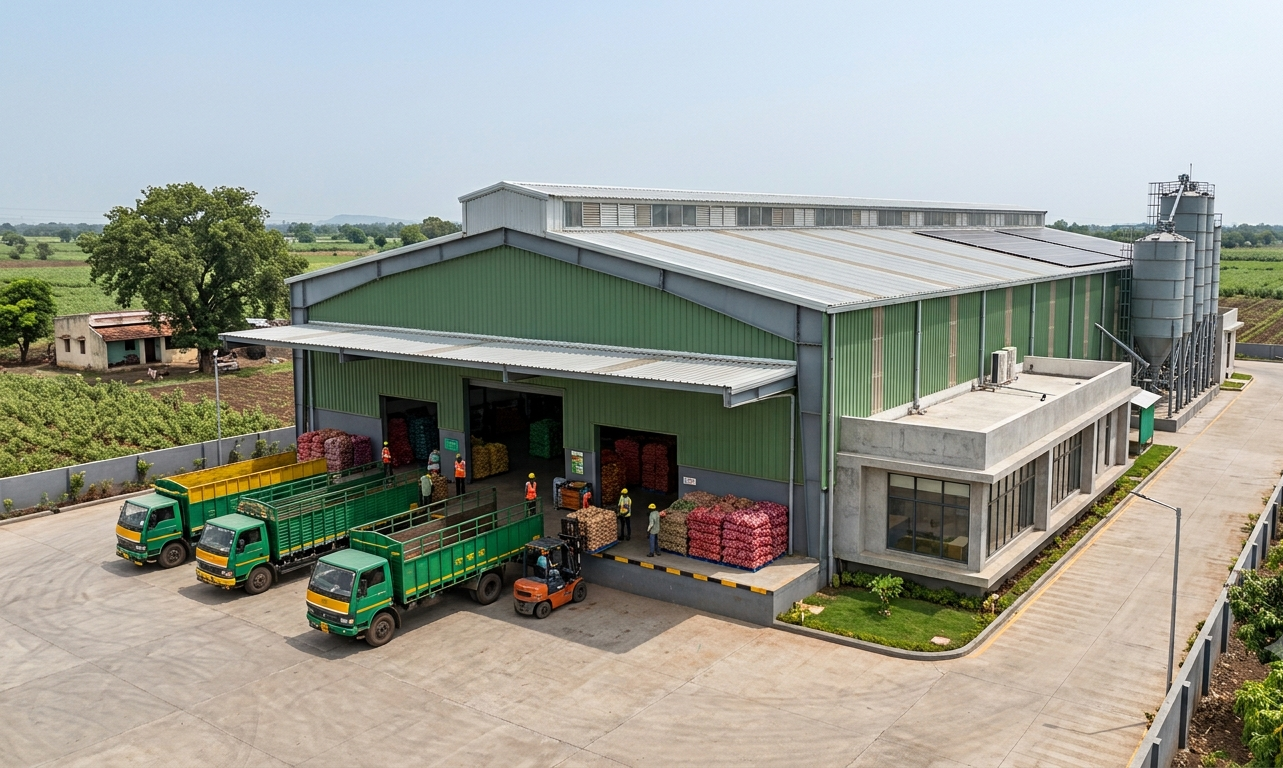
India’s warehousing capacity has expanded significantly over the years to support the country’s growing agricultural output. With foodgrain production reaching record levels, modern warehouses have become critical infrastructure for preserving quality, reducing post-harvest losses and enabling efficient agricultural trade.
Traditional warehouse vs. Modern warehouse
If you walked into an agricultural warehouse about 20 years ago, you would probably see rows of stacked commodity bags, handwritten registers and manual stock inspections. While these warehouses played an important role in protecting harvested crops, they largely served one purpose: storage.
Walk into a modern warehouse today, and the picture looks very different.
Inventory is digitally tracked. Commodities are monitored through technology-enabled processes. Quality inspections are more systematic, and stakeholders can access stock information with far greater visibility than before. The warehouse has evolved from being a storage facility into an important link in India’s agricultural supply chain.
As India’s agricultural production continues to grow, preserving commodities after harvest has become just as important as producing them. Every tonne of grain protected from moisture, pests or poor handling contributes to reducing losses, improving farmer returns and strengthening food security.
Why Agricultural Warehousing is Crucial
Harvest is only one part of the agricultural journey.
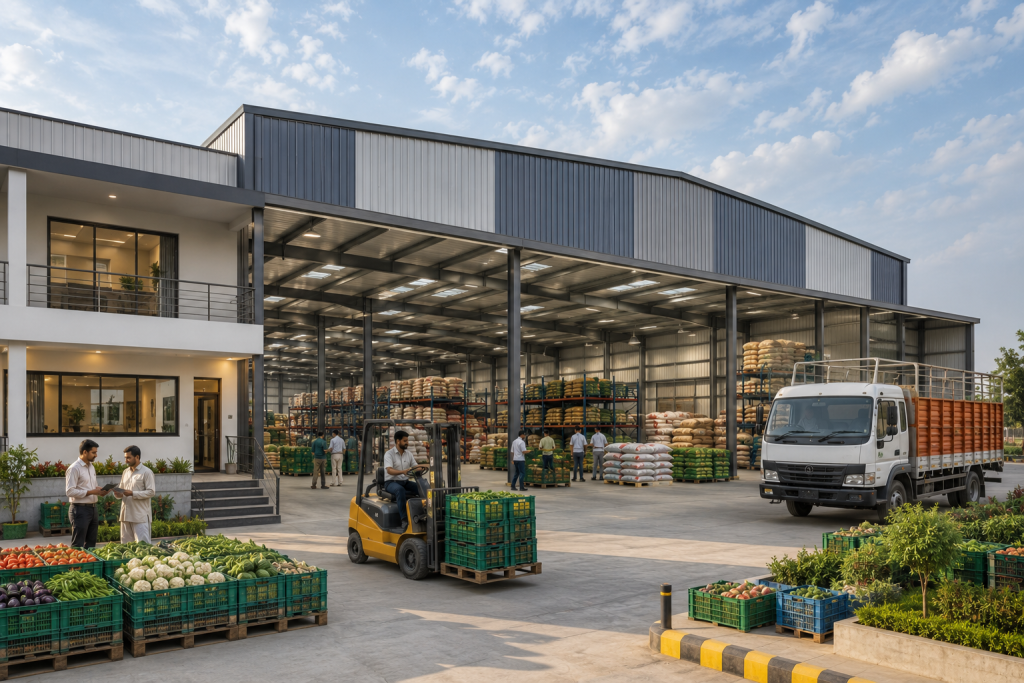
Once commodities leave the farm, they must be stored safely until they are sold, processed or transported. Without proper storage infrastructure, crops become vulnerable to moisture, insects, rodents, fungal contamination and quality deterioration.
According to the Food and Agriculture Organisation (FAO), a significant share of global food losses occurs during post-harvest handling and storage, highlighting the importance of investing in better warehousing infrastructure.
Scientific warehousing not only protects commodity quality but also supports market stability by allowing farmers and traders to store produce until market conditions become favourable.
Types of Agricultural Warehouses in India
India’s warehousing ecosystem is diverse, with different storage facilities designed to meet different agricultural needs.
- General Warehouses: These are among the most common warehouses used for storing grains, pulses, oilseeds and other dry agricultural commodities. They provide basic protection against weather and pests and are widely used by traders, processors and procurement agencies.
- Cold Storage Warehouses: Cold storage facilities are designed for perishable commodities such as fruits, vegetables, dairy products and certain seeds. By maintaining controlled temperatures, these warehouses help extend shelf life while preserving quality.
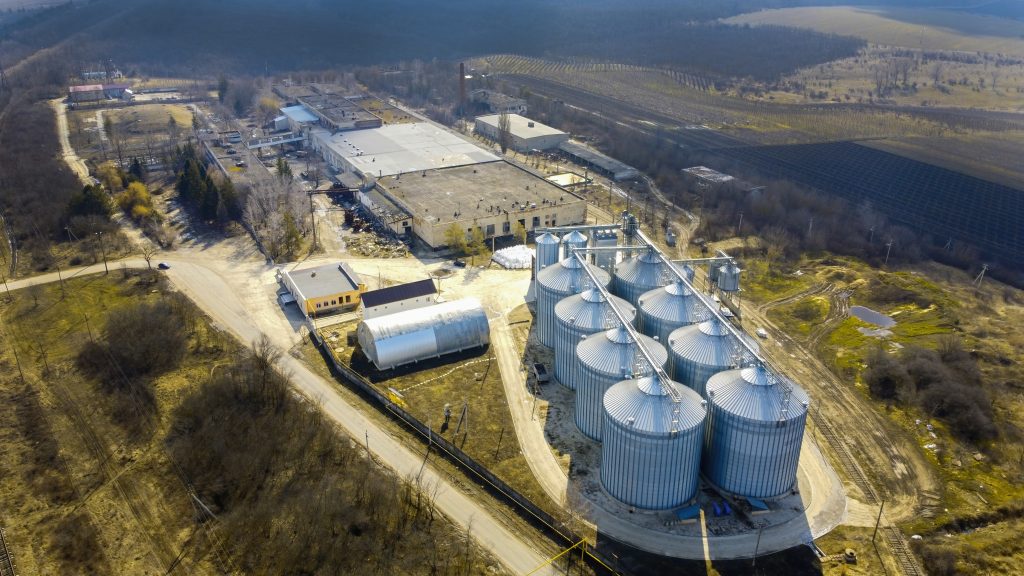
- Silo Storage: Steel silos are increasingly becoming a preferred storage solution for bulk grains. Unlike traditional bag storage, silos use mechanised handling systems that improve inventory management, reduce handling losses and minimise contamination.
- Open Storage (CAP Storage): Covered and Plinth (CAP) storage is commonly used when additional storage capacity is required during peak procurement seasons. Although economical and quick to establish, it is generally intended as a temporary storage solution and requires careful management to protect commodities from weather-related risks.
- Private Scientific Warehouses: These warehouses follow structured operating procedures for commodity handling, quality assessment and inventory management. Many are integrated with financing and collateral management services, making them an important part of India’s agricultural value chain.
How Technology is Transforming Agricultural Warehousing
Modern warehouses are becoming smarter through the adoption of digital technologies. Instead of relying solely on manual processes, warehouse operators are increasingly using digital systems to improve efficiency, transparency and risk management.
Some of the key technological advancements include:
- Digital inventory management
- Barcode and QR-based stock tracking
- IoT-enabled environmental monitoring
- Digital documentation
- Real-time stock visibility
- Data-driven warehouse operations
These technologies not only improve operational efficiency but also build greater confidence among farmers, traders, banks and commodity owners.
StarAgri’s Approach to Scientific Warehousing
One example of this evolution is StarAgri, which has built an integrated warehousing ecosystem of over 2,300 warehouses across 380 locations, which combines scientific storage practices with technology-enabled operations in 19 Indian states.
Its warehousing processes extend beyond storage to include warehouse surveys, quality inspections, digital documentation, inventory monitoring and collateral management. This integrated approach helps improve transparency, preserve commodity quality and support financing across the agricultural supply chain.
By combining operational expertise with technology, StarAgri contributes to creating warehousing infrastructure that supports farmers, financial institutions and agribusinesses alike.
Warehouses are a place of Trust
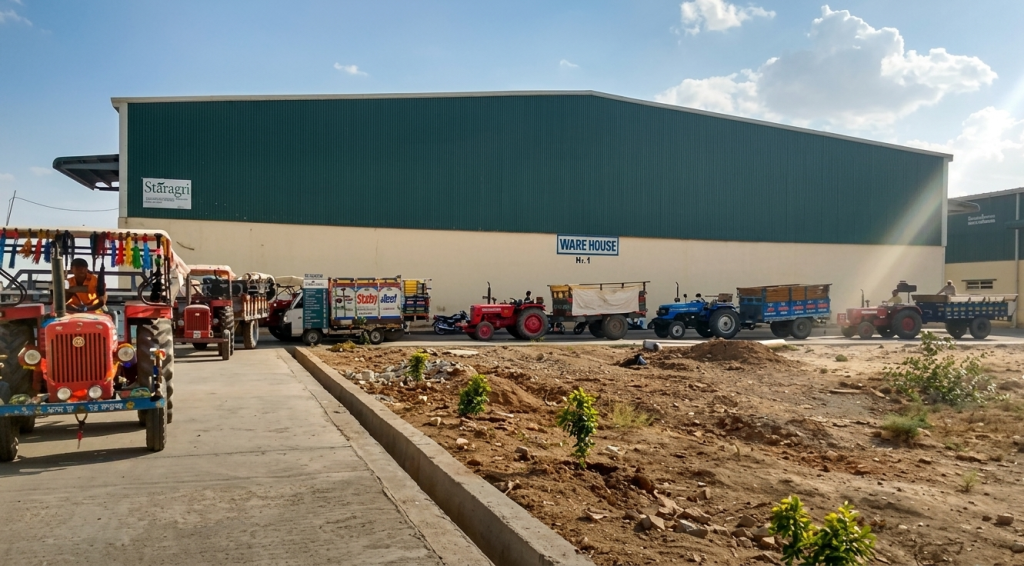
A warehouse may mark the end of a harvest, but it’s often the beginning of a commodity’s commercial journey. From preserving quality and enabling financing to supporting seamless movement across the supply chain, modern warehousing plays a far greater role than simply providing storage.
At StarAgri, this philosophy is reflected in a technology-enabled approach to scientific warehousing that focuses on transparency, efficiency and operational excellence. As the agricultural landscape continues to evolve, the company remains committed to building storage solutions that help safeguard not just commodities, but the confidence and opportunities they represent.
FAQs
- What are the different types of agricultural warehouses in India?
General warehouses, cold storage facilities, silo storage, CAP storage and private scientific warehouses are among the major types used across India. - Why is scientific warehousing important?
Scientific warehousing helps preserve commodity quality, minimise post-harvest losses and improve inventory management. - How is technology improving agricultural warehouses?
Technology enables digital inventory management, real-time monitoring, quality tracking and greater operational transparency. - What commodities are commonly stored in agricultural warehouses?
Grains, pulses, oilseeds, spices, cotton and other agricultural commodities are commonly stored depending on warehouse type. - How does StarAgri support agricultural warehousing?
StarAgri combines scientific warehousing practices with technology-enabled operations, including quality inspection, inventory monitoring, digital documentation and collateral management.
