



For decades, agricultural technology was often associated with machines: tractors, harvesters and irrigation equipment. The definition of agriculture in India is much broader today!
A farmer can use a smartphone to access an advisory, receive a weather alert, check market prices, monitor crop health or explore financial services. Behind these seemingly simple interactions sits a growing digital ecosystem.
That is why Agritech is transforming rural areas in ways that extend far beyond the farm.
India’s digital agriculture infrastructure is expanding rapidly. As of 6 August 2026, more than 10.33 crore Farmer IDs had been generated, while the Digital Crop Survey had covered more than 28.5 crore plots during Kharif 2025.
Here are seven ways this transformation is taking shape.
- Farmers are getting better Access to Information
Agriculture in India has always depended on information: weather, soil, crop health, prices and government schemes.
The difference today is speed.
AI-powered and mobile-based platforms can deliver information directly to farmers rather than requiring them to depend entirely on physical extension networks. The World Bank’s 2026 work in India highlights how “small AI” tools can provide local-language guidance on crops, pests, weather, markets and government support using basic smartphones.
- Crop Monitoring is being done by Satellites
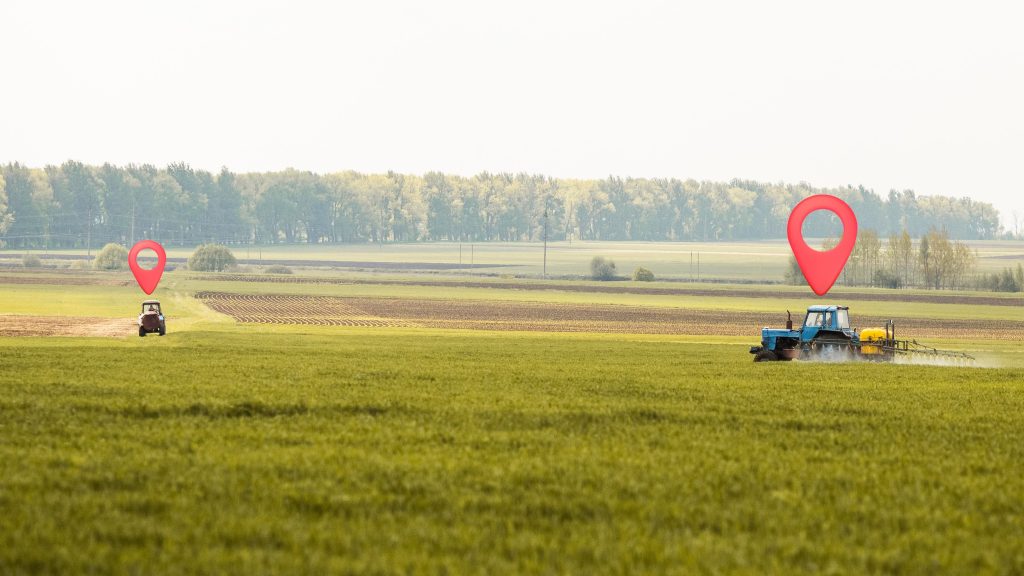
A field can change considerably between two physical inspections. Satellite imagery, drones, GIS and remote sensing allow crop conditions to be monitored more frequently and across larger areas.
Agribhumi, a land intelligence platform by agribazaar, is already creating plot-level visibility, with precision agriculture initiatives using sensors, remote sensing, drones, AI and ICT for crop and soil monitoring. This creates better data for farmers, agribusinesses, insurers, lenders and policymakers.
- Digital platforms are changing Market Access
What happens after harvest is just as important as what happens before it. Digital marketplaces can bring buyers and sellers onto common platforms, improve price visibility and reduce information gaps.
By March 2026, e-NAM had crossed ₹4.84 lakh crore in cumulative trade value, with more than 1.80 crore farmers registered. The larger shift is towards a more connected agricultural value chain, where information can travel alongside commodities.
- Finance is becoming more Data-Driven
Access to finance has historically been affected by limited documentation, fragmented farm information and difficulty in assessing agricultural risk.
Technology is changing that equation.
Satellite data, land information, crop data and digital identities can help lenders build more informed assessments. Agriwise has disbursed ₹2,500 crore+ in financing to date, supporting more than 5,300 customers across agricultural businesses and MSMEs. Its portfolio spans solutions such as Warehouse Receipt Finance, Invoice Bill Discounting, Farmer Finance, Loan Against Property and customised Working Capital Loans.
- Warehousing is becoming part of the Digital Value Chain
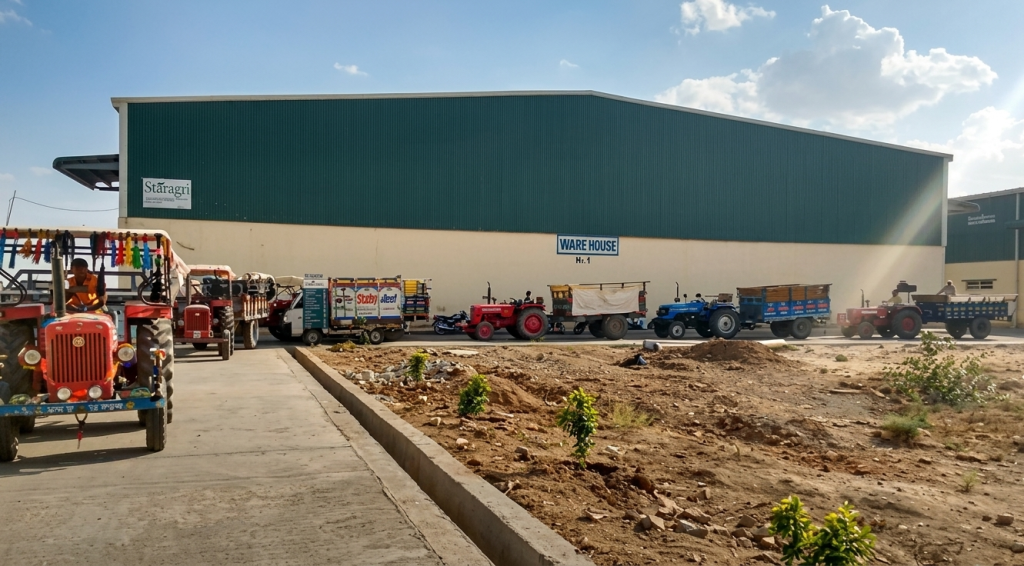
Storage quality, inventory visibility, collateral management and market timing can all influence the value of commodities after harvest. Technology can connect warehousing with procurement, financing, quality assessment and market operations.
This is an important area for integrated agritech businesses such as StarAgri, whose services span warehousing, collateral management, procurement, logistics and 3PL, quality testing, scientific storage solutions and Agriwise financing.
- Rural Businesses are getting more Connected
Agritech doesn’t only affect farmers. It creates opportunities for traders, FPOs, warehouses, processors, logistics providers, lenders, input suppliers and other rural enterprises.
The World Bank’s 2026 work on Uttar Pradesh illustrates this broader ecosystem approach, combining digital platforms, finance, infrastructure and private investment to support agricultural and rural economic activity. That means the impact of agritech can extend from the field into the wider rural economy.
- The Farm-to-Finance journey is becoming Integrated
Perhaps the biggest change is that agricultural services are no longer operating entirely in separate silos.
Crop data can inform finance. Market information can influence procurement. Warehouse receipts can support lending. Quality data can affect pricing. Logistics information can influence supply-chain decisions.
This integrated approach is central to StarAgri’s “farm to finance” model, bringing together agricultural commerce, storage, quality, logistics and financial services.
What does this mean for agriculture in India?
The technology story in agriculture in India isn’t simply about AI, drones or satellites. It is about connecting the dots.
When farm data, market information, storage infrastructure, logistics and finance start working together, technology can influence the entire agricultural value chain.
That is why agritech is transforming rural areas not through one dramatic change, but through hundreds of smaller improvements in how farmers and rural businesses access information, markets, infrastructure and finance.
FAQs
- How is Agritech transforming rural areas in India?
Agritech is improving access to agricultural information, digital markets, crop monitoring, financial services, logistics and other services. Its impact increasingly extends beyond farms into the wider rural economy. - What role does AI play in Agriculture in India?
AI can analyse large volumes of agricultural, weather, satellite and market data to support applications such as crop monitoring, advisory, forecasting, credit assessment and resource planning. - How can technology improve agricultural finance?
Digital records, satellite imagery, crop information and analytics can provide lenders with additional information for assessing agricultural businesses and developing more informed financing solutions. - How is technology changing agricultural supply chains?
Digital platforms can connect procurement, warehousing, quality testing, logistics, markets and finance, improving visibility and coordination across different stages of the agricultural value chain. - What agritech solutions does StarAgri offer?
StarAgri operates across warehousing, collateral management, procurement, logistics and 3PL, quality testing, scientific storage and financial services, connecting multiple parts of the agricultural value chain.
