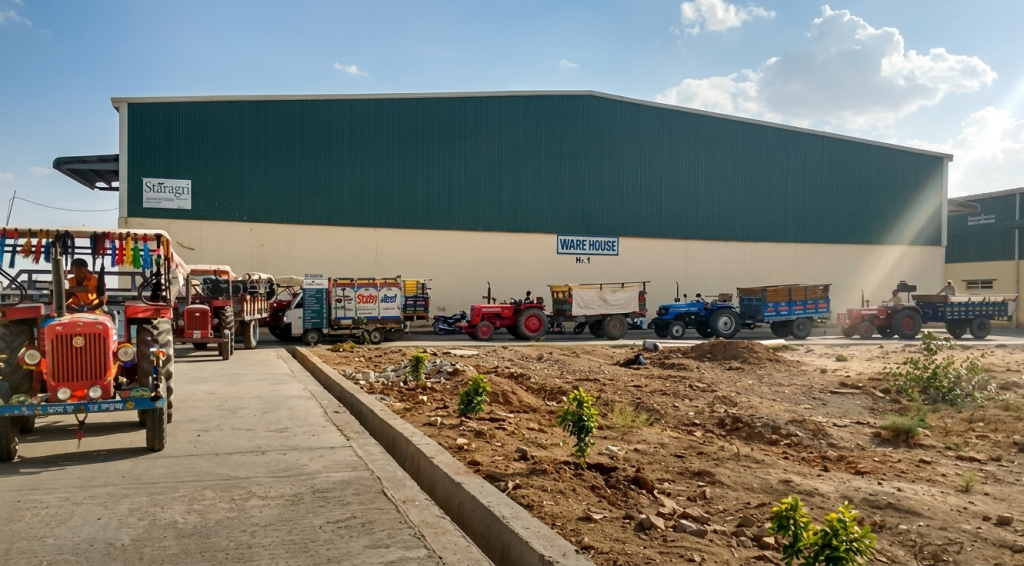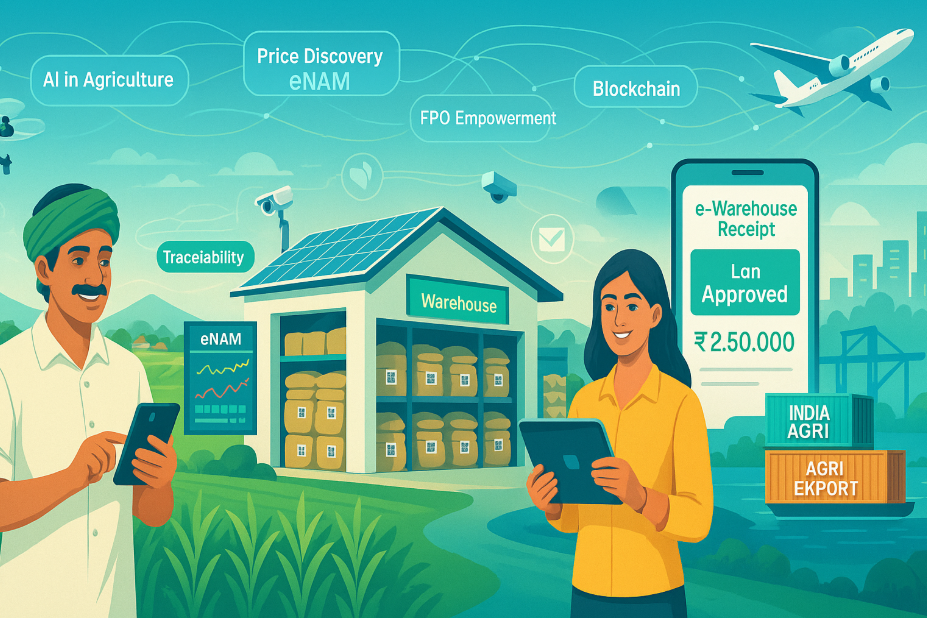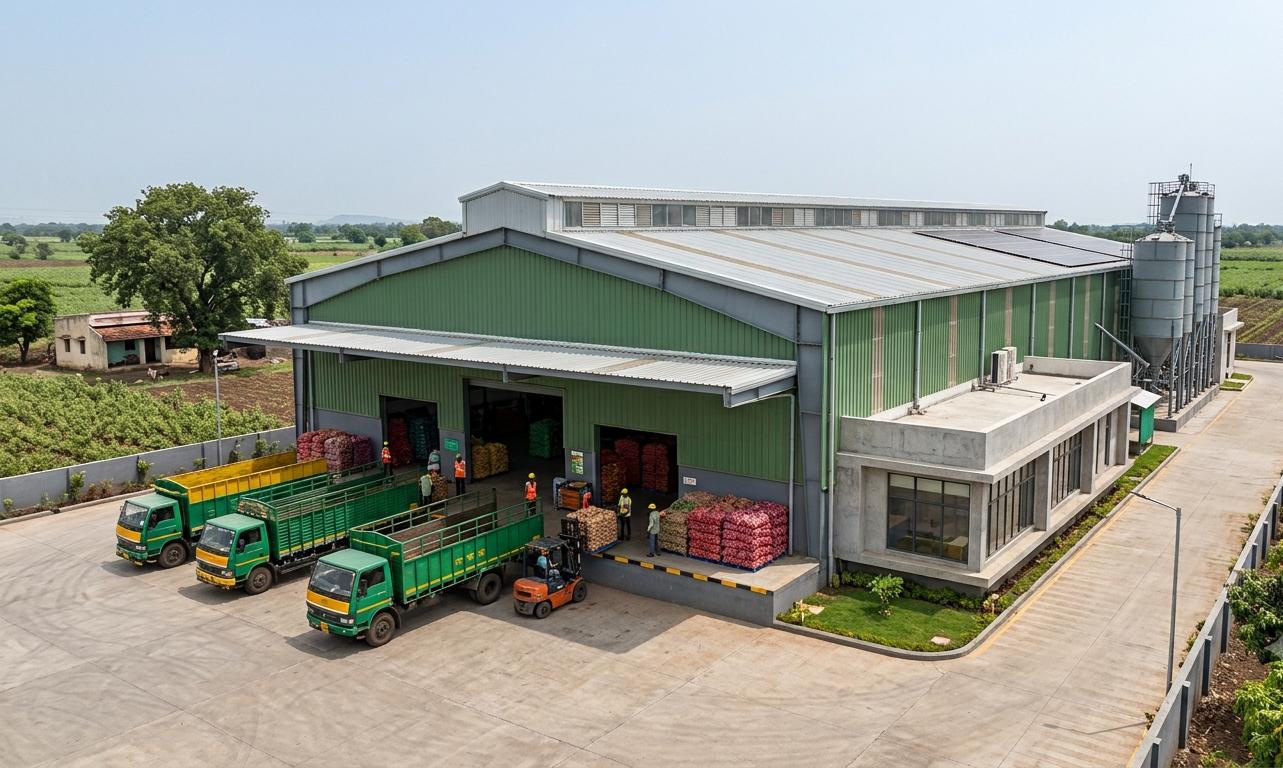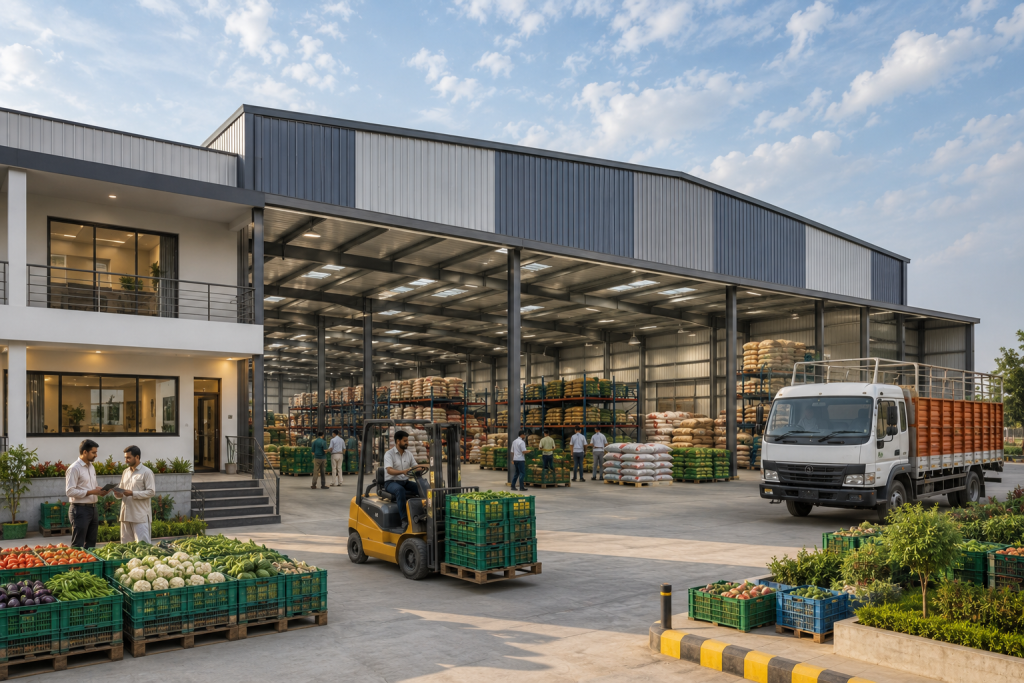
Tag Archives: staragri warehouse

India’s agricultural supply chain is handling more and more produce every day. According to the Third Advance Estimates for 2025–26, India’s foodgrain production is estimated at 376.56 million tonnes, about 5.3% higher than the previous year. More production, however, also means greater pressure on storage, quality management and movement of commodities after harvest.
This is where the role of a modern agri warehouse is changing. A warehouse is no longer simply a place where agricultural commodities are kept until prices improve. Today, it can support scientific storage, inventory visibility, quality management, collateral monitoring, financing and smoother movement across the supply chain.

Why a modern agri warehouse matters

Agricultural commodities are vulnerable to moisture, pests, contamination, physical damage and quality deterioration. Poor storage can reduce the value of produce even before it reaches the next stage of the supply chain.

India has been investing heavily in improving this infrastructure. As of June 2026, the Agricultural Marketing Infrastructure scheme had sanctioned 12,353 storage infrastructure projects with a combined capacity of 369.18 lakh MT over the preceding decade. Under the Agriculture Infrastructure Fund, interest-subvention support had also been extended to 18,893 warehouses.
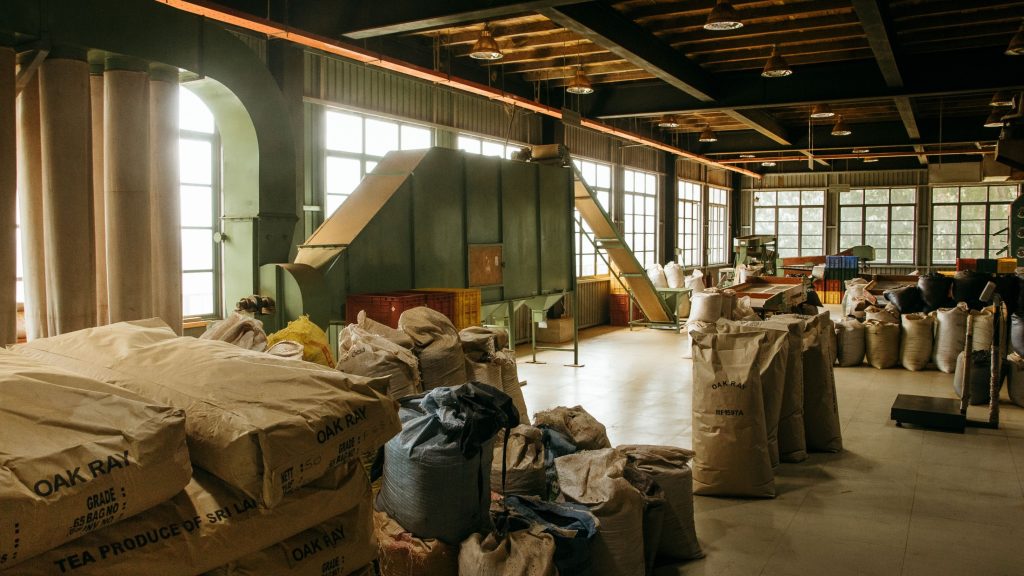
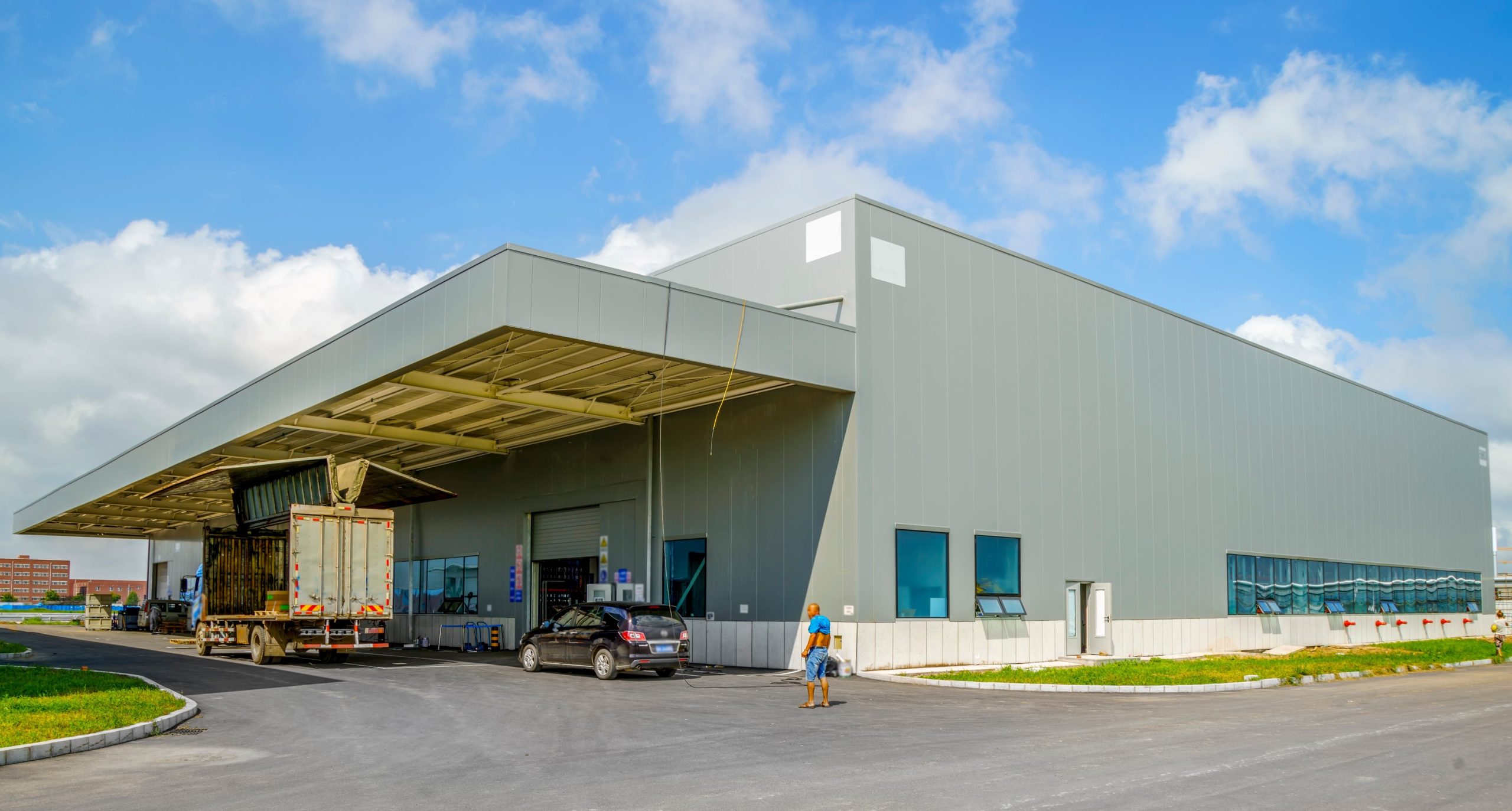
modern warehouse

What makes a warehouse “modern”?

A modern agri warehouse combines physical infrastructure with processes and technology designed to protect commodities and improve visibility. This can include scientific storage practices, systematic inventory management, quality inspection, fumigation, digital documentation, monitoring systems and warehouse receipts. These capabilities help stakeholders know what is stored, where it is stored, its quality and how it is being managed.

The Government of India launched a Smart Warehousing System for foodgrain storage using AI, IoT, automation and analytics. The system includes features such as automated gate and weighbridge operations, digital access management, intelligent warehouse-condition monitoring and real-time operational dashboards.

From storage to supply chain intelligence

Digital records in a modern warehouse can provide better visibility into stock levels and movement. Quality assessments can help determine whether commodities are suitable for a particular buyer or market. Monitoring systems can help identify operational issues earlier. All this information becomes even more useful when connected with procurement, financing and trade.

For example, a trader holding a commodity in a scientifically managed warehouse may not need to sell immediately simply because working capital is required. Warehouse receipts can provide documented evidence of the commodity’s quantity and quality, helping eligible borrowers access financing against stored inventory.

Decentralised warehousing is also gaining ground

Modernisation is not limited to large central warehouses only. Storage closer to farms and production centres is becoming an important part of India’s agricultural infrastructure strategy.

Under the World’s Largest Grain Storage Plan in the Cooperative Sector, 313 PACS had completed godown construction by July 2026, creating more than 1.80 lakh tonnes of storage capacity. The programme aims to strengthen decentralised storage and reduce the distance between production, storage and markets. This matters because a warehouse located closer to where commodities are produced can reduce unnecessary movement and give farmers and aggregators greater flexibility after harvest.
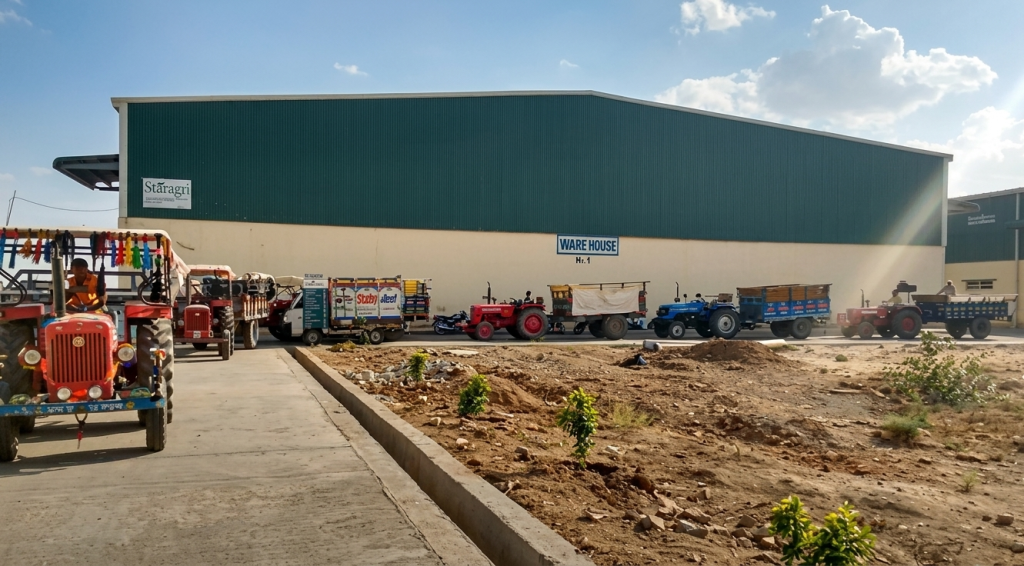
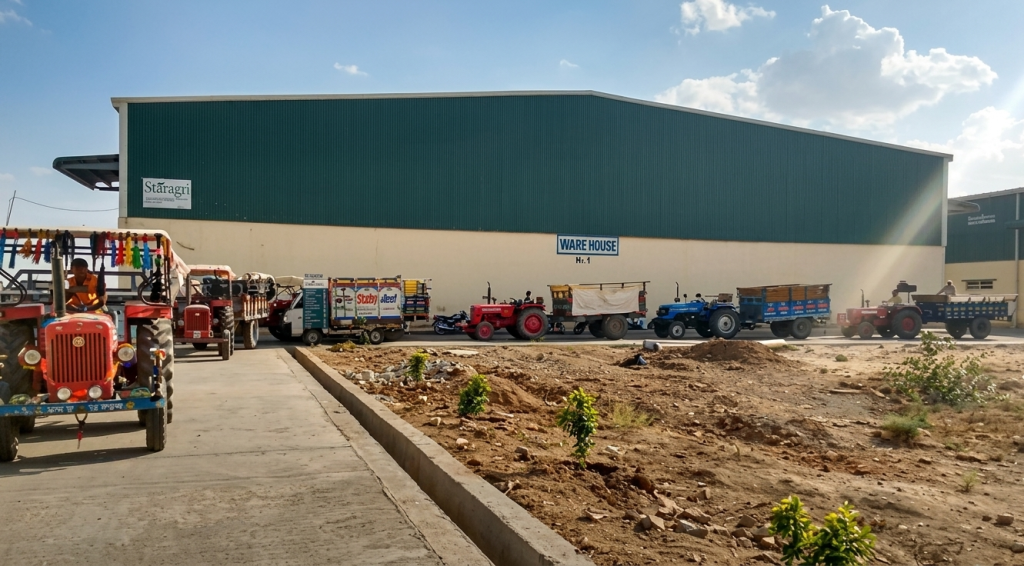
staragri warehouse

How StarAgri contributes to a smarter agri supply chain

StarAgri approaches warehousing as part of a broader integrated agritech ecosystem rather than as an isolated storage service. Today, StarAgri operates 2,200+ scientific warehouses across 19 states, with approximately 5MMT of storage capacity in over 380 Indian locations. Its warehousing services support farmers, traders, millers, processors and corporates with secure commodity storage and financial solutions.

The warehouse ecosystem at StarAgri also connects with collateral management, quality assessment, financing, procurement and trade facilitation. This integrated approach allows a customer to move through multiple stages with transparency & convenience.

For financial institutions, collateral management can provide structured monitoring of commodities held against financing. For commodity owners, scientific storage can help preserve inventory while creating greater flexibility around when to sell. For processors and businesses, dependable storage infrastructure can support more predictable procurement and inventory planning.

The future of agricultural warehousing

India’s agricultural supply chain is moving towards an integration of production data, market information, storage infrastructure, quality testing, financing, and trades.

A modern agri warehouse becomes one measuring how much commodity it can hold, protect quality, create visibility, support financing and connect inventory with the next stage of the supply chain. As agricultural production grows, smarter storage will become essential to making the entire journey from farm to market more efficient, resilient and commercially viable.

FAQs

  • What is a modern agri warehouse?
    A modern agri warehouse is a scientifically managed storage facility supported by systematic processes and technology for inventory management, quality preservation, monitoring and supply chain operations.
  • How does modern warehousing improve agricultural supply chains?
    It can improve commodity preservation, inventory visibility, quality management and coordination between storage, financing, procurement and trade.
  • Why is technology important in agricultural warehousing?
    Technologies such as IoT, AI, automation and analytics can improve monitoring, inventory visibility, operational efficiency and decision-making.
  • How does warehouse receipt financing work?
    A warehouse receipt documents commodities stored in an eligible warehouse, including relevant quantity and quality information. Depending on eligibility and lender requirements, the stored commodity can support financing without requiring an immediate sale.
  • How does StarAgri contribute to modern agricultural warehousing?
    StarAgri operates a wide network of scientific warehouses across multiple Indian states. Apart from the StarAgri ecosystem also connects warehousing with collateral management, quality assessment, financing, procurement and trade facilitation.
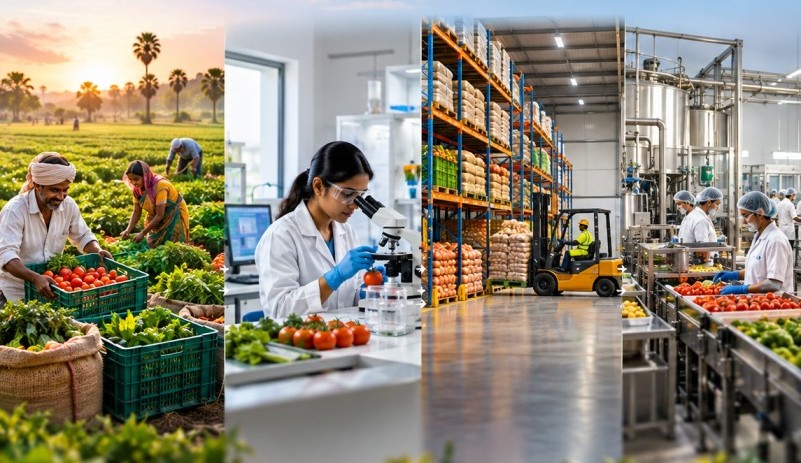
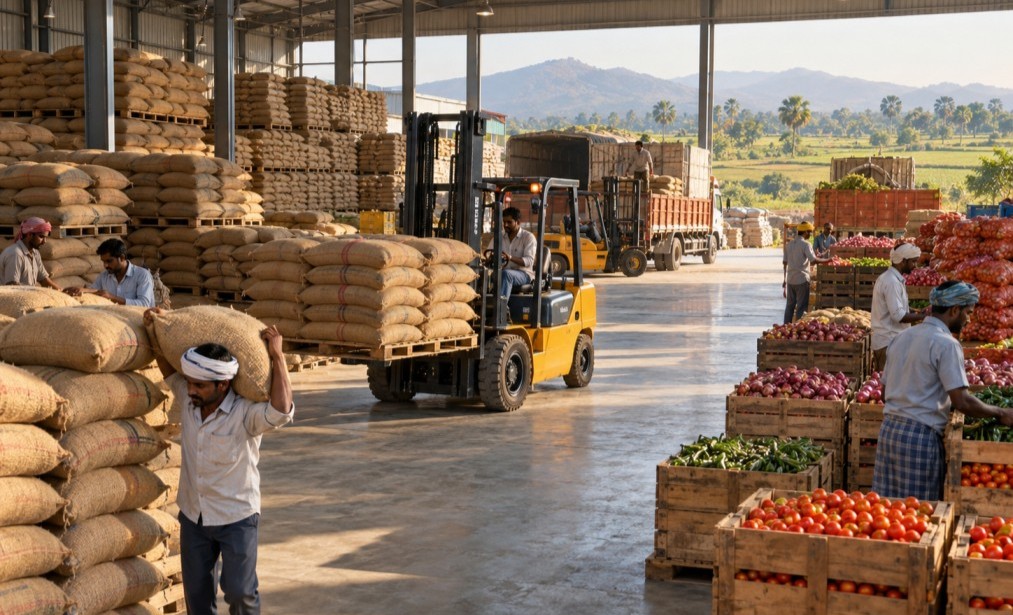
An agricultural commodity can accumulate a substantial trail of information before it reaches its final buyer. Procurement, quality testing , storage, transportation, processing and distribution may each generate data, yet those records are often created in separate systems. That disconnect is one of the areas where agricultural supply chain technology can make a measurable difference.

Traceability connects events across the journey of a commodity, creating a clearer record of where it came from, what happened to it and where it moved next. For agricultural businesses dealing with large volumes, multiple locations and different stakeholders, that visibility can support better operational and quality decisions.

What is agricultural traceability?

Agricultural traceability refers to the ability to follow a commodity through different stages of the supply chain. Depending on the product and business model, traceability can cover sourcing, farm-level information, procurement, grading, quality testing, storage, transportation, processing and distribution.

The concept itself is not new. What has changed is the technology available to capture and connect this information. Digital technologies can strengthen traceability by enabling comprehensive data collection, real-time tracking, aggregation, integration, analysis and information sharing across agrifood value chains.

Why traceability matters in agriculture

Agricultural supply chains have several moving parts, and commodities can change location or ownership multiple times. A connected traceability system can help businesses address some of the resulting visibility gaps.

  • Better Inventory Visibility: Digital tracking can provide businesses with a clearer view of where commodities are stored and how inventory moves between locations. This becomes particularly valuable when businesses manage multiple warehouses or procurement centres.
  • Stronger Quality Management: Quality information becomes more useful when it can be connected to a particular commodity, batch, location or stage of the supply chain. If a quality issue is identified, traceability can help businesses narrow down the relevant inventory and investigate its movement or handling history.

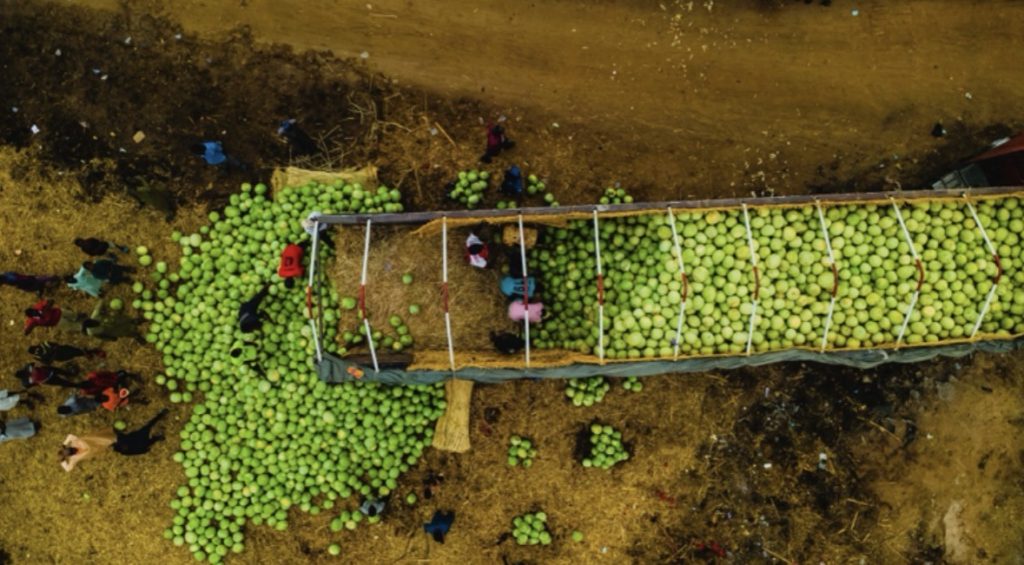
agri supply chain

  • Greater Transparency: Digital records can reduce dependence on disconnected paperwork and manual reporting. A more consistent information trail can improve coordination between farmers, traders, warehouses, processors, buyers and other supply-chain participants.
  • Faster Response to Supply-Chain Issues: When information is available across multiple stages, businesses can identify discrepancies and respond more efficiently. The role of improved traceability in identifying and mitigating food-safety and quality issues while improving information sharing and price visibility is crucial.
  • Support for Market and Compliance Requirements: As buyers increasingly seek information about sourcing, quality and product history, traceability can support documentation and transparency requirements. It can also become a differentiator for businesses serving organised domestic and international markets.

Technologies behind modern traceability

Traceability does not depend on a single technology. IoT devices can capture information from warehouses or transport environments. GIS can connect activities with locations. Cloud platforms can bring data from different systems together. AI and analytics can identify patterns in large datasets.

Blockchain is another technology that has been explored for traceability because distributed records can support transparency and data integrity. However, effective traceability depends on the quality of the information entering the system, not simply the technology used to store it.

How StarAgri is building agricultural supply chain technology

StarAgri’s technology ecosystem brings traceability into a broader agricultural operating model.

The company integrates AI/ML-led quality assessment, farm-health monitoring, digital and GIS-based workflows and IoT-enabled traceability across agricultural procurement, storage and trade.

A substantial physical network supports this digital layer. StarAgri currently operates 2,200+ professional warehouses across over 380 locations in 19 states, with a total storage capacity of more than 5 MMT. Its warehouses are also used for procurement and delivery. That combination matters. Traceability becomes significantly more useful when digital information is connected to the physical points where commodities are actually procured, assessed, stored and moved.

StarAgri’s quality infrastructure adds another layer to this ecosystem. Its warehouse services include commodity quality and quantity information through warehouse receipts, while its laboratory capabilities support testing across the agricultural value chain.

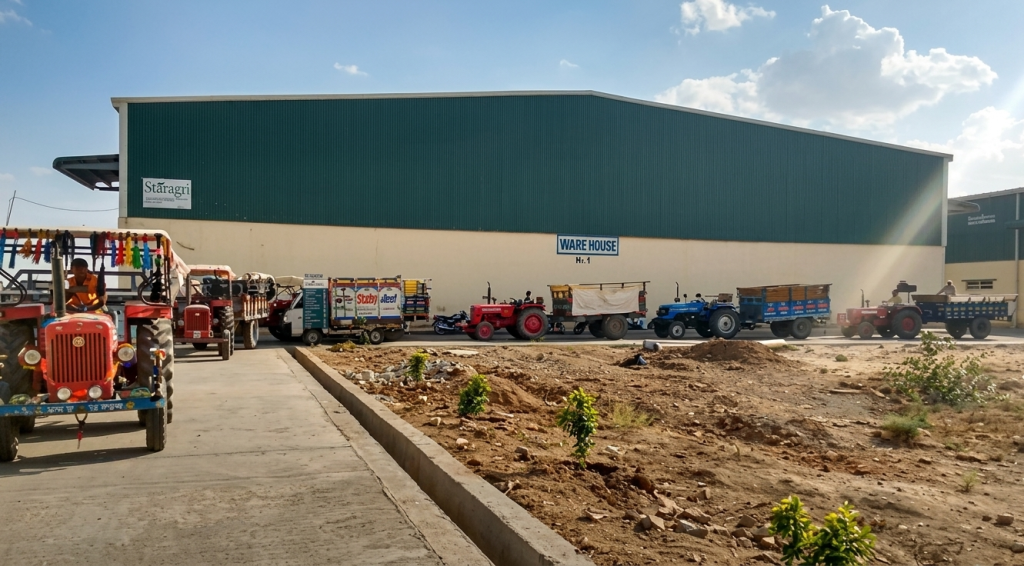
staragri warehouse

From Commodity Tracking to Supply-Chain Intelligence

When procurement data, quality information, warehouse records and movement information can be connected, businesses gain a more complete picture of the commodity and its journey. That can support faster decisions, better risk management and stronger coordination between supply-chain participants.
For agriculture, where quality and value can change at different points in the journey, this shift from fragmented records to connected information is particularly significant.

Agricultural supply chain technology is therefore evolving from a tracking mechanism into an important part of supply chain intelligence, helping businesses move from simply recording what happened to understanding the broader flow of commodities across the network.

FAQs

  • What is agricultural traceability?
    Agricultural traceability is the ability to track a commodity and its associated information through different stages, including sourcing, procurement, testing, storage, transportation and distribution.
  • How does technology improve agricultural traceability?
    IoT, GIS, cloud platforms, AI, digital records and other technologies can capture and connect information from different points in the agricultural supply chain technology.
  • How can traceability improve quality management?
    It can connect quality information with specific commodities, batches, locations or supply-chain events, helping businesses investigate and respond to quality issues more efficiently.
  • Is blockchain necessary for agricultural traceability?
    No. Blockchain is one technology that can support traceability, but effective systems can also use IoT, cloud platforms, GIS, databases and other digital technologies. Data quality and system integration remain essential.
  • How does StarAgri use traceability technology?
    StarAgri combines IoT-enabled traceability with AI/ML-led quality assessment, farm-health monitoring and digital/GIS workflows across procurement, storage and trade, supported by its pan-India warehousing and quality infrastructure.

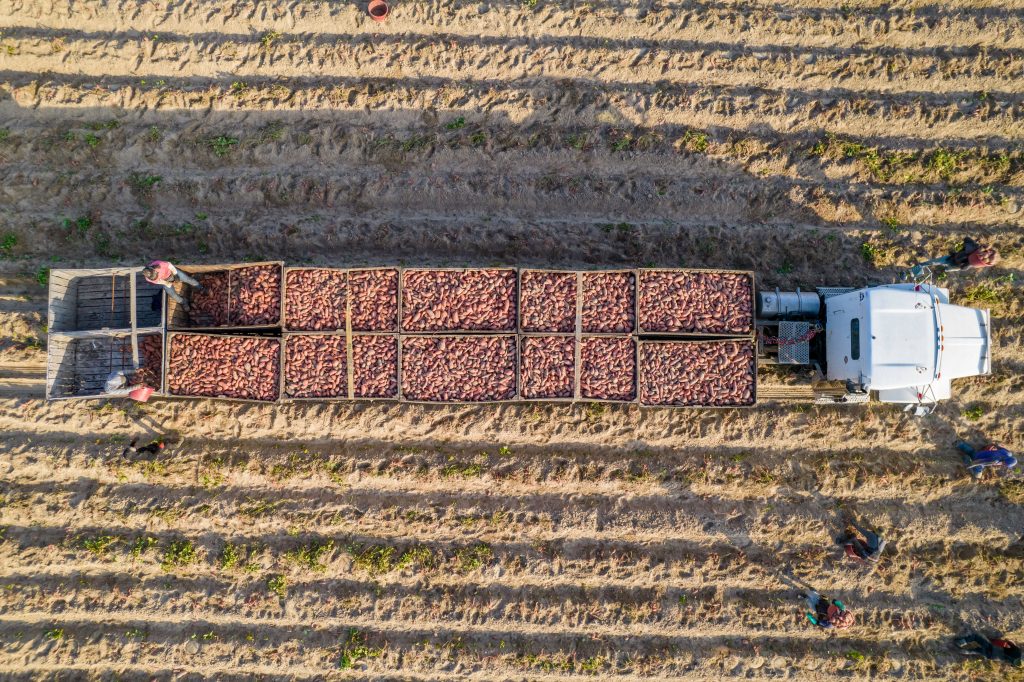
A farmer can spend months growing a crop successfully and still lose part of its value within days of harvesting it.

Why? Because harvesting is not the end of the agricultural journey.

Fruits continue to ripen. Vegetables lose moisture. Dairy products require temperature control. Produce can deteriorate during transportation, sorting or storage. When the right post-harvest infrastructure is unavailable, the value created on the farm can quickly disappear. This is where cold storage in agriculture becomes critical.

How serious are post-harvest losses in India?

India produces agricultural commodities at enormous scale, but managing them after harvest remains a major challenge. A 2022 NABCONS study commissioned by the Ministry of Food Processing Industries estimated substantial post-harvest losses across agricultural categories. The study reported losses of approximately 7.36 million MT of fruits worth ₹29,545 crore and 11.97 million MT of vegetables worth ₹27,459 crore. Losses were also recorded across cereals, pulses, oilseeds and livestock produce.

These losses make one thing clear: producing more food is only part of the challenge. India also needs to preserve more of what it already produces.

What does cold storage actually do?

Cold storage slows the biological and chemical processes responsible for deterioration. Temperature-controlled environments can reduce respiration and ripening rates in fresh produce, restrict microbial activity and help preserve characteristics such as freshness, texture and nutritional quality.

But modern cold-chain infrastructure extends beyond a refrigerated room. Depending on the commodity, the chain can include pre-cooling, sorting, grading, packing, controlled-atmosphere storage, blast freezing and refrigerated transportation.

The objective is simple: maintain suitable conditions from the point of harvest until the produce reaches its next destination.

Five ways cold storage reduces post-harvest losses

  1. Extends shelf life: Perishable produce has a limited selling window. Appropriate temperature management can extend that window, giving farmers, traders and processors more time to move produce through the supply chain.
  1. Reduces spoilage: Heat and unsuitable storage conditions accelerate microbial growth and deterioration. Cold storage creates a controlled environment that can significantly reduce these risks when appropriate protocols are followed.
  1. Preserves product quality: Post-harvest loss is not always a complete physical loss. Produce may still be saleable but fetch a lower price because its appearance, texture, or freshness has deteriorated. Cold-chain management helps preserve these quality attributes and therefore protects commercial value.
  1. Reduces pressure to sell immediately: Perishable commodities often need to be sold quickly because their quality declines rapidly. Access to appropriate storage can provide a longer marketing window. That does not guarantee better prices, but it can reduce the pressure created solely by perishability.
  1. Supports longer supply chains: India’s agricultural markets are becoming increasingly interconnected. Produce grown in one state may be consumed hundreds or thousands of kilometres away. Cold storage and refrigerated transportation make longer-distance movement of temperature-sensitive commodities more feasible.

India is expanding cold storage infrastructure

The scale of India’s cold-storage ecosystem has continued to grow. As of June 30, 2025, India had 8,815 cold storages with a combined capacity of 402.18 lakh metric tonnes, according to government data.

Government programmes are also supporting expansion and modernisation. Under the Mission for Integrated Development of Horticulture, financial assistance is available for construction, expansion and modernisation of cold storages up to specified capacities, with higher support available in certain regions.

However, simply adding capacity is not enough. India also needs the right facilities in the right production clusters, supported by pre-cooling, reefer transportation, quality management and reliable power infrastructure.

StarAgri and Scientific post-harvest management

StarAgri supports the agricultural value chain through scientific warehousing, collateral management, procurement, trade facilitation, quality testing and technology-enabled supply-chain services. Its warehousing network focuses on maintaining commodity quality through structured storage practices, quality and quantity checks, fumigation and inventory management. By connecting storage with finance, testing and trade, StarAgri helps agricultural stakeholders manage commodities more efficiently after harvest.

star agri

Cold storage is really about preserving value

The conversation around cold storage often focuses on tonnes of capacity. But the real purpose is bigger.

Every kilogram of produce saved from avoidable deterioration represents resources that do not have to be wasted: the farmer’s effort, land, water, inputs, transportation and working capital.

As agricultural production rises and consumers demand fresher, safer and better-quality food, post-harvest management and cold-chain infrastructure will become increasingly important. The goal for Indian agriculture should therefore not only be to grow more. It should also be to lose less of what we grow.

FAQs

  1. How does cold storage reduce post-harvest losses?
    Cold storage maintains suitable temperatures for agricultural produce, helping slow ripening, deterioration and microbial activity. This can extend shelf life and preserve the quality and commercial value of perishable commodities.
  1. Which agricultural products require cold storage?
    Cold storage is particularly important for perishable commodities such as fruits, vegetables, dairy products, meat, fish and certain processed foods. Storage temperature and conditions vary according to the commodity.
  1. Why is cold-chain infrastructure important for Indian agriculture?
    India continues to experience significant post-harvest losses. A government-cited NABCONS study estimated losses of 7.36 million MT of fruits and 11.97 million MT of vegetables, highlighting the importance of better post-harvest infrastructure.
  1. What is the difference between cold storage and a cold chain?
    Cold storage refers primarily to temperature-controlled storage facilities. A cold chain is broader and can include pre-cooling, refrigerated storage, processing, packaging and temperature-controlled transportation from the production point to the final market.
  1. Can better storage help farmers receive better value for their produce?
    Better storage can preserve commodity quality and reduce the pressure to sell perishable produce immediately after harvest. Companies such as StarAgri support post-harvest agricultural management through scientific warehousing, quality testing, collateral management and other integrated services.

Rising electricity bills and uncertain power supply are becoming serious concerns for farmers and agribusinesses in India. As a result, many people are now considering solar-powered warehousing as a smart, sustainable solution for storing agricultural produce, but is it truly worth the investment?

Let’s take a look at how solar energy for warehouses is changing agriculture, especially for farmers, FPOs (Farmer Producer Organizations), and agri-exporters looking for reliable, cost effective storage.

What Is Solar Powered Warehousing?

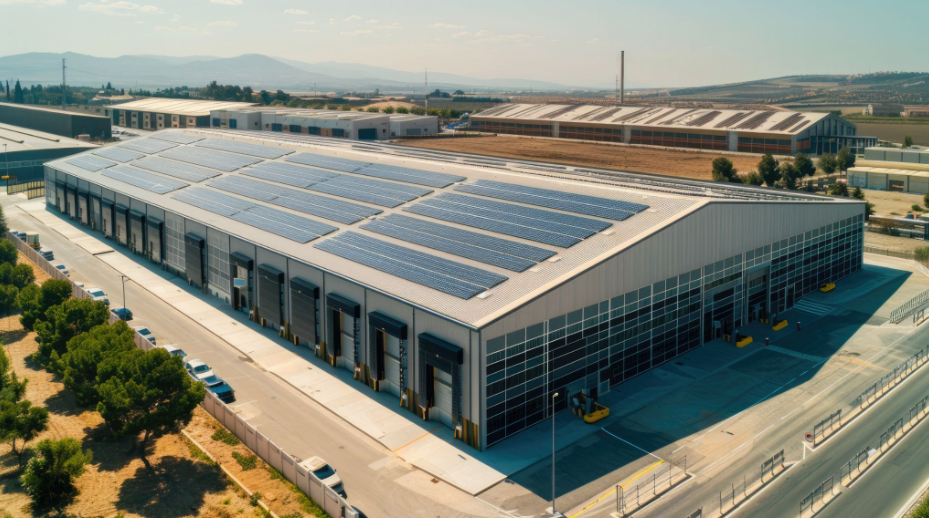
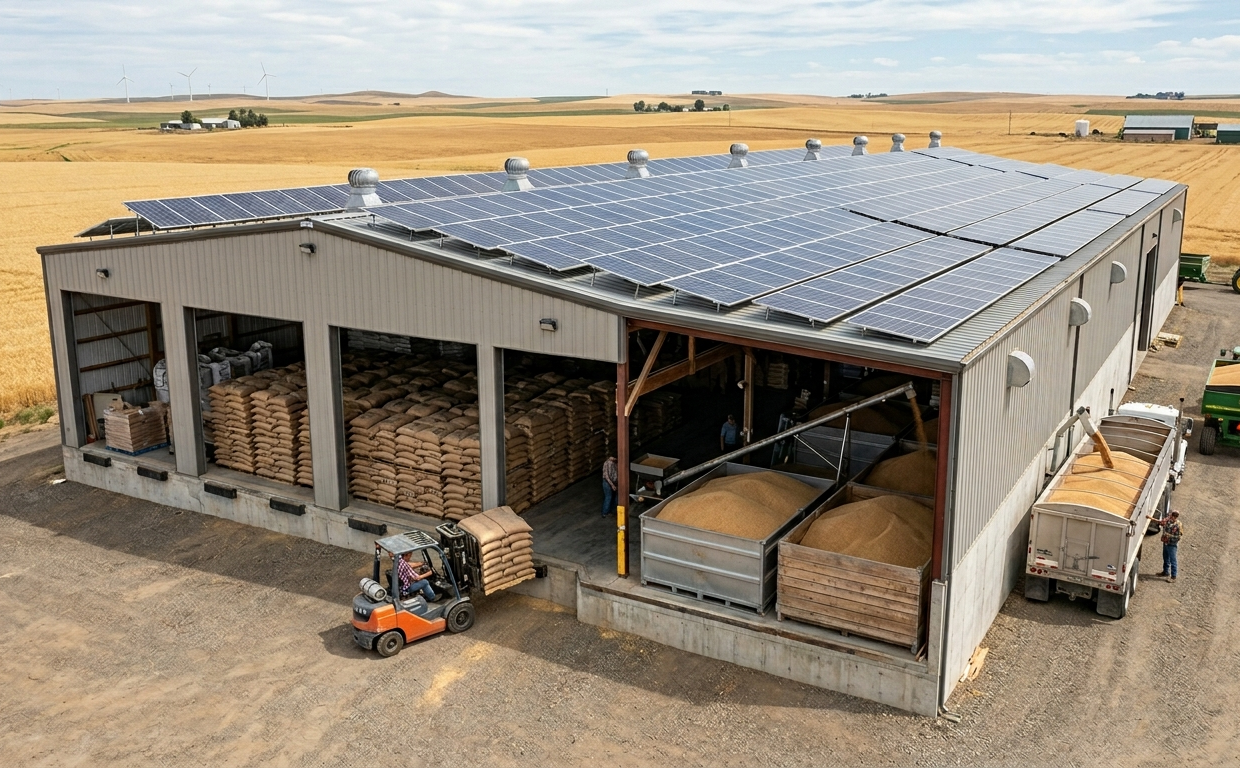
A solar-powered warehouse is a traditional storage facility that uses solar panels, inverters, batteries, and controllers to harness and store solar energy for all its operations, including lighting and ventilation, to running cold storage and grain dryers.

These warehouses use renewable energy for cold storage, grain drying, and preservation systems, which helps in reducing dependency on conventional electricity or diesel powered generators.

By converting rooftop or nearby open land into solar harvesting space, agribusinesses can turn warehouses into eco-friendly warehousing solutions, reducing costs and emissions in one go.

Why Energy Efficiency Matters in Agri Warehousing?

Agricultural storage isn’t just about walls and roofs, it’s about temperature, humidity, ventilation, and constant electricity.

Energy is critical for:

  • Operating cold storage units for perishable commodities like pulses, seeds, and oils
  • Operating an aeration system to keep grains mold free
  • Powering security and monitoring equipment

However, many rural and semi urban warehouses suffer from erratic electricity supply. Fuel-based generators are expensive and harmful to the environment.

This is why energy efficient warehousing in India is becoming essential, especially when solar power for agricultural warehouses can ensure sustainable operations with minimal operating costs.

Key Benefits of Solar-Powered Warehousing for Farmers & FPOs

Here’s how solar-powered agri warehouses directly benefit farmers, FPOs, and agri cooperatives:

Lower Operating Costs

Once installed, a solar-powered warehouse drastically reduces monthly electricity bills. The sun’s energy is free, and your savings grow every month.

Better Produce Preservation

A steady power supply ensures that favourable climate conditions are maintained in your warehouse, preventing spoilage, fungus, and loss of quality in grains and pulses.

Government Support & Subsidies

Initiatives such as PM-KUSUM and state-level solar incentives provide capital subsidies, easy loans, and tax benefits for agriculture related solar infrastructure.

Eco-Friendly Image & Carbon Credits

Adopting a green approach builds brand value for exporters and agribusinesses while also opening the door to carbon credit income.

Energy Independence

No more dependency on the grid or diesel. You can run your storage facility without interruption, even in areas with power shortages.

5 Facts and Myths about Solar

As interest in solar-powered warehouses continues to grow, so do misconceptions. Let’s bust some common myths and highlight the facts so you can make an informed decision for your agri business.

Myth Fact
1. Solar is too expensive for small farmers or FPOs. With government subsidies, loans, and reduced panel costs, solar-powered agri warehouses are more affordable than ever, even for small and medium-scale operations.
2. Solar systems don’t work in cloudy or rainy weather. Today’s solar energy systems use high-efficiency panels that still generate electricity even in low light conditions. With a battery backup, you can maintain a power supply even during monsoons.
3. Installation is complicated and time-consuming. Projects funded by Agriwise often work with reputed solar vendors who manage the entire installation in just a few weeks, minimizing disruption to warehouse operations.
4. Solar panels need constant cleaning and maintenance. Solar systems require minimal maintenance, requiring only a few cleanings and routine checks per year. Most come with a 20-25 year warranty, ensuring long-term peace of mind.
5. Solar power alone can’t run cold storage units. With the right system design, solar-powered cold storage is highly efficient. Hybrid systems with batteries or grid backup provide 24×7 climate control.

Staragri, through its subsidiary Agriwise, offers farmers, FPOs, and agribusinesses access to flexible financing solutions for solar infrastructure, so you can go green without going out of budget.

Is Solar Really a Good Investment for Small & Medium Warehouses?

Yes — and here’s why.

Let’s say you operate a warehouse with an average monthly electricity bill of ₹30,000. With a well planned solar installation, you could cut your electricity costs by 70–80%, saving ₹20,000–₹25,000 every month.

Cost of a 25 kW solar system: ~₹12–14 lakh (before subsidy)
Payback period: 4–5 years (even faster with government subsidies)

After this, your warehouse will operate with minimal energy costs for 15–20 years, improving your margins and long-term profitability.

This is why the solar warehouse investment is becoming popular among small and mid-scale agricultural storage owners as well.

Real-World Example: How Staragri Supports Sustainable Storage

At Staragri, we believe that energy efficiency is crucial for maintaining the quality of stored agricultural produce. That’s why, through our subsidiary Agriwise, we are actively supporting solar financing for agribusinesses aiming to build or upgrade solar-powered agri warehouses in India.

Our financing solutions empower farmers and agribusinesses to invest in clean, cost-saving solar energy infrastructure.

With solar-powered agri warehouses, you can:

  • Significantly reduce long term energy bills

  • Maintain 24×7 temperature control for sensitive commodities

  • Avail benefit from government subsidies and tailored financing through Agriwise

  • Store export quality produce without compromising on freshness or grade

Whether you are a small farmer group or a large-scale agri exporter, financing solar power through Staragri and Agriwise means you’re making a smart investment in your yield, profits, and the planet.

How to Get Started with Solar-Powered Warehousing

Here’s a step-by-step guide for FPOs, farmers, and agri companies:

  1. Assess Energy Needs: Understand your warehouse’s monthly power consumption.
  2. Evaluate Solar Potential: Measure available rooftop or open land space.
  3. Choose the Right System: Off-grid, on-grid, or hybrid as per your requirement.
  4. Apply for Subsidies: Use schemes like PM-KUSUM and state programs.
  5. Partner with Experts: Choose a trusted financial partner like Staragri for solar financing.

Conclusion: A Smarter Future Starts with Solar

In today’s competitive agriculture market, storing your produce safely and affordably isn’t a luxury; it’s a necessity. And a solar-powered warehouse is proving to be one of the most cost-effective, eco-friendly, and future ready ways to do it.

Whether you are a farmer, FPO, or a growing agribusiness, this is your opportunity to reduce costs, increase reliability, and future proof your operations.

Ready to invest in solar powered storage?
For many agribusinesses, shifting to solar-powered warehousing is no longer just a good idea but a practical next step. With Staragri’s warehousing expertise and financing support from Agriwise, the transition can be simpler than expected.

We’re here to guide you forward if you’re exploring solar for your storage needs.

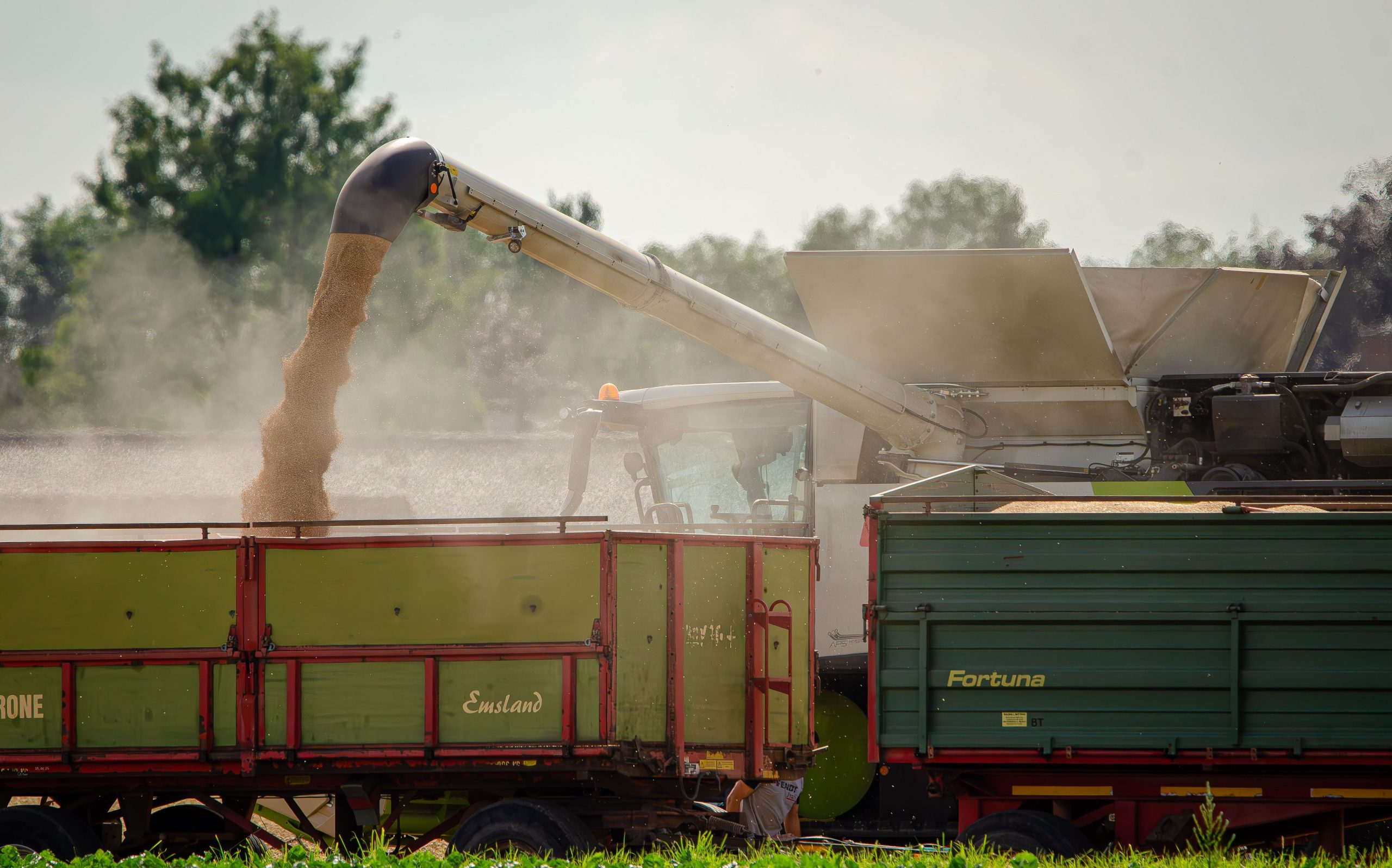
Agricultural procurement is much more than simply purchasing crops from farmers. It is a structured process that ensures agricultural produce is efficiently sourced, quality-assessed, safely stored, and delivered to processors, exporters, retailers, and manufacturers. As India’s agricultural sector continues to expand, procurement has become one of the most critical functions in ensuring food security, reducing post-harvest losses, and maintaining supply chain efficiency.

In 2025, India’s agricultural procurement industry shifted its focus toward decentralised, technology-driven purchasing and pulse self-sufficiency. Backed by record foodgrain production reaching 353.96 million tonnes, the government expanded the MSP framework and digitised the procurement process to ensure prompt farmer payouts.

What is agricultural procurement?

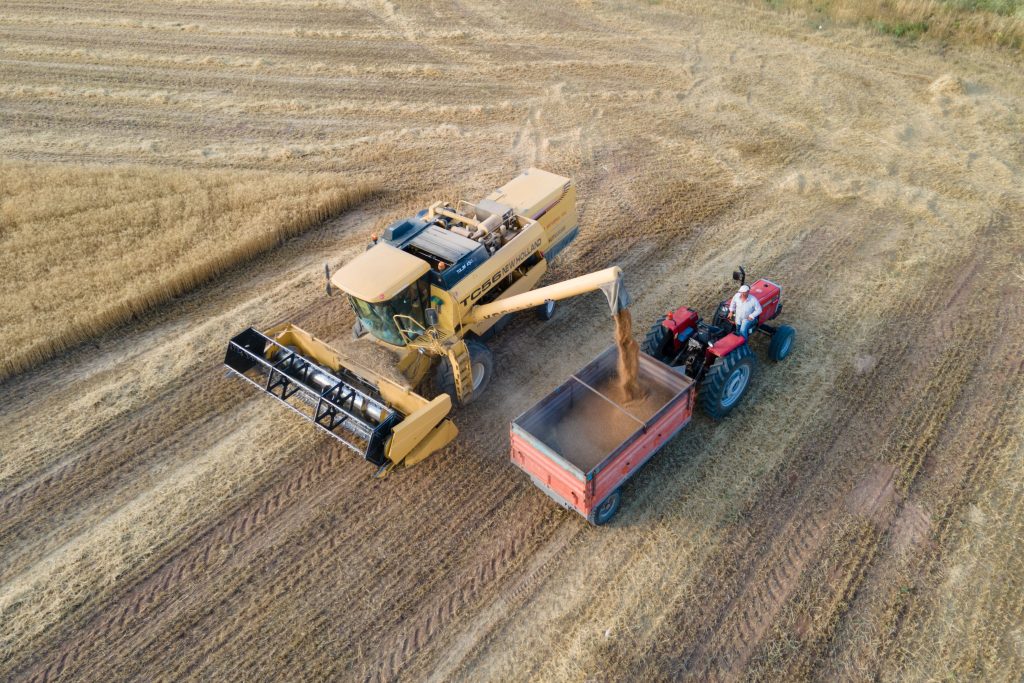
Agricultural procurement refers to the process of sourcing agricultural commodities directly from farmers, Farmer Producer Organisations (FPOs), aggregators, or mandis for further storage, processing, distribution, or export.

The objective is not only to purchase produce but also to ensure that it meets quality standards, reaches buyers on time, and maintains its value throughout the supply chain. Procurement is usually carried out by government agencies, food processing companies, exporters, commodity traders, retailers, and agribusinesses.

agri procurement

The agricultural procurement process

While procurement models may vary across organisations, the overall process generally follows these stages.

  • Supplier Identification: The procurement journey begins by identifying reliable suppliers such as farmers, FPOs, cooperatives, or aggregators capable of delivering the required quantity and quality.
  • Quality Inspection: Before procurement, commodities are inspected for moisture content, foreign matter, grain size, purity, and other quality parameters. Accurate quality assessment helps determine fair pricing while reducing disputes later.
  • Price Discovery and Procurement: Once quality is verified, pricing is finalised based on prevailing market rates, commodity grades, demand, and contractual agreements.
  • Storage and Inventory Management: After procurement, commodities are transported to scientifically managed warehouses where inventory is monitored to minimise quality deterioration and losses.
  • Logistics and Distribution: Stored commodities are dispatched to processors, exporters, retailers, or institutional buyers through organised logistics networks, ensuring timely deliveries.

Why Efficient Procurement Matters

An effective procurement system creates value for every stakeholder in the agricultural supply chain.

  • For farmers, it improves market access, ensures transparent pricing, and reduces dependence on multiple intermediaries.
  • For buyers, it guarantees consistent supply, better quality control, and improved inventory planning.
  • For the overall agricultural ecosystem, efficient procurement helps reduce post-harvest losses, improve food availability, strengthen traceability, and support more stable commodity markets.

procurement of agricultural products

Challenges in Agricultural Procurement

Despite rapid advancements, procurement continues to face several operational challenges.

  • Fragmented Supply Base: Millions of smallholder farmers make aggregation complex and time-consuming.
  • Quality Variations: Differences in moisture, grading, and storage practices often affect procurement consistency.
  • Inadequate Storage Infrastructure: Poor storage facilities can lead to spoilage and quality degradation before produce reaches buyers.
  • Price Volatility: Weather conditions, policy changes, and market fluctuations frequently impact procurement planning.
  • Limited Supply Chain Visibility: Without digital systems, tracking inventory, movement, and procurement status becomes difficult.

Best Practices for Modern Agricultural Procurement

Leading agribusinesses are transforming procurement by adopting smarter practices.

  • Establish long-term relationships with farmers and FPOs.
  • Use scientific quality assessment methods.
  • Digitise procurement workflows for better transparency.
  • Integrate warehousing with procurement planning.
  • Leverage inventory management systems for real-time visibility.
  • Optimise transportation through connected logistics networks.
  • Use data analytics to forecast procurement requirements and market demand.

How StarAgri Strengthens Agricultural Procurement

Efficient procurement depends on much more than sourcing commodities. It requires an integrated ecosystem that supports every stage of the supply chain. This is where StarAgri plays a significant role.

With one of India’s largest agri infrastructure networks, StarAgri provides end-to-end solutions spanning scientific warehousing, collateral management, quality assessment, procurement support, logistics coordination, and supply chain management. These integrated capabilities help businesses procure agricultural commodities efficiently while preserving quality and ensuring operational transparency.

Quality assessment remains central to effective procurement. Through standardised inspection and grading processes, StarAgri helps buyers make informed procurement decisions while reducing quality-related disputes. Its scientifically managed warehouses enable safe storage of agricultural commodities, minimising post-harvest losses and maintaining inventory quality.

star agri warehouse

Beyond storage, StarAgri supports businesses through digital inventory monitoring, documentation, and collateral management services, improving visibility and enabling faster access to working capital. By integrating physical infrastructure with technology, the company helps simplify procurement operations across diverse agricultural commodities.

Today, StarAgri operates an extensive nationwide network comprising more than 2,300 warehouses, with a storage capacity exceeding 30 million metric tonnes, serving stakeholders across India’s agricultural value chain. This scale enables seamless procurement, storage, and movement of commodities across multiple states while supporting farmers, processors, exporters, financial institutions, and agri-enterprises.

Conclusion

Agricultural procurement has evolved into a strategic supply chain function that directly influences quality, efficiency, and profitability across the agricultural sector. As production volumes continue to increase, businesses require procurement systems that combine infrastructure, technology, quality assurance, and operational expertise.

By adopting modern procurement practices and integrated supply chain solutions, organisations can reduce risks, improve transparency, and build more resilient agricultural value chains capable of meeting the growing demands of India’s evolving agricultural economy.

FAQs

  • What is procurement in agriculture?
    Agricultural procurement is the process of sourcing agricultural commodities from farmers, FPOs, aggregators, or markets for storage, processing, distribution, or export. It includes quality assessment, pricing, storage, logistics, and inventory management.
  • Why is agricultural procurement important?
    Efficient procurement ensures a reliable supply of quality produce, reduces post-harvest losses, improves price transparency, strengthens supply chains, and supports better market access for farmers.
  • What are the major challenges in agricultural procurement?
    Some common challenges include fragmented farmer networks, inconsistent quality, inadequate storage infrastructure, price fluctuations, logistics constraints, and limited supply chain visibility.
  • What are the best practices for agricultural procurement?
    Best practices include scientific quality assessment, digital procurement systems, integrated warehousing, real-time inventory management, strong supplier relationships, and data-driven planning.
  • How does StarAgri support agricultural procurement?
    StarAgri provides integrated procurement support through scientific warehousing, quality assessment, collateral management, logistics coordination, digital inventory management, and supply chain solutions, helping businesses procure and manage agricultural commodities more efficiently.


Agriculture in India is no longer limited to just growing crops, but it is now developing more intelligently.
Across the country, we are witnessing major changes in the way agricultural produce is bought, sold, stored, financed, and transported. This is the age of digital agri-commerce in India, where smartphones, smart warehouses, and agri-fintech platforms are replacing traditional middlemen, paperwork, and uncertainty.

From FPOs and farmers to commodity traders and agri exporters, everyone is looking at how tech-driven agri trading platforms can help them access better markets, make faster payments, and more confidence in transactions. And for businesses like Staragri, this change isn’t just exciting, it’s a mission to empower India’s agricultural value chain.

Let’s take a deeper look at how digital transformation in agriculture is redefining agri-commerce in India.

What Is Digital Agri-Commerce?

Digital agri-commerce refers to the use of technology to manage and streamline every stage of agricultural trade, from farm to market to finance.

It includes:

  • Agri trading platforms and e-Mandi systems that connect buyers and sellers online
  • Digital warehousing that provides real-time inventory updates, stock monitoring, and loan-ready documentation
  • Data analytics tools that help traders, exporters, and banks understand trends, forecast demand, and make informed decisions

In short, digital agri-commerce transforms the traditionally unorganised sector into a transparent, efficient, and scalable ecosystem.

Why Is Tech-Driven Agri Trading on the Rise?

The rapid growth of tech-enabled agricommerce in India is driven by several game changing developments:

  1. Massive Growth in Rural Connectivity

With over 350 million rural Indians now using the internet according to IAMAI, progressive farmers, FPOs, and agri entrepreneurs are actively engaging with digital platforms. Mobile apps and WhatsApp groups are replacing chalkboards and commission agents.

  1. Government-Led Reforms like eNAM

The launch of eNAM (Electronic National Agriculture Market) has accelerated the growth of digital agri trading platforms across the country. Over 1,260 mandis in 22 states have been integrated with eNAM, enabling more than 1.75 crore farmers to sell their produce directly to buyers across state boundaries, thereby increasing competition and price realisation.

  1. Boom in Agri-Tech Startups

India’s agri-tech innovations, including platforms providing blockchain in agri supply chain, IoT-enabled storage, and AI-based price prediction tools, are solving deep-rooted inefficiencies using intelligent, user-friendly interfaces.

  1. Demand for Transparency and Traceability

Buyers, especially exporters and institutional buyers want traceable, certified, and quality assured produce. Over 65% of agri exporters now prefer traceable supply chains and this is only possible through digital platforms that track the produce from source to destination.

  1. Need for Faster & Easier Credit Access

With the rise of digital warehousing and e-Warehouse Receipts, farmers and traders can now use stored goods as collateral to access financing quickly even without land ownership or traditional paperwork.

agri ecommerce

Who Benefits From Digital Agri-Commerce?

Digital agri-commerce in India benefits a wide range of stakeholders across the supply chain:

Farmers and FPOs

  • Direct access to markets and buyers, eliminating multiple intermediaries
  • Fair and real-time price discovery, increasing earnings
  • Digital records of transactions, useful for loans, insurance, and auditing
  • Reduced risk of exploitation or delayed payments

Agri Traders, Exporters, and Commodity Buyers

  • Digital tracking of stock and movement for better logistics planning
  • Quality certification and standardization, enhancing global competitiveness
  • Faster procurement cycles, and access to produce available in nationwide warehouses

Banks, NBFCs, and Agri-Fintech Lenders

  • Use of e-Warehouse Receipts as verified, digital collateral
  • Improved loan recovery and reduced NPA risk
  • Streamlined, data-driven agri lending systems

Agri Warehousing & Logistics Companies

  • Integration with digital inventory management and billing systems
  • Efficient stock rotation, quality control, and remote monitoring
  • Digitally enabled services like insurance, grading, and loan facilitation

The Role of Staragri in Empowering Digital Agri-Commerce

As a pioneer in the Indian agri value chain, Staragri has been instrumental in bridging the gap between traditional agriculture and digital transformation.

Here’s how Staragri’s digital solutions are making a real impact:

  • Smart Warehousing Infrastructure

Staragri’s digital warehouses are equipped with barcode-enabled inventory, remote monitoring, and climate monitoring systems, turning stored commodities into real-time data assets. This makes tracking, auditing, and financing easier and more reliable.

  • e-Warehouse Receipts & Collateral Management

Through its e-Warehouse Receipt system, Staragri enables farmers, traders, and FPOs to convert stored commodities into collateral-free credit. This will accelerate access to capital and promote financial inclusion in rural India.

  • Integrated Digital Supply Chain Management

From procurement to storage and financing, Staragri offers acomplete digital ecosystem. Customers can manage commodity flows, documentation, and analytics through an intuitive interface.

  • Customized Agri-Tech Solutions

Whether you are a smallholder farmer, a large trader, or a government procurement agency, Staragri’s digital platform offers scalable solutions tailored to your needs, with a strong focus on security, transparency, and traceability.

The Impact of Digital Agri-Commerce: More Than Just Convenience

The true value of tech-driven agriculture trading platforms in India lies not just in efficiency, but in empowerment.

  • 30–50% faster turnaround time for commodity transactions
  • Up to 20% better price realization for producers
  • Reduced loan processing time by 70%
  • Stronger trust and compliance in institutional procurement

In a country where agriculture supports nearly 60% of the population, these improvements are not minor — they are transformational.

The Future of Agri Trading in India Is Digital — Are You Ready?

The FAIFA Indian Agriculture Outlook project that 70% of agri trading in India will be digitized by 2030. That means businesses that fail to adapt may risk falling behind, both in competitiveness and in market access.

But for those who embrace smart agriculture platforms, the rewards will be substantial:
Faster payments
Larger customer networks
Improved margins
Data-driven decision making

Partner with Staragri to Digitize Your Agri Business

At Staragri, we believe in building India’s agri future on a foundation of trust, technology, and transparency. Our goal is to empower every link in the agri value chain — from farm gate to global trade.

Whether you’re a farmer, exporter, FPO, or agri enterprise, we’re here to help you digitize, grow, and lead with confidence.

Ready to take your agri business digital? Contact Staragri today.

Did You Know?

India’s warehousing capacity has expanded significantly over the years to support the country’s growing agricultural output. With foodgrain production reaching record levels, modern warehouses have become critical infrastructure for preserving quality, reducing post-harvest losses and enabling efficient agricultural trade.

Traditional warehouse vs. Modern warehouse

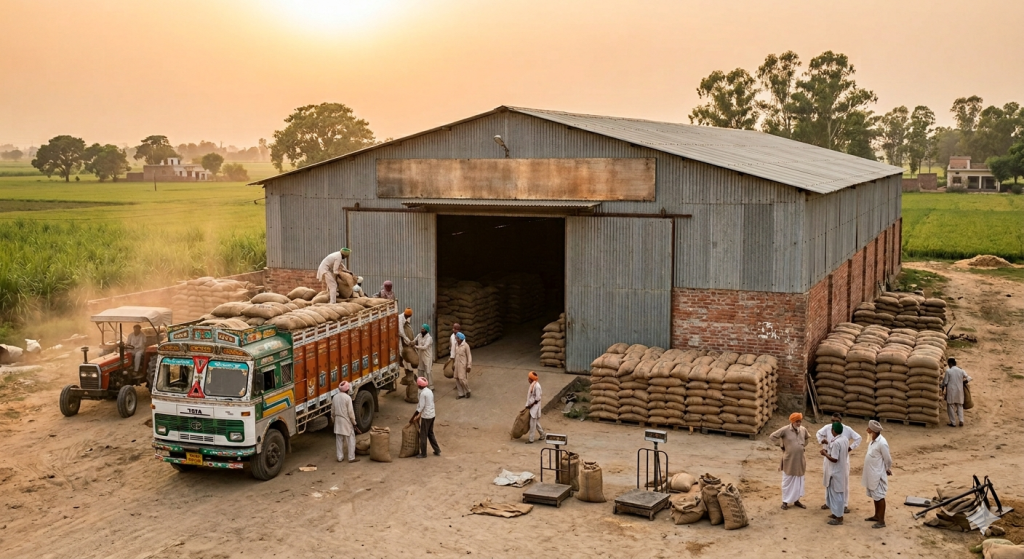
If you walked into an agricultural warehouse about 20 years ago, you would probably see rows of stacked commodity bags, handwritten registers and manual stock inspections. While these warehouses played an important role in protecting harvested crops, they largely served one purpose: storage.

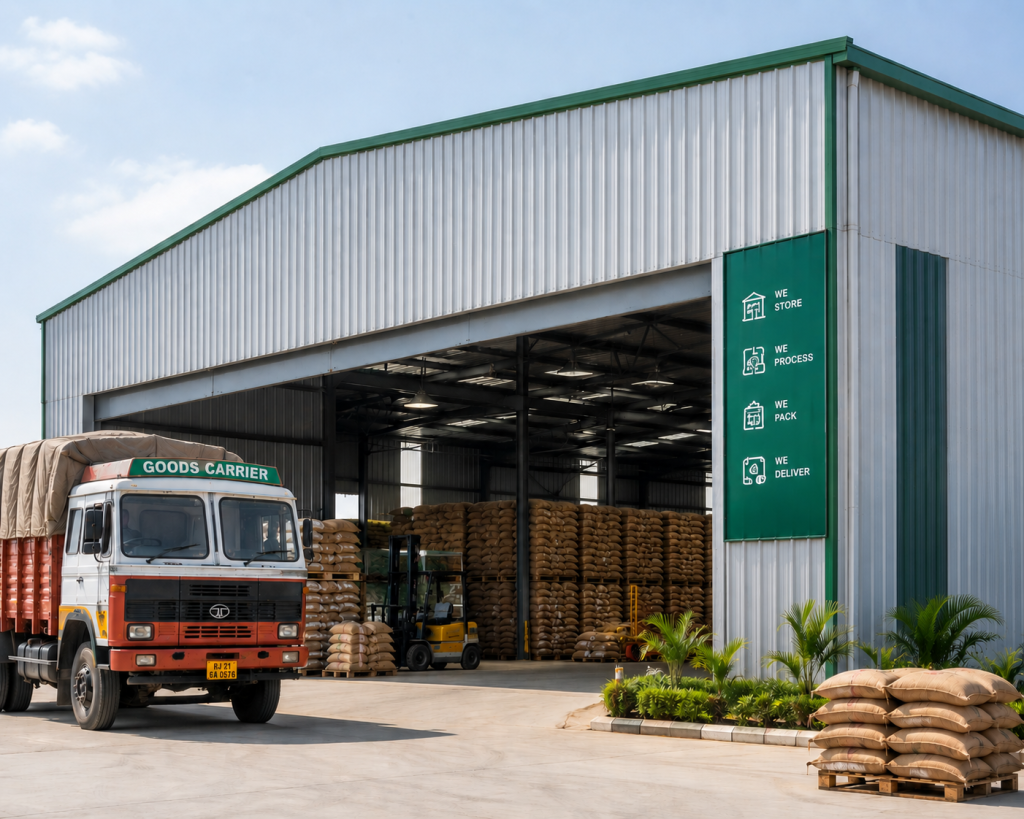
Walk into a modern warehouse today, and the picture looks very different.

Inventory is digitally tracked. Commodities are monitored through technology-enabled processes. Quality inspections are more systematic, and stakeholders can access stock information with far greater visibility than before. The warehouse has evolved from being a storage facility into an important link in India’s agricultural supply chain.

As India’s agricultural production continues to grow, preserving commodities after harvest has become just as important as producing them. Every tonne of grain protected from moisture, pests or poor handling contributes to reducing losses, improving farmer returns and strengthening food security.

agri warehouse

Why Agricultural Warehousing is Crucial

Harvest is only one part of the agricultural journey.

Once commodities leave the farm, they must be stored safely until they are sold, processed or transported. Without proper storage infrastructure, crops become vulnerable to moisture, insects, rodents, fungal contamination and quality deterioration.

According to the Food and Agriculture Organisation (FAO), a significant share of global food losses occurs during post-harvest handling and storage, highlighting the importance of investing in better warehousing infrastructure.

Scientific warehousing not only protects commodity quality but also supports market stability by allowing farmers and traders to store produce until market conditions become favourable.

Types of Agricultural Warehouses in India

India’s warehousing ecosystem is diverse, with different storage facilities designed to meet different agricultural needs.

  • General Warehouses: These are among the most common warehouses used for storing grains, pulses, oilseeds and other dry agricultural commodities. They provide basic protection against weather and pests and are widely used by traders, processors and procurement agencies.
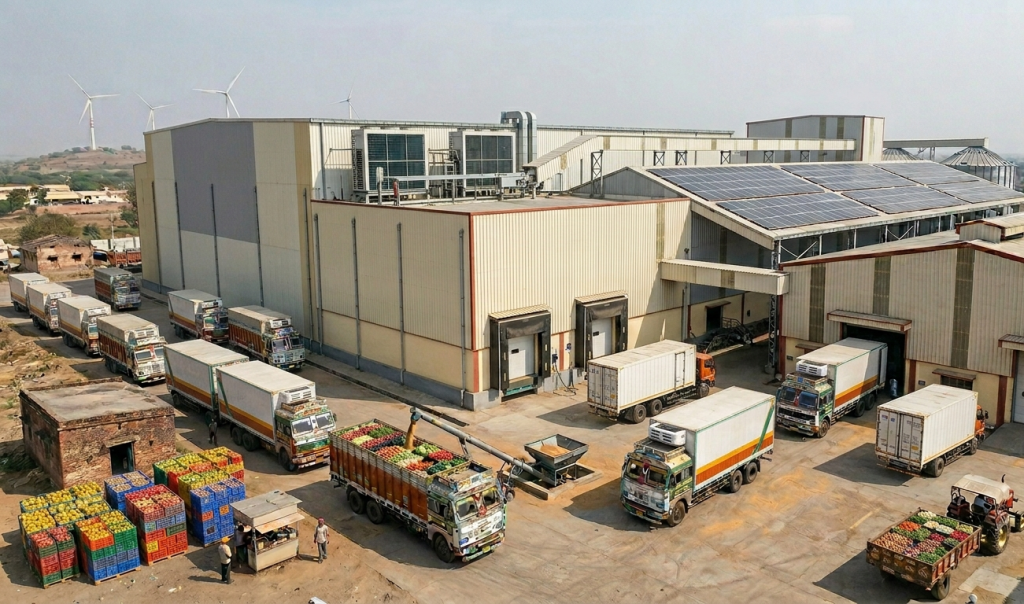
  • Cold Storage Warehouses: Cold storage facilities are designed for perishable commodities such as fruits, vegetables, dairy products and certain seeds. By maintaining controlled temperatures, these warehouses help extend shelf life while preserving quality.
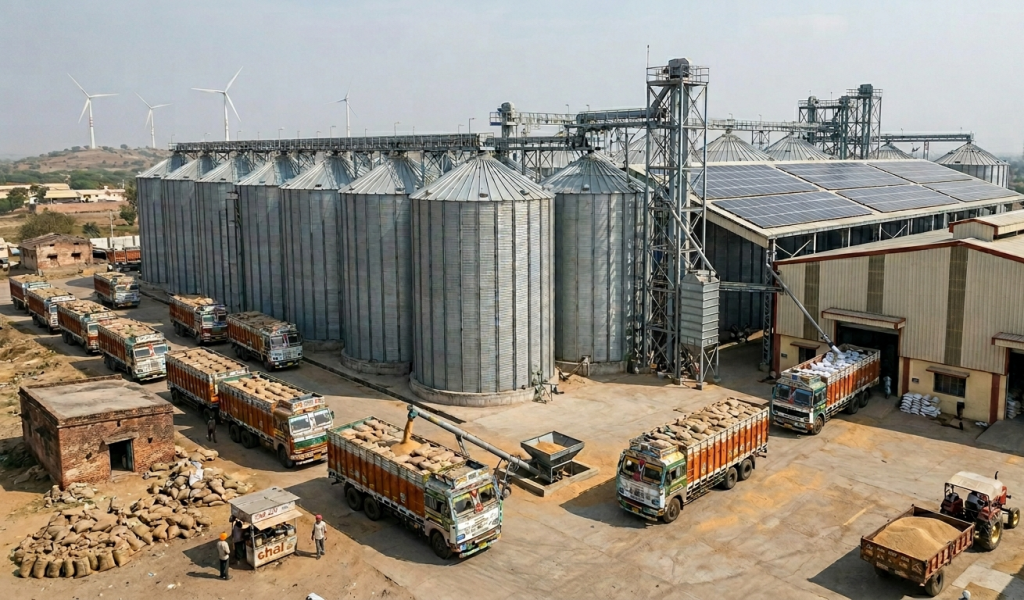
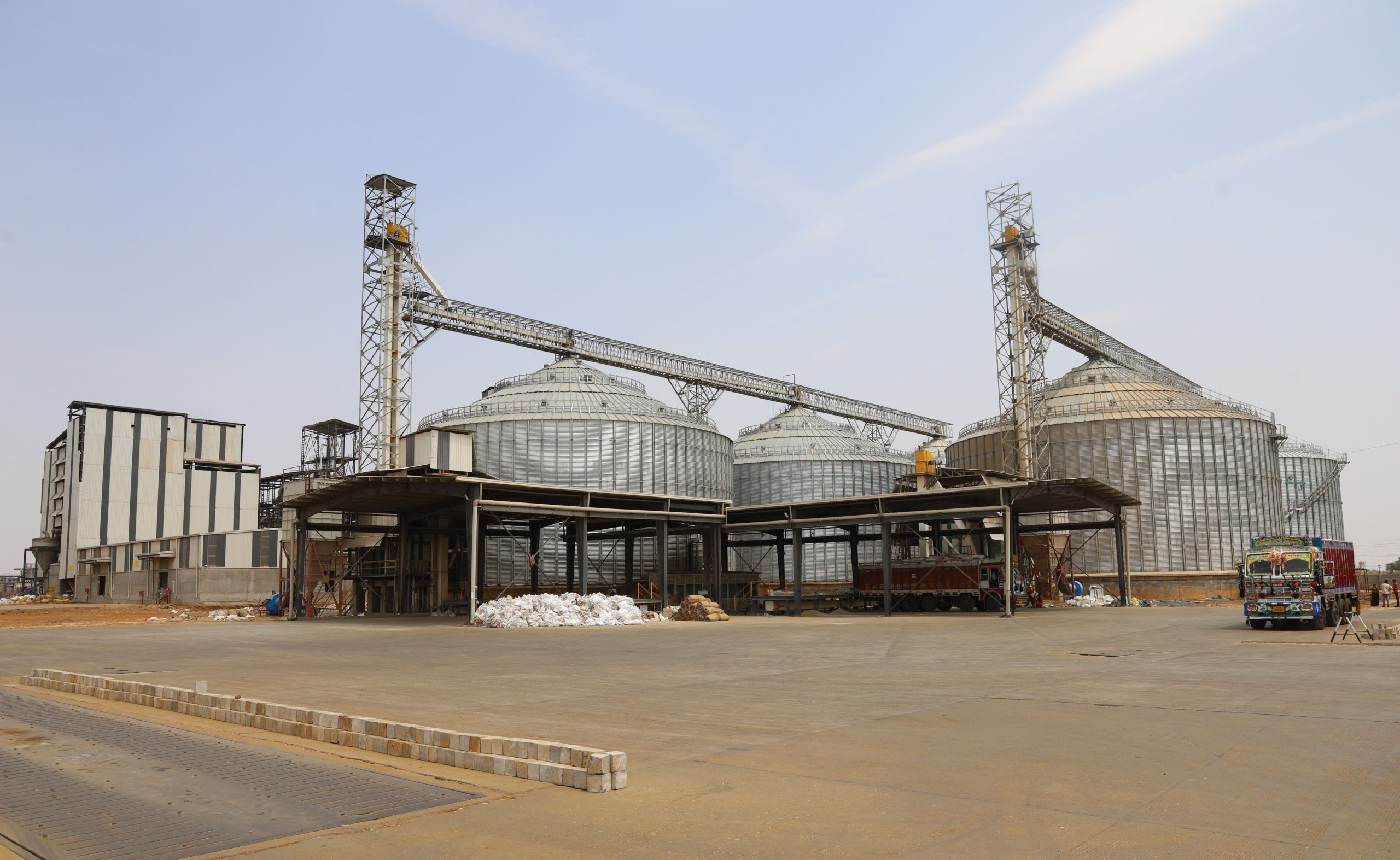
  • Silo Storage: Steel silos are increasingly becoming a preferred storage solution for bulk grains. Unlike traditional bag storage, silos use mechanised handling systems that improve inventory management, reduce handling losses and minimise contamination.

silo storage

  • Open Storage (CAP Storage): Covered and Plinth (CAP) storage is commonly used when additional storage capacity is required during peak procurement seasons. Although economical and quick to establish, it is generally intended as a temporary storage solution and requires careful management to protect commodities from weather-related risks.
  • Private Scientific Warehouses: These warehouses follow structured operating procedures for commodity handling, quality assessment and inventory management. Many are integrated with financing and collateral management services, making them an important part of India’s agricultural value chain.

How Technology is Transforming Agricultural Warehousing

Modern warehouses are becoming smarter through the adoption of digital technologies. Instead of relying solely on manual processes, warehouse operators are increasingly using digital systems to improve efficiency, transparency and risk management.

Some of the key technological advancements include:

  • Digital inventory management
  • Barcode and QR-based stock tracking
  • IoT-enabled environmental monitoring
  • Digital documentation
  • Real-time stock visibility
  • Data-driven warehouse operations

These technologies not only improve operational efficiency but also build greater confidence among farmers, traders, banks and commodity owners.

StarAgri’s Approach to Scientific Warehousing

One example of this evolution is StarAgri, which has built an integrated warehousing ecosystem of over 2,300 warehouses across 380 locations, which combines scientific storage practices with technology-enabled operations in 19 Indian states.

Its warehousing processes extend beyond storage to include warehouse surveys, quality inspections, digital documentation, inventory monitoring and collateral management. This integrated approach helps improve transparency, preserve commodity quality and support financing across the agricultural supply chain.

By combining operational expertise with technology, StarAgri contributes to creating warehousing infrastructure that supports farmers, financial institutions and agribusinesses alike.

star agri warehouse

Warehouses are a place of Trust

A warehouse may mark the end of a harvest, but it’s often the beginning of a commodity’s commercial journey. From preserving quality and enabling financing to supporting seamless movement across the supply chain, modern warehousing plays a far greater role than simply providing storage.

At StarAgri, this philosophy is reflected in a technology-enabled approach to scientific warehousing that focuses on transparency, efficiency and operational excellence. As the agricultural landscape continues to evolve, the company remains committed to building storage solutions that help safeguard not just commodities, but the confidence and opportunities they represent.

FAQs

  • What are the different types of agricultural warehouses in India?
    General warehouses, cold storage facilities, silo storage, CAP storage and private scientific warehouses are among the major types used across India.
  • Why is scientific warehousing important?
    Scientific warehousing helps preserve commodity quality, minimise post-harvest losses and improve inventory management.
  • How is technology improving agricultural warehouses?
    Technology enables digital inventory management, real-time monitoring, quality tracking and greater operational transparency.
  • What commodities are commonly stored in agricultural warehouses?
    Grains, pulses, oilseeds, spices, cotton and other agricultural commodities are commonly stored depending on warehouse type.
  • How does StarAgri support agricultural warehousing?
    StarAgri combines scientific warehousing practices with technology-enabled operations, including quality inspection, inventory monitoring, digital documentation and collateral management.


In farming, what happens after the harvest is just as critical as the hard work in the field. Across India, countless farmers lose a large portion of their produce due to poor postharvest storage practices. Proper storage of grains is essential to prevent these losses, and the solution already exists: scientific grain storage.

Imagine a system where grains are protected from pests, moisture, temperature fluctuations, and microbial damage, where each bag collected means more money in the farmer’s pocket and more security every season. That’s the promise of scientific grain storage, a modern lifeline for India’s grain economy.

What Is Scientific Grain Storage?

Scientific grain storage refers to the use of modern, scientifically proven methods for the storage of grains to preserve grain quality, increase shelf life, and minimize losses. Unlike traditional methods, where grains are often stored in open or semi-covered spaces, scientific storage involves a controlled environment that maintains optimum temperature, humidity, and hygiene.

It’s not just about keeping the grains dry. It is about protecting the entire postharvest grain management process from damage caused by insects, rodents, fungi, and moisture.

Why Traditional Storage Isn’t Enough Anymore?

Traditional methods for the storage of grains, such as storing grains in gunny bags or mud godowns, are unable to meet today’s challenges. According to government reports, India loses up to 10-15% of its total grain production due to inadequate storage practices.

These losses are mostly caused by:

  • Insect infestations
  • Rodent attacks
  • Fungus and microbial growth
  • Moisture seepage and spoilage

Due to changing climate conditions and erratic rainfall, grain losses in storage are increasing. This is why moving from traditional to scientific storage is no longer a luxury, it has become a necessity.

Benefits of Scientific Grain Storage for Farmers

Here’s why scientific storage is important for farmers and FPOs:

  1. Reduces Post-harvest Losses

Proper fumigation, aeration, and sealing significantly reduce the risk of grain spoilage.

  1. Preserves Grain Quality

Scientific storage ensures the grains retain their weight, colour, texture, and market value over time.

  1. Increases Shelf Life

With grain preservation protocols, grains can be safely stored for several months without any degradation.

  1. Enables Better Price Realization

Farmers can hold stocks and sell when market prices are favourable, thereby empowering them economically.

  1. Prepares Grains for Export Markets

Maintaining quality and hygiene is essential for agricultural exports, and scientific storage ensures compliance.

Types of Scientific Storage Solutions Available Today

Let’s look at some of the modern grain storage methods widely adopted across India:

  • Steel Silos: Airtight, temperature controlled structures are ideal for bulk storage.
  • PEB Warehouses: Pre-engineered buildings with ventilation, insulation, and scientific infrastructure.
  • Godowns with Fumigation Chambers: Essential for pest and microbial control.
  • IoT-Enabled Warehouses: Use real-time sensors to monitor humidity, temperature, and storage conditions.

These setups ensure safe grain storage for farmers and minimise human error, thereby increasing operational efficiency.

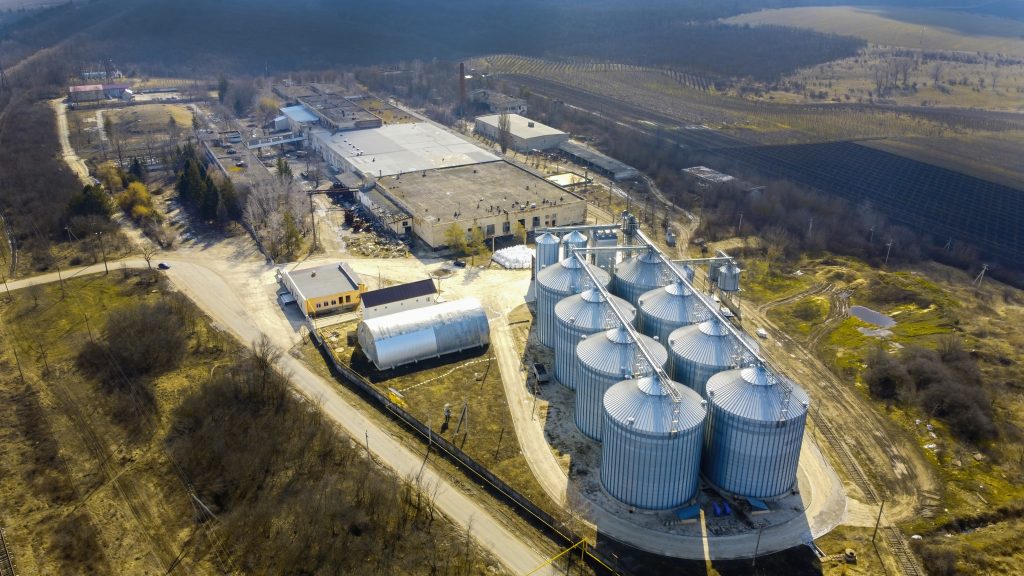
grain silos

How Scientific Storage Empowers FPOs and Agri Exporters

Scientific grain storage for Farmer Producer Organizations (FPOs) and agri exporters enables:

  • Bulk storage of graded, quality produce
  • Standardization in grain quality
  • Easier sorting, packaging, and certification
  • Access to organized markets and institutional buyers
  • Reduced rejection in export consignments

Whether for domestic grain supply or agricultural commodity exports, the value of modern, secure storage infrastructure cannot be overstated.

The Future of Grain Storage in India

India is increasingly realising the vital role of grain storage infrastructure. With government support through schemes like NABARD warehouse subsidy, and increased private investment in agri warehousing solutions, the sector is undergoing a quiet revolution.

In a climate-affected world, temperature-controlled grain storage will play a vital role in food security, efficient storage of grains, and farmers’ income stability.

StarAgri: Powering India’s Scientific Grain Storage Revolution

If you’re looking for a reliable partner for scientific grain storage, look no further than StarAgri.

With over two decades of experience, StarAgri offers integrated, tech-enabled storage solutions that meet the evolving needs of India’s agricultural ecosystem. StarAgri operates a pan-India network of 2,189 warehouses in 379 locations across 19 states, with a total storage capacity of 5.01 million metric tons.

The professional-grade warehouses and advanced grain silos are built to preserve the quality and longevity of agricultural produce. Whether you’re a farmer, FPO, trader, miller, or agri exporter, the facilities are designed to offer secure, scalable, and scientifically backed storage infrastructure.

From quality testing, grading, and fumigation to moisture control and pest prevention, every step is managed with precision to ensure your grain is protected and market-ready. What truly sets StarAgri apart is the combination of scale, science, and service. 

Conclusion

Scientific grain storage is now essential for protecting harvests, increasing profitability, and fostering long-term agricultural resilience. Modern storage of grains practices give farmers, FPOs, and agribusinesses more control over their produce and revenues by reducing post-harvest losses, preserving quality, and opening up new market opportunities.

Adopting scientific storage is a step towards a safer, sustainable, and fulfilling future, regardless of your level of experience as a smallholder farmer or a major agri-exporter.

Ready to secure your harvest with confidence?
Connect with StarAgri, India’s leading expert in agri warehousing and post harvest grain preservation.

FAQs

1. What is scientific grain storage?
Scientific grain storage employs modern methods that protect grain from moisture, pests, rodents, and spoilage while maintaining its quality and shelf life.

2. How does scientific storage benefit farmers?
It helps reduce post-harvest losses, preserves grain quality, and allows farmers to store produce longer and sell when market prices are more favourable.

3. What types of grains can be stored scientifically?
Most agricultural commodities, including wheat, rice, maize, pulses, and oilseeds, can be safely stored using scientific storage methods.

4. What are grain silos?
Grain silos are modern storage structures designed to store large quantities of grain in controlled conditions, protecting them from damage and quality loss.

5. Why is scientific storage important?
It minimises grain wastage, improves food security, and helps farmers and agribusinesses maximise the value of their harvest.

When people talk about agricultural revolutions, the focus usually begins at the farm.

Better seeds. Smarter irrigation. Precision farming. AI-powered crop advisory. Higher yields.

But what if the next breakthrough in Indian agriculture doesn’t happen before harvest at all? What if it happens after it?

While India has significantly improved agricultural production over the years, the real challenge often begins once the crop leaves the farm.

Storage gaps, fragmented logistics, quality losses, financing delays, inefficient movement, and poor market visibility continue to impact the agricultural ecosystem long after harvesting is complete. And in many ways, this is where the next phase of agricultural transformation may quietly be taking shape.

India produces at scale. But efficiency still remains the bigger challenge.

India’s agricultural output continues to grow rapidly. The country recorded foodgrain production of nearly 357 million tonnes in 2024–25, one of the highest levels ever achieved. But production alone does not guarantee efficiency.

A large part of India’s agricultural value chain still operates through fragmented post-harvest systems. Commodities often move across disconnected networks involving storage, transport, financing, procurement, quality assessment, and trading.

This creates several challenges:

  • delayed market access,
  • inventory losses,
  • inconsistent quality visibility,
  • financing inefficiencies,
  • and unpredictable supply-chain movement.

In fact, post-harvest inefficiencies continue to remain one of the biggest structural gaps in Indian agriculture. And as agricultural volumes continue increasing, the need for intelligent post-harvest infrastructure is becoming far more urgent.

Post harvest warehouse

Agriculture is becoming a supply-chain intelligence business

Traditionally, agriculture focused heavily on production. Today, the conversation is expanding toward visibility.

Can inventory be tracked in real time?
Can supply disruptions be predicted earlier?
Can commodity movement become faster and more transparent?
Can financing be linked more efficiently with storage and trade?

These questions are slowly reshaping the industry.

Modern agriculture is no longer functioning only through physical movement of commodities. It is increasingly functioning through movement of data and intelligence. This is where technologies like:

  • AI,
  • warehouse digitisation,
  • satellite intelligence,
  • predictive analytics,
  • and integrated logistics systems

are beginning to play a much larger role.

Globally, AI-led supply-chain infrastructure and smart logistics systems are becoming key focus areas across food and agricultural ecosystems.

The future of agriculture may depend on what happens between harvest and market

Think about how many stages exist after harvesting:

  • storage,
  • quality assessment,
  • collateral management,
  • financing,
  • transportation,
  • trading,
  • and procurement.

Each stage influences pricing, working capital, market timing, and profitability. Yet historically, these systems have often functioned independently. That is now beginning to change.

The agricultural industry is slowly moving toward integrated ecosystems where warehousing, logistics, financing, and digital trade are becoming interconnected.

And this integration matters because agriculture today requires speed, transparency, and predictability. For example:

  • Real-time inventory visibility can support faster financing.
  • Integrated logistics can reduce movement inefficiencies.
  • Digitised warehouses can improve traceability.
  • AI-driven monitoring can help reduce storage risks.
  • Connected trade ecosystems can improve procurement planning.

In many ways, the future of agriculture may depend less on isolated infrastructure and more on how intelligently these systems work together.

post harvest

Why integrated agritech ecosystems are becoming important

This shift is creating a new role for agritech companies.

The industry is no longer looking only for storage providers, logistics players, or trading platforms independently. Increasingly, agriculture requires connected ecosystems that bring multiple capabilities together.

This is where integrated agritech models are becoming more relevant.

Companies like StarAgri are participating in this transition by building interconnected post-harvest ecosystems that combine:

  • warehousing,
  • collateral management,
  • quality assessment,
  • financing,
  • logistics,
  • digital commerce,
  • and AI-led agricultural intelligence.

Today, StarAgri operates across 2,200+ warehouses with nearly 5 million metric tonnes of storage capacity spread across 380+ locations in 19 states. Its broader ecosystem also includes:

This kind of integration is becoming increasingly important because agriculture’s biggest bottlenecks are rarely isolated anymore. They are interconnected.

The next agri revolution could be built after harvest

For years, agriculture measured progress mainly through production. But the next decade may measure progress differently.

How efficiently can crops move through the supply chain?
How intelligently can inventory be managed?
How quickly can financing reach the ecosystem?
How much visibility exists after harvest?

Those questions may define the future of agriculture more than ever before. Because the next agricultural revolution may not necessarily come from growing more

It may come from losing less, moving smarter, financing faster, and connecting the entire agricultural ecosystem more intelligently after harvest. And as integrated agritech ecosystems continue evolving, post-harvest infrastructure may finally become one of the most important growth engines in Indian agriculture.

FAQs

  • What are post-harvest challenges in agriculture?
    Post-harvest challenges include storage inefficiencies, logistics gaps, financing delays, inventory losses, and fragmented supply-chain systems.
  • Why is post-harvest infrastructure important?
    Strong post-harvest infrastructure helps improve commodity movement, reduce losses, strengthen financing access, and improve market efficiency.
  • How is technology improving agricultural supply chains?
    Technologies like AI, warehouse digitisation, satellite intelligence, and predictive analytics are improving visibility and operational efficiency across supply chains.
  • What is an integrated agritech ecosystem?
    An integrated agritech ecosystem connects storage, finance, logistics, digital trade, and intelligence systems into one connected agricultural network.
  • How does StarAgri support post-harvest agriculture?
    StarAgri supports agriculture through warehousing, collateral management, logistics, financing ecosystems, and digital agri intelligence platforms.


India’s agricultural sector faces a paradox: record production on one hand, and significant post-harvest losses on the other. According to multiple industry estimates, inadequate storage and cold-chain infrastructure continue to result in substantial annual economic losses. As climate pressures intensify and energy costs rise, solar-powered agriculture warehousing is emerging as a transformative solution, combining sustainability with efficiency.

The Growing Need for Modern Warehousing

India’s cold storage ecosystem, while expanding, still struggles with capacity gaps and outdated infrastructure. The sector is capital-intensive and often requires long gestation periods, with break-even timelines extending beyond five years. At the same time, renewable energy adoption is accelerating rapidly. According to IRENA 2026, India ranks 3rd globally in renewable energy capacity, with solar energy witnessing particularly strong growth.

This intersection of energy transition and post-harvest management is creating a compelling case for solar-powered warehousing.

Why Solar-Powered Warehousing Matters

Traditional warehouses and cold storage facilities rely heavily on grid electricity or diesel generators, leading to high operational costs and carbon emissions. Solar-powered systems address both challenges:

  • Reduced energy costs: Solar energy lowers long-term operating expenses, especially in energy-intensive cold storage facilities.
  • Improved shelf life: Consistent temperature control ensures reduced spoilage of perishables.
  • Decentralised infrastructure: Solar-powered units can be deployed closer to farm-gate locations.
  • Sustainability compliance: Increasingly important for export markets and ESG-driven financing.

For perishable commodities like fruits, vegetables, and dairy, even minor improvements in storage conditions can significantly enhance shelf life and market realisation.

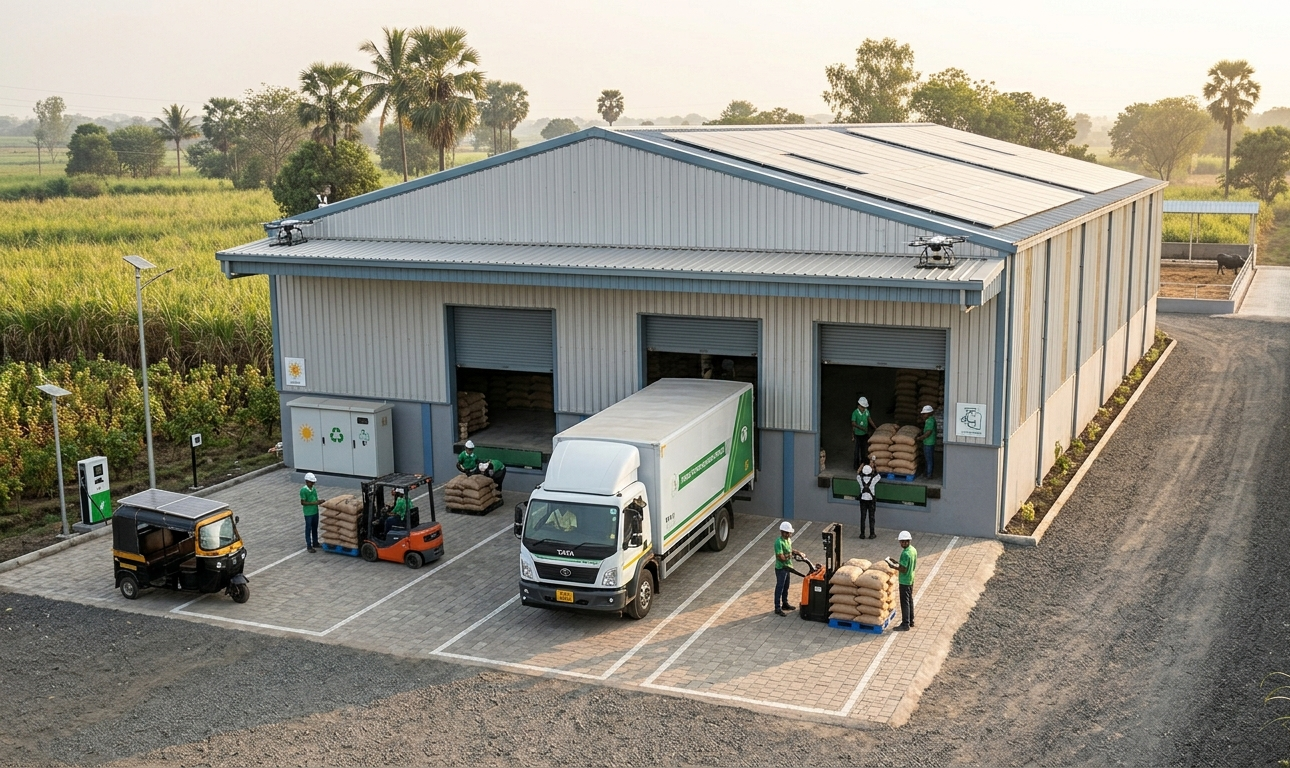
farm solar panels

StarAgri’s Role in Building Smart Warehousing

StarAgri has pioneered the modernising India’s agricultural infrastructure. With a network of over 2,200 warehouses across 19 Indian states at 380+ locations and a storage capacity exceeding 5 MMT, the company plays a critical role in bridging post-harvest gaps. StarAgri’s approach goes beyond traditional warehousing:

  • Integrated warehousing solutions with quality testing and collateral management
  • Cold storage infrastructure supporting perishable commodities
  • Technology-enabled monitoring for inventory and quality
  • Financing integration through its NBFC arm, enabling warehouse receipt financing

By integrating renewable energy into these systems, StarAgri can further enhance efficiency and sustainability across its network.

Solar + Warehousing: A Strategic Advantage

The adoption of solar-powered systems in warehouses enables a dual-value proposition:

  1. Operational efficiency: Lower energy costs directly improve warehouse profitability
  2. Farmer benefit: Reduced storage costs and better price realisation

Additionally, solar-powered agriculture cold storages can operate reliably even in regions with inconsistent grid supply, making them particularly valuable in rural India.

Policy Support Driving Adoption

Government initiatives are also accelerating the shift toward modern infrastructure:

  • The Agriculture Infrastructure Fund (AIF) has sanctioned over ₹56,000 crore for projects, mobilising nearly ₹92,000 crore in investments and generating large-scale rural employment.
  • Subsidies under schemes like PM Kisan Sampada Yojana support cold-chain development

Such policy backing creates a strong foundation for integrating renewable energy into agri-infrastructure.

solar powered agriculture

The Road Ahead

As India moves toward a more resilient agricultural ecosystem, solar-powered agriculture warehousing is strategic. It aligns with three critical priorities:

  • Reducing post-harvest losses
  • Enhancing farmer incomes
  • Supporting India’s renewable energy goals

For StarAgri, this presents an opportunity to lead the next phase of agri-infrastructure transformation where technology, sustainability, and finance converge.

FAQs

  • What is solar-powered agriculture warehousing?
    Solar-powered warehousing integrates renewable energy systems with storage infrastructure to reduce energy costs and improve efficiency, especially in cold storage operations.
  • How does solar energy enhance the shelf life of agricultural commodities?
    It ensures consistent temperature control, reducing spoilage and preserving the quality of perishable goods like fruits, vegetables, and dairy.
  • Why is solar warehousing important for India’s agri sector?
    It addresses high energy costs, reduces post-harvest losses, and supports sustainable farming and supply chain practices.
  • What role does StarAgri play in this space?
    StarAgri provides integrated warehousing, cold storage, and collateral management solutions, and is well-positioned to adopt solar-powered infrastructure at scale.
  • What are the long-term benefits of solar-powered warehousing?
    Lower operational costs, improved farmer realization, reduced carbon footprint, and alignment with ESG and export requirements.