Tag Archives: post harvest

When people talk about agricultural revolutions, the focus usually begins at the farm.

Better seeds. Smarter irrigation. Precision farming. AI-powered crop advisory. Higher yields.

But what if the next breakthrough in Indian agriculture doesn’t happen before harvest at all? What if it happens after it?

While India has significantly improved agricultural production over the years, the real challenge often begins once the crop leaves the farm.

Storage gaps, fragmented logistics, quality losses, financing delays, inefficient movement, and poor market visibility continue to impact the agricultural ecosystem long after harvesting is complete. And in many ways, this is where the next phase of agricultural transformation may quietly be taking shape.

India produces at scale. But efficiency still remains the bigger challenge.

India’s agricultural output continues to grow rapidly. The country recorded foodgrain production of nearly 357 million tonnes in 2024–25, one of the highest levels ever achieved. But production alone does not guarantee efficiency.

A large part of India’s agricultural value chain still operates through fragmented post-harvest systems. Commodities often move across disconnected networks involving storage, transport, financing, procurement, quality assessment, and trading.

This creates several challenges:

  • delayed market access,
  • inventory losses,
  • inconsistent quality visibility,
  • financing inefficiencies,
  • and unpredictable supply-chain movement.

In fact, post-harvest inefficiencies continue to remain one of the biggest structural gaps in Indian agriculture. And as agricultural volumes continue increasing, the need for intelligent post-harvest infrastructure is becoming far more urgent.

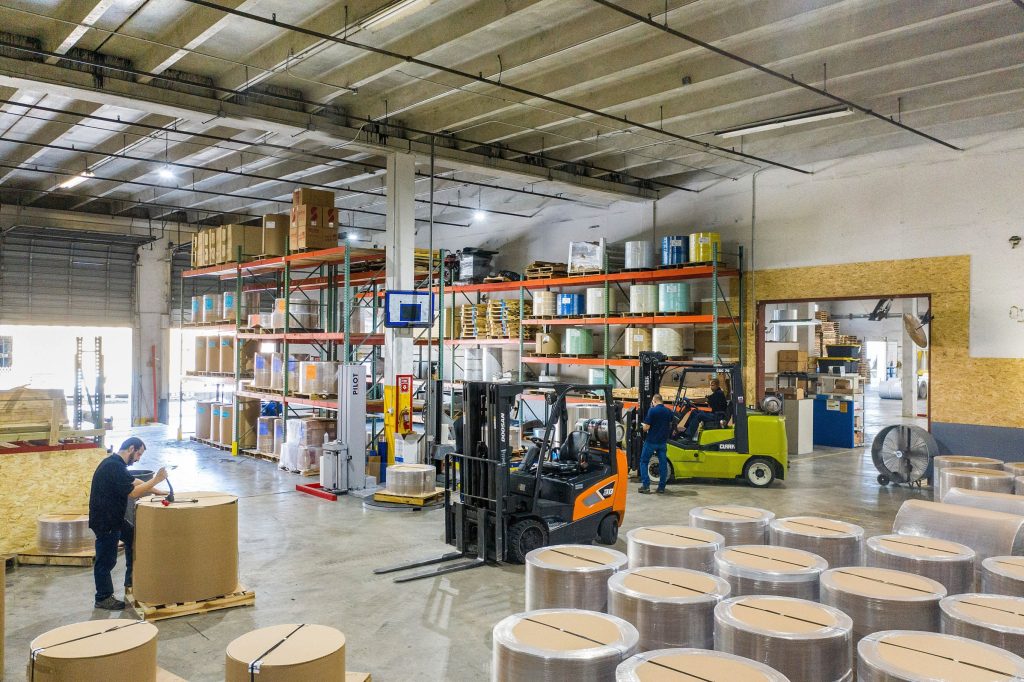
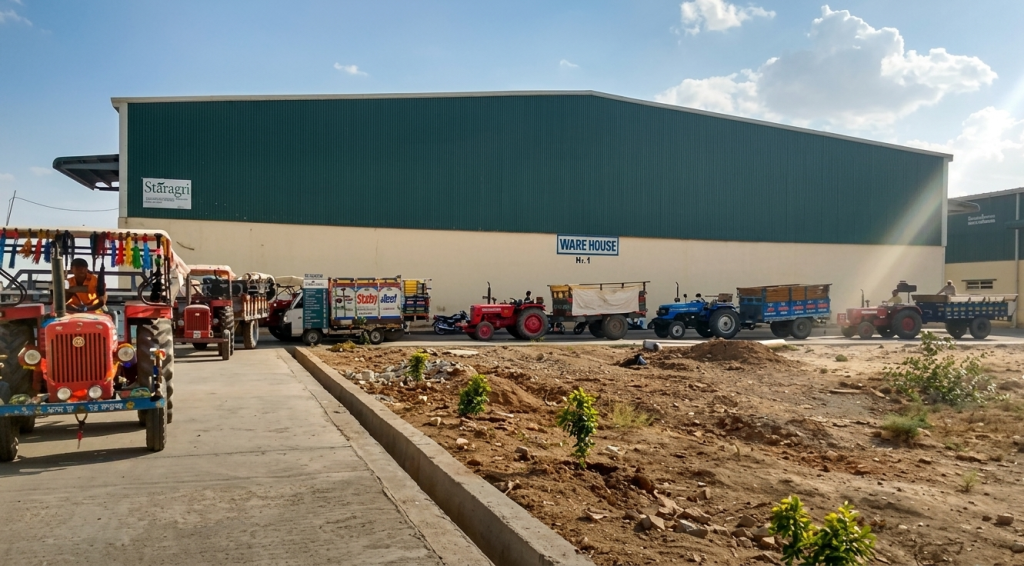
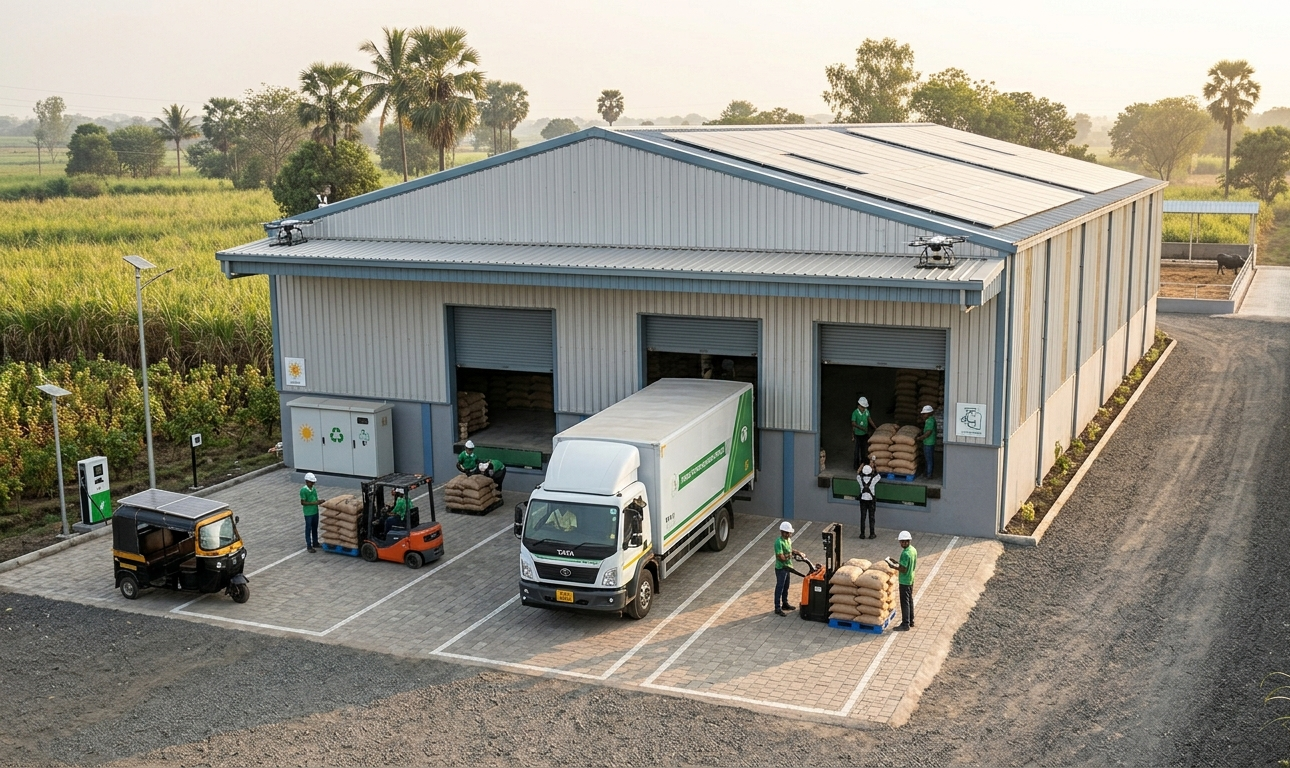
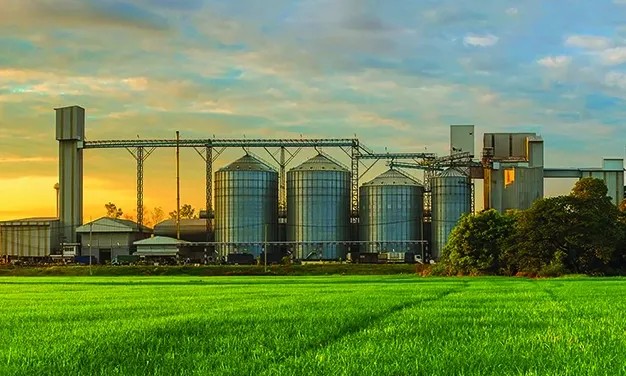
Post harvest warehouse

Agriculture is becoming a supply-chain intelligence business

Traditionally, agriculture focused heavily on production. Today, the conversation is expanding toward visibility.

Can inventory be tracked in real time?
Can supply disruptions be predicted earlier?
Can commodity movement become faster and more transparent?
Can financing be linked more efficiently with storage and trade?

These questions are slowly reshaping the industry.

Modern agriculture is no longer functioning only through physical movement of commodities. It is increasingly functioning through movement of data and intelligence. This is where technologies like:

  • AI,
  • warehouse digitisation,
  • satellite intelligence,
  • predictive analytics,
  • and integrated logistics systems

are beginning to play a much larger role.

Globally, AI-led supply-chain infrastructure and smart logistics systems are becoming key focus areas across food and agricultural ecosystems.

The future of agriculture may depend on what happens between harvest and market

Think about how many stages exist after harvesting:

  • storage,
  • quality assessment,
  • collateral management,
  • financing,
  • transportation,
  • trading,
  • and procurement.

Each stage influences pricing, working capital, market timing, and profitability. Yet historically, these systems have often functioned independently. That is now beginning to change.

The agricultural industry is slowly moving toward integrated ecosystems where warehousing, logistics, financing, and digital trade are becoming interconnected.

And this integration matters because agriculture today requires speed, transparency, and predictability. For example:

  • Real-time inventory visibility can support faster financing.
  • Integrated logistics can reduce movement inefficiencies.
  • Digitised warehouses can improve traceability.
  • AI-driven monitoring can help reduce storage risks.
  • Connected trade ecosystems can improve procurement planning.

In many ways, the future of agriculture may depend less on isolated infrastructure and more on how intelligently these systems work together.

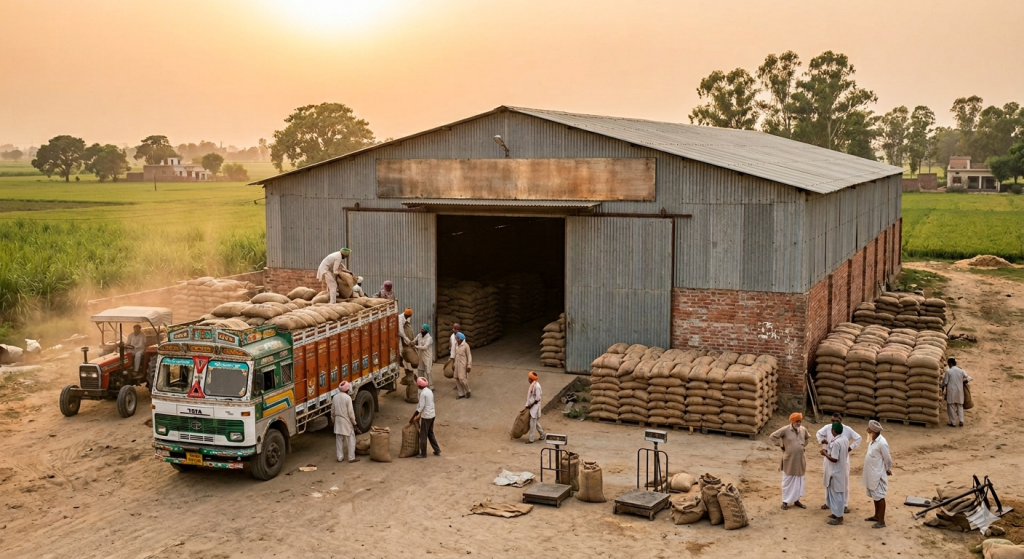
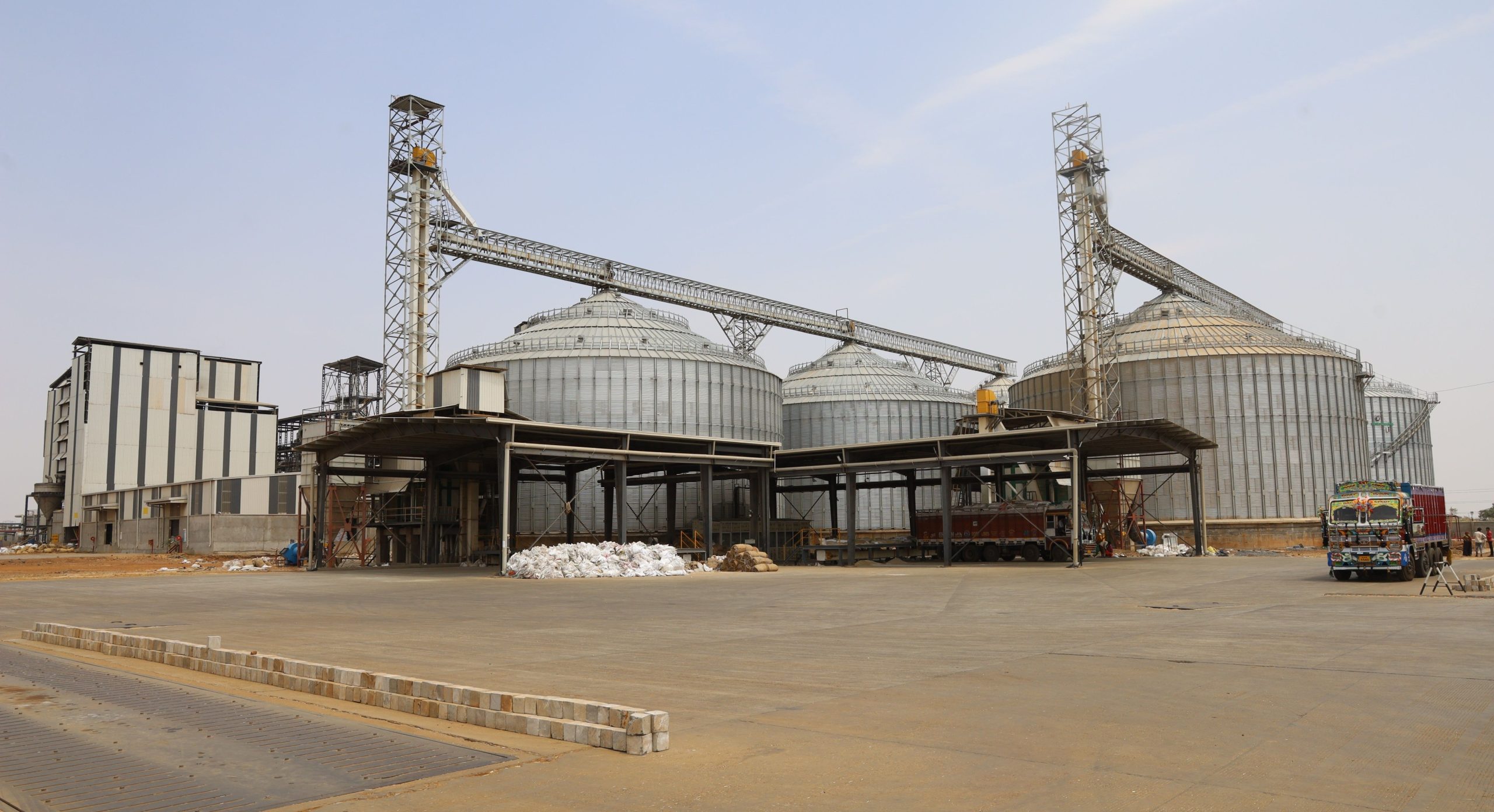
post harvest

Why integrated agritech ecosystems are becoming important

This shift is creating a new role for agritech companies.

The industry is no longer looking only for storage providers, logistics players, or trading platforms independently. Increasingly, agriculture requires connected ecosystems that bring multiple capabilities together.

This is where integrated agritech models are becoming more relevant.

Companies like StarAgri are participating in this transition by building interconnected post-harvest ecosystems that combine:

  • warehousing,
  • collateral management,
  • quality assessment,
  • financing,
  • logistics,
  • digital commerce,
  • and AI-led agricultural intelligence.

Today, StarAgri operates across 2,200+ warehouses with nearly 5 million metric tonnes of storage capacity spread across 380+ locations in 19 states. Its broader ecosystem also includes:

This kind of integration is becoming increasingly important because agriculture’s biggest bottlenecks are rarely isolated anymore. They are interconnected.

The next agri revolution could be built after harvest

For years, agriculture measured progress mainly through production. But the next decade may measure progress differently.

How efficiently can crops move through the supply chain?
How intelligently can inventory be managed?
How quickly can financing reach the ecosystem?
How much visibility exists after harvest?

Those questions may define the future of agriculture more than ever before. Because the next agricultural revolution may not necessarily come from growing more

It may come from losing less, moving smarter, financing faster, and connecting the entire agricultural ecosystem more intelligently after harvest. And as integrated agritech ecosystems continue evolving, post-harvest infrastructure may finally become one of the most important growth engines in Indian agriculture.

FAQs

  • What are post-harvest challenges in agriculture?
    Post-harvest challenges include storage inefficiencies, logistics gaps, financing delays, inventory losses, and fragmented supply-chain systems.
  • Why is post-harvest infrastructure important?
    Strong post-harvest infrastructure helps improve commodity movement, reduce losses, strengthen financing access, and improve market efficiency.
  • How is technology improving agricultural supply chains?
    Technologies like AI, warehouse digitisation, satellite intelligence, and predictive analytics are improving visibility and operational efficiency across supply chains.
  • What is an integrated agritech ecosystem?
    An integrated agritech ecosystem connects storage, finance, logistics, digital trade, and intelligence systems into one connected agricultural network.
  • How does StarAgri support post-harvest agriculture?
    StarAgri supports agriculture through warehousing, collateral management, logistics, financing ecosystems, and digital agri intelligence platforms.


Just imagine giving your everything into growing a crop only to see a significant portion of it go to waste before it reaches the market. For many Indian farmers, this is a harsh reality. But there’s hope, and it lies in post-harvest management. Let us explain why this is crucial and how it is transforming the lives of farmers across India.

What is post-harvest management?

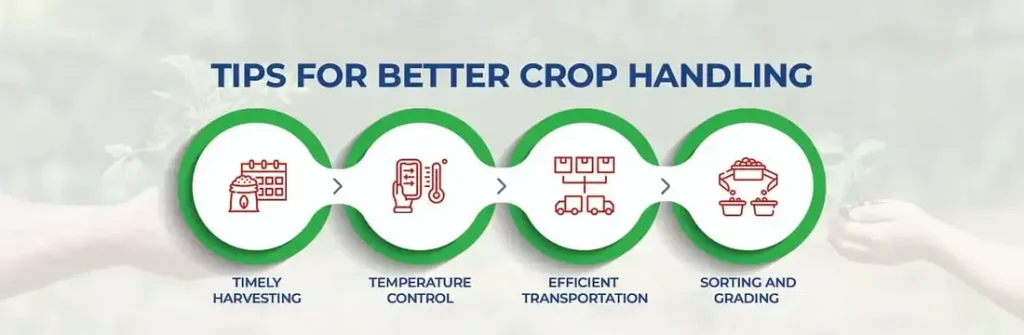
Post-harvesting is the process that involves dealing with different procedures and methods implemented after the harvesting of produce, focused on reducing losses, maintaining its quality, and preparing these agricultural produce for market. These steps include washing, sorting, grading, holding, packaging, and transporting produce. Simply put, it’s the same care you dedicate to growing your plants, now applied to the fruits they produce. From the field to the consumer’s plate, post-harvest management ensures that all the hard work put into farming is not wasted.

Why is Post-Harvest Management Crucial

Reduces Losses and Wastage

About 30-40% of harvested commodities in India spoil due to improper handling, storage, and transportation. This is heartbreaking, considering the time, effort, and resources farmers put into their farms. However, the correct post-harvest practices can greatly reduce these losses.

Preserves Quality and Nutritional Value

Consumers are becoming more health conscious than ever, demanding fresh, high-quality produce. Proper storage and handling ensure that fruits, vegetables, and grains retain nutritional value and visual appeal.

Increases Farmer Income

Better quality and less wastage means farmers can sell more produce at better prices. For example, grain stored in humidity-controlled warehouses commands a higher price than grain damaged by pests.

Expands Market Access

With the help of advanced techniques like cold storage and logistics networks, farmers can now sell their produce in distant markets or even export globally. Post-harvest management acts as the bridge link between local farms and global consumers.

Boosts Food Security

In countries like India, where agriculture feeds millions, reducing post-harvest losses can significantly contribute to food security. Every saved grain counts in the fight against hunger.

How Can Indian Farmers Implement Post-Harvest Practices?

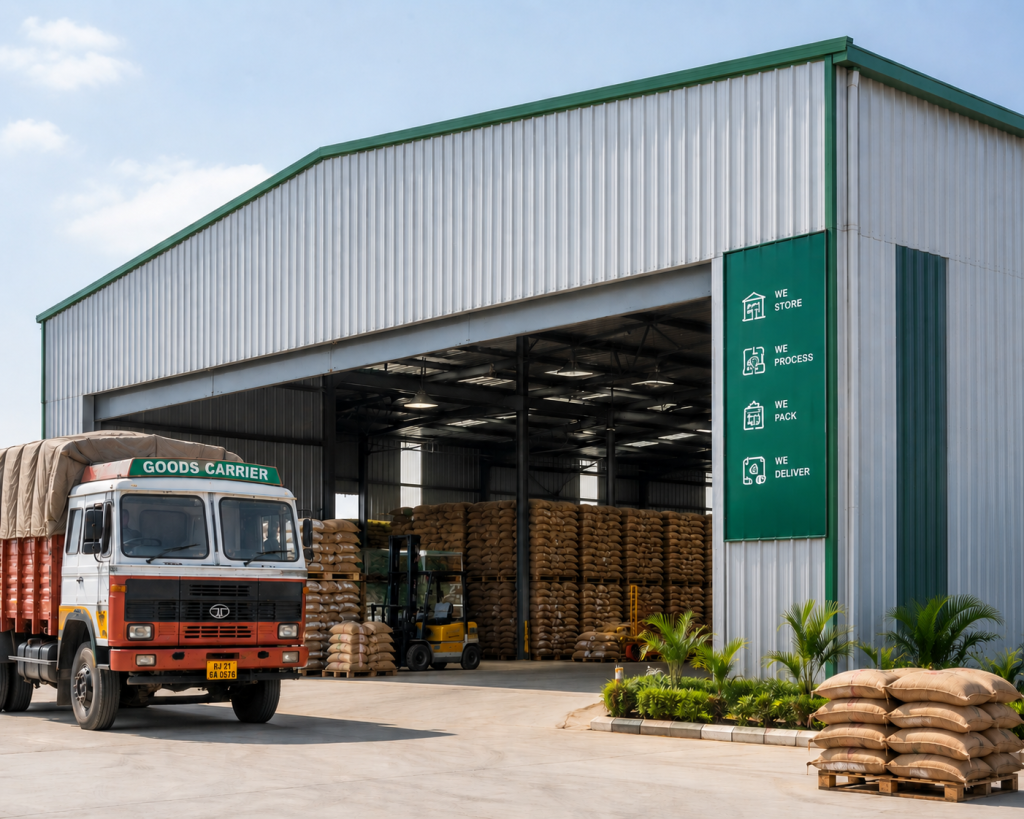
supply chain management

Storage Solutions

Invest in basic storage systems like hermetic bags or metallic silos. Collaborate with nearby cold storage facilities for perishable goods like fruits and vegetables.

Sorting and Grading

Start sorting your produce by size, quality, and ripeness before selling. Cleaned and graded produce commands a premium in markets.

Leverage Technology

Explore mobile apps and IoT devices that monitor storage conditions and predict spoilage. Indian government and startups offer affordable solutions tailored to small farmers.

Partnerships

Collaborate with organisations like StarAgri or FPOs (Farmer Producer Organizations) that provide post-harvest support, from warehousing to logistics.

Real-Life Success Story

Take the case of a tomato farmer in Maharashtra who stored tomatoes in cold storage during the peak season. Instead of selling at a low price during a market glut, they waited for demand to rise, ultimately earning double the income. Stories like this prove that post-harvest management isn’t just theory; it works.

Government Initiatives for Farmers

The government of India has introduced schemes like the National Horticulture Mission (NHM) and Gramin Bhandaran Yojana, which provide subsidies for building storage facilities and accepting post-harvest technology.

Conclusion

Thus, post-harvest management is much more than just preventing losses. It empowers the farmers to use their harvest efficiently. The minimum wastage and unlocking of improved market access create a ground for profit and sustainability in India’s agriculture sector.

As a leading integrated agritech company in India, StarAgri supports farmers through scientific warehousing and post-harvest solutions that help reduce crop losses and improve income realisation. With a network of 2,200+ warehouses, the company provides secure storage, quality assessment, and financing support against stored produce, enabling farmers to avoid distress sales and access better market opportunities.

FAQs

  • What is post harvest management in agriculture?
    Post harvest management is everything that happens after a crop is harvested. From cleaning and sorting to storage and transportation, these steps help ensure that the produce stays fresh, reaches the market in good condition, and doesn’t go to waste before it can be sold.
  • Why is post harvest management important for Indian farmers?
    For farmers, every harvested crop represents months of hard work. Post harvest management helps protect that effort by reducing spoilage, maintaining quality, and improving the chances of getting a better price in the market. It can make a real difference to a farmer’s income.
  • How does post harvest management increase farmers’ income?
    When crops are stored and handled properly, farmers lose less produce to damage, pests, or poor weather conditions. Better-quality produce often attracts better buyers and prices, helping farmers earn more from the same harvest.
  • What are the key components of post harvest management?
    Post harvest management includes several important activities such as cleaning, sorting, grading, packaging, storage, and transportation. Each step plays a role in keeping crops safe, fresh, and ready for sale.
  • What are the main objectives of post harvest management?
    The goal of post harvest management is simple: to make sure more of the harvested crop reaches consumers instead of being lost along the way. It helps reduce wastage, maintain quality, improve food safety, and ensure farmers get the best possible value for their produce.
  • What are the key stages of post harvest management?
    The journey doesn’t end when a crop is harvested. It is followed by cleaning, sorting, grading, drying, storage, packaging, transportation, and finally marketing. Managing each of these stages carefully helps preserve quality and reduces unnecessary losses before the produce reaches the market.