


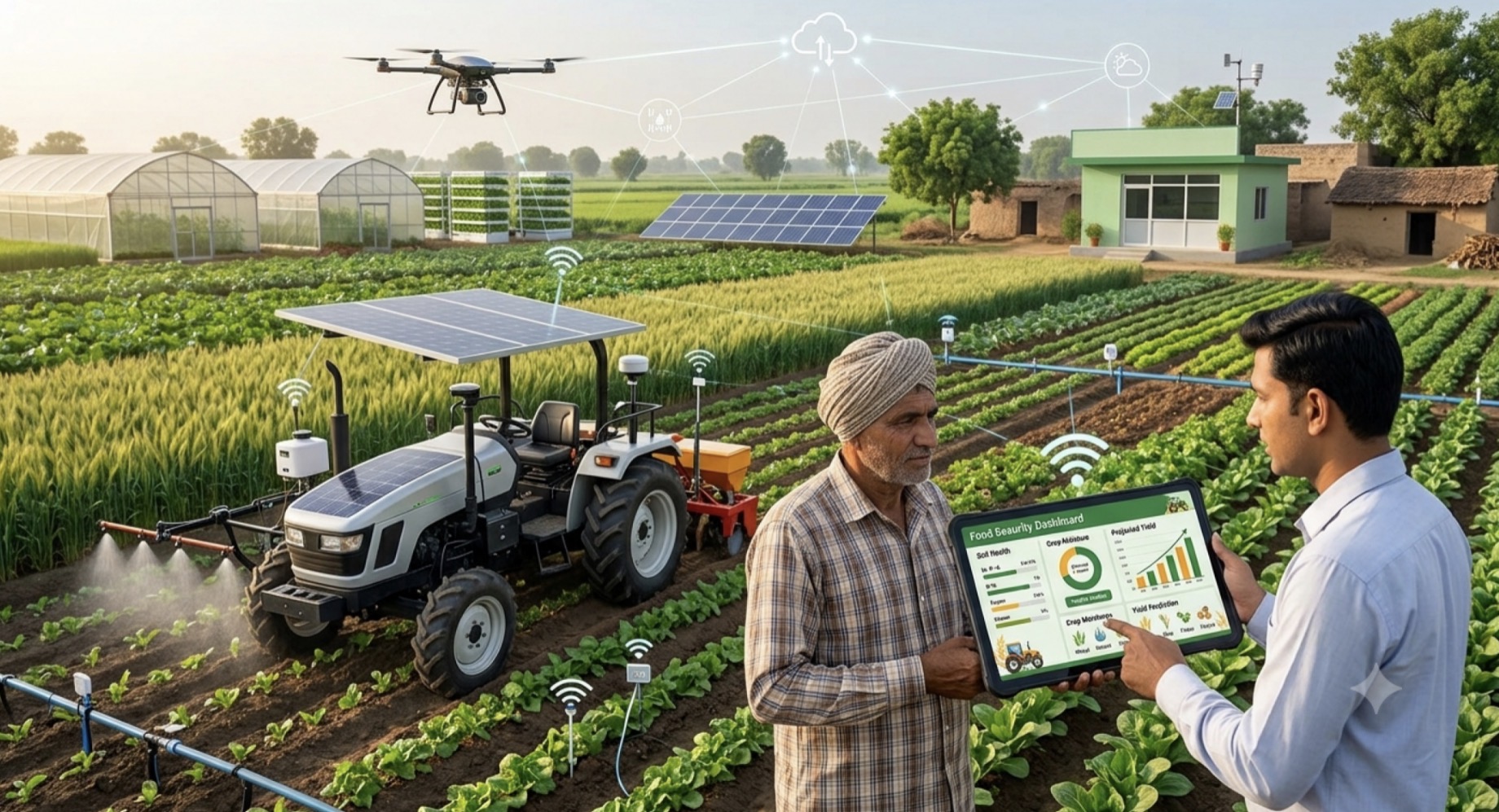
Food security is, at its core, a supply chain problem as much as a production problem. India grows enough. The question that determines whether that grain, fruit, or vegetable actually reaches a plate — intact, affordable, and on time — is whether the systems around production can keep pace. This is precisely the terrain agritech has moved into over the past few years, and the shift is no longer incremental. It is structural.
The scale of the shift
India’s agritech market is projected to grow from roughly USD 9 billion in 2025 to USD 28 billion by 2030, expanding at a 25% CAGR, according to Inc42. Within that, market-linkage models, platforms connecting farmers directly to storage, financing, and buyers, are expected to account for nearly 45% of total agritech value by the end of the decade, making this the single largest growth pocket in the sector. AI-led agritech is scaling even faster, from roughly USD 900 million in 2025 to an expected USD 5.6 billion by 2030, a 44% CAGR, nearly double that of the broader market, concentrated in yield forecasting, credit underwriting, and price discovery.
What’s driving this isn’t novelty for its own sake but necessity. Institutional credit penetration among Indian farmers has nearly doubled in a decade, from 37% in FY11 to 68% in FY24, an expansion made possible largely because agritech platforms bundled credit, insurance, and market access into models that work for smallholders on fragmented, often sub-hectare plots.
Where agritech is actually moving the needle on food security
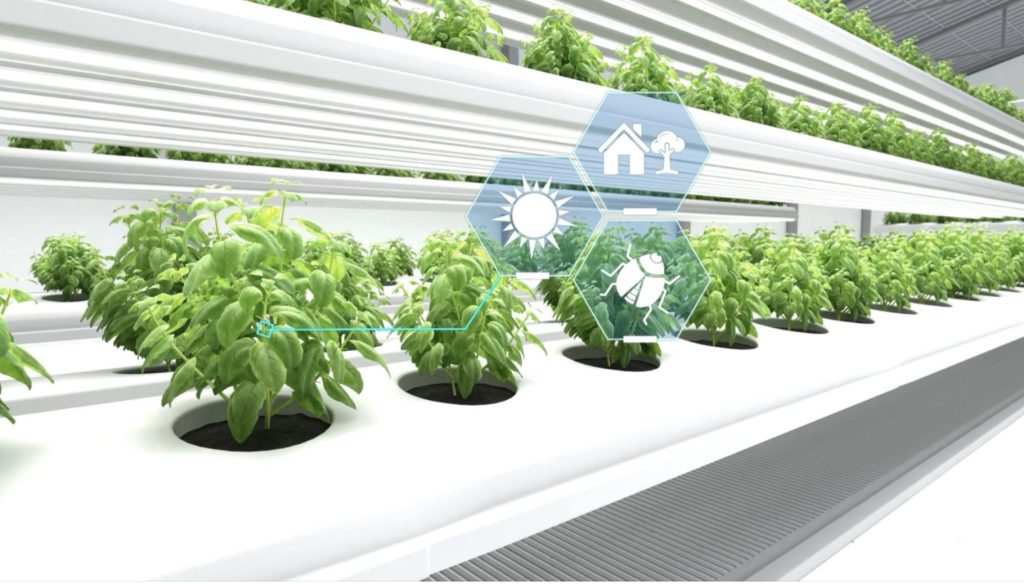
Reducing post-harvest losses: India’s foodgrain output touched a record 3,539.59 lakh MT in 2024-25, up 6.5% year-on-year. But production gains mean little if a large share is lost before reaching the market. Post-harvest losses across the value chain remain substantial. Cereals alone lose over 12 million tonnes annually, and horticulture losses exceed 49 million tonnes. This is where IoT-enabled storage monitoring, scientific warehousing, and cold-chain expansion are making a measurable dent, extending shelf life and protecting the value of produce that would otherwise spoil before it counts toward anyone’s food security.
Widening access to finance: Warehouse receipt financing and collateral management have quietly become one of agritech’s most powerful food-security tools, letting farmers store produce instead of distress-selling right after harvest, and access working capital against that stock instead. As of June 2025, India had 8,815 cold storage facilities with a combined capacity of 402.18 lakh metric tonnes, and the Agriculture Infrastructure Fund has sanctioned over ₹73,155 crore across 1.27 lakh warehouse and cold-store projects that directly underpin this model.
Strengthening market linkages: Digital trade platforms are cutting out layers of intermediaries that historically ate into farmer margins while adding no value to freshness or availability. This matters for food security in a very direct way: when farmers earn better prices, they have the working capital to invest in the next season’s inputs, sustaining production rather than scaling back.
Export resilience: India’s agricultural exports crossed USD 50 billion in FY 2025-26, a record high achieved despite global trade headwinds. It is a sign that agritech-enabled traceability and compliance systems are helping Indian produce meet the quality bar international markets demand, which in turn keeps domestic production economically viable.
A challenge that remains
None of this is evenly distributed yet. Nearly 69% of Indian farmers operate on less than one hectare of land, and agritech adoption so far has concentrated among farmers already linked to FPOs, organised supply chains, or established platforms. Digital literacy and connectivity gaps mean the smallholders who arguably need these tools most are often the last to get them. Closing that gap is the next real test for the sector.
StarAgri’s role in the ecosystem
As one of India’s most integrated agritech platforms, StarAgri sits directly at this intersection of storage, finance, and market access. With a network of over 2,200 warehouses and more than 5 MMT of storage capacity across the country, StarAgri’s collateral management business has enabled warehouse-receipt financing exceeding ₹1.5 lakh crore cumulatively.
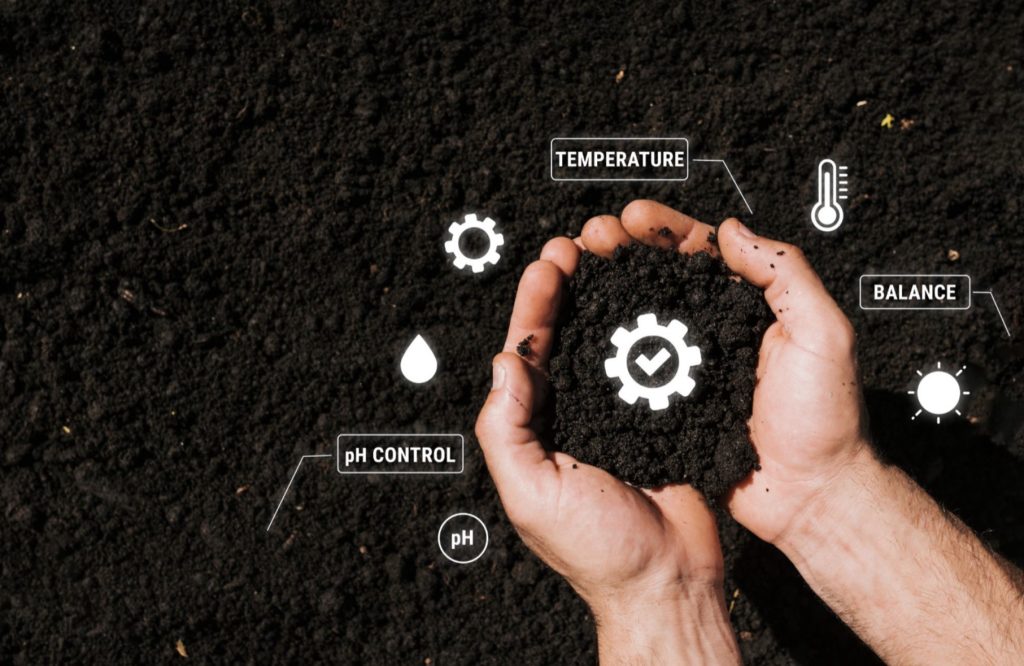
Through agribazaar, StarAgri’s digital marketplace has facilitated the trade of over 12 million metric tonnes of commodities, connecting more than 300,000 farmers to buyers, while AgriBhumi and AgriKnow bring satellite-based monitoring and AI-driven crop advisory directly to the farm level. It’s this combination of physical infrastructure and digital intelligence that turns agritech from a buzzword into a working solution for food security on the ground.
Looking ahead
Agritech’s contribution to food security isn’t about replacing farmers with algorithms. It’s about giving India’s agricultural infrastructure the connective tissue it has long lacked between production, storage, finance, and market. As adoption deepens beyond early adopters and reaches the smallholders who form the backbone of Indian farming, the impact on food security will only compound.
FAQs
- How exactly does agritech reduce post-harvest losses?
Mainly through IoT-enabled storage monitoring and scientific warehousing that maintain optimal temperature and humidity, along with real-time alerts that let operators act before spoilage sets in.
- Is agritech only useful for large farmers and agribusinesses?
Not by design, but adoption today is concentrated among farmers linked to FPOs or organised supply chains. Closing that gap for smallholders is the sector’s next major challenge.
- What role does warehouse receipt financing play in food security?
It lets farmers store produce instead of being forced into distress sales right after harvest, giving them working capital against stored stock while they wait for better market prices.
- How is AI specifically being used in Indian agriculture right now?
Primarily in yield forecasting, credit underwriting, price discovery, and pest/disease detection. Areas where faster, data-backed decisions directly reduce risk and waste.
- Does better agritech infrastructure actually affect export competitiveness?
Yes. Traceability and compliance systems built on agritech platforms help Indian produce meet the quality standards required by international buyers, which supports India’s agri exports crossing $50 billion in FY 2025-26.
