Category Archives: Uncategorized

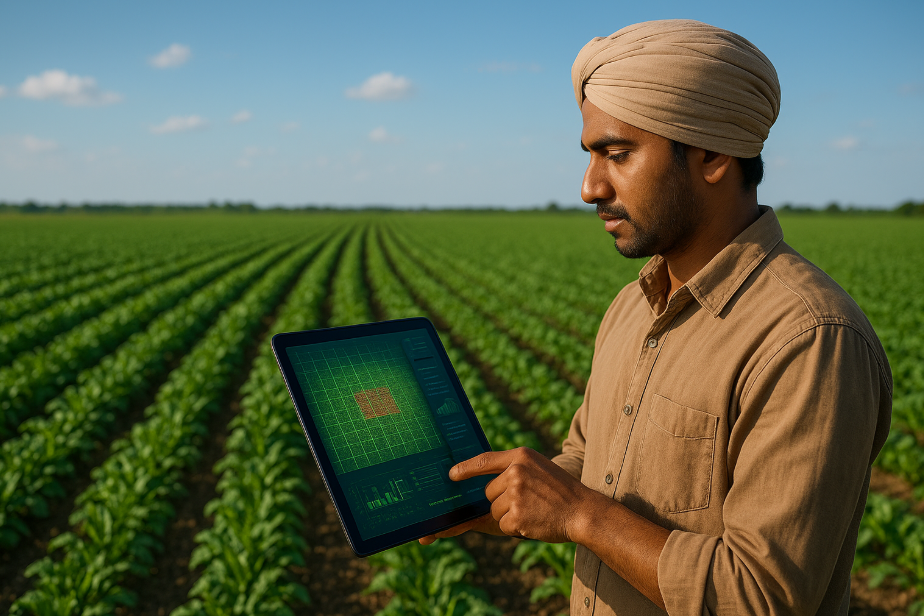
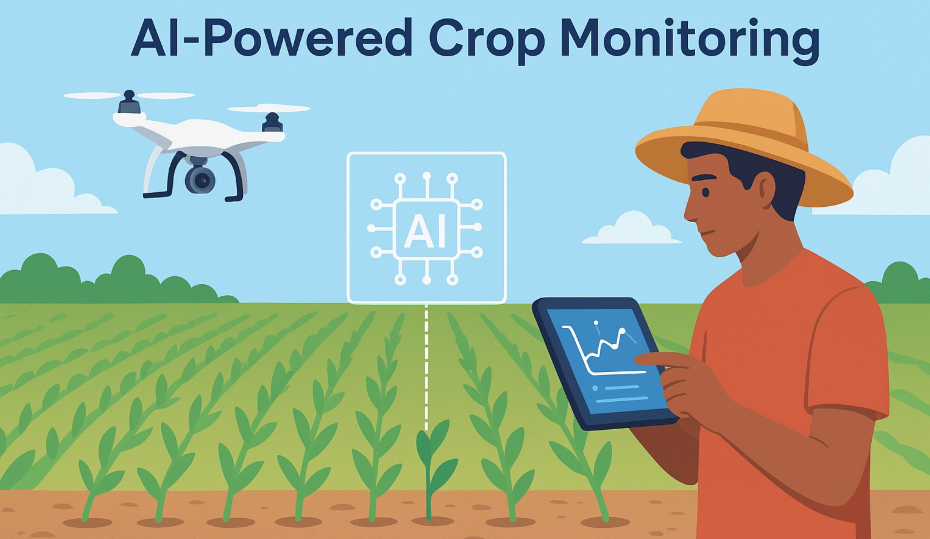
Imagine knowing exactly which corner of your field needs more water, which patch is running low on nitrogen, and which area is at risk of a pest outbreak, all before you even step out to your farm. That’s not science fiction. That’s precision farming, and it’s changing the way agriculture works across the world, including right here in India.

Let’s break it down.

So, what is precision farming?

Precision farming (or precision agriculture) is a data-driven approach to farm management. Instead of treating an entire field the same way, with the same water, same fertiliser, same pesticide everywhere, it uses technology to understand variability across a field and respond to it precisely.

Think of it as the difference between a doctor prescribing the same pill to every patient versus one who runs tests and prescribes based on individual needs. Precision farming does the same for crops.

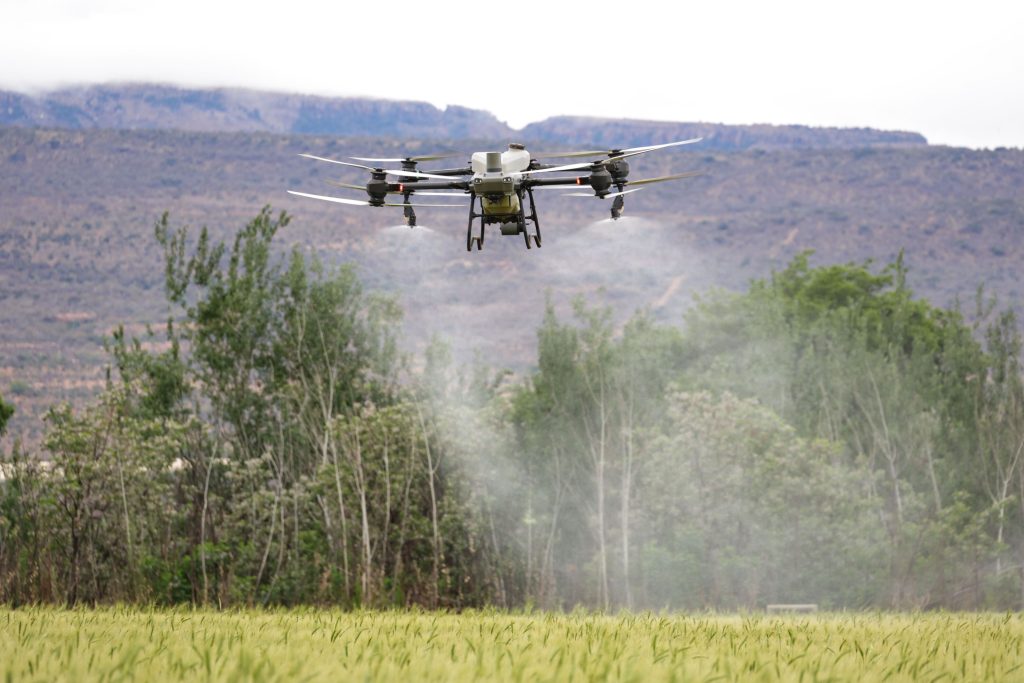
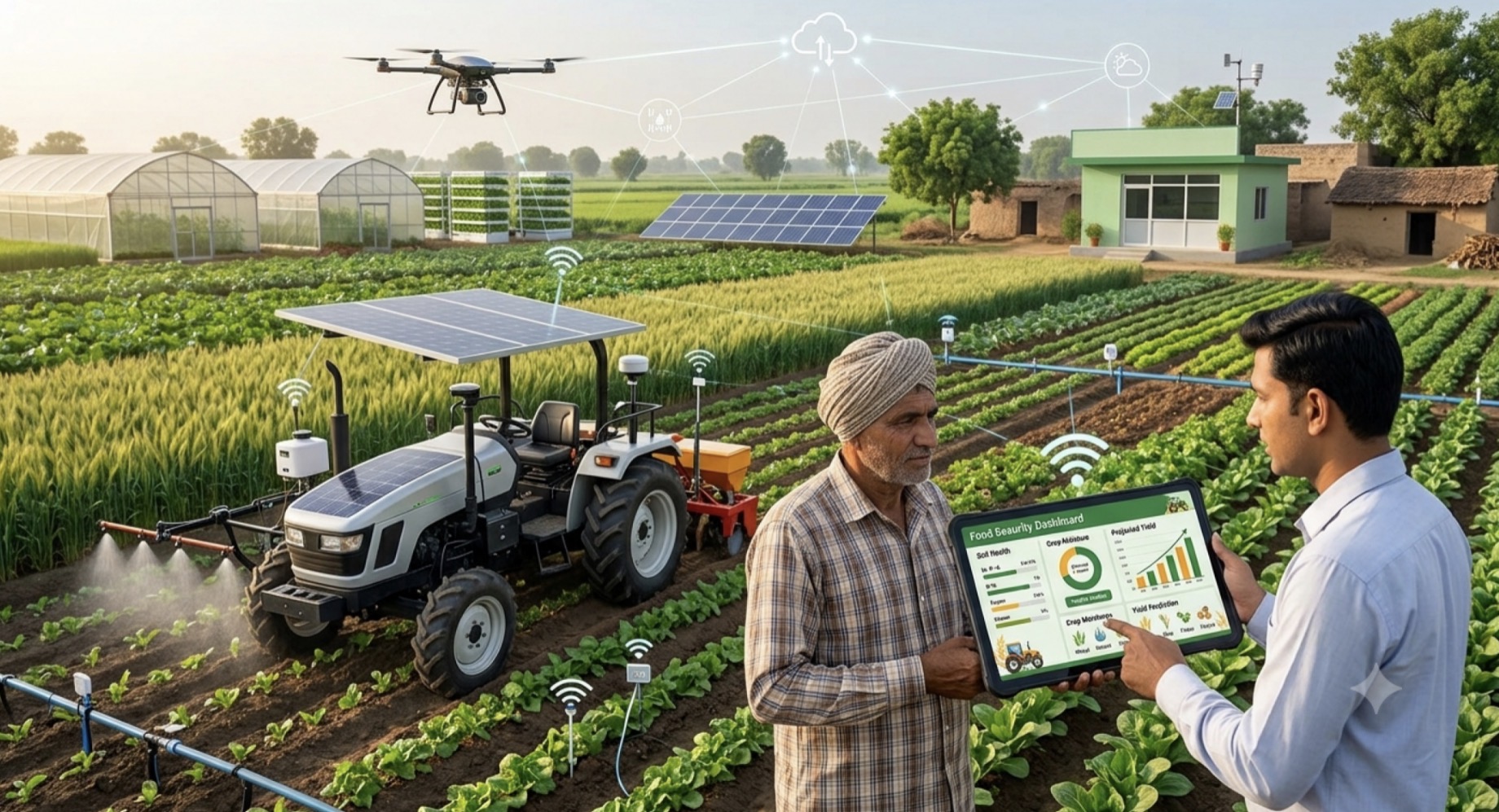
The tools that power it? GPS, satellite imagery, IoT sensors, drones, AI, and digital platforms that bring all this data together into decisions farmers can actually act on.

Precision farming in India is gaining momentum as farmers increasingly adopt data-driven technologies such as GPS mapping, drones, IoT sensors, and AI-powered analytics to improve productivity and resource efficiency.

precision farming in India

Why is this such a big deal right now?

Here’s the context. The global precision farming market was valued at USD 14.18 billion in 2025 and is expected to cross USD 16 billion in 2026, growing at a CAGR of over 13%. By 2026, more than half of global farms are projected to adopt some form of precision agriculture technology.

As for precision farming in India, the country’s agritech sector is on a steep climb, set to grow from $9 billion in 2025 to $28 billion by 2030 at a 25% CAGR, according to Inc42.

The push is driven by real pressures: rising input costs, erratic weather, shrinking margins, and growing demand for food. Nearly 67% of farmers globally report concern about input price increases eating into their profitability. Precision farming directly addresses that by making every rupee spent on inputs work harder.

What does it actually look like on a farm?

Here are the core applications that are already making a difference:

  • Crop Health Monitoring: Satellites scan fields and flag stress zones. Whether it’s a nutrient deficiency, water stress, or early signs of disease, it is often weeks before a farmer would notice it on the ground.
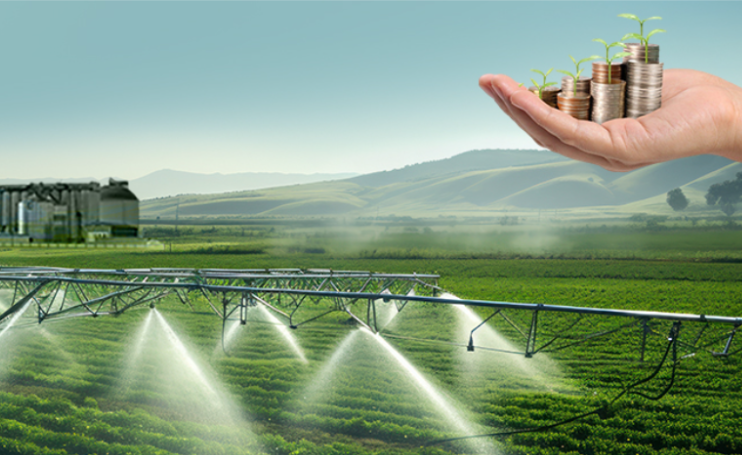
  • Smart Irrigation: Soil moisture sensors and weather data work together to water crops only when and where needed. Irrigation management is one of the fastest-growing precision farming applications, with an expected CAGR of 11.2% through 2031.
  • Variable Rate Application: Machinery automatically adjusts the amount of seed, fertiliser, or pesticide it applies based on GPS-mapped field data. Less waste. Better results.
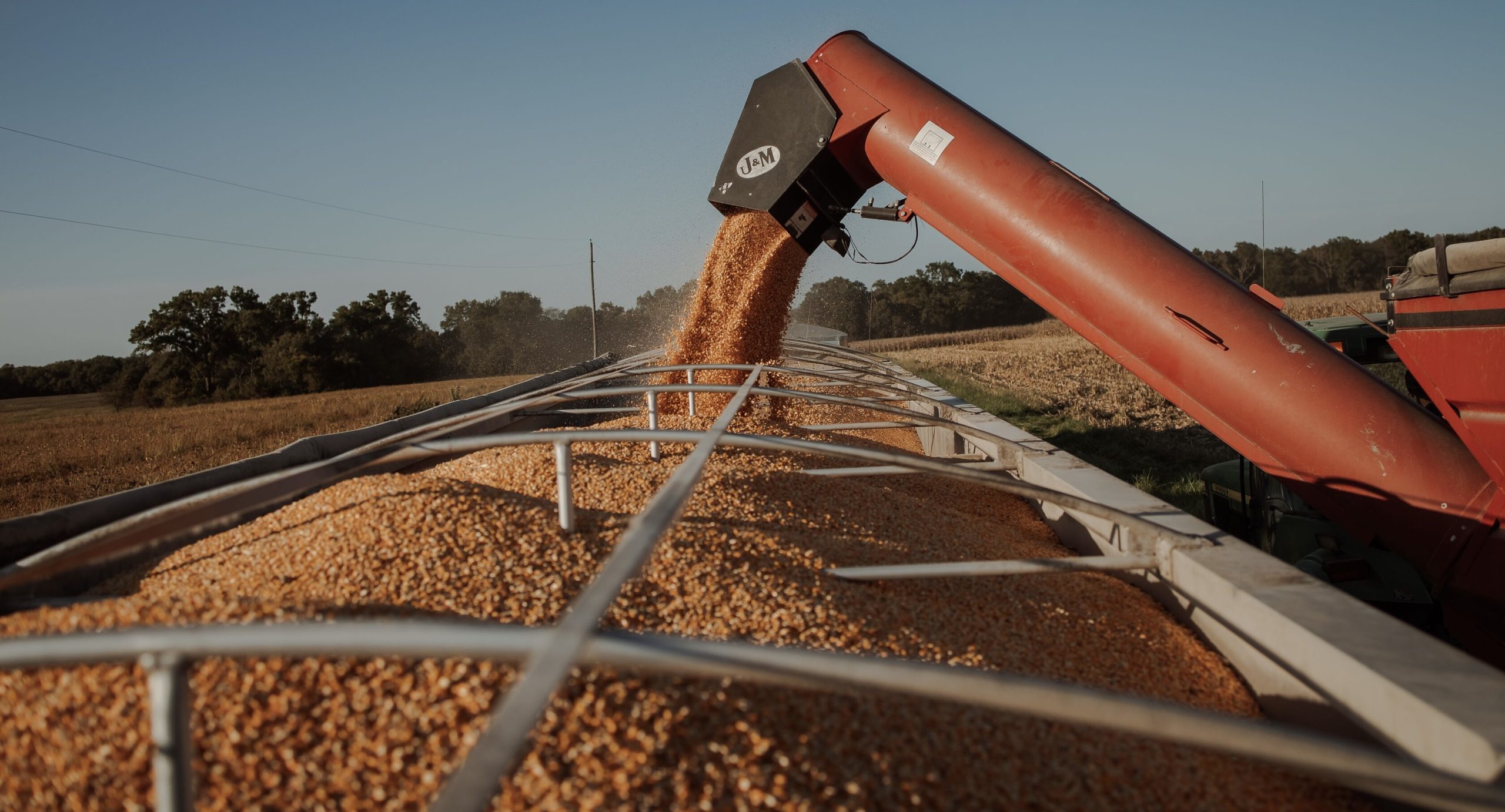
  • Yield Monitoring: Sensors on harvesters record output zone by zone, creating maps that inform next season’s planning. Yield monitoring accounts for 45% of precision farming adoption by application globally.
  • AI-Powered Advisory: AI analyses historical data, weather forecasts, and soil reports to recommend the right crop variety, the right planting time, and the right treatment, personalised to each farm.

precision ag

How agribazaar brings this to Indian farmers?

Agribazaar, StarAgri’s technology platform, is built specifically to make precision farming accessible and actionable for Indian farmers, whether they’re working two acres or two hundred.

  • AgriKnow (GAP) is agribazaar’s satellite-based crop health monitoring tool. It uses AI and satellite imagery to track vegetation health, detect problem areas, and guide decisions on fertilising, sowing, and irrigation at the field level, reducing resource costs and guesswork in equal measure.
  • Agribhumi takes it further with machine learning. It pulls together soil sample data, satellite imagery, and weather forecasts to estimate yield, classify crops, and generate field-specific recommendations. It’s the kind of advisory that used to require expensive agronomists, now available through an app.
  • Crop Doctor gives farmers AI-powered disease and pest diagnosis. Upload an image of an affected plant, get a diagnosis and a treatment plan. Fast, accurate, and practical.

And beyond the field, agribazaar’s digital marketplace connects farmers directly to buyers, providing real-time price discovery and cutting intermediation costs from around 3.25% to as low as 0.5%. In FY25, the platform facilitated over 12 million metric tonnes of trade worth more than $1 billion, reaching over 300,000 farmers across India.

StarAgri: Where digital meets ground reality

Technology alone doesn’t solve agriculture’s challenges. You need infrastructure behind it. That’s what StarAgri provides.

With 2,200+ warehouses across 400+ locations in 18 states, 5.08 million metric tonnes of storage capacity, and ₹9,000 crore disbursed through its financing arm Agriwise, StarAgri ensures that better decisions on the farm lead to better outcomes at every downstream step, storage, financing, and market access.

The bigger picture is this: Agribazaar’s precision tools help farmers grow better. StarAgri’s warehousing, financing, and trade infrastructure ensure that what they grow reaches markets at the right time, at the right price, with the right financial backing.

agriculture gps systems

Conclusion

Precision farming in India isn’t just for large commercial farms or tech-savvy early adopters. The tools are available, the data infrastructure is growing, and platforms like agribazaar are making them accessible to every farmer, regardless of farm size.

If Indian agriculture is going to meet the demands of the next decade, more food, less waste, better farmer incomes, precision farming isn’t optional. It’s essential. And with the right combination of digital tools and physical infrastructure, the shift is already happening.

FAQs

  • What is precision farming, and how is it different from traditional farming?
    Precision farming uses AI, satellites, and sensors to make field-specific decisions, applying the right input, at the right place, at the right time. Unlike traditional farming, which treats all land uniformly, it responds to variability within fields to reduce waste and improve yields.
  • Is precision farming suitable for small and marginal farmers in India?
    Absolutely. Mobile-first platforms like agribazaar make precision farming accessible to smallholders regardless of farm size. Tools like AgriKnow and Crop Doctor are available on a smartphone, making them practical even for farmers working one to two acres.
  • How does agribazaar use AI and satellite technology to help farmers?
    Agribazaar’s offerings like AgriKnow, AgriBhumi, and Crop Doctor use satellite imagery and machine learning to monitor crop health, detect diseases, and deliver real-time advisories on irrigation, pest risks, and weather. Farmers get actionable insights without expensive field visits or agronomists.
  • What role does StarAgri play after the harvest?
    StarAgri provides the post-harvest infrastructure to back every farm decision with 2,200+ warehouses for scientific storage, Agriwise for warehouse receipt-backed financing, and agribazaar’s digital marketplace for price discovery and trade. It ensures better yields translate into better returns.
  • How does precision farming improve farmer income?
    By cutting input waste, improving yields, and enabling smarter market timing. Farmers using AI-enabled platforms have seen up to a 40–50% increase in net income versus conventional channels.


As cities grow, ensuring a steady supply of fresh, nutritious food becomes more challenging. Urban food security is a pressing concern, with rising populations, limited land, and stretched supply chains creating gaps in access. This is where an Agritech company steps in, transforming the way food is grown, distributed, and consumed in urban environments. From smart farming in urban areas to innovative Agritech solutions for urban farmers, technology is redefining urban agriculture and helping build resilient and efficient urban food systems.

Agritech’s Role in Feeding Growing Cities

Urban food security refers to the ability of city populations to access sufficient, safe, and nutritious food. Unlike rural areas, cities face unique hurdles such as limited agricultural space, high population density, and reliance on complex supply chains. Climate change and environmental stressors further complicate this challenge. Therefore, creating resilient and efficient systems is essential.

How Agritech is Revolutionizing Urban Agriculture

Modern Agritech solutions for urban farmers are not just about growing food; they are about transforming entire urban ecosystems. These solutions include:

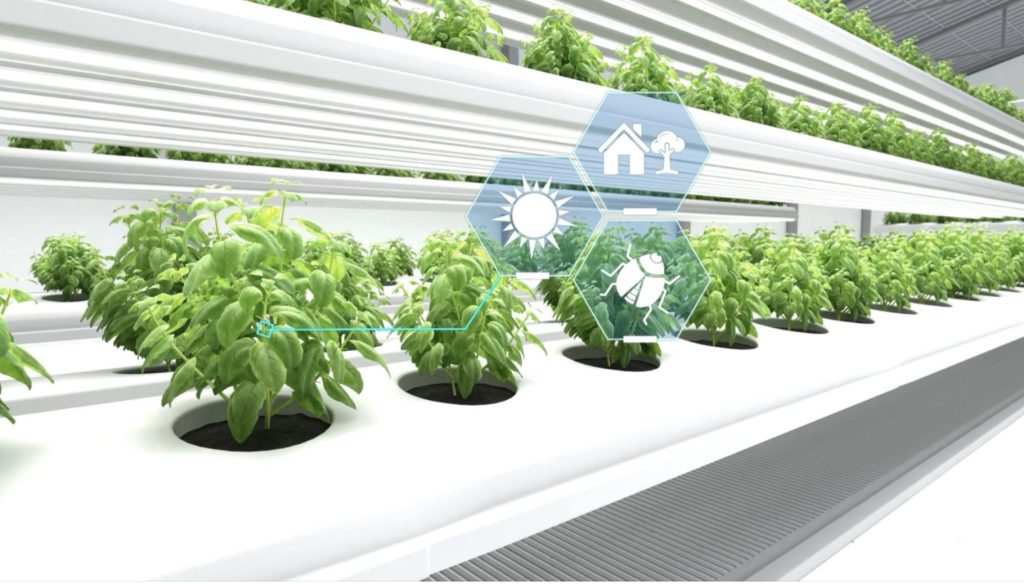
  • Vertical farming: Using stacked layers to maximize limited space. 
  • AI-driven crop management: Predicting growth patterns, pest threats, and harvest times.

By implementing these techniques, urban farmers can achieve higher yields, reduce waste, and ensure a consistent food supply, directly contributing to urban food security.

Smart Farming in Urban Areas

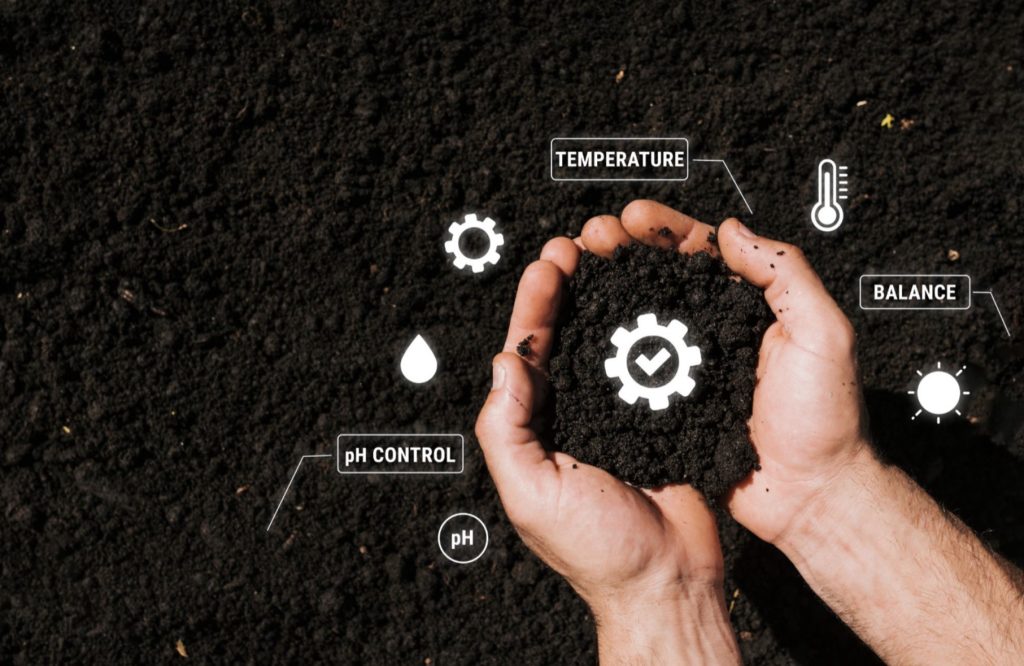
Smart farming in urban areas leverages technology to make agriculture more precise and efficient. IoT devices, drones, sensors, and data analytics allow urban farmers to monitor soil health, track crop growth, and manage resources in real-time. For instance, automated irrigation systems reduce water wastage, while AI-driven insights help prevent diseases before they affect yield. These tools empower urban farmers to produce more with less, creating resilient and adaptive urban food ecosystems.

Building Efficient Urban Food Systems

Creating efficient urban food systems is crucial for long-term urban food security. These systems focus on reducing carbon footprints, recycling nutrients, and integrating renewable energy. Eco-friendly farming methods, such as rooftop gardens, community farms, and controlled environment agriculture, help urban populations access fresh produce, benefit economically, and preserve the environment.

Real-world Examples of Agritech Success in Cities

Several cities around the world are showcasing the power of Agritech solutions for urban farmers. For instance:

  • Singapore has embraced vertical farming to grow leafy greens locally.
  • Urban startups in New York and Tokyo are using hydroponics and AI to ensure year-round production.
  • European cities are integrating smart greenhouses to optimize water and energy usage.

These initiatives demonstrate how Agritech solutions for urban farmers can dramatically improve urban food availability while reducing dependency on distant supply chains.

Challenges and Considerations

Despite the promise, there are challenges to implementing in urban settings:

  • High initial setup costs and technological expertise required.
  • Regulatory hurdles and zoning restrictions.
  • Acceptance by communities and adaptation to new farming practices.

However, with proper policy support, training, and investment, these barriers can be overcome, paving the way for widespread adoption of smart farming in urban areas.

Conclusion

The future of urban food security lies in technology-driven solutions. From smart farming in urban areas to building efficient and resilient urban food systems, an Agritech company plays a key role in driving productivity and sustainability. Agritech solutions for urban farmers are transforming urban agriculture, ensuring healthier, more secure food systems for tomorrow.

FAQs

  1. What is the role of Agritech company in urban food security?
    It improves urban food security by optimizing food production, reducing waste, and enabling efficient, tech-driven farming practices.
  2. How does smart farming in urban areas work?
    It uses IoT devices, AI analytics, and automated systems to monitor crops, conserve resources, and maximize yield in limited spaces.
  3. Which Agritech solutions are best for urban farmers?
    Vertical farming, hydroponics, aquaponics, and AI-driven crop management are highly effective for urban agriculture.
  4. Can Agritech company make urban food systems sustainable?
    Yes. By integrating renewable energy, efficient water use, and eco-friendly farming practices, it contributes to resilient and efficient urban food systems.
  5. What are the challenges of implementing smart farming in urban areas?
    Challenges include high costs, technical expertise requirements, regulatory barriers, and community acceptance.

Disclaimer

The content published on this blog is provided solely for informational and educational purposes and is not intended as professional or legal advice. While we strive to ensure the accuracy and reliability of the information presented, StarAgri make no representations or warranties of any kind, express or implied, about the completeness, accuracy, suitability, or availability with respect to the blog content or the information, products, services, or related graphics contained in the blog for any purpose. Any reliance you place on such information is therefore strictly at your own risk. Readers are encouraged to consult qualified agricultural experts, agronomists, or relevant professionals before making any decisions based on the information provided herein. StarAgri, its authors, contributors, and affiliates shall not be held liable for any loss or damage, including without limitation, indirect or consequential loss or damage, or any loss or damage whatsoever arising from reliance on information contained in this blog. Through this blog, you may be able to link to other websites that are not under the control of StarAgri. We have no control over the nature, content, and availability of those sites and inclusion of any links does not necessarily imply a recommendation or endorsement of the views expressed within them. We reserve the right to modify, update, or remove blog content at any time without prior notice.
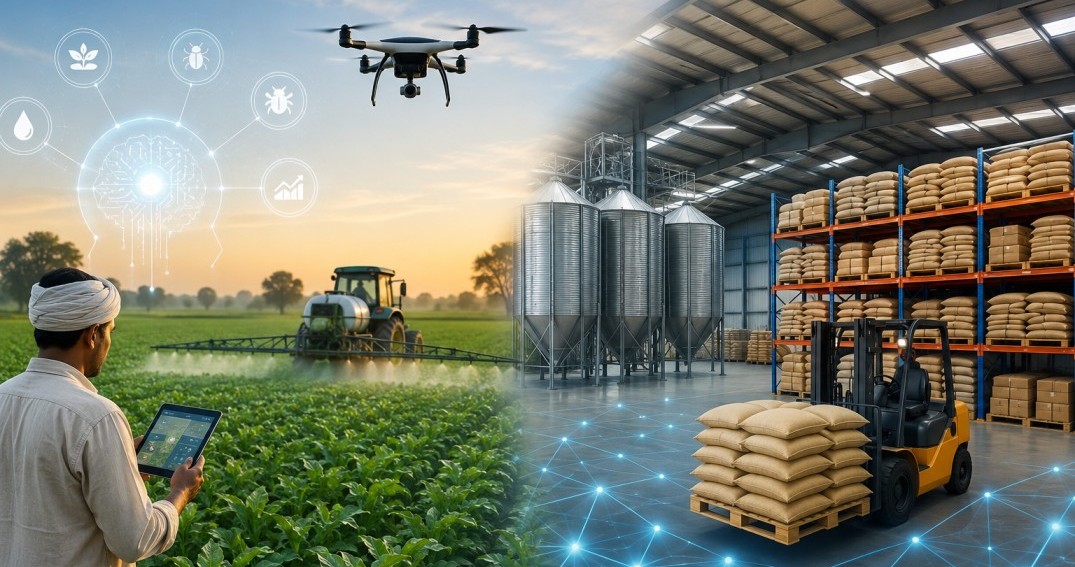


In today’s rapidly evolving agricultural economy, building a sustainable future starts not just on the farm, but also in the warehouse.
As agriculture scales up and supply chains advance, green warehousing is emerging as a key pillar in shaping the future of agri infrastructure.

The Urgent Need for Green Transformation

India is one of the world’s largest producers of agricultural commodities. Yet, a large portion of this produce is lost after harvest due to poor storage, outdated facilities, and inefficient energy use.
Traditional warehouses use a lot of electricity, produce carbon emissions, and often do not meet current standards for safe, efficient, and sustainable agricultural warehousing.

With climate change, resource scarcity, and ESG regulations tightening the screws on global trade, ecofriendly warehouses are no longer optional, they’re essential.

What Is Green Warehousing?

Green warehousing refers to warehouses that are designed and operated with environmental sustainability in mind. These facilities reduce carbon emissions, optimise energy use, and integrate technology to improve operational efficiency without harming the planet.

The key features of a green agri warehouse include:

  • Solar-powered lighting and appliances
  • Natural ventilation and thermal insulation
  • Rainwater harvesting systems
  • Energy-efficient temperature control
  • Smart sensors for real-time monitoring
  • Recyclable materials in construction
  • Waste segregation and reuse

For agriculture, this means sustainable post-harvest solutions that not only preserve the quality of commodities but also reduce the environmental impact of food storage and trade.

Why Green Warehousing Matters in Agri Infrastructure

  1. Reduces Post-Harvest Losses Sustainably
    Green warehousing improves storage conditions, temperature, humidity, and air flow, which directly improves the longevity of grain and reduces the spoilage.
  2. Lowers Operational Costs Over Time
    Although the initial investment may be high, energy-efficient warehouses reduce electricity bills, minimise wastage, and also provide carbon credits or government incentives.
  3. Improves Agri Export Readiness
    Many importing countries are now establishing carbon compliance standards for supply chains. Warehouses powered by renewable energy in agri storage operations can become important export hubs.
  4. Aligns with ESG Goals
    For agribusinesses and exporters, switching to sustainable agri infrastructure increases ESG scores and attracts investors looking for environmentally responsible supply chains.
  5. Future-Proofs India’s Agri Logistics
    As the agri sector becomes more digital and quality-focused, green warehousing enables better integration with smart supply chains, traceability platforms, and clean energy grids.

green warehousing examples

How Staragri is Leading the Green Warehousing Shift

At Staragri, we believe that a strong rural economy should also be a sustainable economy. That’s why we have made green innovation central to our warehousing infrastructure across India.

From solar-powered warehouse roofs to smart humidity-controlled storage, we’re building the next generation of agri infrastructure solutions, with the planet in mind.

Our mission is to provide eco-friendly, cost-efficient, and technologically advanced agri warehousing facilities that support farmers, exporters, and agribusinesses alike.

Our Green Initiatives Include:

  • Solarization of warehouses in sun-rich states
  • Sustainable building materials for new warehouse construction
  • Digital warehouse monitoring systems to reduce manual intervention
  • Rainwater harvesting and eco drainage systems
  • Pilot testing of carbon-neutral agri logistics zones

By integrating green warehousing practices, Staragri not only protects agricultural produce but also supports India’s broader climate and food security goals.

The Business Case: Why Agri Exporters, FPOs & Investors Should Act Now

The future of agri warehousing in India is low-carbon, tech-enabled, and sustainability-driven. Whether you are a:

  • Trader/exporter looking for compliant storage
  • FPO needs a scalable infrastructure
  • Farmers want safe grain storage
  • Or an ESG-focused investor exploring green infra opportunities.

Green warehousing is a decision that is beneficial in terms of both profit and planetary impact.

Conclusion:

As the demand for food grows and global trade moves toward stability, India’s agri ecosystem will also have to adapt.
Green warehousing is not just an infrastructure upgrade; it is a strategic investment in a resilient, responsible, and revenue-generating agricultural economy.

At Staragri, we’re proud to lead this movement by blending technology, sustainability, and rural empowerment.
Do you want to learn how our sustainable warehousing solutions can work for your agricultural business?

Contact Staragri today to explore a customised, green-ready warehousing system for the future of agriculture.

FAQs

1. What is green warehousing?
Green warehousing involves designing and operating warehouses using sustainable practices such as renewable energy, efficient resource management, and eco-friendly infrastructure.

2. How does green warehouse benefit the agriculture sector?
It helps reduce post-harvest losses, lowers energy consumption, improves storage efficiency, and supports sustainable agricultural supply chains.

3. What are the key features of a green warehouse?
Common features include solar power systems, rainwater harvesting, natural ventilation, energy-efficient lighting, smart monitoring systems, and sustainable construction materials.

4. Why is the green warehouse important for agri exporters and FPOs?
Green warehouses help meet evolving sustainability standards, improve product quality, and enhance access to domestic and international markets.

5. How does green warehousing support sustainability goals?
By reducing carbon emissions, conserving resources, and promoting efficient operations, green warehousing contributes to environmental sustainability and long-term agricultural resilience.

Just imagine giving your everything into growing a crop only to see a significant portion of it go to waste before it reaches the market. For many Indian farmers, this is a harsh reality. But there’s hope, and it lies in post-harvest management. Let us explain why this is crucial and how it is transforming the lives of farmers across India.

What is post-harvest management?

Post-harvesting is the process that involves dealing with different procedures and methods implemented after the harvesting of produce, focused on reducing losses, maintaining its quality, and preparing these agricultural produce for market. These steps include washing, sorting, grading, holding, packaging, and transporting produce. Simply put, it’s the same care you dedicate to growing your plants, now applied to the fruits they produce. From the field to the consumer’s plate, post-harvest management ensures that all the hard work put into farming is not wasted.

Why is Post-Harvest Management Crucial

Reduces Losses and Wastage

About 30-40% of harvested commodities in India spoil due to improper handling, storage, and transportation. This is heartbreaking, considering the time, effort, and resources farmers put into their farms. However, the correct post-harvest practices can greatly reduce these losses.

Preserves Quality and Nutritional Value

Consumers are becoming more health conscious than ever, demanding fresh, high-quality produce. Proper storage and handling ensure that fruits, vegetables, and grains retain nutritional value and visual appeal.

Increases Farmer Income

Better quality and less wastage means farmers can sell more produce at better prices. For example, grain stored in humidity-controlled warehouses commands a higher price than grain damaged by pests.

Expands Market Access

With the help of advanced techniques like cold storage and logistics networks, farmers can now sell their produce in distant markets or even export globally. Post-harvest management acts as the bridge link between local farms and global consumers.

Boosts Food Security

In countries like India, where agriculture feeds millions, reducing post-harvest losses can significantly contribute to food security. Every saved grain counts in the fight against hunger.

How Can Indian Farmers Implement Post-Harvest Practices?

supply chain management

Storage Solutions

Invest in basic storage systems like hermetic bags or metallic silos. Collaborate with nearby cold storage facilities for perishable goods like fruits and vegetables.

Sorting and Grading

Start sorting your produce by size, quality, and ripeness before selling. Cleaned and graded produce commands a premium in markets.

Leverage Technology

Explore mobile apps and IoT devices that monitor storage conditions and predict spoilage. Indian government and startups offer affordable solutions tailored to small farmers.

Partnerships

Collaborate with organisations like StarAgri or FPOs (Farmer Producer Organizations) that provide post-harvest support, from warehousing to logistics.

Real-Life Success Story

Take the case of a tomato farmer in Maharashtra who stored tomatoes in cold storage during the peak season. Instead of selling at a low price during a market glut, they waited for demand to rise, ultimately earning double the income. Stories like this prove that post-harvest management isn’t just theory; it works.

Government Initiatives for Farmers

The government of India has introduced schemes like the National Horticulture Mission (NHM) and Gramin Bhandaran Yojana, which provide subsidies for building storage facilities and accepting post-harvest technology.

Conclusion

Thus, post-harvest management is much more than just preventing losses. It empowers the farmers to use their harvest efficiently. The minimum wastage and unlocking of improved market access create a ground for profit and sustainability in India’s agriculture sector.

As a leading integrated agritech company in India, StarAgri supports farmers through scientific warehousing and post-harvest solutions that help reduce crop losses and improve income realisation. With a network of 2,200+ warehouses, the company provides secure storage, quality assessment, and financing support against stored produce, enabling farmers to avoid distress sales and access better market opportunities.

FAQs

  • What is post harvest management in agriculture?
    Post harvest management is everything that happens after a crop is harvested. From cleaning and sorting to storage and transportation, these steps help ensure that the produce stays fresh, reaches the market in good condition, and doesn’t go to waste before it can be sold.
  • Why is post harvest management important for Indian farmers?
    For farmers, every harvested crop represents months of hard work. Post harvest management helps protect that effort by reducing spoilage, maintaining quality, and improving the chances of getting a better price in the market. It can make a real difference to a farmer’s income.
  • How does post harvest management increase farmers’ income?
    When crops are stored and handled properly, farmers lose less produce to damage, pests, or poor weather conditions. Better-quality produce often attracts better buyers and prices, helping farmers earn more from the same harvest.
  • What are the key components of post harvest management?
    Post harvest management includes several important activities such as cleaning, sorting, grading, packaging, storage, and transportation. Each step plays a role in keeping crops safe, fresh, and ready for sale.
  • What are the main objectives of post harvest management?
    The goal of post harvest management is simple: to make sure more of the harvested crop reaches consumers instead of being lost along the way. It helps reduce wastage, maintain quality, improve food safety, and ensure farmers get the best possible value for their produce.
  • What are the key stages of post harvest management?
    The journey doesn’t end when a crop is harvested. It is followed by cleaning, sorting, grading, drying, storage, packaging, transportation, and finally marketing. Managing each of these stages carefully helps preserve quality and reduces unnecessary losses before the produce reaches the market.


What if the biggest problem in agriculture isn’t growing food but saving it? Every year, India produces record volumes of crops. Yet, a surprising chunk never makes it to the market. 

In fact, India loses nearly 10% of its total food grain production post-harvest. That’s not just inefficiency, it’s lost income, wasted effort, and missed opportunity.

But here’s where things get interesting.

Today, warehouses are becoming data-driven intelligence hubs. Post harvest agriculture losses in India aren’t a small leak, but a massive drain. Estimates suggest losses of over ₹1.5 lakh crore annually due to inefficiencies in storage, transportation, and supply chains.

And it’s not just about storage space. It’s about:

  • Lack of scientific warehousing
  • Poor quality assessment
  • Limited access to post-harvest finance
  • Fragmented supply chains

In some cases, total losses across the value chain can reach 25–30% of output.

So the real question is: Can technology change this story?

harvest agriculture

AI: The invisible hero

Artificial Intelligence has entered agriculture, not only in the fields but also in what happens after harvest.

Take quality grading. AI-powered systems today can detect crop defects with over 96% accuracy, reducing losses by up to 90% in some cases. That’s transformational!

But that’s just the beginning. AI and data are enabling:

  • Predictive storage management (moisture, temperature alerts)
  • Price forecasting to avoid distress sales
  • Demand-supply matching across markets
  • Optimised logistics and routing

Warehouses are evolving into decision-making engines, not just storage facilities.

The rise of smart warehousing

Traditional warehouses stored commodities. Modern warehouses manage risk.

With IoT sensors, real-time monitoring, and data analytics:

  • Grain quality can be preserved longer
  • Spoilage can be predicted before it happens
  • Inventory can be tracked in real time

This shift is critical because storage is no longer just about space. It’s about timing, pricing, and control. And when farmers and traders gain control, they gain power.

Why this matters now

Here’s the paradox: India is producing more than ever, yet farmers often earn less.

Why?

Because without storage and liquidity, they are forced to sell immediately after harvest, often at the lowest prices.

Technology like at agribazaar flips this equation by enabling:

  • Better price discovery
  • Access to 1000+ buyers across India
  • Smarter settlement & payment

Where StarAgri fits in

At the intersection of infrastructure, finance, and technology, StarAgri plays a critical role in this transformation.

With a strong network of scientific warehouses and collateral management services, StarAgri enables:

  • Secure and efficient commodity storage
  • Quality preservation through scientific protocols
  • Warehouse receipt-based financing access
  • Reduced distress selling through structured post-harvest support

By integrating technology with physical infrastructure, StarAgri is helping convert warehouses into value-generating assets, not just storage points.

star agri

What’s the future

The future of agriculture isn’t just about higher yields but also about smarter systems. When AI meets warehousing, something powerful happens. What is it?

  • Waste becomes opportunity
  • Data becomes decision-making
  • Storage becomes strategy

And perhaps most importantly, farmers and traders gain the ability to wait, choose, and benefit.

FAQs

  • How can AI help reduce post harvest agriculture losses?
    AI can analyse data to predict spoilage risks, monitor storage conditions, and automate quality grading. This helps in early detection of issues, better inventory management, and improved decision-making across the supply chain.
  • What is smart warehousing in agriculture?
    Smart warehousing uses technologies like IoT sensors, data analytics, and automation to monitor and manage stored commodities. It ensures better preservation, real-time tracking, and reduced wastage.
  • Why is scientific storage important for farmers and traders?
    Scientific storage helps maintain produce quality, reduces spoilage, and allows farmers and traders to hold their stock for better prices rather than selling immediately after harvest.
  • How does warehouse receipt financing work?
    Warehouse receipt financing allows farmers or traders to use their stored commodities as collateral to secure loans. This provides liquidity while enabling them to wait for favourable market prices.
  • What role do agri-infrastructure companies play in reducing losses?
    They provide storage, quality control, and financial linkages that help streamline the post harvest agriculture processes, reduce inefficiencies, and improve price realisation.

Disclaimer

The content published on this blog is provided solely for informational and educational purposes and is not intended as professional or legal advice. While we strive to ensure the accuracy and reliability of the information presented, StarAgri make no representations or warranties of any kind, express or implied, about the completeness, accuracy, suitability, or availability with respect to the blog content or the information, products, services, or related graphics contained in the blog for any purpose. Any reliance you place on such information is therefore strictly at your own risk. Readers are encouraged to consult qualified agricultural experts, agronomists, or relevant professionals before making any decisions based on the information provided herein. StarAgri, its authors, contributors, and affiliates shall not be held liable for any loss or damage, including without limitation, indirect or consequential loss or damage, or any loss or damage whatsoever arising from reliance on information contained in this blog. Through this blog, you may be able to link to other websites that are not under the control of StarAgri. We have no control over the nature, content, and availability of those sites and inclusion of any links does not necessarily imply a recommendation or endorsement of the views expressed within them. We reserve the right to modify, update, or remove blog content at any time without prior notice.


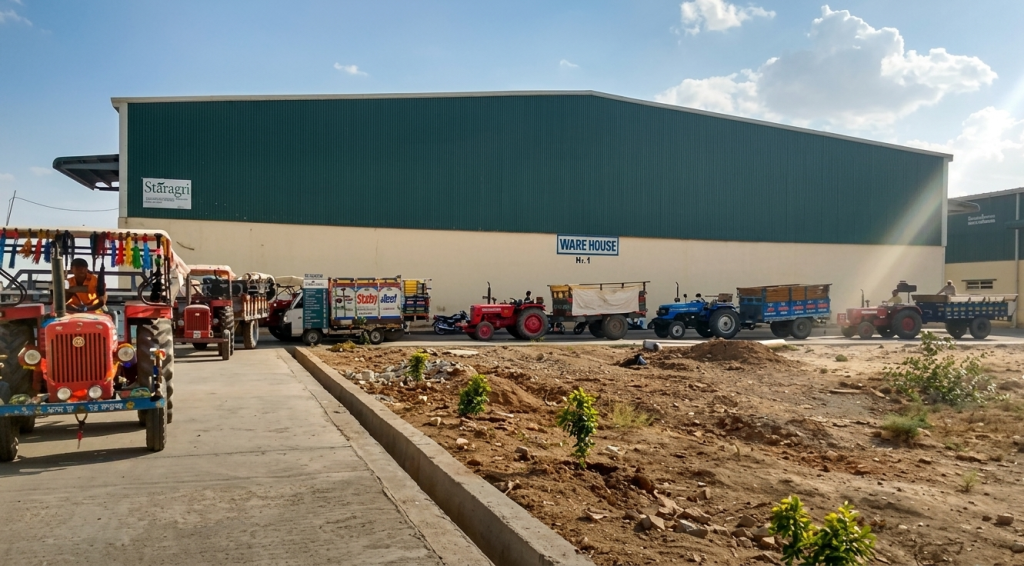
India’s agricultural sector is a massive trading ecosystem involving farmers, traders, processors, exporters, and financiers.

  • India’s agri-exports crossed $55 ​billion in 2025, reflecting strong global demand
  • The government has set an ambitious agriculture credit target of ₹32.5 lakh crore for FY26

Despite this scale, one persistent challenge continues to limit growth: Access to timely and structured working capital.

The Working Capital Gap in Agri Trade

Agri trade operates in a time-sensitive, price-volatile environment. Yet, most participants face:

  • Delayed access to funds, impacting their ability to capitalise on market opportunities
  • Dependence on informal credit, often at higher costs
  • Limited financing for in-transit or non-warehoused goods
  • Fragmented risk assessment mechanisms

This creates a scenario in which opportunity exists, but execution is constrained.

trade facilitation

Why Traditional Financing Falls Short

While banks and financial institutions play a key role, traditional financing models often struggle to address the dynamic needs of agri trade.

Key limitations:

  • Focus on collateral-heavy lending
  • Limited understanding of commodity price risks
  • Lack of integration with physical supply chains
  • Slow processing timelines

In a market where timing is critical, these gaps can lead to missed trades and reduced profitability.

The Rise of Structured Trade Facilitation

To bridge this gap, the industry is witnessing a shift towards structured trade facilitation models, solutions designed specifically for the complexities of agri trade. These models combine:

  • Financing + storage + risk management
  • Technology-driven monitoring
  • End-to-end trade visibility

The goal is simple: Enable businesses to trade faster, safer, and at scale.

trade finance

How Technology is Reshaping Trade Finance

Technology is playing a central role in making trade facilitation more efficient and reliable:

  • Digital documentation and approvals reduce turnaround time
  • Real-time inventory tracking improves transparency
  • Data-driven risk assessment enhances credit decisions
  • Integrated platforms streamline trade workflows

StarAgri’s Trade Facilitation: Enabling Seamless Agri Commerce

StarAgri is building an integrated ecosystem that brings together infrastructure, finance, and technology to support agri trade. How does it offer trade facilitation?

  • Comprehensive Working Capital Solutions: Covers warehoused, in-transit, and even imported goods, ensuring flexibility across trade cycles
  • Integrated Collateral Management: Backed by strong warehousing and asset monitoring systems
  • Structured Risk Management Framework: Reduces exposure through scientific storage, quality checks, and process controls
  • Technology-Driven Operations: Enables real-time visibility, documentation, and efficient trade execution
  • Pan-India Presence and Network Strength: Supports participants across 110+ commodities and 380 locations across 19 Indian states

staragri trade facilitation

Unlocking Liquidity to Drive Scale

By addressing key inefficiencies in financing and trade execution, structured facilitation enables:

  • Faster access to working capital
  • Improved trade turnaround time
  • Reduced operational and financial risk
  • Greater participation across the value chain

This directly contributes to making agri trade more efficient, reliable, and scalable.

The Road Ahead: Building a Resilient Trade Ecosystem

As India aims to strengthen its position in global agricultural markets, the focus will increasingly be on:

  • Supply chain efficiency
  • Financial inclusion in trade
  • Technology-driven transparency

India’s agri trade ecosystem holds immense potential, but unlocking it requires more than just production growth. It requires:

  • Access to capital
  • Structured systems
  • Integrated infrastructure
  • Technology-driven execution

By enabling all of these, StarAgri’s trade facilitation solutions are helping transform agri trade into a more efficient, scalable, and opportunity-driven ecosystem.

FAQs

  • What is StarAgri and what does it do?
    StarAgri is an integrated agritech platform that provides end-to-end supply chain solutions across warehousing, collateral management, trade facilitation, and agri-financing, helping bring efficiency and transparency to agricultural markets.
  • What services does StarAgri offer?
    StarAgri offers a wide range of services, including warehouse management, collateral management, quality certification, procurement support, and structured trade finance solutions through its ecosystem.
  • How does StarAgri support farmers and agri-businesses?
    StarAgri enables better price discovery, access to finance, and secure storage solutions, helping farmers and agri-businesses reduce risks and improve profitability.
  • What makes StarAgri different from traditional agri supply chain players?
    StarAgri combines deep on-ground expertise with technology-driven solutions to ensure transparency, scalability, and standardised operations across the agri value chain.
  • What is StarAgri’s role in the agri-tech ecosystem?
    StarAgri plays a key role in digitising agricultural supply chains by integrating platforms like warehousing, financing, and trading, creating a more connected and efficient ecosystem.

Disclaimer

The content published on this blog is provided solely for informational and educational purposes and is not intended as professional or legal advice. While we strive to ensure the accuracy and reliability of the information presented, StarAgri make no representations or warranties of any kind, express or implied, about the completeness, accuracy, suitability, or availability with respect to the blog content or the information, products, services, or related graphics contained in the blog for any purpose. Any reliance you place on such information is therefore strictly at your own risk. Readers are encouraged to consult qualified agricultural experts, agronomists, or relevant professionals before making any decisions based on the information provided herein. StarAgri, its authors, contributors, and affiliates shall not be held liable for any loss or damage, including without limitation, indirect or consequential loss or damage, or any loss or damage whatsoever arising from reliance on information contained in this blog. Through this blog, you may be able to link to other websites that are not under the control of StarAgri. We have no control over the nature, content, and availability of those sites and inclusion of any links does not necessarily imply a recommendation or endorsement of the views expressed within them. We reserve the right to modify, update, or remove blog content at any time without prior notice.
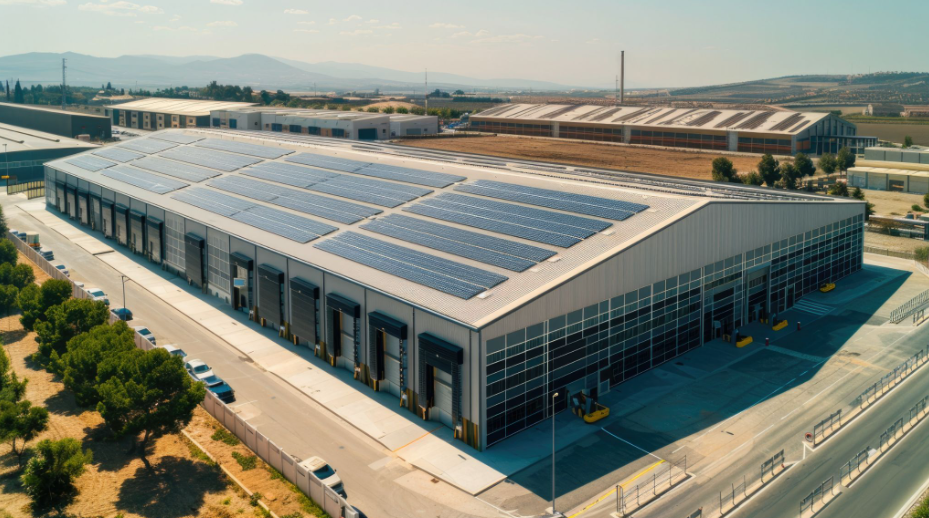
 

What happens to a crop after it leaves the farm? It’s a simple question, but one that defines the efficiency, profitability, and sustainability of India’s entire agricultural ecosystem.
Because growing food is only half the story. Moving it, storing it, preserving its quality, and financing it, that’s where the real complexity begins.

And increasingly, that complexity is being solved by technology.

The Invisible Backbone of Agriculture

India’s total food grain production has reached record levels, with the 2024-25 agricultural year estimated at over 3,540 lakh tonnes (354 million tonnes), highlighting a consistent upward trend. Despite this scale, inefficiencies in logistics and storage continue to cause significant losses.

India loses approximately 22% of its food grain output annually, amounting to around 74 Million Tonnes. These post-harvest losses (PHL) are largely due to inadequate storage, logistics, and handling, amounting to an economic loss of ₹1.53 trillion (USD 18.5 billion) annually.

So the question is: where does it all go wrong?

A large part of the challenge lies in fragmented supply chains, inadequate storage infrastructure, and limited visibility across the movement of goods. This is where logistics and warehousing become critical not just as support functions, but as the backbone of agricultural supply chains.

warehouse india

From Traditional Warehouses to Smart Infrastructure

For decades, warehousing in agriculture has been largely static, focused on physical storage with limited technological intervention. But today, that’s changing rapidly.
Modern warehouses are evolving into data-driven, tech-enabled hubs that do far more than just store commodities. They are becoming centres for:

  • Real-time inventory tracking
  • Quality monitoring
  • Risk management
  • Integrated financing

Technologies such as IoT sensors, digital inventory systems, and data analytics are enabling stakeholders to monitor stock levels, reduce spoilage, and optimise storage utilisation, redefining how agricultural commodities are managed.

Why Technology Matters More Than Ever

Agriculture operates under constant uncertainty: weather fluctuations, price volatility, and demand-supply mismatches. In such an environment, visibility and control become critical.
Technology brings both.

  • Real-Time Tracking: Stakeholders can track inventory movement and availability across locations
  • Quality Assurance: Sensors and monitoring tools help maintain storage conditions
  • Data Integration: Seamless flow of information between farmers, warehouses, traders, and financiers
  • Operational Efficiency: Reduced manual processes and faster decision-making

The global smart warehousing market size is projected to reach USD 40.5 billion by 2028, at a CAGR of 14.6% during the forecast period. India’s agri sector is now catching up, fast.

warehouse technology

StarAgri: Enabling Tech-Driven Agri Infrastructure & Beyond

StarAgri has been playing a key role in building and managing agricultural supply chain infrastructure across India. But what sets it apart is its focus on integrating technology into traditional warehousing and logistics systems. Instead of viewing warehousing as just storage, StarAgri approaches it as a platform for efficiency, transparency, and financial enablement.

If warehousing is the foundation, technology is what connects and elevates the entire system.

At StarAgri, the focus goes beyond storage to build an integrated, tech-enabled ecosystem that supports commodities across their lifecycle.

  • Collateral Management: Through standardised processes, digital documentation, and real-time monitoring, StarAgri ensures that stored commodities are secure and finance-ready. This reduces risk and builds confidence for lenders and borrowers alike.
  • Star Labs: With scientific testing and standardised grading, Star Labs brings consistency and transparency to commodity quality, ensuring that what’s stored is accurately assessed and trusted.
  • Procurement: Tech-enabled procurement systems help connect farmers to markets more efficiently, improving traceability, price discovery, and supply reliability.
  • Logistics: Integrated logistics ensures smooth transportation across the supply chain, reducing delays, minimising losses, and improving operational efficiency.
  • Digital Integration: From storage to finance, every layer is digitally connected, enabling real-time visibility, better decision-making, and a more transparent ecosystem.

Building the Future of Agri Supply Chains

As India continues to modernise its agricultural ecosystem, the role of logistics and warehousing will only become more critical. As the future will be built on infrastructure, it will also be built on intelligent infrastructure.

  • Warehouses will not just store goods; they will generate data.
  • Logistics networks will not just move commodities; they will enable visibility.
  • And supply chains will not just connect stakeholders; they will empower them.

So, what happens to a crop after it leaves the farm? Increasingly, it enters a system that is becoming smarter, faster, and more connected.

With technology at its core, organisations like StarAgri are helping transform India’s agri logistics and warehousing ecosystem, turning traditional infrastructure into engines of efficiency and growth.

In modern agriculture, where success is about how much you produce, it is also about how well you manage everything that comes after.

FAQs

  • What role does logistics play in India’s agricultural supply chain?
    Logistics is critical in ensuring that agricultural produce moves efficiently from farms to markets. It directly impacts quality, pricing, and availability, making it a key factor in reducing post-harvest losses and improving supply chain efficiency.
  • How is technology transforming agri warehousing in India?
    Technology enables real-time inventory tracking, quality monitoring, and data-driven decision-making. Modern warehouses are evolving into smart infrastructure that improves transparency, reduces losses, and enhances operational efficiency.
  • What services does StarAgri offer beyond warehousing?
    StarAgri offers a comprehensive ecosystem including collateral management, quality testing through Star Labs, procurement services, and integrated logistics, creating a seamless agri supply chain solution.
  • What is collateral management and why is it important?
    Collateral management ensures that stored commodities are securely monitored, quality-verified, and documented, making them eligible for financing. It builds trust between borrowers and lenders while reducing credit risk.
  • How does StarAgri support farmers and agri businesses?
    By integrating infrastructure, technology, and finance (through agribazaar and Agriwise), StarAgri enables better storage, efficient market access, and easier access to credit, supporting stakeholders across the value chain.

Disclaimer

The content published on this blog is provided solely for informational and educational purposes and is not intended as professional or legal advice. While we strive to ensure the accuracy and reliability of the information presented, StarAgri make no representations or warranties of any kind, express or implied, about the completeness, accuracy, suitability, or availability with respect to the blog content or the information, products, services, or related graphics contained in the blog for any purpose. Any reliance you place on such information is therefore strictly at your own risk. Readers are encouraged to consult qualified agricultural experts, agronomists, or relevant professionals before making any decisions based on the information provided herein. StarAgri, its authors, contributors, and affiliates shall not be held liable for any loss or damage, including without limitation, indirect or consequential loss or damage, or any loss or damage whatsoever arising from reliance on information contained in this blog. Through this blog, you may be able to link to other websites that are not under the control of StarAgri. We have no control over the nature, content, and availability of those sites and inclusion of any links does not necessarily imply a recommendation or endorsement of the views expressed within them. We reserve the right to modify, update, or remove blog content at any time without prior notice.
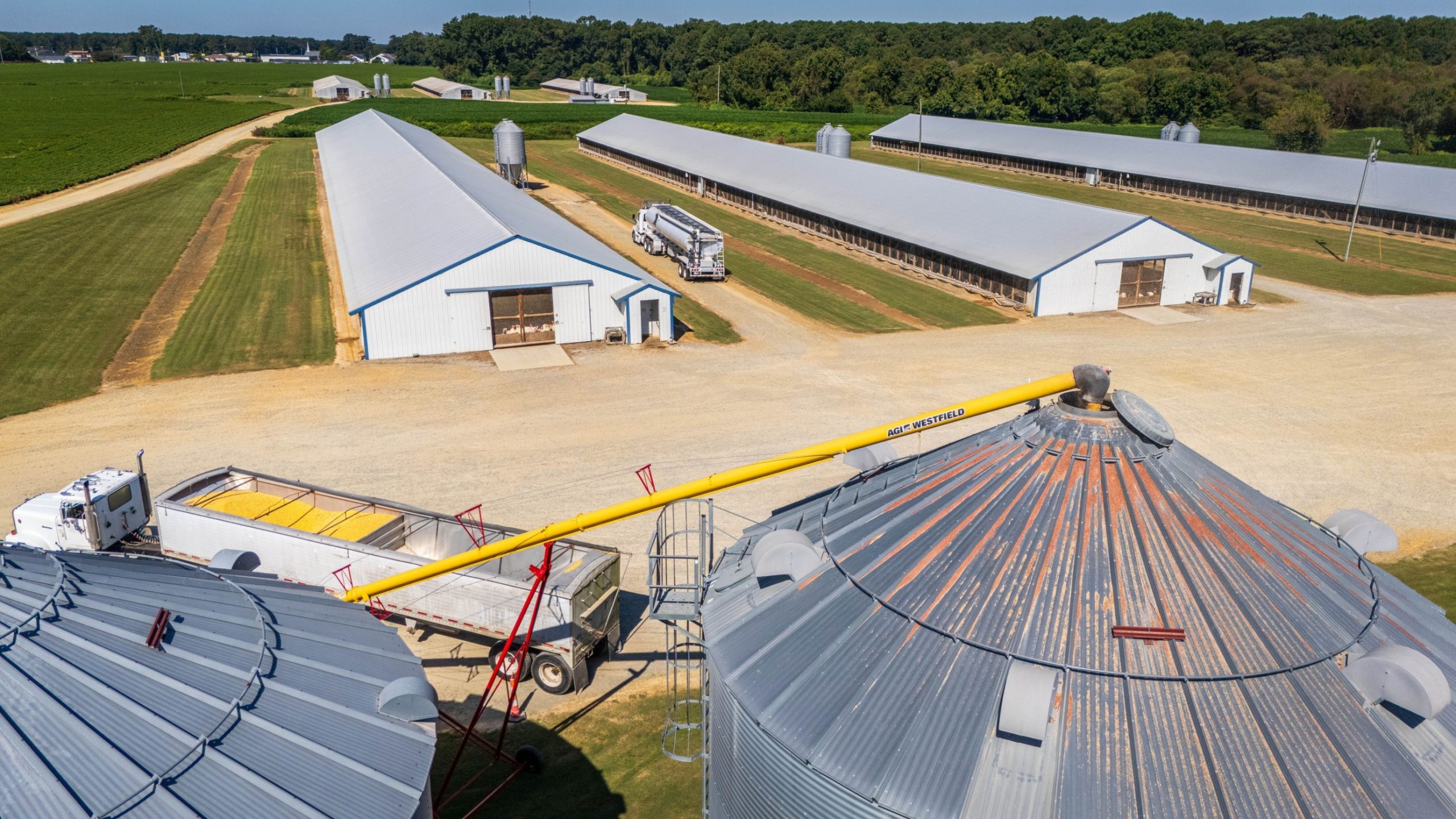


Once the harvest is done and the produce reaches a warehouse, it often feels like the job is complete.

The crop is safe, protected from weather and spoilage, and ready for sale.

But if you pause for a moment, there’s an interesting question here: Is that stored commodity just sitting there… or can it actually do more?

Because in today’s agricultural ecosystem, storage isn’t just about holding stock. Increasingly, it’s also about unlocking value from that stock.

And that’s where collateral management comes into the picture.

Storage Solves One Problem. Liquidity Is Another.

Warehousing has always been an important part of agriculture. It helps preserve quality, reduce losses, and manage supply across seasons.

But even with proper storage in place, one challenge remains – access to timely funds.

For many farmers and traders, the situation looks something like this:

  • Harvest arrives, and supply in the market increases
  • Prices are relatively low during this period
  • Immediate expenses like repayments, operations, and procurement still need to be managed

This often leads to early selling, even when waiting could result in better prices.

At a broader level, the scale of agriculture makes this even more relevant:

  • India produced 357 million tonnes in 2025
  • At the same time, 78 million tonnes of food are wasted in India every year due to inefficiencies

So while production is strong, the way commodities are managed after harvest still has a big impact on value realisation.

So, What Changes with Collateral Management?

Collateral management essentially allows stored commodities to be used as a basis for accessing finance.

Instead of selling immediately, a farmer or trader can:

  • Store the commodity in a verified warehouse
  • Have it assessed and documented properly
  • Use it to access credit from financial institutions

This changes the role of storage quite significantly. The commodity becomes something that can support liquidity when it’s needed.

Some of the practical benefits include:

  • The ability to wait for better market prices
  • Improved cash flow management during key cycles
  • More structured and secure lending for financial institutions

It’s a fairly simple shift in concept, but it has a meaningful impact on how agricultural trade functions.

Why This Is Becoming More Relevant Now

Agriculture today is becoming more structured than before.

There is increasing focus on:

  • Organized warehousing
  • Transparent supply chains
  • Better integration between trade and finance

As these elements come together, the need to connect physical commodities with financial systems becomes more important.

Collateral management sits right at this intersection.

It helps bring a level of structure and confidence into the system, both for borrowers and lenders, by ensuring that the underlying asset (the commodity) is properly managed.

The Role of Technology in Making This Work

One reason collateral management is gaining more traction now is the use of technology.

Earlier, risks around storage quality, stock verification, and monitoring made lenders cautious.

Today, that’s changing with systems such as:

  • Digital inventory tracking, providing real-time visibility of stock
  • IoT-based monitoring, helping track storage conditions
  • Structured audit and reporting systems, ensuring consistency
  • Risk management frameworks, reducing uncertainty for lenders

These tools make the entire process more transparent and reliable. They also help scale the model across larger geographies and volumes.

How StarAgri Supports Collateral Management

As this ecosystem evolves, companies like StarAgri play a key role in making on-the-ground collateral management practical and dependable.

StarAgri’s approach combines infrastructure, processes, and financial enablement, ensuring that stored commodities can be effectively used within formal financial systems.

Its offerings include:

  • Scientific Warehousing Infrastructure: Warehouses are managed using standardised storage practices designed to maintain quality across different commodities and conditions.
  • End-to-End Collateral Management Services: This includes warehouse onboarding, stock verification, documentation, and ongoing monitoring, ensuring that commodities are properly assessed and recorded.
  • Inventory Monitoring and Risk Management: With structured systems in place, stock is continuously tracked and managed, providing visibility and reducing risk for lenders.
  • Support for Warehouse Receipt Financing: By enabling warehouse receipts to serve as collateral, StarAgri helps farmers, traders, and businesses access working capital without an immediate sale.
  • Process-Driven Operations and Compliance: Standard operating procedures and audit frameworks ensure consistency, transparency, and trust across all stakeholders.

Taken together, these services help create a system where storage is also financially meaningful.

Looking Ahead

As agriculture continues to evolve, the focus is gradually shifting from just production to how value is managed after production. Collateral management is a part of that shift. It doesn’t change how crops are grown. But it does change how they are used, financed, and monetised.

And as this system becomes more structured, the role of integrated players like StarAgri becomes increasingly important, bringing together storage, monitoring, and financial enablement to make the entire process more reliable and accessible.

FAQs

  1. What is collateral management in agriculture?
    Collateral management is the process of storing commodities in verified warehouses so they can be used as security to access loans.
  2. How does collateral management benefit farmers and traders?
    It helps them access funds without selling immediately, allowing better price realisation and improved cash flow management.
  3. What is warehouse receipt financing?
    It is a financing method where loans are provided against warehouse receipts issued for stored commodities.
  4. How does technology improve collateral management?
    Digital tracking, IoT monitoring, and real-time reporting improve transparency, reduce risks, and ensure better inventory control.
  5. How does StarAgri support collateral management?
    StarAgri provides scientific storage, inventory monitoring, risk management, and enables access to finance through structured collateral management services.

Disclaimer

The content published on this blog is provided solely for informational and educational purposes and is not intended as professional or legal advice. While we strive to ensure the accuracy and reliability of the information presented, StarAgri make no representations or warranties of any kind, express or implied, about the completeness, accuracy, suitability, or availability with respect to the blog content or the information, products, services, or related graphics contained in the blog for any purpose. Any reliance you place on such information is therefore strictly at your own risk. Readers are encouraged to consult qualified agricultural experts, agronomists, or relevant professionals before making any decisions based on the information provided herein. StarAgri, its authors, contributors, and affiliates shall not be held liable for any loss or damage, including without limitation, indirect or consequential loss or damage, or any loss or damage whatsoever arising from reliance on information contained in this blog. Through this blog, you may be able to link to other websites that are not under the control of StarAgri. We have no control over the nature, content, and availability of those sites and inclusion of any links does not necessarily imply a recommendation or endorsement of the views expressed within them. We reserve the right to modify, update, or remove blog content at any time without prior notice.
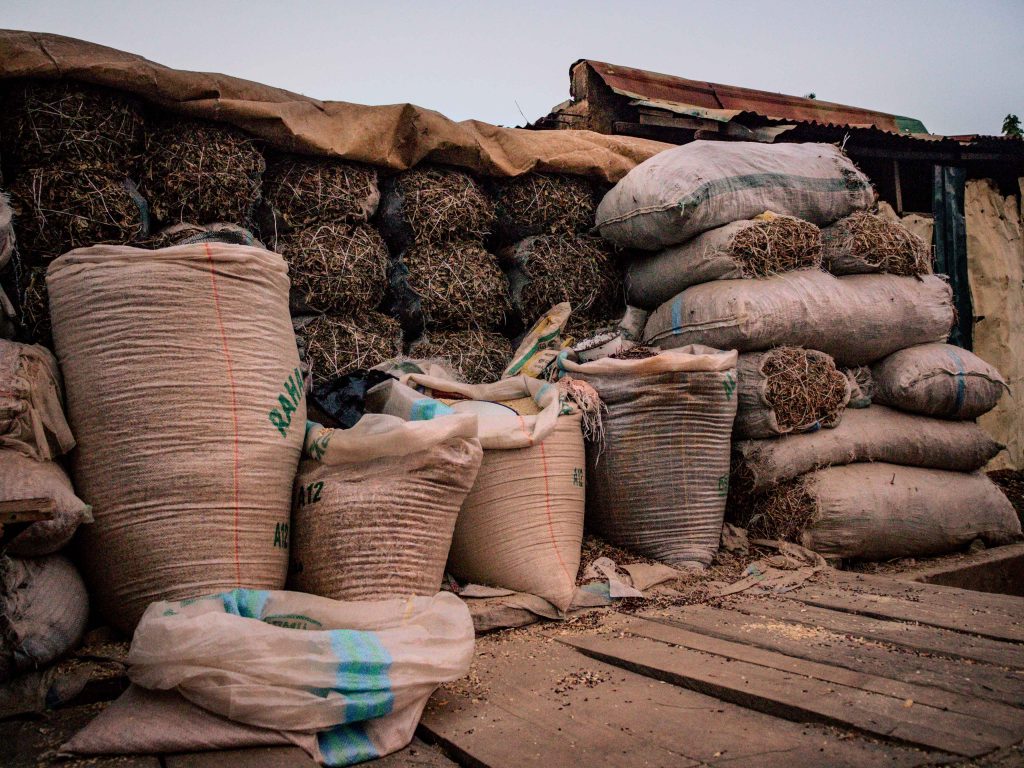


The harvest is done. The fields are cleared. The produce is ready.

But here’s a question that often goes unnoticed: what happens next?

For many, agriculture seems to end at harvest. But in reality, that’s where another equally critical journey begins. Crops must be stored, preserved, financed, and eventually moved to markets. And in this journey, one factor quietly determines whether value is preserved or lost.

That factor is warehousing.

In India, where agriculture operates at a massive scale, the way commodities are stored after harvest can significantly impact prices, quality, and even farmer incomes. And as the agricultural ecosystem evolves, warehousing is becoming smarter, more structured, and deeply integrated with finance and technology.

The Storage Challenge India Has Long Faced

India produces hundreds of millions of tonnes of agricultural commodities every year. Yet, for a long time, storage infrastructure has struggled to keep pace with this scale.

Consider this:

  • India produces millions of tonnes of food grains annually.
  • India suffers food losses of about Rs. 1.53 lakh crore (USD 18.5 billion) every year, largely due to inadequate storage and supply chain inefficiencies.
  • A significant portion of warehousing infrastructure is still fragmented or unorganised.

This gap between production and storage has real consequences. When storage is inadequate, farmers are often forced to sell immediately after harvest, when prices are typically at their lowest.

So the question becomes: What if storage could do more than just store?

When Warehousing Becomes Strategic

Modern agricultural warehousing is beginning to answer that question. Instead of being passive storage spaces, warehouses today are evolving into active nodes within the agricultural supply chain. They are becoming places where commodities are not just stored, but managed, monitored, and even financed.

Here’s how warehousing is changing:

  • Scientific storage practices help maintain quality and reduce spoilage
  • Digital inventory systems improve tracking and transparency
  • Quality certification and grading enable better price realisation
  • Integration with financial services allows stored commodities to be used as collateral

This shift is important because it changes the role of warehousing from a cost centre to a value-creating asset.

warehouse automation

The Link Between Warehousing and Agricultural Finance

One of the most interesting developments in this space is the growing connection between warehousing and finance. When commodities are stored in certified warehouses, they can serve as collateral for loans through systems such as warehouse receipt financing. This allows farmers and traders to avoid distress selling and instead access liquidity while waiting for better market prices.

This approach offers multiple advantages:

  • Farmers can hold their produce longer and sell when prices improve
  • Traders can manage inventory more efficiently
  • Financial institutions gain greater confidence in lending, backed by physical assets

As agricultural markets become more structured, this integration between storage and finance is becoming increasingly important.

Technology Is Reshaping Warehousing

Another layer of transformation is being driven by technology. Warehousing today is increasingly about data, monitoring, and risk management. Some of the technologies shaping modern warehousing include:

  • IoT-based monitoring systems to track temperature and storage conditions
  • AI-driven analytics to optimise inventory management
  • Digital platforms for real-time stock visibility
  • Remote sensing and surveillance systems for risk mitigation

These innovations are helping reduce losses, improve efficiency, and bring greater transparency to agricultural storage systems.

agri storage

StarAgri’s Role in Strengthening Storage and Collateral Management

As warehousing evolves, StarAgri is helping build a more structured and efficient post-harvest ecosystem. StarAgri operates across warehousing and collateral management services, supporting the agricultural supply chain with solutions designed to improve storage efficiency and enable financing.

Key aspects of StarAgri’s offerings include:

  • Scientific warehousing infrastructure for safe and efficient commodity storage
  • Collateral management services that enable commodities to be used as secure financial assets
  • Inventory monitoring and risk management systems to ensure transparency and control
  • Support for warehouse receipt financing, helping unlock liquidity for farmers and traders

By combining storage infrastructure with risk management and financial enablement, StarAgri plays a critical role in bridging the gap between agricultural production and market access.

Why Warehousing Is Becoming the Backbone of Agri Supply Chain

As agricultural markets become more organised and demand becomes more dynamic, warehousing is emerging as a key enabler of efficiency. Well-developed storage systems can:

  • Reduce post-harvest losses
  • Improve price realisation for farmers
  • Enable smoother supply chain operations
  • Support structured agricultural financing

In many ways, warehousing sits at the intersection of agriculture, logistics, and finance, making it one of the most critical components of the agri ecosystem.

supply chain management

Looking Ahead: The Future of Smart Warehousing

The role of warehousing in agriculture is only expected to grow in the coming years. As India continues to modernise its agricultural infrastructure, investments in storage, logistics, and digital systems are likely to accelerate.

Future-ready warehouses may increasingly incorporate:

  • AI-driven demand forecasting and inventory planning
  • Blockchain-enabled traceability systems
  • Integrated platforms connecting storage, trade, and finance
  • Sustainable and climate-resilient storage infrastructure

What was once seen as a backend function is now becoming central to agricultural value creation.

FAQs

1. Why is warehousing important in agriculture?
Warehousing helps store produce safely, reduce post-harvest losses, and enables farmers and traders to sell at the right time instead of distress selling.

2. How does scientific storage improve commodity value?
Scientific storage maintains quality, prevents spoilage, and ensures better price realization by preserving the commodity over longer periods.

3. What is collateral management in warehousing?
Collateral management allows stored commodities to be used as security for loans, helping businesses access working capital without selling their produce immediately.

4. How does organized warehousing impact supply chains?
It improves efficiency, reduces losses, ensures better inventory management, and supports smoother movement of goods across the value chain.

5. What role does StarAgri play in warehousing solutions?
StarAgri provides end-to-end warehousing and collateral management services, enabling secure storage, financing access, and efficient supply chain operations.

Disclaimer

The content published on this blog is provided solely for informational and educational purposes and is not intended as professional or legal advice. While we strive to ensure the accuracy and reliability of the information presented, StarAgri make no representations or warranties of any kind, express or implied, about the completeness, accuracy, suitability, or availability with respect to the blog content or the information, products, services, or related graphics contained in the blog for any purpose. Any reliance you place on such information is therefore strictly at your own risk. Readers are encouraged to consult qualified agricultural experts, agronomists, or relevant professionals before making any decisions based on the information provided herein. StarAgri, its authors, contributors, and affiliates shall not be held liable for any loss or damage, including without limitation, indirect or consequential loss or damage, or any loss or damage whatsoever arising from reliance on information contained in this blog. Through this blog, you may be able to link to other websites that are not under the control of StarAgri. We have no control over the nature, content, and availability of those sites and inclusion of any links does not necessarily imply a recommendation or endorsement of the views expressed within them. We reserve the right to modify, update, or remove blog content at any time without prior notice.


India has registered its highest-ever foodgrain production in 2024–25, reaching 357.73 million tonnes, according to the final crop output estimates released today by the Ministry of Agriculture & Farmers Welfare.  Yet despite strong production growth, a silent crisis continues to undermine farmers’ incomes and national food security due to post-harvest crop losses.

Post-harvest losses remain a persistent challenge across the agricultural value chain. Studies indicate that India loses agricultural produce worth over ₹1.5 lakh crore every year due to inefficiencies in storage, transportation, processing, and supply chain management. 

So why does India lose so much produce after harvest? And more importantly, how can technology and infrastructure change this reality?

The real reasons behind post-harvest losses

  • Inadequate Scientific Storage: One of the biggest contributors to crop loss is poor storage infrastructure. While India has expanded warehousing capacity over the years, a significant portion of produce, especially at the farmgate level, is still stored in temporary or unscientific conditions.
    Improper stacking, excess moisture, pest infestation, fungal growth, and lack of ventilation can reduce both the quantity and quality of stored grains. Even a small increase in moisture content can lead to aflatoxin contamination in pulses and oilseeds, rendering stock unfit for trade. For perishable commodities, the situation is even more difficult.
  • Gaps in cold chain infrastructure: India is one of the largest producers of fruits and vegetables globally, yet nearly a quarter of this output is wasted due to inadequate cold chain systems. While cold storage capacity has crossed millions of tonnes, it remains unevenly distributed and heavily concentrated in select states and commodities, such as potatoes.
    The absence of pre-cooling units, reefer transport, packhouses, and temperature-controlled logistics results in significant spoilage before produce even reaches mandis or processing units.

harvest

  • Fragmented supply chains and market volatility: Agricultural markets in India are highly seasonal. During peak harvest periods, sudden supply gluts cause prices to crash. Without access to storage or financing, farmers are often forced into distress sales.
    This leads to a paradox: bumper production on one hand and falling farm incomes on the other.
  • Limited access to finance post-harvest: Liquidity constraints play a major role in post-harvest losses. When farmers and traders lack working capital, they cannot afford to hold inventory, invest in better storage, or transport produce to distant markets that offer higher prices.
    As a result, produce is rushed into the market, often at suboptimal prices, increasing waste and reducing profitability.

How technology can prevent post-harvest losses

The solution to India’s post-harvest crisis lies at the intersection of infrastructure, technology, and finance.

  • Scientific warehousing: Modern warehouses equipped with moisture control systems, scientific stacking protocols, aeration, and regular fumigation dramatically reduce storage losses. Digital warehouse management systems enable real-time stock monitoring, quality assessment, and traceability. Warehouse Receipt Systems (WRS) further strengthen this ecosystem by allowing stored commodities to be used as collateral for loans, thereby reducing the pressure to sell immediately.
  • IoT and real-time monitoring: IoT-based sensors can monitor temperature, humidity, and gas levels inside storage facilities. Alerts triggered by deviations prevent spoilage before it becomes irreversible. Similarly, GPS-enabled transport tracking reduces transit delays, a major cause of deterioration in perishable commodities.
  • AI-driven demand forecasting: Artificial Intelligence tools now help predict price trends, demand cycles, and optimal selling windows. By aligning harvest timing with market conditions, farmers and aggregators can avoid distress sales and oversupply.
  • Integrated agri value chain platforms: Digitally connected ecosystems that combine storage, finance, risk management, and trade create resilience. When infrastructure and capital move in tandem, losses decline significantly.

How StarAgri strengthens India’s post-harvest ecosystem

Efficiently reducing post-harvest losses lies in scientific warehousing, and this is where StarAgri plays a transformative role.

  1. Scientific Warehousing: StarAgri operates and manages a widespread network of 2200+ professionally managed warehouses across 380+ locations in India. These facilities follow stringent quality control, stack management, fumigation, and inspection protocols to preserve commodity integrity.
    By providing secure, scientifically managed storage, StarAgri directly addresses one of India’s biggest loss points, improper warehousing.
  2. Collateral Management & Risk Mitigation: Through structured collateral management services, stored commodities are monitored, audited, and quality-assured. This reduces spoilage, pilferage, and financial risk for lenders and traders alike.
  3. Structured Trade Finance (STF): StarAgri’s Structured Trade Finance solutions unlock liquidity against warehoused, in-transit, and even imported goods. By ensuring access to timely working capital, the company prevents distress selling and enables better price realisation.
  4. Technology Integration: With digital stock tracking, audit systems, and integrated risk frameworks, StarAgri strengthens transparency across the agricultural supply chain, reducing inefficiencies that often lead to crop loss.

Conclusion

India’s agricultural production story is strong, but production alone does not guarantee prosperity. Unless post-harvest inefficiencies are addressed, farmers will continue to lose value even after a successful harvest.
Reducing losses by even 5–10% could save billions of rupees annually, improve farmer incomes, stabilise food prices, and strengthen national food security.

The path forward is clear: invest in scientific warehousing, embrace technology, integrate finance, and build resilient agri-infrastructure.

FAQs

  • What are post-harvest losses in agriculture?
    Post-harvest losses refer to the reduction in the quantity or quality of agricultural produce after harvest. These losses can occur during harvesting, handling, storage, transportation, processing, or marketing. In India, post-harvest losses affect crops like cereals, pulses, fruits, and vegetables, leading to reduced farmer incomes and food wastage.
  • How much agricultural produce is lost after harvest in India?
    A considerable share of India’s agricultural produce is lost after harvest due to gaps in storage, handling, and transportation. Perishable crops like fruits and vegetables are especially vulnerable to these losses.
  • What are the major causes of post-harvest crop losses in India?
    The main causes of post-harvest losses in India include lack of scientific warehousing, limited cold chain infrastructure, inefficient supply chains, poor handling practices, and limited access to post-harvest financing. These factors often force farmers to sell produce quickly or store it in unsuitable conditions.
  • How can technology reduce post-harvest losses in agriculture?
    Technology can significantly reduce post-harvest losses through solutions such as scientific warehousing, IoT-based monitoring systems for temperature and humidity, AI-driven demand forecasting, and digital platforms that connect farmers directly with buyers. These innovations improve storage conditions, logistics efficiency, and market access.
  • How does warehousing help reduce crop losses after harvest?
    Scientific warehousing helps maintain the quality and shelf life of agricultural commodities by controlling moisture, pests, and storage conditions. Modern warehouses also enable inventory monitoring and warehouse receipt financing, allowing farmers and traders to safely store produce and sell it when market prices are favourable.

Disclaimer

The content published on this blog is provided solely for informational and educational purposes and is not intended as professional or legal advice. While we strive to ensure the accuracy and reliability of the information presented, StarAgri make no representations or warranties of any kind, express or implied, about the completeness, accuracy, suitability, or availability with respect to the blog content or the information, products, services, or related graphics contained in the blog for any purpose. Any reliance you place on such information is therefore strictly at your own risk. Readers are encouraged to consult qualified agricultural experts, agronomists, or relevant professionals before making any decisions based on the information provided herein. StarAgri, its authors, contributors, and affiliates shall not be held liable for any loss or damage, including without limitation, indirect or consequential loss or damage, or any loss or damage whatsoever arising from reliance on information contained in this blog. Through this blog, you may be able to link to other websites that are not under the control of StarAgri. We have no control over the nature, content, and availability of those sites and inclusion of any links does not necessarily imply a recommendation or endorsement of the views expressed within them. We reserve the right to modify, update, or remove blog content at any time without prior notice.