Category Archives: Uncategorized

The agri storage and warehousing landscape witnessed transformative shifts in 2025, driven by technological innovation, policy support, sustainability imperatives, and the rising need to reduce post-harvest losses. As global and Indian markets evolve rapidly, agribusinesses and farmers alike are reconfiguring how produce is stored, managed, and moved across supply chains. Here’s a comprehensive look at the standout trends of 2025 and what the industry should expect heading into 2026.

Key trends that defined agri storage & warehousing in 2025

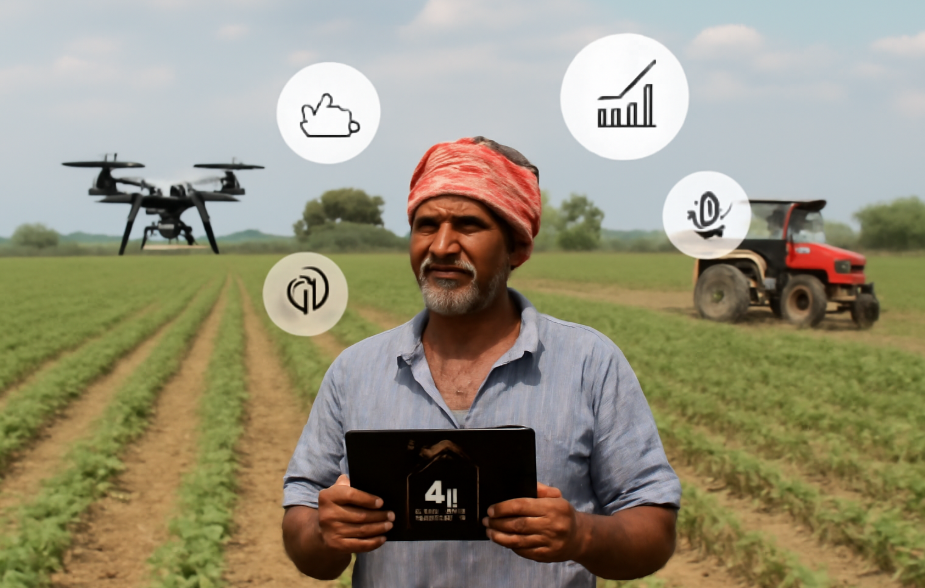
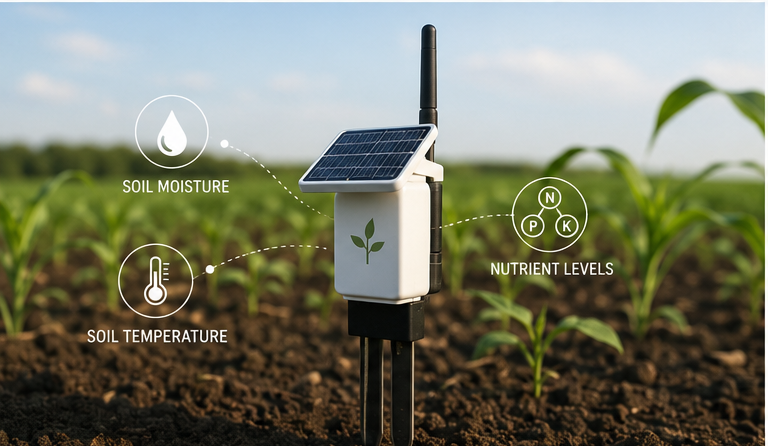
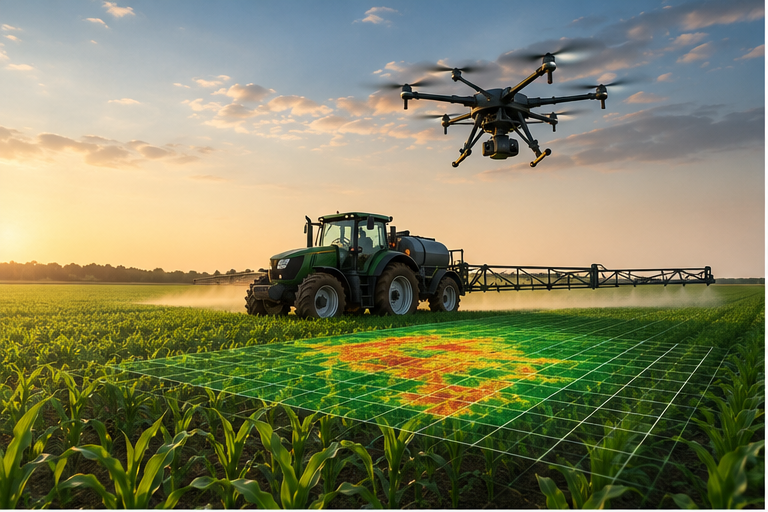
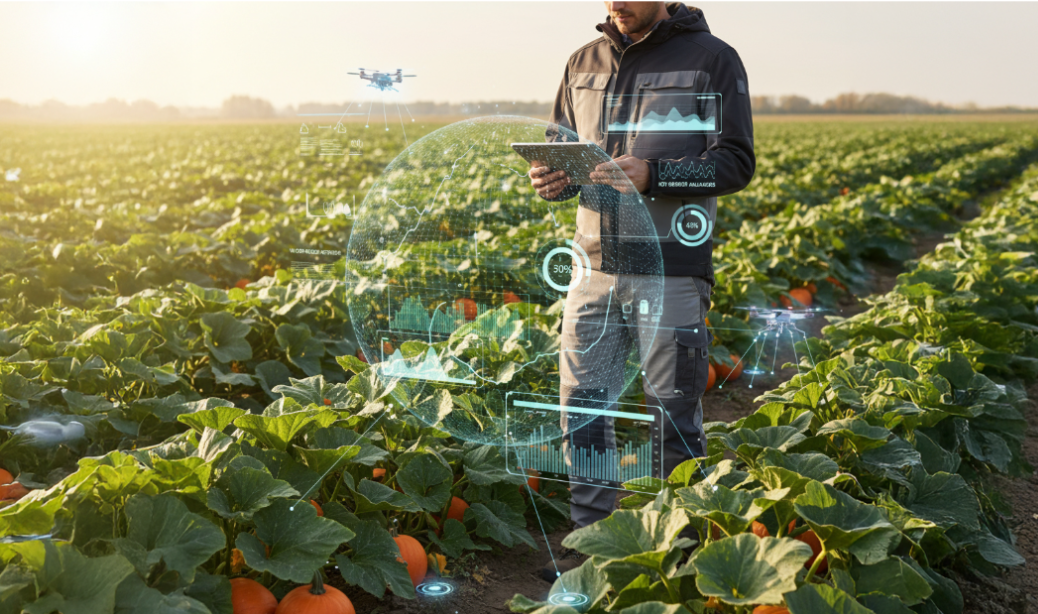
  • Rise of smart, tech-enabled storage solutions: 2025 marked a significant increase in the adoption of IoT, AI, and real-time monitoring systems within warehouses. These technologies have enabled agristores to maintain optimal environmental conditions, reduce spoilage, and improve traceability. IoT sensors continuously monitor temperature and humidity, generating automated alerts to prevent quality degradation, an essential advance considering India loses an estimated food worth billions annually due to inadequate storage.
    Digital inventory tracking using RFID and QR codes ensures accurate stock visibility and minimises theft or misplacement, a shift that’s reshaping warehouse efficiency across the value chain.

  • Infrastructure expansion supported by policy and investments: In 2025, the Indian government continued to emphasise closing the agricultural storage gap. Policies under schemes such as the Agricultural Marketing Infrastructure and thePM-Krishi Sampada Yojana have helped sanction thousands of new storage projects, addressing historical deficits and strengthening food security.
    Despite substantial improvements, India’s total warehousing capacity meets only around 50-60% of agricultural storage demand, highlighting the urgency for further expansion. Private sector participation has picked up pace as well, with investments in grade-A warehouse facilities, cold chains, and silo storage, helping accommodate diverse crop types and reduce seasonal bottlenecks.

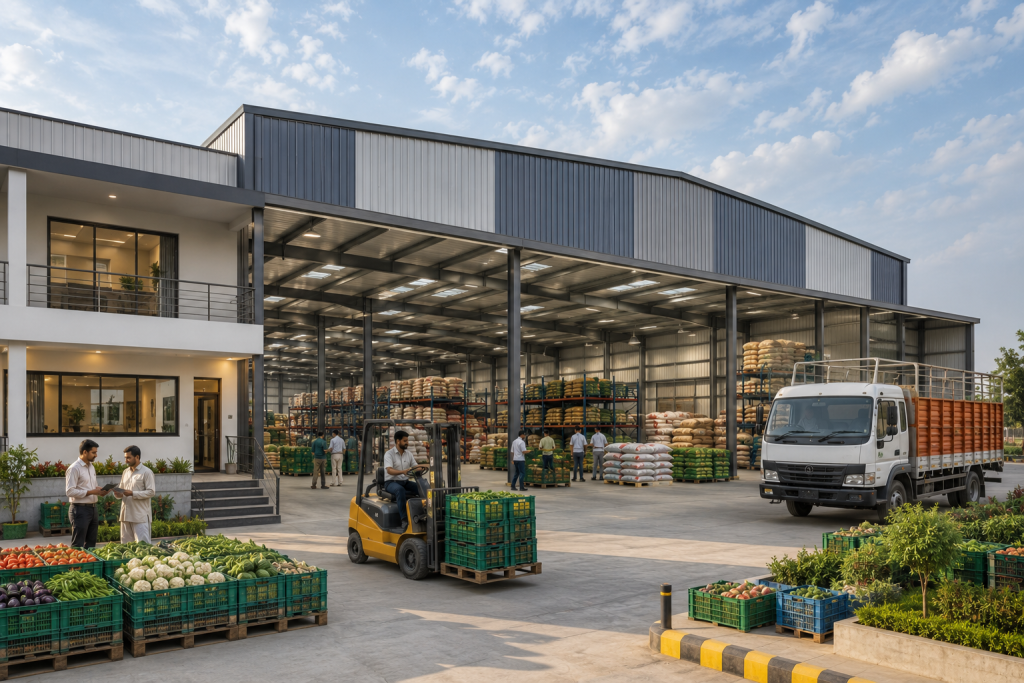
agri storage

  • Acceleration of cold chain & perishable storage: One of the most pressing challenges in agricultural supply chains is the spoilage of perishables such as fruits and vegetables. Modern cold chain infrastructure, particularly in key states like Uttar Pradesh and West Bengal, expanded sharply in 2025, accounting for a significant slice of storage capacity.
    With the cold chain segment growing rapidly to preserve freshness and extend shelf life, stakeholders are optimising for temperature-controlled warehousing that aligns with export requirements and domestic market standards.
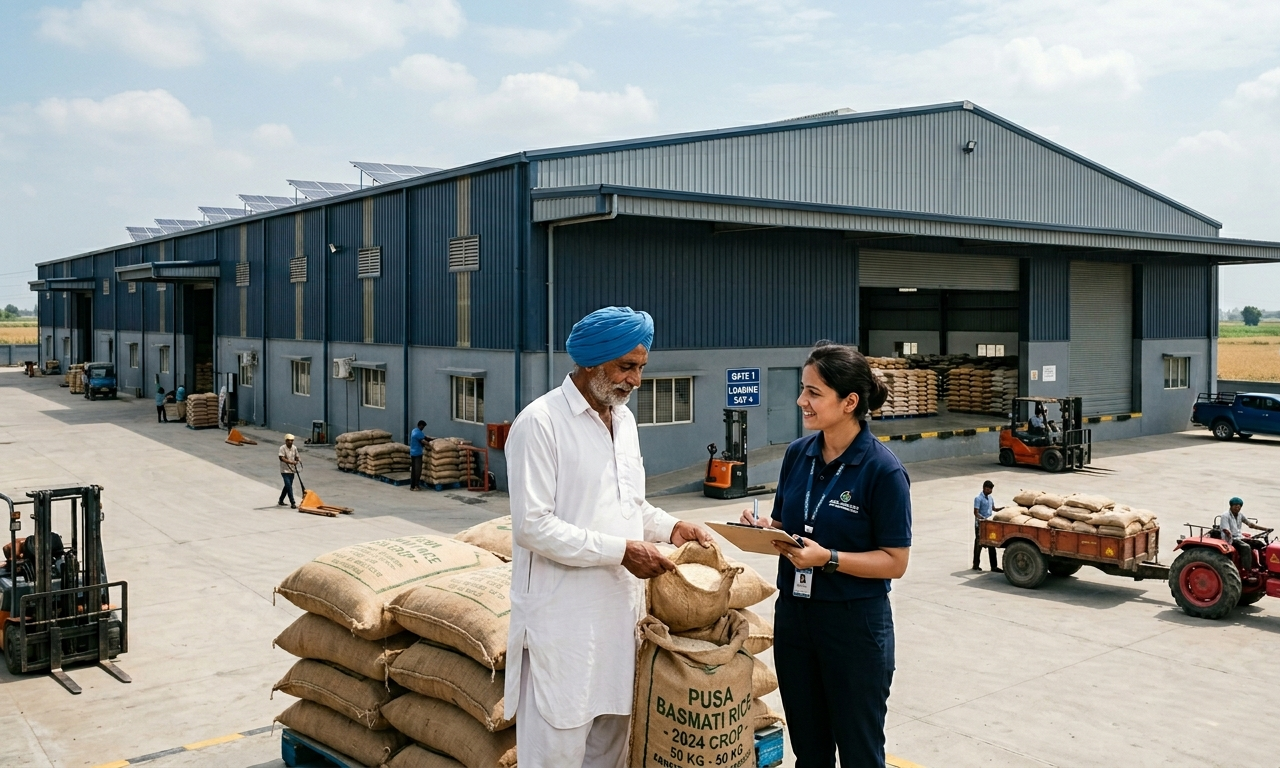
  • Sustainability & ‘Green warehousing’ become core focuses: Environmental, Social, and Governance (ESG) performance is no longer aspirational — it’s imperative. Warehouses are adopting solar energy, water recycling, and eco-friendly materials, enhancing both operational efficiency and long-term sustainability. Green infrastructure not only aligns with global carbon-reduction goals but also enhances the export competitiveness of agricultural products by meeting carbon-compliance criteria in international markets.
  • Integration of financial services with physical storage: In 2025, warehousing services increasingly converge with collateral management and financing solutions. Agritech firms began offering end-to-end solutions that not only house commodities but also enable access to structured credit, enhancing liquidity for farmers and agribusinesses ahead of trade or processing. This trend effectively bridges the gap between physical storage and financial inclusion, a crucial step towards a more resilient agri-ecosystem.

Projected trends to watch in 2026

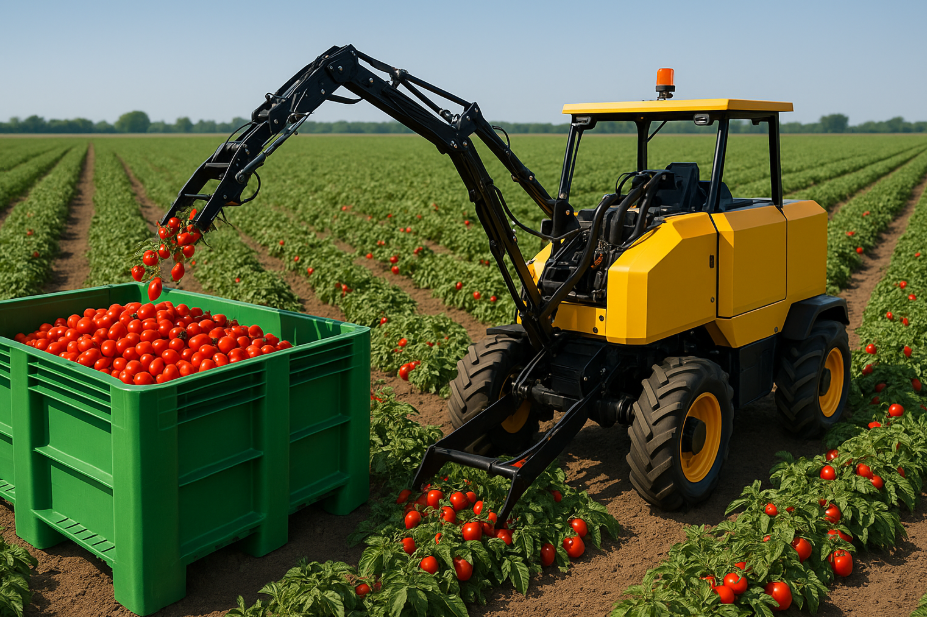
  • Continued tech consolidation & AI-driven operations: In 2026, innovative technologies will become even more embedded in agri warehousing operations, with enhanced use of AI-powered predictive analytics, automated robotics, and advanced data dashboards to forecast storage needs, optimise space use, and anticipate crop arrival patterns. Expect increased deployment of machine learning tools to predict spoilage risk and dynamically adjust storage parameters.
  • Expansion into tier-II and tier-III regions: With logistics networks densifying, warehousing hubs will increasingly spread into tier-II and tier-III cities to improve last-mile connectivity and reduce logistical costs, mirroring broader industrial real estate trends. This pattern will help small farmers access storage closer to production zones, enhancing inclusivity.

  • Sustainability standards as competitive differentiators: ESG credentials will not be add-ons but performance indicators, with investors and global buyers demanding sustainability certifications, energy-efficiency ratings, and low-carbon footprints from their warehouse partners.

staragri

StarAgri services powering the future of agri storage

As India’s largest integrated agritech company, StarAgri is at the forefront of these transformations:

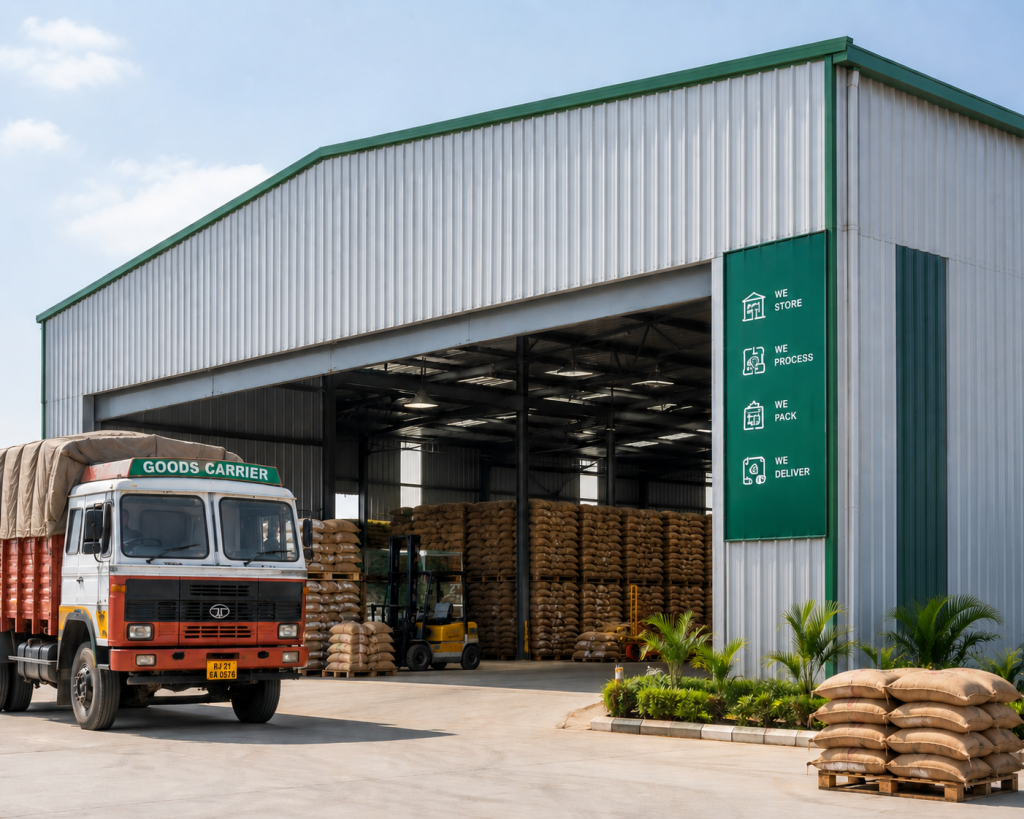
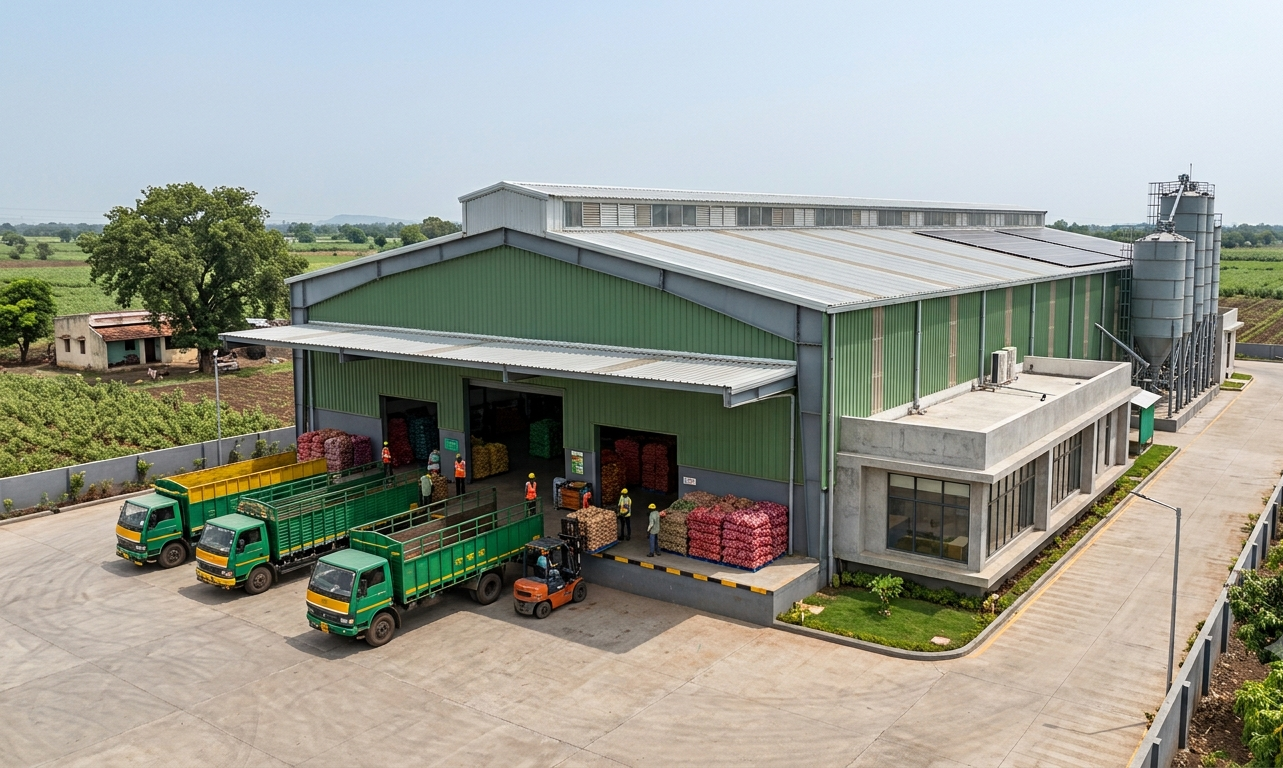
  • Warehousing network: With over 2,204 warehouses across India, StarAgri provides secure and compliant storage solutions tailored to diverse crop profiles.
  • IoT & remote monitoring: Leveraging cutting-edge IoT and remote sensing tech, we offer real-time environment tracking, helping reduce spoilage and optimise conditions for grains, pulses, and perishables.
  • Collateral management: Our integrated collateral management services unlock working capital against stored produce, empowering farmers with finance when it matters most.
  • Sustainable infrastructure: With green warehousing innovations like solar-assisted facilities and energy-efficient designs, StarAgri champions sustainability at scale.

FAQs

  1. What is driving the growth of agri warehousing in India?
    Growth is fuelled by government investment, private-sector participation, technology adoption (IoT & AI), cold-chain expansion, and increased focus on reducing post-harvest losses.
  2. How big is the global farm product warehousing market in 2025?
    The global farm product warehousing and storage market is estimated at around $108.5 billion in 2025, growing steadily as the broader adoption of technologically advanced storage solutions increases.
  3. Why is sustainability important in agri storage?
    Sustainability reduces energy costs, improves compliance with export standards, enhances ESG scores, and future-proofs logistics infrastructure.
  4. What technologies define modern warehousing?
    IoT sensors, AI analytics, remote sensing, blockchain for traceability, and automation tools are central to modern storage operations.
  5. How can StarAgri support agri storage needs?
    StarAgri provides scientific storage, digital tracking, collateral management, financing solutions, and sustainable infrastructure — end-to-end support for agribusinesses and farmers.

Disclaimer

The content published on this blog is provided solely for informational and educational purposes and is not intended as professional or legal advice. While we strive to ensure the accuracy and reliability of the information presented, StarAgri make no representations or warranties of any kind, express or implied, about the completeness, accuracy, suitability, or availability with respect to the blog content or the information, products, services, or related graphics contained in the blog for any purpose. Any reliance you place on such information is therefore strictly at your own risk. Readers are encouraged to consult qualified agricultural experts, agronomists, or relevant professionals before making any decisions based on the information provided herein. StarAgri, its authors, contributors, and affiliates shall not be held liable for any loss or damage, including without limitation, indirect or consequential loss or damage, or any loss or damage whatsoever arising from reliance on information contained in this blog. Through this blog, you may be able to link to other websites that are not under the control of StarAgri. We have no control over the nature, content, and availability of those sites and inclusion of any links does not necessarily imply a recommendation or endorsement of the views expressed within them. We reserve the right to modify, update, or remove blog content at any time without prior notice.

India’s next phase of agricultural growth will not be driven solely by higher acreage or yields. It will be shaped by how efficiently crops are stored, moved, financed, and connected to markets. As food supply chains become more time-sensitive and quality-driven, strengthening agri infrastructure emerges as a national priority, one that demands deeper participation from private players with the ability to build, operate, and scale modern solutions.

The scale of the gap

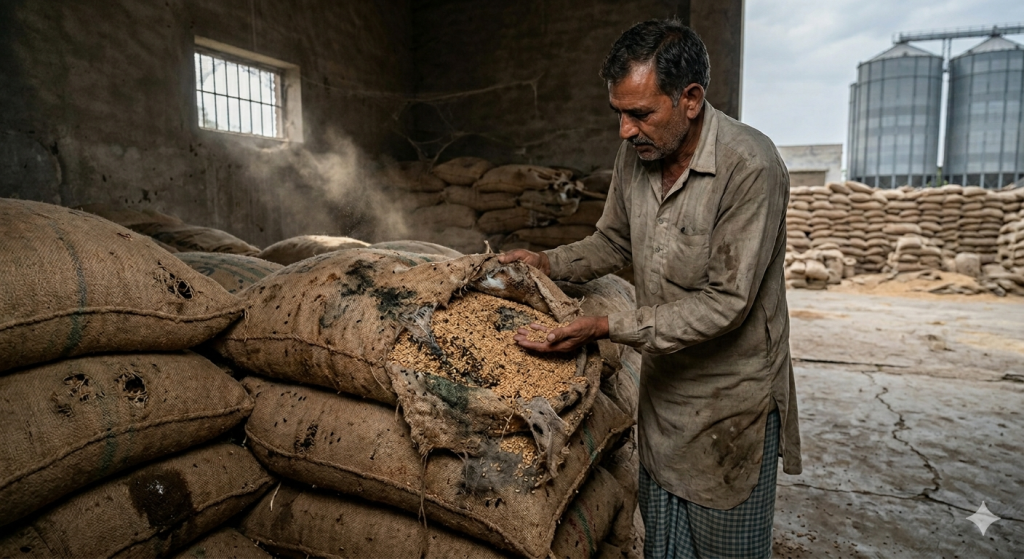
Every year, India loses a substantial portion of its produce between farm and fork. Recent government-linked studies and sector analyses estimate post-harvest losses running into tens of millions of tonnes annually, a drain on farmer incomes and national food security.

Cold storage and cold-chain capacity have expanded rapidly but remain unevenly distributed, often focused on a few states and commodities. As of June 30, 2025, India reported around 8,815 cold storage facilities with a combined capacity of about 40.2 million tonnes, signalling both progress and the size of the logistics challenge ahead.

At the same time, modern warehousing demand is surging: leasing in India’s industrial and warehousing market rose sharply in H1-2025 (record activity and 63% YoY growth), reflecting stronger demand from 3PLs, e-commerce, and food distribution partners, all of which require reliable agri logistics and storage.

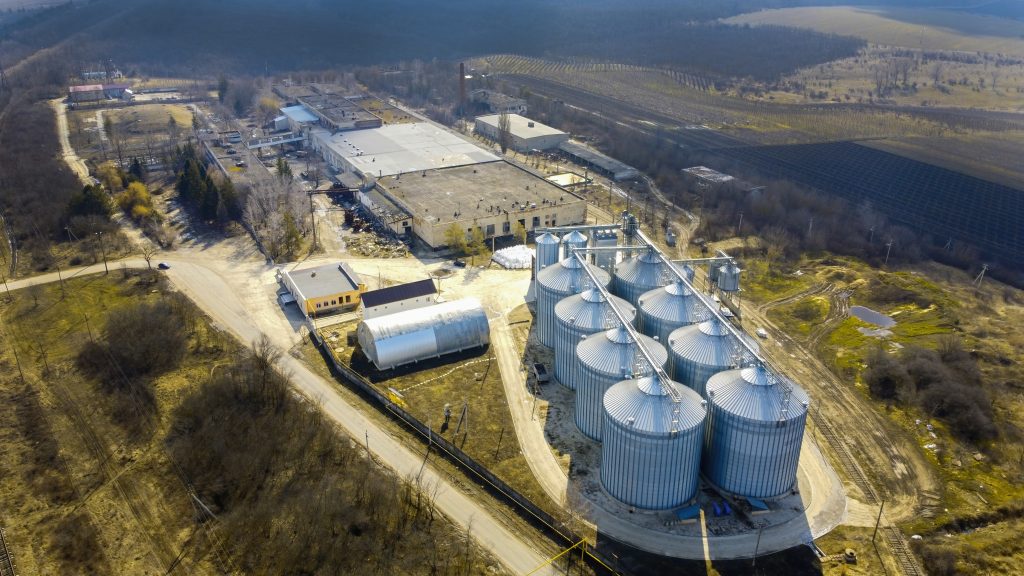
cold storage

Role of private players in establishing agri infrastructure

  • Speed and scale of capital deployment: Private firms can mobilise equity and project finance to build modern warehouses, packhouses and cold-chain assets faster than many public programs, meeting demand in high-growth corridors.
  • Technology and operations expertise: Many private operators bring inventory management systems, IoT temperature monitoring, and integrated last-mile logistics that dramatically reduce spoilage and improve traceability.
  • Market-linked pricing and incentives: Private infrastructure enables warehouse receipts, collateralisation and market-linked financings that can convert stored produce into working capital for farmers and traders.
  • Integration with value-add services: Private players can offer sorting, grading, minimal processing and linkages to processors and exporters — creating more remunerative market outcomes for growers.

Economic upside for the country

The cold-chain and warehousing segments are predicted to be among the fastest-growing parts of the logistics ecosystem. Industry estimates show India’s cold-chain market was already large (over INR 2287.5 Billion in 2024 figures) and poised for further expansion to  INR 6061.7 Billion by 2033 at a CAGR of 10.86% (2025-2033) as food processing and fresh exports scale up. Similarly, Grade-A warehousing stock in India was on track to exceed 300 million sq ft by 2025, indicating rising professionalisation of storage capacity.

Investing in private agri infrastructure therefore multiplies benefits:

  • Lower post-harvest losses
  • Higher availability of quality produce for processors
  • Improved export readiness
  • Better farm credit against stored commodities.

agri infra

Policy enablers: Public + Private partnership

The public sector has invested in schemes and subsidies for cold chains, but gaps remain in last-mile, smallholder-friendly storage and integrated logistics. A pragmatic path is stronger PPPs and enabling regulations for warehouse receipts, transparent grading standards, tax incentives for green cold chains and streamlined land/clearances for agri-warehouses. Private operators, working alongside state programs, can deploy commercially sustainable models while public policy ensures equitable access for farmers.

StarAgri services supporting agri infrastructure growth

StarAgri offers an integrated set of services that directly complements private agri infrastructure expansion:

  • Pre-harvest intelligence: Satellite-verified land intelligence that geo-tags farms, captures crop history, acreage, and crop patterns, and supports better planning, risk assessment, and credit decision-making even before harvest.
  • Warehousing & Collateral Management: End-to-end warehouse onboarding, inspection, activation, and periodic revalidation to ensure safe, compliant, and transparent storage of agricultural commodities. Through collateral management, StarAgri helps customers to have access to easy credit options.
  • Integrated Logistics Support: Facilitates efficient movement of commodities across the supply chain—from farm gates and mandis to warehouses, processors, and export destinations.
  • Quality Testing through Star Labs: Scientific assaying and quality testing services that ensure standardisation, price discovery, and trust in commodity transactions.
  • Value-Added Services: Grading, sorting, and other services that improve commodity quality, consistency, and market readiness.

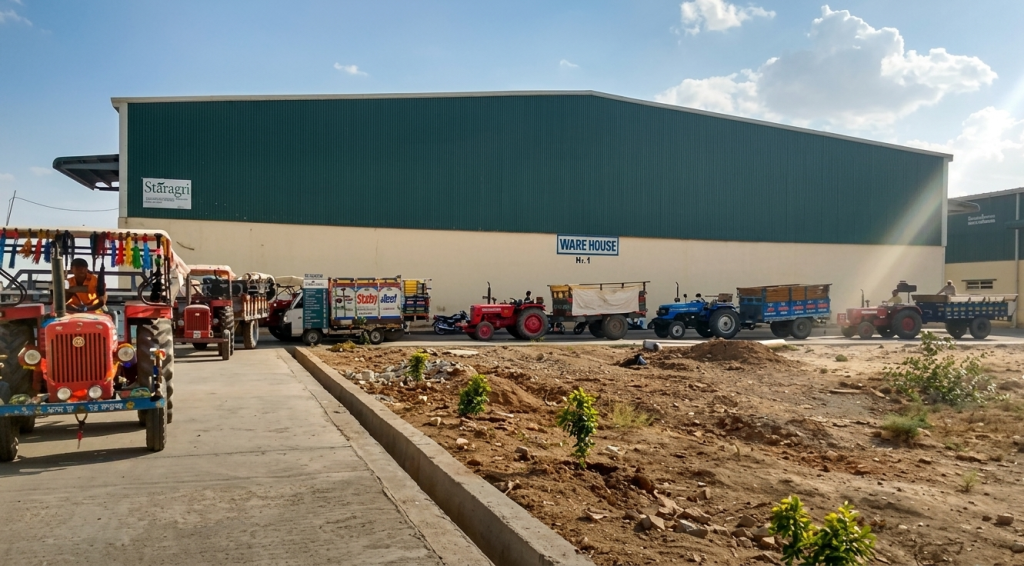
staragri warehouse

Conclusion

India’s agricultural growth story will increasingly be defined by the strength of its agri infrastructure, from pre-harvest intelligence and quality assurance to storage, logistics, and market linkage. Greater participation from private players can bridge long-standing gaps in efficiency, transparency, and scalability across the value chain. With its integrated ecosystem spanning agritech solutions, warehousing and collateral management, logistics, and Star Labs, StarAgri is playing a critical role in building future-ready agri infrastructure that supports farmers, strengthens trade, and accelerates the formalisation of India’s agricultural economy.

FAQs

  • What is meant by ‘agri infrastructure’?
    It includes physical and digital assets that support agriculture, such as warehouses, cold storages, packhouses, processing units, transport links, and systems like warehouse receipt platforms and inventory software.
  • How do private players reduce post-harvest losses?
    By providing temperature-controlled storage, faster handling, better grading/sorting, and traceable logistics that reduce spoilage and quality downgrades.
  • Will more private infrastructure hurt small farmers?
    Properly structured, private infrastructure increases market access and provides options (paid storage, market linkages, credit against inventory). Policy design and inclusive business models are important to ensure smallholder benefits.
  • How can farmers access finance using warehoused produce?
    Through warehouse receipt financing and structured trade finance, farmers or aggregators can pledge stored produce as collateral to obtain short-term working capital, a service StarAgri provides.
  • What role should the government play?
    The government should enable PPPs, provide targeted incentives for hinterland cold-chain and smallholder-friendly warehouses, and ensure standards and frameworks (grading, receipts) that build trust in private supply chains.

Disclaimer

The content published on this blog is provided solely for informational and educational purposes and is not intended as professional or legal advice. While we strive to ensure the accuracy and reliability of the information presented, StarAgri make no representations or warranties of any kind, express or implied, about the completeness, accuracy, suitability, or availability with respect to the blog content or the information, products, services, or related graphics contained in the blog for any purpose. Any reliance you place on such information is therefore strictly at your own risk. Readers are encouraged to consult qualified agricultural experts, agronomists, or relevant professionals before making any decisions based on the information provided herein. StarAgri, its authors, contributors, and affiliates shall not be held liable for any loss or damage, including without limitation, indirect or consequential loss or damage, or any loss or damage whatsoever arising from reliance on information contained in this blog. Through this blog, you may be able to link to other websites that are not under the control of StarAgri. We have no control over the nature, content, and availability of those sites and inclusion of any links does not necessarily imply a recommendation or endorsement of the views expressed within them. We reserve the right to modify, update, or remove blog content at any time without prior notice.

With the Indian agri economy evolving, simply harvesting a good crop is no longer enough. Buyers, processors, warehouses, and exporters expect standards to be scientifically validated. That’s why performing a few key quality tests before selling produce can help farmers lock in better prices, avoid rejections, and ensure compliance.
According to a recent nationwide assessment by NABARD Consultancy Services (NABCONS) commissioned by the Ministry of Food Processing Industries (MoFPI), post-harvest losses across cereals, pulses, oilseeds, fruits and vegetables still hover between roughly 3.9% to 15%, depending on the commodity, underlining how critical testing and proper handling remain.

How can these be reduced? Well, getting the crops assayed is one of many ways. Below are 5 standardised tests that farmers should consider.

  1. Moisture Content Test
    One of the first and most essential quality tests is measuring moisture content, typically following internationally recognised methods such as ISO 712 (for cereals) or AOAC standards. Moisture determines how well grains and oilseeds store, whether they’re safe from fungal damage, and whether they retain their weight up to delivery. For example, for many common grains, the safe moisture content limit is around 12–14% (depending on the crop and standards). Exceeding these limits frequently causes spoilage or leads to rejection at the mandi or warehouse gate. Using a calibrated moisture meter or lab-based drying method gives dependable readings.quality tests
  2. Test Weight / Bulk Density Test
    Another essential measure is the test weight (or bulk density) of grains, which indicates their quality, maturity, and suitability for processing or milling. In India, national grade standards under Agmark and referenced BIS/ISI norms set clear expectations for such parameters. A higher test weight generally correlates with better milling yield, cleaner grain, and higher market value. Conducting this test before sale helps farmers and buyers agree on a fair price based on scientifically measurable quality rather than just appearance or expectation.
  3. Impurity & Foreign-Matter Test
    Quality isn’t just about what’s present; it’s also about what’s not present. Impurities and foreign matter (stones, straw, dust, weed seeds, chaff, husk, etc.) reduce edible yield, cause safety risks, and often lead to lot rejection or price deduction. Under Agmark and food-safety standards, there are defined upper limits for foreign matter and impurities for various commodities. Running an impurity/foreign-matter test — by sieving, cleaning and inspecting a representative sample — helps confirm whether the lot meets accepted standards. For instance, Agmark norms for many grains restrict extraneous matter to not more than 1% by weight (with defined limits for mineral and animal-origin impurities). 
  4. Varietal Purity & Admixture Test
    Beyond physical cleanliness and density, the genetic or varietal purity of a grain or seed lot is increasingly critical, especially for pulses, spices, basmati rice or other high-value crops. Standards set by Agmark and globally respected protocols under the International Seed Testing Association (ISTA) are used to verify that a lot contains only the declared variety and isn’t mixed with inferior or undesired ones. A consistent varietal profile ensures uniform processing results, predictable yields, and trust from processors or buyers.
  5. Aflatoxin & Pesticide Residue (Food Safety) Test
    Finally, and increasingly relevant, are safety and contaminant tests: checking for aflatoxins, mycotoxins, pesticide residues, and other chemical contaminants. With stricter norms by national regulators and growing demand from exporters and institutional buyers, these scientific quality tests are often non-negotiable. This global trend is reflected in the growing size of the food-safety testing market. According to a 2024 industry report, the market was valued at USD 24.37 billion and is projected to reach USD 48.01 billion by 2033, growing at a CAGR of 7.8% from 2025 to 2033.

Importance of these tests

A 2024 study by NABCONS, under MoFPI, reports post-harvest losses ranging from ~3.9% to ~5.9% for cereals, 5.6–6.7% for pulses, 2.9–7.5% for oilseeds, and up to 15% for fruits/vegetables across various commodities in the 2020–22 period, the impact of untested or poorly graded produce on farmer income becomes clear. These losses stem from spoilage, contamination, rejection, and quality discounts, but many can be avoided or reduced if farmers run proper quality tests before sale.
By using recognised tests (such as moisture, bulk density, impurity checks, varietal purity, and safety screening), farmers not only ensure better acceptance but can also tap into higher-value markets, such as institutional buyers, processors, and exporters, that demand documented proof of quality and safety. Moreover, in a world where the global food-safety testing market is booming, investing in quality checks isn’t just about compliance; it’s about positioning produce as premium, trustworthy, and export-ready. 

Star Labs: A crop quality assessment facility by StarAgri

This is where a service-oriented agritech infrastructure becomes crucial!
StarAgri, through its Star Labs network, offers accessible, standard-compliant testing services: moisture meters, calibrated bulk density measurements, impurity and foreign-matter analysis, seed/varietal purity tests, and residue screening (mycotoxin, pesticide) via accredited partner labs. By combining these tests with transparent sampling protocols, documentation, and traceability, StarAgri lowers barriers to farmers’ access to premium value chains, reduces disputes at mandis or warehouses, and helps build trust with buyers and institutions.

FAQs:

  • What are the most important quality tests farmers should perform before selling produce?
    The most essential quality tests include moisture content, test weight, impurities & foreign matter, varietal purity, and aflatoxin or pesticide residue checks. These tests help farmers determine market grade, meet buyer specifications, and secure better pricing.
  • Why is moisture content testing so critical for crop quality?
    Moisture content directly affects shelf life, storage losses, and price discovery. High moisture levels lead to fungal growth, aflatoxins, and buyer rejection. Most commodities have recommended moisture limits—e.g., wheat (≤12%) and chana (≤10%)—to ensure safe handling and reduce spoilage.
  • Can farmers access scientific quality testing without expensive lab equipment?
    Yes. Facilities such as Star Labs by StarAgri offer ISO-aligned, FSSAI-compliant testing for moisture, impurities, mycotoxins, and more. Farmers can walk into the nearest StarAgri warehouse or partner point to get quick, accurate quality reports at affordable rates.
  • How does quality testing help farmers get better prices?
    Quality tests determine grading (A/B/C), which directly impacts price negotiations. Produce that meets buyer standards—especially in moisture and purity—can receive 5–15% higher rates in mandis, auctions, and B2B procurement channels.
  • Are aflatoxin and pesticide residue tests required for domestic sales?
    While not mandatory for all local trade, many processors, exporters, and food companies require compliance with aflatoxin (<20 ppb for groundnuts) and pesticide limits as per FSSAI MRLs. These tests are essential if farmers supply to premium markets or export-oriented buyers.
  • How does StarAgri support farmers with quality testing?
    StarAgri provides scientific sampling, commodity grading, lab-certified testing, and quality assurance reports through Star Labs. These tests help farmers access finance, reduce disputes with buyers, and improve overall transparency in the supply chain.

Disclaimer

The content published on this blog is provided solely for informational and educational purposes and is not intended as professional or legal advice. While we strive to ensure the accuracy and reliability of the information presented, StarAgri make no representations or warranties of any kind, express or implied, about the completeness, accuracy, suitability, or availability with respect to the blog content or the information, products, services, or related graphics contained in the blog for any purpose. Any reliance you place on such information is therefore strictly at your own risk. Readers are encouraged to consult qualified agricultural experts, agronomists, or relevant professionals before making any decisions based on the information provided herein. StarAgri, its authors, contributors, and affiliates shall not be held liable for any loss or damage, including without limitation, indirect or consequential loss or damage, or any loss or damage whatsoever arising from reliance on information contained in this blog. Through this blog, you may be able to link to other websites that are not under the control of StarAgri. We have no control over the nature, content, and availability of those sites and inclusion of any links does not necessarily imply a recommendation or endorsement of the views expressed within them. We reserve the right to modify, update, or remove blog content at any time without prior notice.

More than 40% of all the food produced across the globe is wasted.

India ranks 102 out of 117 in the Global Hunger Index – one of the reasons is unscientific and outdated storage methods.

Some of the challenges that plague agriculture and related businesses in India:

  • Scarcity of capital sources and formal credit for farmers
  • Lack of insurance, which raises the risk profile of farmers
  • Poor remuneration for farmers
  • Lack of access to adequate transport and storage facilities

The pandemic has further introduced new challenges over the last two years. Disruptions in global supply chains have also led to difficulties in consistency and reliability. Agribusinesses can tackle these challenges by adopting a transformation strategy based on automation and AI technologies.

Technology has the power to simplify farmers’ lives. At StarAgri, we are making the most of it to achieve our goals of food security, sustainable agribusiness value chains and delivering maximum value. Here’s how StarAgri is leveraging technology and automation to deliver modern warehousing solutions that can increase efficiency and reduce post-harvest losses:

Connected network of warehouses

We have a standardized network of warehouses across the country that all stakeholders can access via a single IT platform. It enables real-time visibility, fast data dissemination and real-time transactions for our stakeholders. Thus, they have transparent access to all the information and activities in the supply chain.

Tech-enabled quality control

StarAgri’s 500+ warehouses across India are equipped with state-of-the-art technology that features inbuilt temperature control and humidity management. This helps us provide high-quality storage with protection from pest infestation and spoilage.

Warehousing for the 21st century

Apart from modernizing the physical aspects of our warehouse infrastructure, we have also fitted them with suitable tracking technology and a digital records maintenance system. This adds value to our various storage functions and protects stored commodities.

Quality control services

We use the latest technology to provide multi-disciplinary services to our customers across the agriculture value chain. With a pan-India laboratory network and a comprehensive range of advanced analytical techniques, we help determine the composition, authenticity, origin, traceability and purity of agri commodities. This allows our customers to manage the quality standards of their produce.

Collateral management

Farmers can store their produce as collateral in our modern warehouses and secure loans to finance their business. This also enables them to sell at the right time and right price, giving them an opportunity to raise their income. We have well-defined systems to inspect and verify collateral.

Our robust reporting processes and systems acquire comprehensive information on borrowers and accurately create and assess borrower profiles by determining quantitative and qualitative risk factors. This enables farmers to avail low-cost credit, enhances their risk profile and helps us to execute loans with near-zero default rates.

We firmly believe that warehouse automation and technology is the foundation of a resilient supply chain. We are further strengthening our technology prowess with 24×7 remote monitoring facilities and a well-integrated IT system that provides real-time stock updates across locations to customers with a few clicks.

Small and marginal holdings constitute 86.2% of the total cultivable land in India.

GoI has committed resources to form and promote 10,000 new FPOs in the country.

A Farmer Producer Organization (FPO) is an organization of the farmers, for the farmers and by the farmers. It is a legal entity that aims to bring together farmers/producers as a collective to increase farmers’ competitiveness and equip them with better opportunities. It provides support services to farmers such as procurement of quality inputs, finance facilitation, marketing of products, storage, branding, packaging and export management.

Farming and allied activities are critical drivers of India’s economic development, making farmers a crucial part of India’s growth story. StarAgri believes they must get the right opportunities to participate in it and benefit from it. Crises such as the pandemic compound the vulnerabilities of small and marginal farmers, hence they must be supported.

FPOs play a key role in strengthening the farm economy, which is why StarAgri sees a valuable exchange in partnering with them. Together, StarAgri and the FPOs can enhance supply chains and give the farming community a boost. Here’s how we achieve these objectives:

Better storage

Due to its perishable nature, produce comes with a shelf life. This puts small farmers in a disadvantageous position as they have to sell their goods before they are damaged. Most of the time, their production is not enough to leverage common storage solutions. Our partnership with FPOs enables farmers to avail our modern warehouse solutions collectively. This helps them store their produce and rids them of worries. Our comprehensive warehousing solutions are equipped to protect their stock from pest infestation and pilferage. We have stringent processes in place to ensure the physical integrity of their stock, both in terms of quality and quantity. We also provide value-added services like weighing and certification. As a result, farmers enjoy better bargaining power, and we strengthen the country’s resilience by empowering farmers to produce more and reducing food loss and waste.

Financial gains

The appropriate storage solutions allow small and marginal farmers to wait for better prices, enabling them to increase their income. At the same time, our partnerships with financial institutions unlock their access to low-cost credit with their produce as collateral. The easy availability of finance empowers farmers to produce more, invest in new technologies and techniques, and practice land restoration, thereby improving efficiency.

Leverage recovery opportunities

As the world slowly recovers from the pandemic’s lows, demand for agri produce will increase. To leverage this new and growing demand, farmers will need to expand production. Therefore they will require better cashflows, more storage facilities and robust logistics support. FPOs will play a pivotal role in facilitating these. By partnering with FPOs, we can provide additional services like:

  • Agri testing such as grain analysis, chemical tests and microbiological tests to maintain the superior quality of the produce
  • Logistics and warehousing solutions for extensive forward and backward integration with the farming community
  • An electronic marketplace where FPOs can interact with buyers, and end customers can converge for fair prices and deals

By developing robust partnerships with FPOs, we can build a strong agriculture value chain and contribute to rural India’s socio-economic resilience.

Over 30 states and union territories going into a complete lockdown simultaneously led to challenges such as labour shortages.

The disruptions caused to exports of agriculture commodities are now impacting the storage capacity of warehouses.

Working together, we emerged stronger

The pandemic caught all of us off-guard and disrupted our personal and professional lives. StarAgri’s response was agile and robust, with the entire organisation working as one unit. As a result, we have become stronger. Our teams have pivoted to a flexible mindset which enables them to make quick decisions and take actions to continue supporting all our stakeholders.

Business continuity in action

Farming and allied sectors were exempted from the lockdown, which allowed us to continue our operations. But understandably, people were anxious, so some of our activities did get hindered due to COVID-19. Nevertheless, StarAgri quickly developed plans for business continuity. We actioned them to maintain operational readiness to the maximum extent possible. Through close communication with local governments and health experts, we integrated their guidance into our operations. This enabled us to ensure the safety of our employees and meet our service commitments to farmers, traders, retailers and food processing companies.

Focus on employee well-being

As we switched to a WFH mode, we ensured that the management team was in constant touch with every employee. We kept the lines of communication open, shared best practices and maintained engagement to keep everyone emotionally healthy and motivated to do their best at work. We also regularly reiterated the importance of personal safety. Additionally, we undertook hygiene measures like sanitisation and disinfection of our work premises to protect the health of our employees and their loved ones.

Tech upgrades to serve stakeholders better

Remote work meant completing most of our tasks virtually. Information technology has always played a crucial role at StarAgri, and we further leveraged its power to automate our processes, connect with stakeholders and collaborate for our daily operations. We scaled our IT systems and provided our teams with the IT hardware and software they needed to ensure the continuity of operations. Our employees were quick to adapt to the changed processes and policies, remaining dedicated and continuing to deliver excellence.

Community contributions and lessons for the future

While we were grappling with the evolving circumstances and ensuring business continuity, we also participated in community relief programmes to lend a helping hand wherever possible. For example, we actively participated in Temasek Foundation’s work of distributing life-saving medical supplies across India.

Moving ahead, we plan to continue applying the lessons learnt from battling the pandemic, such as:

  • Incorporating health and safety measures in our operational strategy and implementing them across our warehouses and offices
  • Leveraging IT to integrate all farmers, processors, traders and suppliers, on a single platform and improve operations such as business development and collections

Our employees continue to remain committed to the tasks at hand, and StarAgri hopes to emerge as a more resilient and tight-knit organization on the other side of the pandemic.

Quote: “Protecting the health of our team members, ensuring business continuity and supporting stakeholders amid the pandemic was a trial by fire. Our strong and well-knit team is working together and remains committed to achieving our objectives.”