Category Archives: Uncategorized

Today, effectively handling agricultural produce after harvest is just as important as growing it. That’s where commodity management takes centre stage, ensuring that what farmers produce is stored safely, valued precisely, financed efficiently, and connected to markets transparently. For organisations like StarAgri, this isn’t merely a service: it’s a strategic mission that supports farmers, traders, lenders, and agribusinesses across the value chain.

“According to the PHDCCI report, the foodgrain warehousing storage market is projected to grow from ₹37,336 crore in 2025-26 to ₹43,953 crore by 2030-31, driven by rising procurement needs, expanding PPP silo projects, and an active private warehousing industry.”

The next decade will witness major adoption of high-end technologies such as IoT-enabled climate monitoring, automated grain quality labs, blockchain-based traceability systems, and digital twins for predictive maintenance. These advancements will be critical to building a resilient, efficient agri-logistics backbone for India’s “Viksit Bharat @ 2047” vision.

The idea of commodity management goes beyond simple storage to include quality assurance, financing support, inventory monitoring, digitised market linkages, and deep data insights, all integrated to maximise value and minimise risk. In this article, we explore why commodity management matters, how StarAgri delivers it, and why it’s increasingly critical for modern agriculture.

What is commodity management in agriculture?

Commodity management refers to a set of services that help agricultural produce move from farm storage to market sale in the most efficient, secure, and value-accretive way possible. It covers physical storage, quality control, documentation, financing, and trade facilitation, orchestrating all elements that drive value realisation for stored agricultural commodities.

In India, this role has gained prominence due to persistent post-harvest losses and fragmented storage systems. A robust commodity management system can help reduce waste, improve market access, and unlock financial opportunities tied to stored produce.

Why commodity management isn’t just storage

Traditionally, warehousing was often limited to storing goods until they were sold. But modern commodity management services are far more strategic:

  • They ensure quality and quantity assurance, helping stakeholders trust stored inventory.
  • They enable collateral-linked financing, unlocking liquidity against stored produce.
  • They provide market and data insights, equipping farmers and traders with price trends and risk indicators.
  • They integrate technology and transparency for buyers, lenders, and storage operators.

With India’s warehousing industry projected to reach nearly USD 35 billion by 2027, propelled by digital adoption and modern logistics infrastructure, tech-enabled commodity management is becoming a critical differentiator across the value chain. (StarAgri)

How StarAgri’s commodity management services stand out

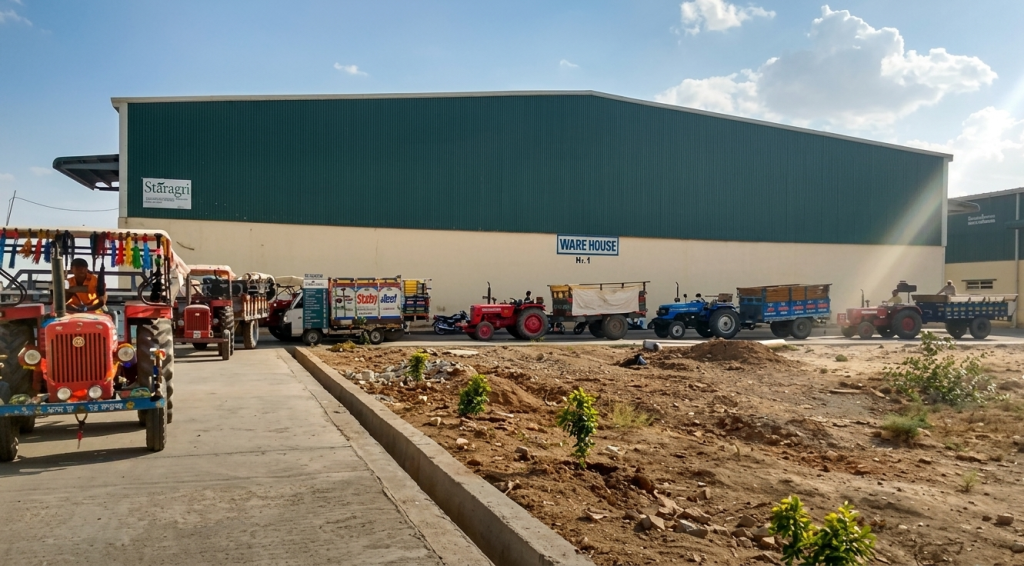
StarAgri began in 2006, focused on agri-warehousing and collateral management, and has since expanded into one of India’s most trusted integrated agri-services platforms. It now operates a pan-India network of over 2,200 scientific warehouses, with a total capacity of more than 5MMT, serving farmers, traders, processors, and institutional clients alike. (StarAgri)

Here’s how StarAgri’s commodity management services help agriculture stakeholders:

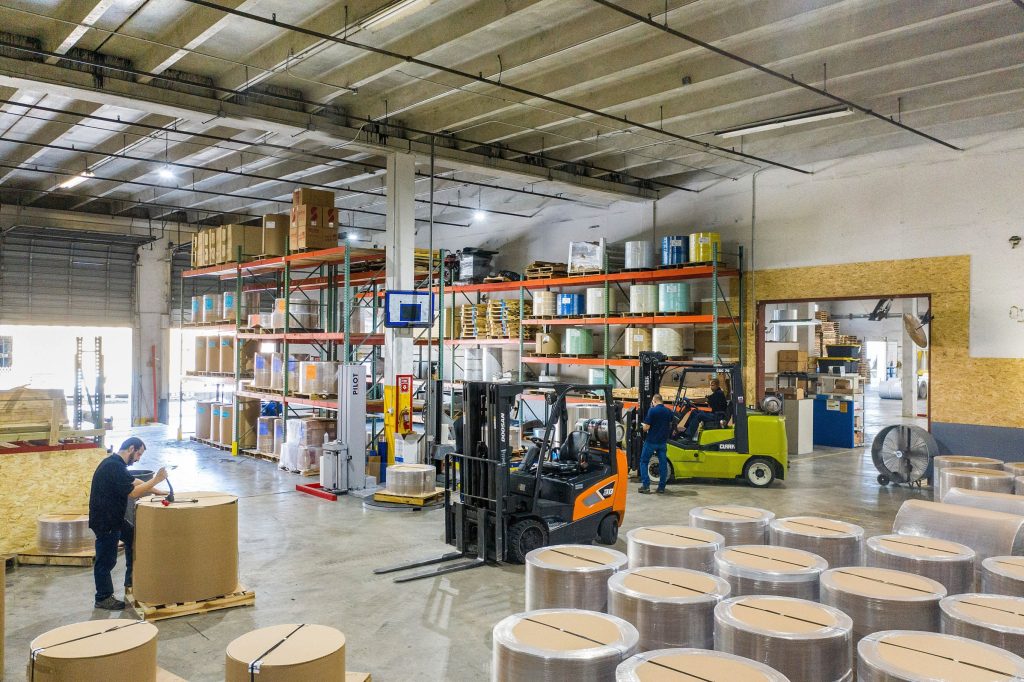
  • Scientific Warehousing & Storage: Before any agricultural commodity enters a warehouse, it undergoes quality and quantity testing. StarAgri’s facilities maintain pest-controlled environments, fumigation processes, and advanced inventory tracking, safeguarding produce and maintaining integrity throughout storage. (StarAgri)
  • Collateral Management: Stored commodities can become powerful financial assets. By partnering with over 24 leading banks and financial institutions, StarAgri enables institutions to extend credit against warehouse-receipted commodities, backed by systematic verification and documentation. This helps farmers and traders access financing without distress sales. (StarAgri)
  • Agri Financing solutions: Beyond warehouse receipt financing, StarAgri’s integrated services, through subsidiaries like Agriwise Finserv, help stakeholders unlock liquidity at competitive rates. The goal is to ensure more stakeholders have access to structured credit linked to real, quality-verified inventory. (StarAgri)
  • Market insights & Data-driven support: Commodity management today also means leveraging data. Through digital tools and platforms such as Agribazaar, stakeholders receive actionable insights on price movements, demand-supply dynamics, quality trends, and market outlooks, enabling smarter decisions across storage, finance, and trade. (StarAgri)
  • Technology-enabled transparency: With advanced tracking systems, IoT monitoring, and digital platforms, StarAgri ensures visibility into inventory conditions and transaction history, creating greater trust among lenders, buyers, and sellers.

Real-world impact and industry validation

StarAgri’s growth trajectory underpins the increasing relevance of structured commodity management. In FY25, the company reported 55% revenue growth, with cumulative warehouse receipt-backed financing of ₹1.5 lakh crore and credit disbursements of ₹9,000 crore. Its utilisation across warehousing infrastructure continues to expand alongside digital adoption. These figures underscore that commodity management services are not niche offerings; they are foundational to modern agricultural finance and trade. As more stakeholders expect liquidity, quality assurance, and seamless trade pathways, structured services like those offered by StarAgri become indispensable.

The future of commodity management

As agriculture markets evolve, commodity management will continue to expand in both scope and sophistication:

  • Digital marketplaces will connect surplus inventory with demand more efficiently.
  • Tech-driven analytics will help predict quality changes, demand surges, and pricing anomalies.
  • AI and IoT innovations will elevate how inventory is monitored and valued in real time.

For StarAgri, the ambition is to enable comprehensive, transparent, and accessible commodity management solutions that help agricultural stakeholders thrive, whether markets are stable or volatile.

Conclusion

Commodity management is more than storage. It’s a value-creation engine that turns harvested crops into economic opportunities. In an era where markets move fast and stakeholders need liquidity and insight, structured and tech-enabled services are no longer optional.
With its integrated approach to warehousing, financing, quality assurance, and market insights, StarAgri is helping redefine what commodity management means for Indian agriculture, transforming stored harvests into empowered decisions and profitable outcomes. By making commodity management accessible, reliable, and transparent, companies like StarAgri are shaping the way agricultural value is preserved and realised in 2025–26 and beyond.

FAQs

  • What are commodity management services in agriculture?
    Commodity management services include scientific storage, quality assurance, collateral management, financing support, and market insights that help agricultural produce retain value from harvest to sale.
  • How is commodity management different from traditional warehousing?
    While traditional warehousing focuses only on storage, commodity management integrates storage with quality control, financing, documentation, risk management, and market intelligence to maximise value and reduce losses.
  • Why is commodity management important for farmers and traders?
    It enables stakeholders to avoid distress sales, access warehouse-linked finance, monitor quality, and make informed selling decisions based on market trends and price movements.
  • How does technology improve commodity management services?
    Digital inventory tracking, IoT monitoring, and data analytics enhance transparency, reduce operational risks, and provide real-time visibility into stored commodities.
  • How does StarAgri support commodity management?
    StarAgri provides integrated services, including scientific warehousing, collateral management, agri-finance solutions, and market insights, creating a structured ecosystem that strengthens agricultural trade and liquidity.

Agriculture doesn’t stop at harvest. It’s where the movement begins.

Once commodities leave the farm, they travel through storage, financing, logistics, and markets before reaching end users. Efficiently managing this journey is what makes modern agriculture work. That’s where supply chain management plays a defining role.
Today, as agricultural trade becomes faster, more digital, and more integrated, strong supply chain management is a mandate. It is becoming a strategic advantage for farmers, traders, lenders, and agribusinesses alike.

What is agriculture supply chain management?

In simple terms, agriculture supply chain management refers to the coordinated handling of commodities from the farm to the final buyer. It involves storage, quality control, logistics, financing, and market linkages working together in sync.
Globally, the agriculture supply chain management market is estimated at about USD 1.1 billion in 2025 and is projected to cross USD 1.2 billion in 2026, reflecting the growing need for visibility, efficiency, and traceability across agri-value chains. As agricultural markets become more connected, the importance of integrated systems continues to rise.
In India, this need is even more pronounced. With large production volumes across grains, pulses, and oilseeds, and with consumption and exports expanding, the ability to move commodities smoothly has become central to agricultural growth.

supply chain management

Supply chain management is gaining importance in 2025–26

Warehousing capacity in India has expanded significantly, and cold chain infrastructure now exceeds 40 Million Metric Tonnes nationwide. At the same time, agricultural credit is expected to surpass ₹32 lakh Crore by FY26, underscoring the growing linkages among storage, trade, and finance.
These numbers reflect a broader shift. Efficient supply chain management helps reduce post-harvest losses, improve price discovery, and ensure commodities reach markets on time and in the right condition.
For agribusinesses, this also means better inventory visibility, stronger risk management, and more predictable cash flows. For farmers, it can translate into improved market access and timely payments. For lenders, it enables more secure and structured financing.

From fragmented systems to integrated networks

Traditionally, agricultural supply chains in India were fragmented, with multiple intermediaries and limited transparency. Today, technology and organised infrastructure are changing that narrative. Digital platforms, quality-assured warehousing, and integrated logistics are improving efficiency in commodity movement.
Modern supply chain management is about creating connected ecosystems where storage, finance, and market linkages operate together. This integrated approach helps reduce inefficiencies, strengthen trust among stakeholders, and unlock more value across the chain.

Where StarAgri fits into the picture

At StarAgri, agriculture supply chains are viewed as interconnected systems that require reliability, transparency, and strong operational support. The company’s services are designed to strengthen different points across the agri-value chain.

  • Warehousing & storage infrastructure: StarAgri operates and manages a network of 2200+ warehouses across 380+ key locations in 19 states, enabling safe, quality-assured storage of commodities.
  • Collateral management services: Through structured inventory monitoring and risk controls, StarAgri supports lenders and traders with secure collateral management for stored goods.
  • Agri financing solutions: By enabling warehouse-linked and trade-linked finance, StarAgri improves liquidity across the agricultural ecosystem through Agriwise Finserv, supporting farmers, traders, and processors.
  • Integrated tech platform: Technology-led solutions on agribazaar provide visibility into yield & acreage prediction, commodity trading, and maintaining the quality of the stock through NABL- certified StarLabs.
  • Market insights & trends: By analysing price movements, demand–supply dynamics, and crop outlooks, StarAgri offers actionable market insights that help stakeholders take informed decisions across storage, financing, and trade.

Technology is reshaping supply chain management

Digital tools are playing an increasingly important role in agricultural logistics and storage. With real-time inventory tracking, quality monitoring, and analytics, technology is helping stakeholders make faster, more informed decisions. Even incremental improvements, such as better warehouse monitoring or streamlined documentation, can significantly enhance supply chain management outcomes. As data becomes more accessible, supply chains are becoming more transparent and responsive.
This evolution is particularly important as India strengthens its position in global agricultural trade and domestic demand continues to diversify.

Looking ahead

The next phase of agricultural growth will be shaped by how effectively commodities move through the system. Investments in storage, financing, and technology will continue to bring greater integration across the value chain.

For organisations like StarAgri, the focus remains on enabling dependable, technology-driven supply chain management that supports farmers, strengthens trade, and improves efficiency across the ecosystem. When supply chains function well, agriculture becomes more resilient, and markets become more accessible, from farm to the future.

FAQs

  1. What is agriculture supply chain management?
    Agricultural supply chain management refers to the coordinated movement of commodities from farm to market, including storage, logistics, financing, and distribution, to ensure efficiency and quality throughout the value chain.
  2. Why is supply chain management important in agriculture today?
    It helps reduce post-harvest losses, improves price discovery, enables faster market access, and supports better financing decisions for farmers, traders, and agribusinesses.
  3. How is technology changing agricultural supply chains?
    Digital tracking, smart warehousing, and data-driven insights are improving transparency, inventory visibility, and decision-making, making supply chains more efficient and reliable.
  4. What role does financing play in agri supply chains?
    Access to warehouse-linked and trade-linked finance ensures liquidity across the chain, allowing farmers and businesses to store, trade, and sell commodities at the right time.
  5. How does StarAgri support the agriculture supply chain management?
    StarAgri supports the ecosystem through warehousing, collateral management, financing solutions, and market insights that help strengthen commodity movement from production centres to end markets.

India is among the world’s largest producers of agricultural commodities, with foodgrain production crossing 350 lakh MT in 2024-25, that is 7.65% increase from the previous year. Yet, storage inefficiencies continue to erode farmer income, disrupt supply chains, and impact national food security. As the country aims to modernise its agri-logistics ecosystem, strengthening storage infrastructure and adopting technology-led solutions has become critical.

What are the biggest agriculture storage challenges in India, and how are  StarAgri’s integrated technology and infrastructure solutions helping address them? Let’s find out.

agriculture loss

The scale of India’s agriculture storage challenge

Despite record production, India loses a significant share of its produce post-harvest due to inadequate storage and logistics. Estimates suggest:

  • India loses around 10% of its total foodgrain production post-harvest and over 30% of itsfruits and vegetables due to poor storage and handling.
  • Annual post-harvest losses amount to nearly ₹1.5 lakh crore, highlighting the economic cost of inefficiencies.
  • The country has 917.83 lakh metric tonnes of grain storage capacity and about 8,815 cold storage units with a total capacity of ~40 million tonnes, but distribution remains uneven and insufficient in many regions.
  • Even as government stocks are losing value, thousands of tonnes of grain have been damaged in recent years due to agriculture storage issues.

Biggest agriculture storage challenges in India

  • Inadequate and uneven storage infrastructure: Although storage capacity has grown, modern warehouses and cold chains are concentrated in select states and commodities. Many farmers still rely on traditional or open storage, which leads to moisture damage, pest infestations, and quality deterioration. This mismatch between production growth and storage infrastructure results in supply gluts during harvest seasons and distress selling by farmers.
  • High post-harvest losses: Losses occur across the value chain, from farm-level handling to storage and transportation. Cereals alone face losses of over 12 million tonnes, while horticulture losses exceed 49 million tonnes annually. Poor agriculture storage not only reduces available food but also impacts price realisation and export competitiveness.

  • Lack of scientific warehousing and quality monitoring: Traditional storage methods often lack temperature control, aeration, and quality testing. This leads to grain spoilage, contamination, and inconsistent quality, making it difficult for farmers and traders to access premium markets or financing.
  • Limited access to finance linked to storage: Farmers often sell produce immediately after harvest due to cash flow constraints. Without access to warehouse-receipt financing or collateral management systems, they cannot hold produce to benefit from better prices.
  • Fragmented supply chains and limited transparency: India’s agri-supply chain involves multiple intermediaries and limited digital tracking. This fragmentation reduces visibility on stock levels, quality, and movement, leading to inefficiencies and wastage.

StarAgri’s technology-led solutions for storage challenges

As one of India’s leading integrated agritech players, StarAgri combines physical infrastructure with digital tools to modernise agricultural storage and post-harvest management.

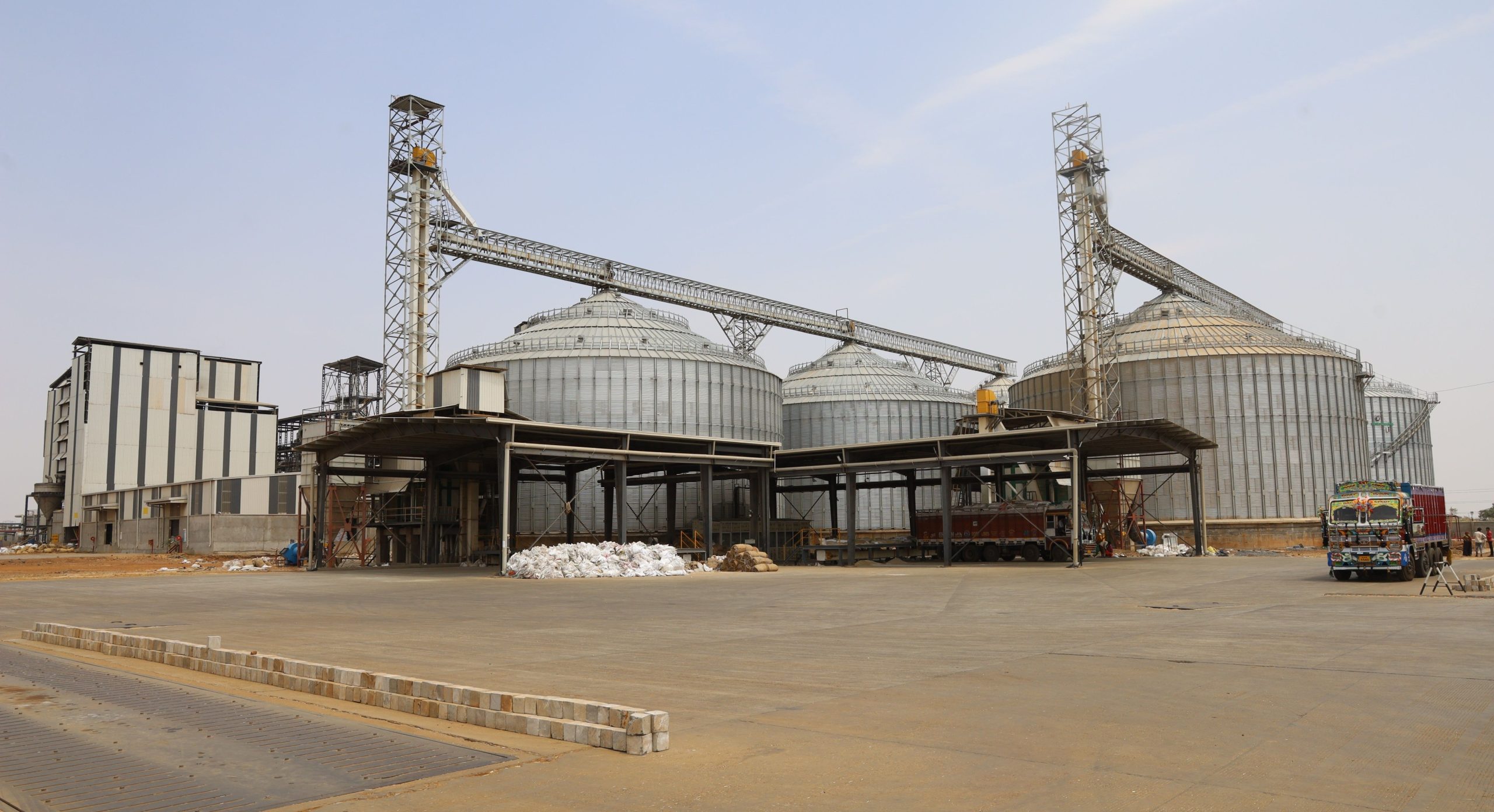
  • Scientific warehousing network: StarAgri operates 2,200+ warehouses across 400 locations, with a storage capacity of over 5 Mn metric tonnes. These facilities are designed for scientific storage with proper grading, fumigation, and monitoring, helping reduce spoilage and maintain quality. By providing reliable storage close to production centres, StarAgri enables farmers and agri-businesses to store produce safely and avoid distress sales.
  • Collateral management and warehouse receipt finance: StarAgri’s collateral management ecosystem supports warehouse-receipt-backed financing of over ₹1.5 lakh crore cumulatively, enabling farmers, traders, and processors to access working capital. This allows stakeholders to store produce and sell when market conditions are favourable, improving price realisation and liquidity.

agriculture storage

  • Digital inventory and supply-chain visibility: Through proprietary platforms like AgriGate and stocyard (across the UAE), StarAgri enables real-time monitoring of stock, quality, and movement across warehouses.

These technology tools help:

    • Improve transparency
    • Reduce pilferage and losses
    • Enable data-driven decision-making
  • Integrated marketplace and trade ecosystem: StarAgri’s digital marketplace, agribazaar, has facilitated the trade of over 12 million metric tonnes of commodities and connects more than 300,000 farmers to buyers. By integrating storage with digital trade and finance, StarAgri ensures that stored commodities can be monetised efficiently.
  • Data-driven decision making: With proprietary analytics, satellite-linked farm data, and credit models built on years of repayment data, StarAgri supports better storage planning, credit decisions, and risk management. This tech-enabled approach reduces risk for banks and improves access to finance for agri-stakeholders.

The road ahead

India’s agricultural growth story is increasingly dependent on how efficiently crops are stored, financed, and connected to markets. Reducing post-harvest losses and strengthening storage infrastructure could unlock billions in value for farmers and the economy.

Private sector participation, especially through integrated and technology-driven models, will be key to closing the storage gap. By combining scientific warehousing, digital platforms, and financing solutions, StarAgri is helping transform India’s post-harvest ecosystem, ensuring that harvests are not just produced but preserved, valued, and efficiently brought to market.

FAQs

  • What are the biggest agriculture storage challenges in India?
    India faces several storage challenges, including inadequate scientific warehousing, uneven distribution of storage infrastructure, high post-harvest losses, limited cold chain facilities, and restricted access to finance linked to stored commodities. These issues often force farmers to sell produce immediately after harvest, leading to lower price realisation.
  • How do storage issues impact farmers and agri-businesses?
    Poor storage leads to quality deterioration, pest infestation, and wastage, which reduces market value. Farmers often resort to distress selling due to a lack of storage and liquidity, while traders and processors face supply inconsistencies and higher operational risks.
  • How can technology improve agricultural storage in India?
    Technology enables real-time monitoring of inventory, quality tracking, digital warehouse receipts, and data-driven supply-chain decisions. Smart warehousing systems, sensors, and digital platforms improve transparency, reduce losses, and help stakeholders access better financing and markets.
  • What solutions does StarAgri offer for agri storage challenges?
    StarAgri provides integrated solutions, including scientific warehousing, collateral management, warehouse-receipt-based financing, digital inventory tracking, and an online commodity marketplace through Agribazaar. These solutions help reduce post-harvest losses and improve access to credit and markets.
  • Why is scientific warehousing important for India’s agri supply chain?
    Scientific warehousing ensures proper storage conditions, quality preservation, and traceability. It helps reduce wastage, stabilise supply, and enables farmers and traders to store produce safely and sell at favourable market prices, strengthening the overall agricultural value chain.

Something fundamental is shifting in India’s agricultural ecosystem, and it goes beyond incremental reforms. The Union Budget 2026–27 places a clear bet on technology as the catalyst, introducing initiatives like Bharat-VISTAAR, a multilingual AI platform aimed at delivering real-time, data-driven advisories to farmers. Alongside targeted support for high-value crops and allied sectors, the budget raises an important question:
Can technology-led policy finally unlock a more resilient, efficient agriculture supply chain for India? Let’s find out.

As India moves deeper into the mid-2020s, technology is reshaping the country’s supply chain. With close to 60% of India’s workforce dependent on agriculture, even small gains in efficiency carry national implications for food security and economic stability. Behind the scenes, digital tools are redefining how produce travels from farmgate to market, addressing long-standing challenges such as post-harvest losses, opaque price discovery, constrained access to credit, and fragmented supply networks.

“Agriculture’s Gross Value Added rose to $290 Bn in FY25, up from $277 Bn a year earlier. Exports have continued to climb as well, touching nearly $49 Bn.”

agriculture supply chain

The agri supply chain challenge: Why tech matters

Traditionally, India’s agriculture supply chain has been marked by fragmentation and inefficiencies. Inadequate storage infrastructure, uncontrolled spoilage, and dependency on intermediaries stall farmers’ ability to command fair prices. Additionally, logistics inefficiencies, which account for over 14% of GDP, compound hurdles for agri produce moving through the system.

Enter technology: a catalyst for change. Digital solutions—from IoT sensors in warehouses to AI-based demand forecasting—are enabling visibility, traceability and speed across the agri value chain. These innovations are allowing stakeholders to respond to market trends in real time rather than rely on manual records or perception-based decisions.

Key tech reshaping the agriculture supply chain

1. IoT & remote monitoring: Internet of Things (IoT) sensors deployed across warehouses, cold storage facilities, and transport vehicles enable real-time monitoring of temperature, humidity, and storage conditions. This helps reduce spoilage, preserve crop quality, and ensure compliance with quality standards, especially for perishable and export-oriented commodities.

2. Blockchain for transparency & traceability: Blockchain technology introduces end-to-end traceability by recording every transaction and movement of produce on a secure, tamper-proof ledger. This enhances trust among buyers, improves food safety compliance, and supports traceability requirements for domestic and international agri-trade.

3. AI and predictive analytics: Artificial intelligence and data analytics are being used to forecast demand, optimise inventory levels, and predict price movements. These insights allow farmers, traders, and agri-enterprises to plan sales, manage risks, and respond proactively to market volatility rather than reacting after price fluctuations occur.

agriculture value chain

4. Digital marketplaces: Digital trading platforms connect farmers, traders, processors, and institutional buyers across geographies, improving price discovery and reducing dependency on intermediaries. Integration with e-commerce platforms such as agribazaar.com enables seamless inter-state trading, faster settlements, and greater market access for farmers.

5. Farmer-centric applications: With increasing smartphone penetration in rural India, mobile-based platforms have become critical touchpoints for farmers. These applications provide real-time access to mandi prices, weather alerts, advisory services, logistics support, and financing options, empowering farmers to make informed decisions at every stage.

According to industry outlooks, over 70% of agri trading in India could be digitised by 2030, fuelling faster, more inclusive commerce.

StarAgri: Leading tech-driven agriculture supply chain transformation

StarAgri, India’s largest integrated agritech company, combines digital innovation with physical infrastructure. StarAgri delivers solutions that strengthen every link in the agriculture supply chain, from storage to trade facilitation and financing.

  • Pre-Harvest Solutions powered by AgriBhumi: StarAgri’s Pre-Harvest Solutions, enabled through AgriBhumi, provide early-stage visibility into land, crop patterns, and cultivation history using satellite data and farm geo-tagging. This pre-harvest intelligence supports risk assessment, credit enablement, and supply planning, seamlessly integrating with StarAgri’s post-harvest storage, trading, and financing services.
  • Scientific warehousing: StarAgri operates an extensive network of 2,200+ tech-enabled warehouses across India, offering scientific storage solutions that protect produce quality and extend shelf life. These facilities are equipped with IoT and remote-monitoring tools that ensure optimal conditions, resulting in lower post-harvest losses and better price realisation for farmers.

supply chain management in agriculture

  • Collateral management & financing solutions: A critical bottleneck in agriculture is the lack of timely credit. Through StarAgri’s collateral management services, stored produce can be used as collateral to unlock working capital and loans at competitive rates. This not only enhances liquidity but also empowers farmers to sell when market prices are advantageous rather than under distress.
    With ties to over 24 banks and financial institutions, StarAgri’s finance ecosystem supports agile decision-making and economic inclusion for farmers, traders, and processors.
  • Digital marketplace: agribazaar tradefloor offers transparent, seamless trade execution. Buyers and sellers interact in a digital ecosystem that streamlines contract settlement, price discovery and contract enforcement, eliminating layers of intermediaries that once ate into farmer profits.

Impact and The Road Ahead

Technology’s impact on India’s agriculture supply chain is transformative:

  • Reduced post-harvest losses through climate-aware storage and monitoring.
  • Faster finance cycles via digital collateral systems and e-warehouse receipts.
  • Greater market access for smallholder farmers through transparent digital marketplaces.
  • Improved traceability meets the demands of global buyers and export outlets.

Public initiatives, such as the Union Budget’s focus on AI-based agri advisories, further amplify private sector innovation by providing farmers with actionable decision support.

Conclusion

The future of India’s agriculture supply chain lies in technology-integrated, transparent, and efficient systems. From real-time monitoring to digital financing and seamless trade execution, technology is reshaping how agriculture functions, not just as a livelihood, but as a competitive global business. With companies like StarAgri pioneering solutions and supportive national policies, such as the Union Budget 2026’s digital push, the agriculture supply chain is poised for a sustainable, inclusive, and resilient future.

FAQs:

  • How is technology strengthening India’s agriculture supply chain?
    Technology improves visibility, efficiency, and transparency across the agriculture supply chain through tools like IoT-enabled storage, AI-driven analytics, digital marketplaces, and real-time traceability, helping reduce losses and improve price discovery.
  • What role does the Union Budget 2026 play in agri-tech adoption?
    The Union Budget 2026 reinforces technology-led agricultural growth by introducing initiatives such as Bharat-VISTAAR, a multilingual AI advisory platform, and by supporting high-value crops and allied sectors that benefit from digitised supply chains.
  • Why is supply chain efficiency critical for Indian agriculture?
    With nearly 60% of India’s workforce engaged in agriculture, supply chain inefficiencies directly affect farmers’ incomes, food availability, and economic stability. Efficient supply chains help reduce post-harvest losses, improve market access, and stabilise prices.
  • How does StarAgri use technology to improve agricultural supply chains?
    StarAgri integrates technology across scientific warehousing, digital marketplaces, collateral management, and pre-harvest solutions like AgriBhumi to provide end-to-end visibility, risk management, and financing support across the agri value chain.
  • What are pre-harvest solutions, and why are they important?
    Pre-harvest solutions use land intelligence, satellite data, and crop digitisation to assess risk and plan supply before harvest. Platforms like AgriBhumi enable better credit decisions, supply planning, and seamless integration with post-harvest storage and trade

Ever wondered why a significant portion of India’s fruits and vegetables never reach consumers in perfect condition? Surprisingly, the challenge isn’t only in farming practices, but in how produce is handled, stored, and transported after harvest. Post-harvest losses in India remain high, with estimates suggesting that most of the perishable crops are wasted annually due to inadequate storage and handling. One critical solution addressing this gap is cold storage. 

The Indian cold chain market size was valued at INR 2,535.87 billion in 2025 and is projected to reach INR 6,190.91 billion by 2034, growing at a compound annual growth rate of 10.43% from 2026 to 2034.
According to recent industry data, the country has approximately 8,800 cold storage facilities with a total capacity of nearly 40 Mn MT, with top states like Uttar Pradesh, West Bengal, and Gujarat leading the way in storage capacity and utilisation.

Efficient storage solutions are key for reducing post‑harvest losses, enhancing supply chain resilience, and improving farmer incomes by enabling better price realisation.

But how innovative are cold storage technologies in reducing wastage and building resilience? Let’s find out.

cold storage

1. IoT‑Enabled Smart Cold Storage Systems

One of the most impactful advancements in modern cold chain technology is the integration of the Internet of Things (IoT). Smart sensors and connected devices continuously monitor temperature, humidity, and airflow inside cold rooms. These data streams are analysed in real time to automatically adjust cooling parameters, reduce energy use, and prevent spoilage.

Key benefits include:

    • Auto‑adjustment of climate parameters based on the produce type
    • Real‑time alerts to mobile devices in case of deviations
    • Preventive maintenance and reduced downtime

2. Solar‑Powered and Renewable Energy Cold Storage

Energy cost and availability are major operational challenges for traditional cold stores across India. Solar‑powered units are emerging as game‑changers, especially in rural and off‑grid regions. These systems use solar panels coupled with advanced thermal storage materials or ice banks to store energy and maintain consistent refrigeration, even without continuous grid power.

Government and private initiatives have already led to the installation of solar‑powered cold chambers in remote areas, enabling tribal and smallholder farmers to store produce like tomatoes and cabbage effectively and sell at higher prices during peak demand. 

3. Individual Quick Freezing (IQF) and Controlled Atmosphere Technologies

High‑value crops such as berries, fish, and certain fruits benefit from Individual Quick Freezing (IQF) and controlled atmosphere (CA) storage processes. These technologies rapidly lower the temperature of produce to freeze individual pieces without clumping (IQF) and regulate oxygen and carbon dioxide levels within storage rooms (CA) to slow down ripening and preserve quality.
These advanced cold storage methods are especially useful for export‑oriented produce and processed food markets, where quality and shelf life are critical. As India expands its cold chain to include more dairy, fishery, and exotic fruit products, these technologies are gaining traction.

cold storage warehouse

4. Energy‑Efficient Refrigeration Systems

Modern refrigeration solutions for cold chain facilities employ advanced compressors, eco‑friendly refrigerants like R‑290 or CO₂, and enhanced insulation materials. These systems not only improve cooling efficiency but also reduce environmental impact and operating cost. Variable‑speed compressors and inverter‑based drives adjust cooling capacity in real time, helping cut energy consumption, a significant cost centre for such storage operations. Coupled with better door seals and panel insulation, these systems greatly improve energy efficiency compared to older units, many of which were built before 2010 and lack such modern features.

5. Cold Chain Logistics: Reefer Vehicles and Pack Houses

Cold storage does not end at static storage rooms. Reefer vehicles (temperature‑controlled transport trucks) and pack houses that incorporate pre‑cooling and sorting facilities are critical extensions of the cold chain ecosystem. These solutions preserve quality from farm to market by ensuring that produce remains within designated temperature ranges throughout transport. Though India has made strides, there is still a wide gap. For example, industry data suggests the country needs many more reefer vehicles to meet demand and reduce spoilage during transit.

6. AI and Predictive Analytics for Cold Storage Management

Artificial intelligence (AI) is increasingly integrated within cold chain systems to forecast maintenance needs, optimise temperature profiles, and predict spoilage risk. Predictive models analyse historic climate data, sensor inputs, and energy usage patterns to reduce unplanned downtime and enhance storage reliability.
These AI‑driven systems are especially valuable in large cold storage clusters and multi‑commodity facilities, where conditions must be continuously adjusted to accommodate diverse produce types.

StarAgri’s Role in Enhancing Cold Storage Adoption

At StarAgri, we recognise the transformative impact that robust storage solutions have on the agri‑value chain. To support farmers and agribusinesses in leveraging these technologies, StarAgri offers:

  • Scientific Warehousing (Cold Storage & Silos): State-of-the-art storage facilities that preserve crop quality, including temperature-controlled cold storage and advanced silos.
  • Crop Quality Testing at Star Labs: Laboratory testing to ensure produce meets quality standards and regulatory compliance before storage or sale.
  • Crop Digitisation & AgriBhumi Integration: Geo-tagging farms and maintaining digital crop records to optimise storage, manage inventory, and plan logistics efficiently.
  • Market Intelligence & Price Insights: Data-driven insights on market demand, price trends, and optimal sale timing to maximise farmer returns.
  • Agri Finance via Agriwise Finserv: Tailored financing solutions, including working capital and structured trade finance, to invest in storage, logistics, and post-harvest infrastructure.

cold storage facility

Conclusion

Cold storage technology is central to a resilient, modern agricultural supply chain in India. With innovations ranging from IoT‑enabled smart systems to solar‑powered units and AI‑driven analytics, stakeholders can significantly reduce post‑harvest losses, improve food quality, and unlock higher income for farmers. As investments and technological adoption accelerate, cold storage infrastructure will remain a foundational pillar of India’s agri‑growth story.
StarAgri is enabling farmers and agribusinesses to leverage its offerings efficiently. By combining technology, data, and finance, StarAgri helps reduce post-harvest losses, optimise supply chains, and maximise profitability, making modern cold storage accessible and impactful across India.

FAQs

  • What is cold storage, and why is it important in Indian agriculture?
    Cold storage refers to temperature-controlled facilities used to store perishable agricultural products such as fruits, vegetables, dairy, and meat. It is crucial in India to reduce post-harvest losses, maintain product quality, and help farmers secure better prices.
  • Which cold storage technologies are widely used in India?
    Popular technologies include IoT-enabled smart storage systems, solar-powered cold storage, IQF (Individually Quick Frozen) and controlled-atmosphere storage, refrigerated transport, and advanced data-driven inventory management.
  • How does cold storage benefit farmers and supply chains?
    Cold storage extends shelf life, prevents spoilage, ensures consistent quality, and allows farmers to time the market, leading to improved income. It also strengthens the supply chain by reducing wastage and ensuring a steady supply to retailers and consumers.
  • What role does technology play in modern cold storage?
    Technologies such as IoT sensors, AI analytics, and cloud-based inventory systems monitor temperature, humidity, and stock levels in real time. Solar energy and automated controls reduce energy costs while improving operational efficiency.
  • How can StarAgri help with cold storage and post-harvest management?
    StarAgri offers scientific warehousing, including cold storage & silos, crop quality testing at Star Labs, crop digitisation via AgriBhumi, market intelligence & price insights, and agri-finance through Agriwise Finserv, enabling farmers and agribusinesses to leverage modern cold storage technologies effectively.

“India smart warehousing market is projected to witness a CAGR of 14.65% during the forecast period FY2025-FY2032, growing from USD 2.21 billion in FY2024 to USD 6.60 billion in FY2032.” – according to Markets & Data.

India’s agricultural storage ecosystem is entering a phase of meaningful transformation. While challenges such as post-harvest losses, inconsistent storage conditions, and limited real-time visibility have long impacted crop quality and farmer incomes, technology is steadily changing this narrative. The adoption of Internet of Things (IoT) solutions is enabling storage facilities to become smarter, more responsive, and far more reliable. By bringing real-time data, automation, and predictive insights into warehouses and cold storage units, IoT is helping India move closer to a more resilient, efficient, and future-ready agri storage infrastructure.

But how is IoT reshaping agri storage facilities in India? Let’s understand the key applications, measurable benefits, and how businesses like StarAgri are leveraging this technology to build future-ready storage solutions.

storage facilities

The IoT revolution in agricultural storage

The Internet of Things refers to networks of smart sensors and devices that collect, transmit, and analyse data in real time. Within agricultural storage, whether grain warehouses, cold storage units, or controlled environment facilities, IoT enables continuous environmental tracking, automated alerts, predictive decision-making, and workflow optimisation.
IoT’s integration into agri storage is no longer futuristic. It’s already yielding value. The India IoT-based cold chain management market was valued at approximately USD 220.45 million in 2024 and is projected to grow robustly through 2033, indicating strong adoption of smart technologies across storage and logistics operations.

Core applications of IoT in agri storage

  • Real-time environmental monitoring: IoT sensors installed across storage facilities continuously capture critical parameters, including temperature, humidity, gas composition, ventilation, and moisture. For example:
    • A spike in humidity in a grain warehouse may indicate the potential for mould formation.
    • Rising gas concentrations could signal early spoilage behaviour in stored produce.

These parameters are streamed to dashboards and mobile apps, allowing managers to visualise conditions and intervene proactively. Such real-time insights significantly reduce the reliance on periodic manual checks and human error.

  • Automated & immediate alerts: Connected IoT systems can be configured to trigger alerts via SMS, email, or app notifications when conditions deviate from specified thresholds. For instance, if a cold storage unit’s temperature exceeds a set limit, automated alerts trigger immediate corrective action, minimising quality degradation.
  • Digital inventory & traceability: Integrating IoT with tools such as RFID tagging, QR codes, and smart cameras facilitates accurate inventory tracking. Digitised records enhance traceability, minimise theft or misplacement, and improve accountability throughout the storage lifecycle.

rfid tagging

  • Predictive maintenance & efficiency: Beyond environmental factors, IoT can monitor the performance of infrastructure and machinery such as refrigeration units, motors, and ventilation systems. Sensor data fuels predictive analytics, enabling the anticipation of component failures before they occur, thereby reducing downtime and maintenance costs.
  • Energy optimisation & sustainability: Smart IoT systems can optimise energy usage by adjusting lighting, cooling, and ventilation based on actual usage patterns and environmental conditions. This not only reduces operational costs but also supports sustainability by lowering carbon footprints.

Industry impact

India’s agricultural sector loses a significant percentage of its produce due to post-harvest inefficiencies. Smart storage technologies are key to mitigating these losses. Real-time data and predictive analytics not only protect stored value but also empower stakeholders with insights for better planning and risk management.

  • Traditional warehousing inefficiencies contribute to post-harvest losses estimated at over ₹1.5 lakh crore annually (≈ ₹1.53 trillion).
  • IoT-enabled temperature and humidity monitoring in cold chains has been shown to reduce spoilage by up to 35% in pilot programs.

IoT in cold chain infrastructure

India’s cold chain, encompassing cold storage facilities, refrigerated transport, and controlled-environment warehouses, is expanding rapidly. As of mid-2025, the country reported approximately 8,815 cold storage facilities with a combined capacity of about 40.2 million tonnes, highlighting both progress and persistent infrastructure challenges.

IoT plays an increasingly vital role in making cold chain networks more resilient and intelligent. Continuous monitoring ensures that perishable goods such as fruits, vegetables, dairy, and pharmaceuticals remain within optimal conditions throughout their storage lifecycle, contributing to higher quality, reduced waste, and improved marketability.

StarAgri: Driving smart storage with IoT

At StarAgri, we are committed to modernising agricultural storage through technology-led, data-driven solutions that empower farmers and supply chain stakeholders.

Key IoT-enabled services and offerings include:

  • Real-time remote monitoring: Our warehouses are equipped with IoT sensors that capture environmental data, including temperature, humidity, and ventilation, around the clock, ensuring optimal conditions for grains, pulses, and perishables.
  • Connected warehousing network: With a pan-India presence of over 2,200 warehouses in 350+ locations, we deliver consistent quality and transparency across locations.
  • Collateral management services: By integrating tech insights with physical storage, we support structured trade finance against stored commodities, unlocking working capital for farmers when they need it most.
  • Data-driven decision support: AI-generated data enables informed decision-making, helping stakeholders reduce spoilage, optimise storage costs, and achieve better price realisation.

Conclusion: Future of Indian agri storage

IoT is catalysing a shift in how agricultural storage facilities operate, from reactive, manual operations to predictive, automated, and efficient ones. As the Indian agri ecosystem embraces smart storage technologies, the potential to reduce post-harvest losses, improve food quality, and enhance farmer incomes becomes increasingly attainable.
With continued investment in IoT, data analytics, and connected infrastructure, agri storage facilities are set to become high-performance assets in India’s agricultural value chain, supporting sustainability, resilience, and profitability for all stakeholders.

FAQs

  • How is IoT used in agri storage facilities in India?
    IoT is used in agri storage facilities to monitor temperature, humidity, moisture levels, and gas composition in real time. Sensors and connected devices provide continuous data, enabling storage operators to take timely action to maintain optimal conditions and reduce spoilage.
  • What are the key benefits of IoT in agricultural warehousing?
    IoT improves storage efficiency by reducing post-harvest losses, enabling real-time alerts, enhancing traceability, optimising energy usage, and supporting predictive maintenance of equipment in warehouses and cold storage units.
  • Can IoT help reduce post-harvest losses in India?
    Yes, IoT plays a critical role in reducing post-harvest losses by identifying risks early, maintaining consistent storage conditions, and enabling proactive interventions that prevent spoilage, pest infestation, and quality degradation.
  • How does IoT support cold storage operations in India?
    In cold storage facilities, IoT ensures precise control over temperature and humidity, tracks equipment performance, and provides instant alerts during deviations. This helps preserve the quality of perishable commodities and improves cold chain reliability.
  • How is StarAgri using IoT in its storage and warehousing services?
    StarAgri integrates IoT-based monitoring systems across its warehousing network to enable real-time visibility, remote monitoring, and data-driven decision-making. These capabilities support efficient storage management, quality assurance, and trade-linked financial services.

India’s agricultural story doesn’t end at the farm gate, but often hinges on what happens after the harvest. While farmers work tirelessly to grow quality produce, outdated storage systems, limited access to finance, and fragmented supply chains have historically eroded its true value.

“The Indian warehousing market is predicted to reach US$ 34.99 billion (Rs. 2,872.10 billion), expanding at a CAGR of 15.64% from 2022 to 2027.”

Today, that narrative is changing! As agritech innovations move beyond seeds and soil, they are reshaping India’s agri-warehousing landscape, turning warehouses into smart, data-driven hubs that protect crops, unlock liquidity, and connect farmers more efficiently to markets. This shift is not just modernising storage; it is redefining how agricultural value is preserved and realised across India.

warehousin industry

Let’s explore the top five ways agritech is revolutionising the Indian agri-warehousing industry in 2025.

  • Digital warehousing platforms & real-time visibility: Traditional warehousing in India has often been plagued by fragmentation, limited transparency, and inefficient utilisation of storage capacity, resulting in significant post-harvest losses estimated at around ₹1.5 lakh crore annually.

Emerging agritech platforms now offer digital warehousing networks that standardise operations across regions and provide real-time visibility into stock levels, environmental parameters, lease conditions, and accreditation status. These platforms aggregate data across hundreds or thousands of facilities, enabling stakeholders to discover, book, and manage storage digitally, effectively turning warehouses into integrated nodes in a tech-enabled supply chain.

Innovative digital tools also ensure compliance with industry standards and enable remote monitoring via dashboards or mobile apps, drastically reducing information asymmetry and inefficiencies.

  • IoT, sensor integration & predictive analytics: The Internet of Things (IoT) has become central to modern agricultural warehousing. Sensors deployed within storage facilities continuously monitor temperature, humidity, gas composition, and pest activity, ensuring ideal conditions for a wide range of commodities like grains, pulses, and oilseeds.

Coupled with predictive analytics and machine learning, these technologies can forecast spoilage risks, detect anomalies early, and optimise warehouse operations. Predictive models are particularly powerful during the highly volatile post-harvest period, helping operators anticipate storage demand, adjust inventory allocation, and dynamically control environments, reducing losses and improving quality.

  • AI-powered quality assessment & automation: Artificial intelligence (AI) is increasingly transforming agri supply chains. The broader agritech market in India is projected to grow from around $900 million in 2025 to $5.6 billion by 2030, with AI-led solutions expanding at a staggering 44% CAGR, outpacing the broader agritech sector.

Within warehousing, AI-based quality assessment tools can instantly evaluate the condition of stored produce using image recognition and sensor data, enabling rapid decision-making. Automated sorting, grading, and robotic movement further streamline operations and reduce dependency on manual labour. These advancements help warehouses maintain consistent quality, reduce human error, and ensure better price realisation for farmers.

  • Blockchain & transparent record-keeping: Blockchain technology is improving traceability and trust across the agri supply chain. By recording every transaction, inspection, and movement of produce in an immutable ledger, stakeholders can securely verify quality parameters, ownership history, and compliance credentials. This is especially valuable for export markets and premium buyers, who demand transparent proof of origin and quality.

Blockchain-linked warehouse receipts can also be used more reliably for financing, enabling farmers and traders to access credit against transparent, trustworthy digital records.

  • Collateral management & finance integration: Perhaps one of the most impactful agritech innovations in warehousing is the integration of collateral management and agri-fintech services. Warehouses are no longer just storage assets; they are gateways to structured credit for farmers and agri-businesses.

Tech-driven collateral management systems allow produce stored in certified facilities to be pledged as collateral for loans. Digitally issued warehouse receipts backed by verified storage data reduce risk for lenders and open up access to working capital at competitive rates. This convergence of warehousing and financial services is critical in a country where liquidity constraints often force farmers to sell produce at low prices due to cash flow pressures.

warehouse automation

Industry Context: India’s Warehousing Evolution

The holistic transformation of the warehousing landscape in India is supported by broader macro trends:

  • The warehousing sector in India is growing rapidly, with estimates suggesting the overall logistics infrastructure market could reach $35 billion by 2027, driven by digital adoption and policy reforms.
  • Industrial and warehousing leasing hit record levels in 2025, absorbing 36.9 million sq ft across major Indian cities, reflecting strong demand for advanced logistics space.
  • With government policies such as the PM Gati Shakti initiative and the National Logistics Policy, investments in multimodal connectivity and modern storage ecosystems are gaining traction.

These trends create an enabling environment for agritech to flourish and to improve the robustness of the agricultural supply chain.

StarAgri: Powering Tech-Enabled Agri-Warehousing

At the forefront of this tech-enabled transformation is StarAgri — India’s largest integrated agritech company offering a suite of solutions that bridge physical infrastructure with digital intelligence:

  • Scientific warehousing network: With over 2,200 scientific warehouses across India, StarAgri provides secure, compliant storage solutions tailored for crops of diverse profiles.
  • Collateral management services: StarAgri enables farmers and agribusinesses to unlock working capital by using stored produce as collateral, coordinated with top financial institutions nationwide.
  • Digital supply chain tools: Platforms like agribazaar and Agriwise Finserv streamline pre-harvest solutions, agri trading, agri finance, working capital, and much more, making warehousing and commodity financing more transparent and efficient.
  • Advanced monitoring & IoT integration: Real-time tracking and remote sensing technologies minimise spoilage risks and optimise storage conditions across the network.
  • Value-added Services: With offerings like commodity testing (Star Labs) and geo-tagged analytics via AgriBhumi, StarAgri empowers stakeholders with insights for better decision-making.

staragri warehousing

Conclusion

Agritech is redefining how India handles agricultural warehousing, from siloed storage facilities to data-driven, interconnected ecosystems that enhance quality, transparency, and financial inclusion. By integrating digital platforms, IoT, AI, blockchain, and fintech, the sector is transforming the agricultural value chain and empowering farmers to capture higher value for their produce.

As 2026 unfolds, these innovations are not just future possibilities. They are shaping the present of Indian agri-warehousing, offering scalable, resilient, and inclusive solutions that will underpin India’s agrarian success in the years to come.

FAQs

  1. What is the role of agritech in modern Indian warehouses?
    Agritech integrates technologies like IoT, AI, blockchain, and digital platforms into warehouses, enabling better inventory management, real-time monitoring, quality assessment, and streamlined supply chains. It reduces post-harvest losses and increases efficiency for farmers and agribusinesses.
  2. How does blockchain improve transparency in agri warehousing?
    Blockchain provides an immutable, tamper-proof record of all warehouse transactions, including storage, ownership, and quality checks. This enhances trust among farmers, traders, and financial institutions, while facilitating access to loans and credit using warehouse receipts as collateral.
  3. Can agritech help farmers access credit through warehousing?
    Yes. Tech-enabled collateral management systems allow farmers to pledge produce stored in certified warehouses as collateral. Digital warehouse receipts backed by verified data make it easier for lenders to offer working capital and other financial solutions at competitive rates.
  4. What emerging technologies are transforming agri-warehouses?
    Key technologies include IoT sensors for temperature and humidity monitoring, AI for quality assessment and predictive analytics, automated sorting and robotics, and blockchain for transparent record-keeping.
  5. How is StarAgri leveraging agritech in its warehousing operations?
    StarAgri combines scientific warehousing, IoT-enabled monitoring, digital platforms, and collateral management services to create a seamless and secure storage ecosystem. With over 2,200 warehouses across India, StarAgri ensures quality preservation, transparency, and easy access to financing for farmers and agri-businesses.

Disclaimer

The content published on this blog is provided solely for informational and educational purposes and is not intended as professional or legal advice. While we strive to ensure the accuracy and reliability of the information presented, StarAgri make no representations or warranties of any kind, express or implied, about the completeness, accuracy, suitability, or availability with respect to the blog content or the information, products, services, or related graphics contained in the blog for any purpose. Any reliance you place on such information is therefore strictly at your own risk. Readers are encouraged to consult qualified agricultural experts, agronomists, or relevant professionals before making any decisions based on the information provided herein. StarAgri, its authors, contributors, and affiliates shall not be held liable for any loss or damage, including without limitation, indirect or consequential loss or damage, or any loss or damage whatsoever arising from reliance on information contained in this blog. Through this blog, you may be able to link to other websites that are not under the control of StarAgri. We have no control over the nature, content, and availability of those sites and inclusion of any links does not necessarily imply a recommendation or endorsement of the views expressed within them. We reserve the right to modify, update, or remove blog content at any time without prior notice.

In 2026, agritech apps in India have become indispensable. The farmers make data-driven decisions, improve productivity, manage risks, and increase profitability. With mobile and internet access expanding in rural India, more farmers are turning to digital agricultural tools to simplify their operations and plan better. 

“According to Inc42 and StarAgri’s Indian Agritech Market Landscape Report, 2025, India’s agritech sector is set to grow from $9 Bn in 2025 to $28 Bn by 2030, expanding at a 25% CAGR.”

Today’s agritech platforms are blending artificial intelligence (AI), Internet of Things (IoT), remote sensing, and marketplace features to bring precision agriculture into the hands of every grower.

agritech apps

So, what should a farmer look for while choosing farm management or agritech apps in 2026?

1. AI-driven insights and predictive analytics: The most powerful agritech apps now leverage artificial intelligence (AI) to deliver actionable insights. These tools process historical farm data, soil health, and weather trends to recommend what to sow, when to irrigate, and how to prevent losses.

Why it matters:

      • Forecasts for pests, diseases, and yield outcomes
      • Optimised sowing and harvesting timelines
      • Tailored advisory in local languages

According to industry reports, AI systems in agritech could expand from a valuation of $0.9 billion in 2025 to an estimated $5.6 billion by 2030, with multilingual AI advisory tools helping millions of farming households make more intelligent decisions in local languages.

2. Hyper-local weather and risk forecasts: Weather remains agriculture’s biggest variable. The best agriculture apps in India go beyond generic forecasts to deliver field-level, crop-specific predictions powered by IoT and advanced analytics.

What to look for:

    • Real-time alerts on rainfall, humidity, and wind
    • Crop-stage recommendations for spraying or harvesting
    • Early warnings on drought, frost, and other weather extremes

This hyper-local intelligence helps reduce climate-related losses and ensures farmers can make more confident operational decisions.

3. Real-time crop monitoring and soil intelligence: The integration of IoT sensors, drones, and satellite data enables robust monitoring of crop and soil health. Today’s agritech apps harness this data to provide real-time metrics on soil moisture, nutrient status, pest infestations, and crop stress zones.

Features to prioritise:

    • NDVI and chlorophyll mapping for early stress detection
    • Soil moisture and nutrient anomaly alerts
    • Pest and disease diagnosis from image uploads

4. Integrated market access, farm business management & embedded finance: In 2026, the most impactful agritech apps are those that seamlessly combine market access, farm management, and financial visibility into a single ecosystem. Farmers no longer want fragmented tools. They want platforms that connect what they grow, how they sell, and how they finance their operations.

Modern agritech apps now integrate real-time mandi prices, buyer discovery, digital trade execution, and post-harvest workflows with built-in financial intelligence. This includes tracking crop-wise expenses, expected revenues, inventory value, and working capital requirements — all in one dashboard.

Key capabilities farmers should look for:

    • Live commodity prices with historical trend analysis
    • Digital buyer–seller connections and transparent trade execution
    • Expense tracking linked to crop cycles
    • Cash-flow visibility aligned with sowing, harvesting, and sales timelines
    • Access to credit, insurance, or financial products based on farm and trade data

5. User-centric design with offline and multilingual support: As agritech apps strive to reach farmers in every corner of the world, usability becomes a core differentiator. Farmers often face connectivity limitations and varying levels of digital literacy, making intuitive design, offline capabilities, and multilingual voice support essential.

Look for:

  • Offline functionality with auto-sync capabilities
  • Intuitive dashboards and local language interfaces
  • Voice-enabled assistance for navigation and queries

Bonus must-have: Complete farm business management tools

Beyond agronomy and marketplaces, the best agritech apps now offer holistic farm management modules that cover financial planning, expense tracking, labour deployment, compliance reporting, and inventory management. This positions agriculture as a business, not just a seasonal activity.

Conclusion

Farmers in 2026 should choose agritech apps that combine cutting-edge technologies, AI forecasts, hyper-local insights, real-time monitoring, market integration, and user-friendly design to harness the full potential of digital agriculture. These capabilities not only drive crop performance but also strengthen the farm’s economic sustainability and resilience.

StarAgri’s digital edge

At StarAgri, we understand what modern farmers expect from today’s agritech apps. Our AgriBhumi platform combines satellite imagery, machine learning insights, and field-level data to empower farmers with precise yield forecasts, soil maps, and crop planning tools built for Indian conditions.

Through Agribazaar, farmers gain seamless market access and digital trade connectivity, while Agriwise provides end-to-end financial solutions, including working capital, crop loans, and trade-linked credit. Together, these platforms create India’s most comprehensive digital ecosystem — connecting farm operations, marketplace opportunities, and financial empowerment under one roof.

FAQs: 

  • What are agritech apps, and why are they essential for farmers?
    Agritech apps are digital platforms that provide farmers with insights, advisory, market access, and financial tools. They help increase productivity, reduce risks, and optimise farm operations by leveraging technologies such as AI, IoT, and satellite data.
  • How can agritech apps improve crop yield?
    Modern agritech apps offer AI-driven recommendations, soil and crop health monitoring, pest and disease alerts, and precise weather forecasts. These tools allow farmers to make data-driven decisions, leading to higher yields and better resource management.
  • Can agritech apps provide financial support to farmers?
    Yes. Many agritech apps, including platforms integrated with Agriwise, provide access to working capital, crop loans, and trade-linked credit. This helps farmers manage liquidity and invest in timely inputs.
  • Are agritech apps suitable for farmers in remote areas with limited internet?
    Yes. Leading agritech apps now include offline functionality, multilingual support, and voice-enabled features, ensuring accessibility even in low-connectivity regions.
  • How do agritech apps help farmers get better market prices?
    Agritech apps provide real-time mandi prices, buyer connections, and trade analytics. This transparency helps farmers choose the right time and channel to sell their produce, maximising revenue and reducing dependence on intermediaries.

Disclaimer

The content published on this blog is provided solely for informational and educational purposes and is not intended as professional or legal advice. While we strive to ensure the accuracy and reliability of the information presented, StarAgri make no representations or warranties of any kind, express or implied, about the completeness, accuracy, suitability, or availability with respect to the blog content or the information, products, services, or related graphics contained in the blog for any purpose. Any reliance you place on such information is therefore strictly at your own risk. Readers are encouraged to consult qualified agricultural experts, agronomists, or relevant professionals before making any decisions based on the information provided herein. StarAgri, its authors, contributors, and affiliates shall not be held liable for any loss or damage, including without limitation, indirect or consequential loss or damage, or any loss or damage whatsoever arising from reliance on information contained in this blog. Through this blog, you may be able to link to other websites that are not under the control of StarAgri. We have no control over the nature, content, and availability of those sites and inclusion of any links does not necessarily imply a recommendation or endorsement of the views expressed within them. We reserve the right to modify, update, or remove blog content at any time without prior notice.

As we enter 2026, the agricultural sector faces critical crossroads, not just in production, but in what happens after the crop is harvested. The early months of the year set the foundation for how effectively produce is stored, priced, and ultimately monetised. For farmers, agribusinesses, and service providers like StarAgri, a post-harvest strategy is essential not only as an operational concern but also for maximising profitability, reducing waste, and strengthening supply chains.

The strategic importance of early-year post-harvest planning

Agriculture is cyclical, but the most impactful decisions are often made after the crop leaves the field. The period immediately after the harvest — commonly spanning December to March in India — is when produce transitions from harvest to market-ready stocks.

Effective planning in this window influences:

  • Quality preservation through appropriate handling and storage
  • Price realisation by deciding when and where to sell
  • Loss reduction by minimising spoilage, contamination and degradation

Initiating harvest planning at the beginning of the year ensures that stakeholders can act strategically rather than react to market pressures or logistical bottlenecks.

post harvest

Post-harvest loss realities in India and beyond

Post-harvest inefficiencies continue to drain value from the agricultural economy. According to recent government data, losses in horticultural produce can reach nearly 15% of total output, amounting to around 15 million tonnes of wasted produce annually. The Government of India aims to cut these losses to below 5% by 2047 with expanded cold-chain and processing infrastructure.

These losses not only reduce farmers’ incomes but also weaken food security and inflate consumer prices. In many cases, a lack of scientific storage and quality control means high-value crops such as fruits, vegetables, and grains deteriorate before they reach the market.

Against this backdrop, the beginning of the year becomes a strategic planning moment to make decisions that can drastically reduce losses and create economic opportunities.

Early-year decisions that shape post-harvest success

  • Quality assessment and inventory insights: Understanding the quality of harvested produce, including moisture levels, contamination, and grading, is critical before deciding on storage, processing, or sale. Without this insight, stocks risk spoilage after investment in storage or are released at suboptimal times due to uncertainty.
  • Scientific vs. traditional methods: India has seen significant growth in modern warehousing and cold-chain infrastructure over the past few years. However, gaps remain in last-mile availability and sorting facilities. Scientific storage reduces moisture migration, pest infestation, and biochemical deterioration, all of which are key causes of harvest losses. Deciding early whether to store in dry warehouses, cold-chain facilities, or decentralised village hubs affects quality and price outcomes.
  • Market timing and price forecasting: Agricultural commodity prices are shaped by global cues, domestic arrival patterns, and policy decisions. Strategic post-harvest decisions rely on forecasting price movements and global demand signals, rather than reacting to spot prices. Holding stock based on informed projections rather than instinctive timing can result in higher realised prices and fewer distress sales.

harvest post

How StarAgri supports intelligent post-harvest decisions

StarAgri is committed to enabling robust post-harvest strategies for farmers and agribusinesses through technology-driven services and a pan-India infrastructure footprint.

  • Star Labs: StarAgri’s advanced lab testing network provides NABL-licensed, ISO-certified quality testing for agricultural commodities. With multiple labs across India, Star Labs conducts comprehensive physical and chemical quality checks essential for:
  • Accurate grading of produce
  • Ensuring compliance with buyer standards
  • Informing storage and release decisions

This scientific assessment empowers stakeholders to plan storage duration, market timing, and price strategy by leveraging data rather than guesswork.

  • Scientific warehousing & collateral management: StarAgri operates over 2,200 scientific warehouses across India in more than 350 locations, providing secure storage solutions for multiple commodities. These facilities help preserve quality and extend the marketable lifespan of produce. Good storage infrastructure also unlocks financial access, stored stock becomes a credible asset that strengthens trust with buyers and partners throughout the supply chain.
  • Integrated value chain solutions: In addition to warehousing and testing, StarAgri’s ecosystem includes procurement support, trade facilitation, and digital marketplaces that connect farmers directly to buyers, removing unnecessary intermediaries and enabling fairer price realisation. This integrated approach helps bridge the crucial gap between field-level harvests and market demand, ensuring post-harvest actions add value rather than erode margins.
  • Growing international presence: StarAgri’s global expansion, with operational footprints across the Middle East, Africa, and the UAE, reflects its ambition to support international agri-commodity trade. This cross-border reach helps Indian producers align post-harvest quality standards with global market requirements, opening new export opportunities.

star labs

Looking ahead: Stronger post-harvest planning in 2026

As global food demand continues to grow and supply chains become more complex, the importance of post-harvest decision-making at the start of the year will only increase. In 2026, stakeholders who prioritise quality testing, strategic storage, pricing insights, and integrated supply chain access will be better positioned to unlock value and reduce loss. By investing time and resources into these decisions early in the calendar year, farmers and agribusinesses can turn the post-harvest phase from a period of risk into a platform for sustainable growth.

Conclusion

The beginning of the year isn’t just another calendar milestone for agriculture; it is a strategic window in which critical post-harvest decisions determine success or failure for the entire season. With the right quality insights, infrastructure, market intelligence, and partners like StarAgri supporting every step, stakeholders can transform what once was a vulnerable phase into a competitive advantage. Let 2026 be the year where every harvested grain finds its best value.

FAQs:

  • Why is the beginning of the year important for post-harvest decisions?
    The beginning of the year is critical because it follows the primary harvest season for many crops. Decisions taken during this period, such as quality assessment, storage selection, and market timing, directly impact post-harvest losses, price realisation, and overall profitability for the rest of the year.
  • What are the biggest challenges in post-harvest management in India?
    The significant challenges include inadequate scientific storage, insufficient quality testing, limited cold-chain infrastructure for perishables, and insufficient market intelligence. These factors contribute to high post-harvest losses, especially in fruits, vegetables, and grains.
  • How does quality testing support better post-harvest outcomes?
    Quality testing helps determine moisture levels, infestation risk, and grading standards of agricultural produce. Early post-harvest quality assessment enables farmers and traders to decide whether to store, process, or sell immediately, reducing the risk of rejection and preserving value.
  • How can scientific warehousing reduce post-harvest losses?
    Scientific warehousing maintains controlled storage conditions that protect commodities from moisture, pests, and physical damage. This significantly reduces post-harvest losses, extends shelf life, and enables producers to hold stocks until market conditions improve.
  • How does StarAgri support post-harvest planning for farmers and agribusinesses?
    StarAgri supports post-harvest planning through Star Labs’ quality testing services, a vast network of scientific warehouses, integrated value chain solutions, and an expanding international presence that helps align domestic produce with global market standards.

Disclaimer

The content published on this blog is provided solely for informational and educational purposes and is not intended as professional or legal advice. While we strive to ensure the accuracy and reliability of the information presented, StarAgri make no representations or warranties of any kind, express or implied, about the completeness, accuracy, suitability, or availability with respect to the blog content or the information, products, services, or related graphics contained in the blog for any purpose. Any reliance you place on such information is therefore strictly at your own risk. Readers are encouraged to consult qualified agricultural experts, agronomists, or relevant professionals before making any decisions based on the information provided herein. StarAgri, its authors, contributors, and affiliates shall not be held liable for any loss or damage, including without limitation, indirect or consequential loss or damage, or any loss or damage whatsoever arising from reliance on information contained in this blog. Through this blog, you may be able to link to other websites that are not under the control of StarAgri. We have no control over the nature, content, and availability of those sites and inclusion of any links does not necessarily imply a recommendation or endorsement of the views expressed within them. We reserve the right to modify, update, or remove blog content at any time without prior notice.

The agri storage and warehousing landscape witnessed transformative shifts in 2025, driven by technological innovation, policy support, sustainability imperatives, and the rising need to reduce post-harvest losses. As global and Indian markets evolve rapidly, agribusinesses and farmers alike are reconfiguring how produce is stored, managed, and moved across supply chains. Here’s a comprehensive look at the standout trends of 2025 and what the industry should expect heading into 2026.

Key trends that defined agri storage & warehousing in 2025

  • Rise of smart, tech-enabled storage solutions: 2025 marked a significant increase in the adoption of IoT, AI, and real-time monitoring systems within warehouses. These technologies have enabled agristores to maintain optimal environmental conditions, reduce spoilage, and improve traceability. IoT sensors continuously monitor temperature and humidity, generating automated alerts to prevent quality degradation, an essential advance considering India loses an estimated food worth billions annually due to inadequate storage.
    Digital inventory tracking using RFID and QR codes ensures accurate stock visibility and minimises theft or misplacement, a shift that’s reshaping warehouse efficiency across the value chain.

  • Infrastructure expansion supported by policy and investments: In 2025, the Indian government continued to emphasise closing the agricultural storage gap. Policies under schemes such as the Agricultural Marketing Infrastructure and thePM-Krishi Sampada Yojana have helped sanction thousands of new storage projects, addressing historical deficits and strengthening food security.
    Despite substantial improvements, India’s total warehousing capacity meets only around 50-60% of agricultural storage demand, highlighting the urgency for further expansion. Private sector participation has picked up pace as well, with investments in grade-A warehouse facilities, cold chains, and silo storage, helping accommodate diverse crop types and reduce seasonal bottlenecks.

agri storage

  • Acceleration of cold chain & perishable storage: One of the most pressing challenges in agricultural supply chains is the spoilage of perishables such as fruits and vegetables. Modern cold chain infrastructure, particularly in key states like Uttar Pradesh and West Bengal, expanded sharply in 2025, accounting for a significant slice of storage capacity.
    With the cold chain segment growing rapidly to preserve freshness and extend shelf life, stakeholders are optimising for temperature-controlled warehousing that aligns with export requirements and domestic market standards.
  • Sustainability & ‘Green warehousing’ become core focuses: Environmental, Social, and Governance (ESG) performance is no longer aspirational — it’s imperative. Warehouses are adopting solar energy, water recycling, and eco-friendly materials, enhancing both operational efficiency and long-term sustainability. Green infrastructure not only aligns with global carbon-reduction goals but also enhances the export competitiveness of agricultural products by meeting carbon-compliance criteria in international markets.
  • Integration of financial services with physical storage: In 2025, warehousing services increasingly converge with collateral management and financing solutions. Agritech firms began offering end-to-end solutions that not only house commodities but also enable access to structured credit, enhancing liquidity for farmers and agribusinesses ahead of trade or processing. This trend effectively bridges the gap between physical storage and financial inclusion, a crucial step towards a more resilient agri-ecosystem.

Projected trends to watch in 2026

  • Continued tech consolidation & AI-driven operations: In 2026, innovative technologies will become even more embedded in agri warehousing operations, with enhanced use of AI-powered predictive analytics, automated robotics, and advanced data dashboards to forecast storage needs, optimise space use, and anticipate crop arrival patterns. Expect increased deployment of machine learning tools to predict spoilage risk and dynamically adjust storage parameters.
  • Expansion into tier-II and tier-III regions: With logistics networks densifying, warehousing hubs will increasingly spread into tier-II and tier-III cities to improve last-mile connectivity and reduce logistical costs, mirroring broader industrial real estate trends. This pattern will help small farmers access storage closer to production zones, enhancing inclusivity.

  • Sustainability standards as competitive differentiators: ESG credentials will not be add-ons but performance indicators, with investors and global buyers demanding sustainability certifications, energy-efficiency ratings, and low-carbon footprints from their warehouse partners.

staragri

StarAgri services powering the future of agri storage

As India’s largest integrated agritech company, StarAgri is at the forefront of these transformations:

  • Warehousing network: With over 2,204 warehouses across India, StarAgri provides secure and compliant storage solutions tailored to diverse crop profiles.
  • IoT & remote monitoring: Leveraging cutting-edge IoT and remote sensing tech, we offer real-time environment tracking, helping reduce spoilage and optimise conditions for grains, pulses, and perishables.
  • Collateral management: Our integrated collateral management services unlock working capital against stored produce, empowering farmers with finance when it matters most.
  • Sustainable infrastructure: With green warehousing innovations like solar-assisted facilities and energy-efficient designs, StarAgri champions sustainability at scale.

FAQs

  1. What is driving the growth of agri warehousing in India?
    Growth is fuelled by government investment, private-sector participation, technology adoption (IoT & AI), cold-chain expansion, and increased focus on reducing post-harvest losses.
  2. How big is the global farm product warehousing market in 2025?
    The global farm product warehousing and storage market is estimated at around $108.5 billion in 2025, growing steadily as the broader adoption of technologically advanced storage solutions increases.
  3. Why is sustainability important in agri storage?
    Sustainability reduces energy costs, improves compliance with export standards, enhances ESG scores, and future-proofs logistics infrastructure.
  4. What technologies define modern warehousing?
    IoT sensors, AI analytics, remote sensing, blockchain for traceability, and automation tools are central to modern storage operations.
  5. How can StarAgri support agri storage needs?
    StarAgri provides scientific storage, digital tracking, collateral management, financing solutions, and sustainable infrastructure — end-to-end support for agribusinesses and farmers.

Disclaimer

The content published on this blog is provided solely for informational and educational purposes and is not intended as professional or legal advice. While we strive to ensure the accuracy and reliability of the information presented, StarAgri make no representations or warranties of any kind, express or implied, about the completeness, accuracy, suitability, or availability with respect to the blog content or the information, products, services, or related graphics contained in the blog for any purpose. Any reliance you place on such information is therefore strictly at your own risk. Readers are encouraged to consult qualified agricultural experts, agronomists, or relevant professionals before making any decisions based on the information provided herein. StarAgri, its authors, contributors, and affiliates shall not be held liable for any loss or damage, including without limitation, indirect or consequential loss or damage, or any loss or damage whatsoever arising from reliance on information contained in this blog. Through this blog, you may be able to link to other websites that are not under the control of StarAgri. We have no control over the nature, content, and availability of those sites and inclusion of any links does not necessarily imply a recommendation or endorsement of the views expressed within them. We reserve the right to modify, update, or remove blog content at any time without prior notice.