
Category Archives: Uncategorized

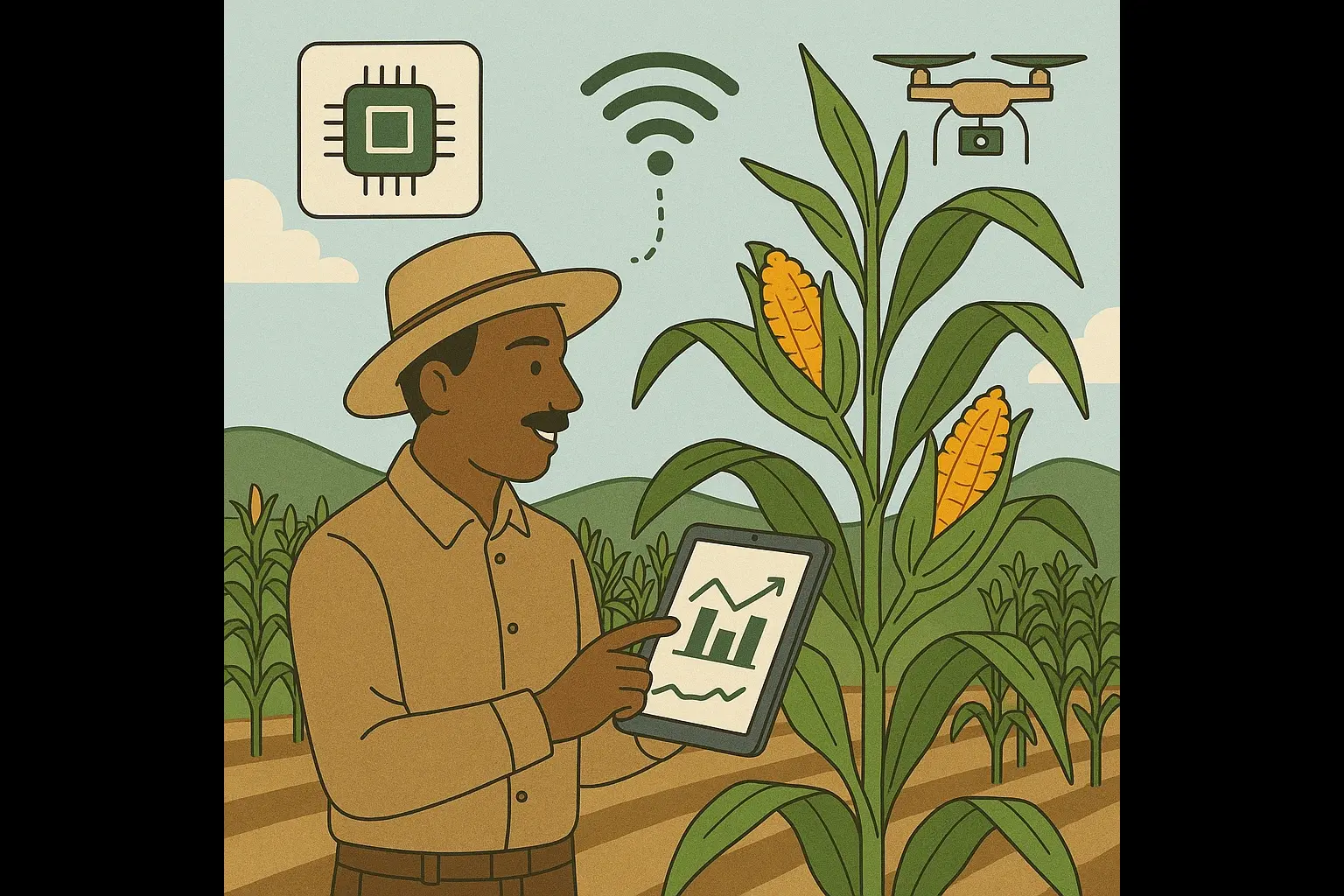
In 2026, agritech apps in India have become indispensable. The farmers make data-driven decisions, improve productivity, manage risks, and increase profitability. With mobile and internet access expanding in rural India, more farmers are turning to digital agricultural tools to simplify their operations and plan better. 

“According to Inc42 and StarAgri’s Indian Agritech Market Landscape Report, 2025, India’s agritech sector is set to grow from $9 Bn in 2025 to $28 Bn by 2030, expanding at a 25% CAGR.”

Today’s agritech platforms are blending artificial intelligence (AI), Internet of Things (IoT), remote sensing, and marketplace features to bring precision agriculture into the hands of every grower.

agritech apps

So, what should a farmer look for while choosing farm management or agritech apps in 2026?

1. AI-driven insights and predictive analytics: The most powerful agritech apps now leverage artificial intelligence (AI) to deliver actionable insights. These tools process historical farm data, soil health, and weather trends to recommend what to sow, when to irrigate, and how to prevent losses.

Why it matters:

      • Forecasts for pests, diseases, and yield outcomes
      • Optimised sowing and harvesting timelines
      • Tailored advisory in local languages

According to industry reports, AI systems in agritech could expand from a valuation of $0.9 billion in 2025 to an estimated $5.6 billion by 2030, with multilingual AI advisory tools helping millions of farming households make more intelligent decisions in local languages.

2. Hyper-local weather and risk forecasts: Weather remains agriculture’s biggest variable. The best agriculture apps in India go beyond generic forecasts to deliver field-level, crop-specific predictions powered by IoT and advanced analytics.

What to look for:

    • Real-time alerts on rainfall, humidity, and wind
    • Crop-stage recommendations for spraying or harvesting
    • Early warnings on drought, frost, and other weather extremes

This hyper-local intelligence helps reduce climate-related losses and ensures farmers can make more confident operational decisions.
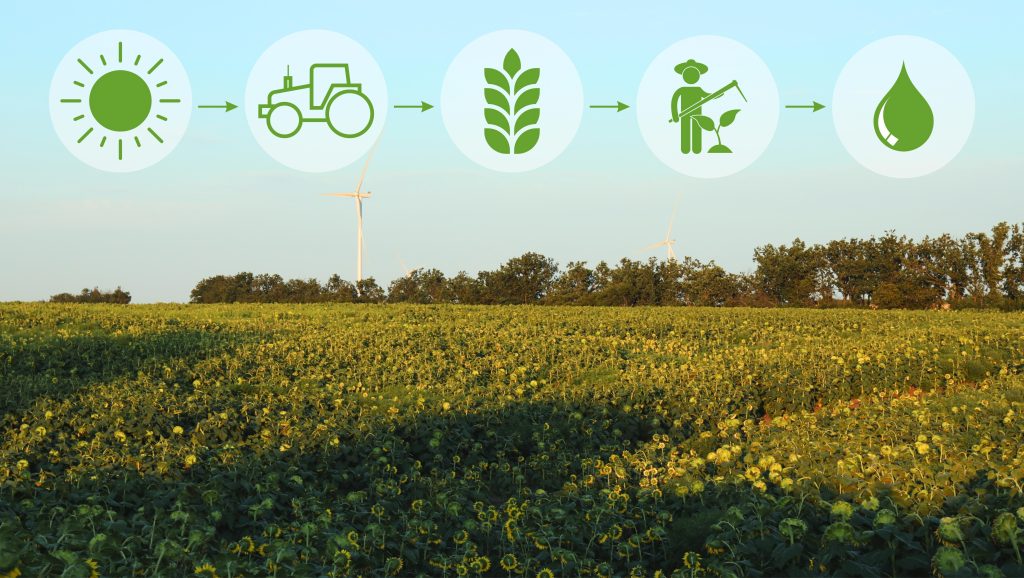
3. Real-time crop monitoring and soil intelligence: The integration of IoT sensors, drones, and satellite data enables robust monitoring of crop and soil health. Today’s agritech apps harness this data to provide real-time metrics on soil moisture, nutrient status, pest infestations, and crop stress zones.

Features to prioritise:

    • NDVI and chlorophyll mapping for early stress detection
    • Soil moisture and nutrient anomaly alerts
    • Pest and disease diagnosis from image uploads

4. Integrated market access, farm business management & embedded finance: In 2026, the most impactful agritech apps are those that seamlessly combine market access, farm management, and financial visibility into a single ecosystem. Farmers no longer want fragmented tools. They want platforms that connect what they grow, how they sell, and how they finance their operations.

Modern agritech apps now integrate real-time mandi prices, buyer discovery, digital trade execution, and post-harvest workflows with built-in financial intelligence. This includes tracking crop-wise expenses, expected revenues, inventory value, and working capital requirements — all in one dashboard.

Key capabilities farmers should look for:

    • Live commodity prices with historical trend analysis
    • Digital buyer–seller connections and transparent trade execution
    • Expense tracking linked to crop cycles
    • Cash-flow visibility aligned with sowing, harvesting, and sales timelines
    • Access to credit, insurance, or financial products based on farm and trade data

5. User-centric design with offline and multilingual support: As agritech apps strive to reach farmers in every corner of the world, usability becomes a core differentiator. Farmers often face connectivity limitations and varying levels of digital literacy, making intuitive design, offline capabilities, and multilingual voice support essential.

Look for:

  • Offline functionality with auto-sync capabilities
  • Intuitive dashboards and local language interfaces
  • Voice-enabled assistance for navigation and queries

Bonus must-have: Complete farm business management tools

Beyond agronomy and marketplaces, the best agritech apps now offer holistic farm management modules that cover financial planning, expense tracking, labour deployment, compliance reporting, and inventory management. This positions agriculture as a business, not just a seasonal activity.
Conclusion

Farmers in 2026 should choose agritech apps that combine cutting-edge technologies, AI forecasts, hyper-local insights, real-time monitoring, market integration, and user-friendly design to harness the full potential of digital agriculture. These capabilities not only drive crop performance but also strengthen the farm’s economic sustainability and resilience.

StarAgri’s digital edge

At StarAgri, we understand what modern farmers expect from today’s agritech apps. Our AgriBhumi platform combines satellite imagery, machine learning insights, and field-level data to empower farmers with precise yield forecasts, soil maps, and crop planning tools built for Indian conditions.

Through Agribazaar, farmers gain seamless market access and digital trade connectivity, while Agriwise provides end-to-end financial solutions, including working capital, crop loans, and trade-linked credit. Together, these platforms create India’s most comprehensive digital ecosystem — connecting farm operations, marketplace opportunities, and financial empowerment under one roof.

FAQs: 

  • What are agritech apps, and why are they essential for farmers?
    Agritech apps are digital platforms that provide farmers with insights, advisory, market access, and financial tools. They help increase productivity, reduce risks, and optimise farm operations by leveraging technologies such as AI, IoT, and satellite data.
  • How can agritech apps improve crop yield?
    Modern agritech apps offer AI-driven recommendations, soil and crop health monitoring, pest and disease alerts, and precise weather forecasts. These tools allow farmers to make data-driven decisions, leading to higher yields and better resource management.
  • Can agritech apps provide financial support to farmers?
    Yes. Many agritech apps, including platforms integrated with Agriwise, provide access to working capital, crop loans, and trade-linked credit. This helps farmers manage liquidity and invest in timely inputs.
  • Are agritech apps suitable for farmers in remote areas with limited internet?
    Yes. Leading agritech apps now include offline functionality, multilingual support, and voice-enabled features, ensuring accessibility even in low-connectivity regions.
  • How do agritech apps help farmers get better market prices?
    Agritech apps provide real-time mandi prices, buyer connections, and trade analytics. This transparency helps farmers choose the right time and channel to sell their produce, maximising revenue and reducing dependence on intermediaries.

Disclaimer

The content published on this blog is provided solely for informational and educational purposes and is not intended as professional or legal advice. While we strive to ensure the accuracy and reliability of the information presented, StarAgri make no representations or warranties of any kind, express or implied, about the completeness, accuracy, suitability, or availability with respect to the blog content or the information, products, services, or related graphics contained in the blog for any purpose. Any reliance you place on such information is therefore strictly at your own risk. Readers are encouraged to consult qualified agricultural experts, agronomists, or relevant professionals before making any decisions based on the information provided herein. StarAgri, its authors, contributors, and affiliates shall not be held liable for any loss or damage, including without limitation, indirect or consequential loss or damage, or any loss or damage whatsoever arising from reliance on information contained in this blog. Through this blog, you may be able to link to other websites that are not under the control of StarAgri. We have no control over the nature, content, and availability of those sites and inclusion of any links does not necessarily imply a recommendation or endorsement of the views expressed within them. We reserve the right to modify, update, or remove blog content at any time without prior notice.
As we enter 2026, the agricultural sector faces critical crossroads, not just in production, but in what happens after the crop is harvested. The early months of the year set the foundation for how effectively produce is stored, priced, and ultimately monetised. For farmers, agribusinesses, and service providers like StarAgri, a post-harvest strategy is essential not only as an operational concern but also for maximising profitability, reducing waste, and strengthening supply chains.

The strategic importance of early-year post-harvest planning

Agriculture is cyclical, but the most impactful decisions are often made after the crop leaves the field. The period immediately after the harvest — commonly spanning December to March in India — is when produce transitions from harvest to market-ready stocks.

Effective planning in this window influences:

  • Quality preservation through appropriate handling and storage
  • Price realisation by deciding when and where to sell
  • Loss reduction by minimising spoilage, contamination and degradation

Initiating harvest planning at the beginning of the year ensures that stakeholders can act strategically rather than react to market pressures or logistical bottlenecks.

post harvest

Post-harvest loss realities in India and beyond

Post-harvest inefficiencies continue to drain value from the agricultural economy. According to recent government data, losses in horticultural produce can reach nearly 15% of total output, amounting to around 15 million tonnes of wasted produce annually. The Government of India aims to cut these losses to below 5% by 2047 with expanded cold-chain and processing infrastructure.

These losses not only reduce farmers’ incomes but also weaken food security and inflate consumer prices. In many cases, a lack of scientific storage and quality control means high-value crops such as fruits, vegetables, and grains deteriorate before they reach the market.

Against this backdrop, the beginning of the year becomes a strategic planning moment to make decisions that can drastically reduce losses and create economic opportunities.

Early-year decisions that shape post-harvest success

  • Quality assessment and inventory insights: Understanding the quality of harvested produce, including moisture levels, contamination, and grading, is critical before deciding on storage, processing, or sale. Without this insight, stocks risk spoilage after investment in storage or are released at suboptimal times due to uncertainty.
  • Scientific vs. traditional methods: India has seen significant growth in modern warehousing and cold-chain infrastructure over the past few years. However, gaps remain in last-mile availability and sorting facilities. Scientific storage reduces moisture migration, pest infestation, and biochemical deterioration, all of which are key causes of harvest losses. Deciding early whether to store in dry warehouses, cold-chain facilities, or decentralised village hubs affects quality and price outcomes.
  • Market timing and price forecasting: Agricultural commodity prices are shaped by global cues, domestic arrival patterns, and policy decisions. Strategic post-harvest decisions rely on forecasting price movements and global demand signals, rather than reacting to spot prices. Holding stock based on informed projections rather than instinctive timing can result in higher realised prices and fewer distress sales.

harvest post

How StarAgri supports intelligent post-harvest decisions

StarAgri is committed to enabling robust post-harvest strategies for farmers and agribusinesses through technology-driven services and a pan-India infrastructure footprint.

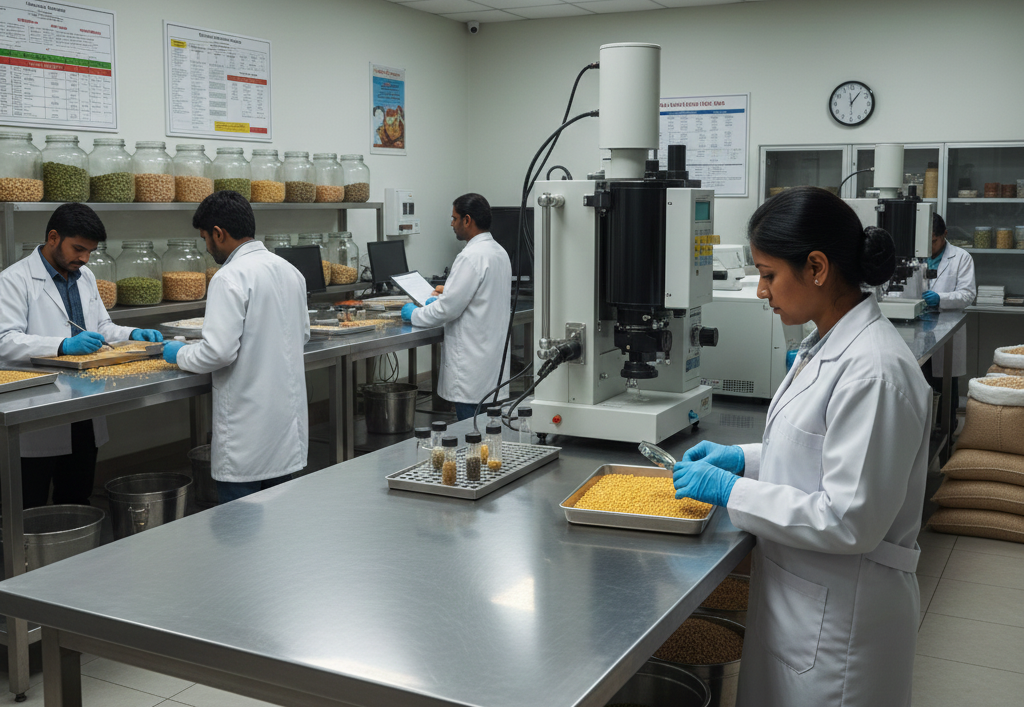
  • Star Labs: StarAgri’s advanced lab testing network provides NABL-licensed, ISO-certified quality testing for agricultural commodities. With multiple labs across India, Star Labs conducts comprehensive physical and chemical quality checks essential for:
  • Accurate grading of produce
  • Ensuring compliance with buyer standards
  • Informing storage and release decisions

This scientific assessment empowers stakeholders to plan storage duration, market timing, and price strategy by leveraging data rather than guesswork.

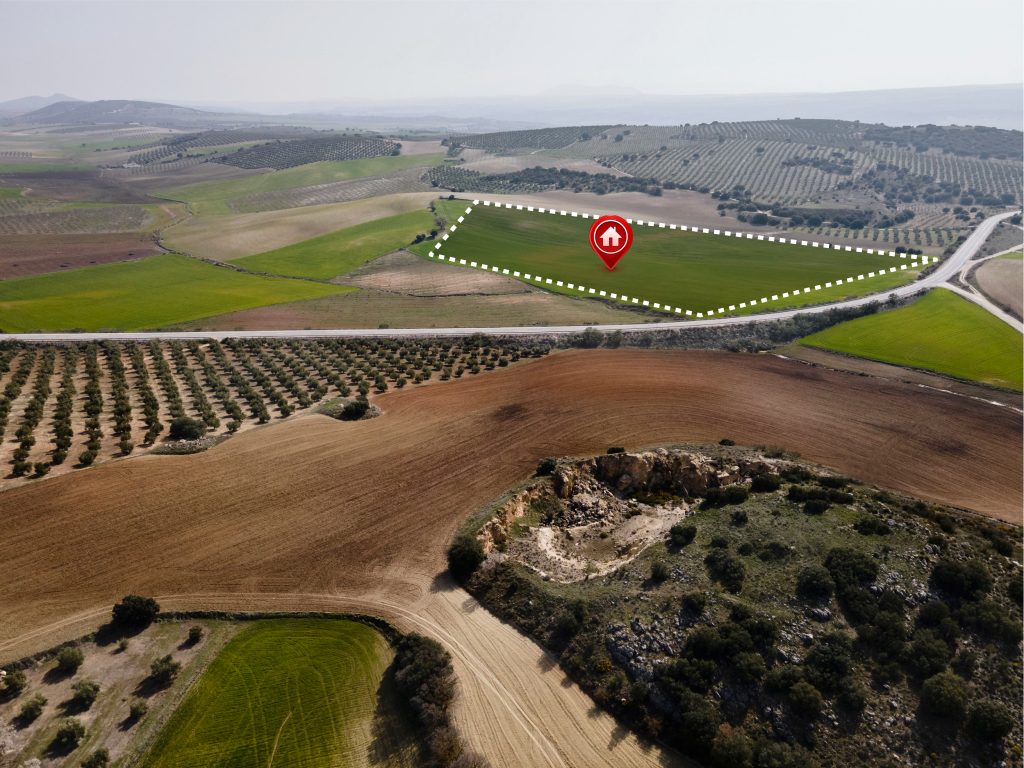
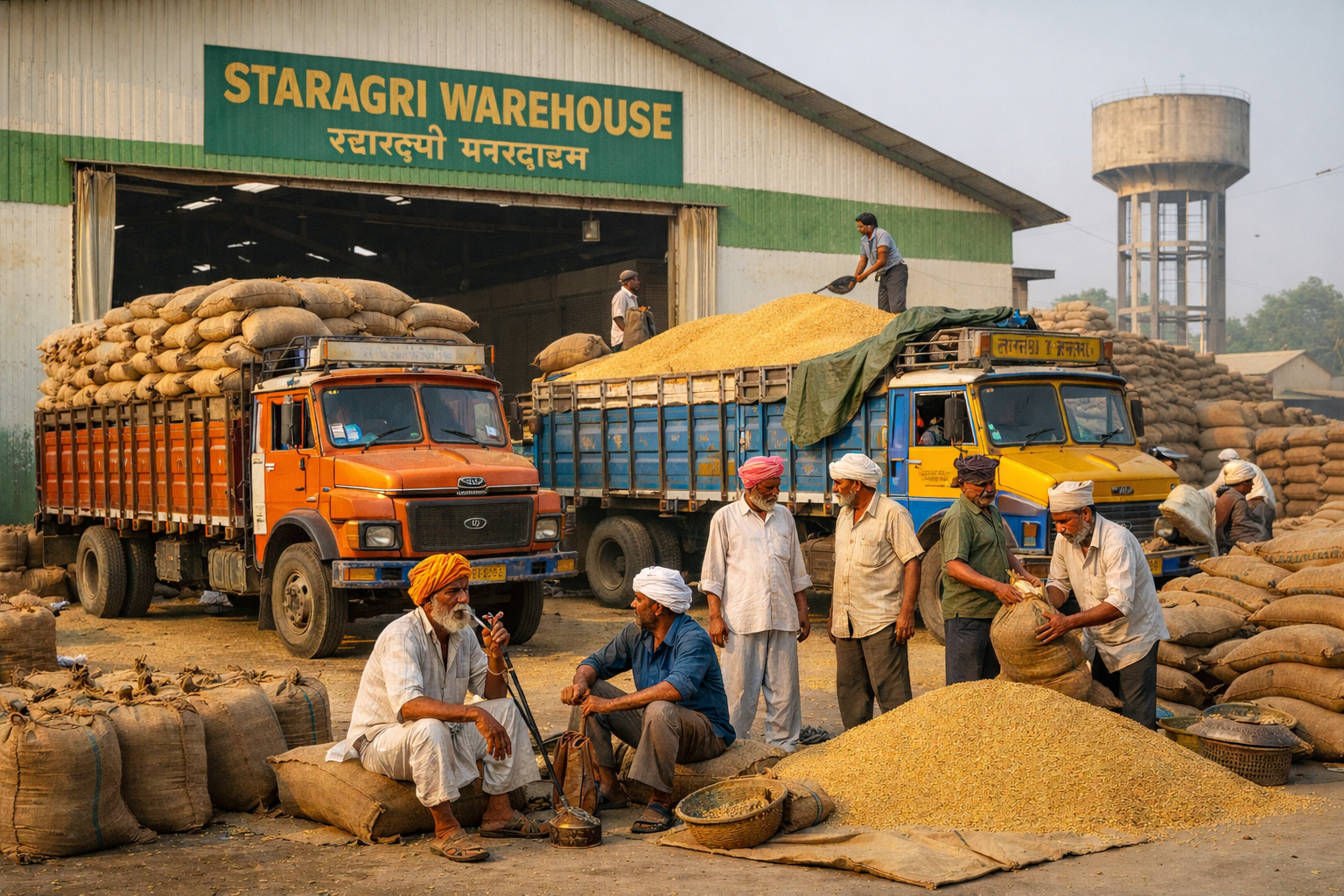
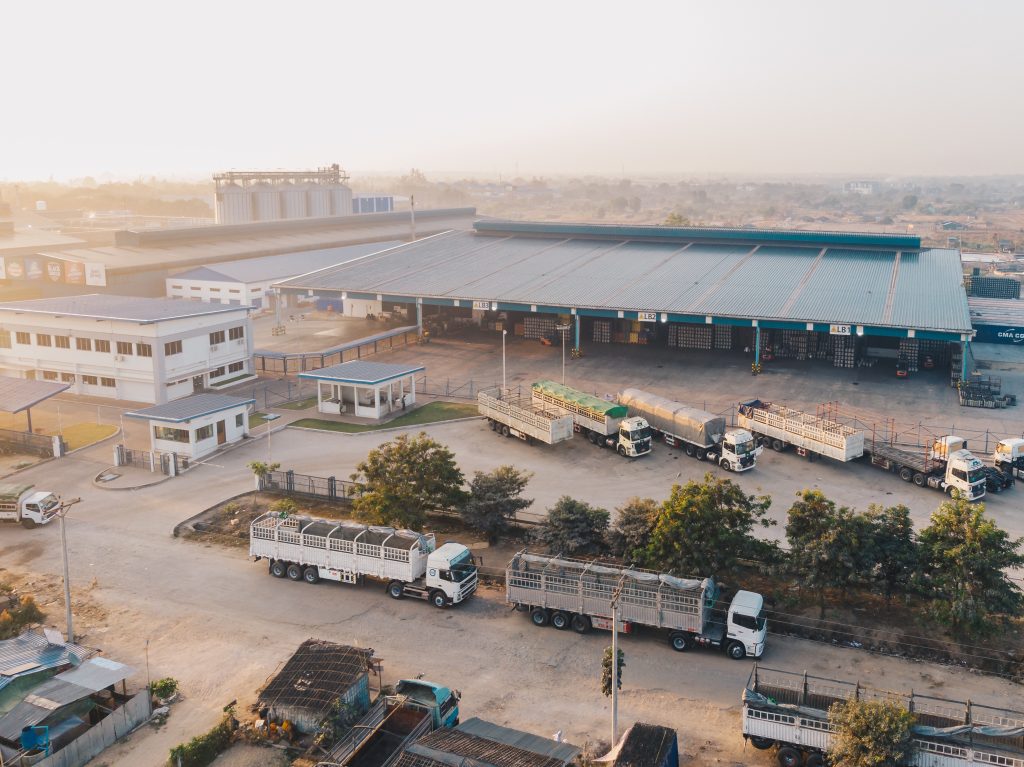
  • Scientific warehousing & collateral management: StarAgri operates over 2,200 scientific warehouses across India in more than 350 locations, providing secure storage solutions for multiple commodities. These facilities help preserve quality and extend the marketable lifespan of produce. Good storage infrastructure also unlocks financial access, stored stock becomes a credible asset that strengthens trust with buyers and partners throughout the supply chain.
  • Integrated value chain solutions: In addition to warehousing and testing, StarAgri’s ecosystem includes procurement support, trade facilitation, and digital marketplaces that connect farmers directly to buyers, removing unnecessary intermediaries and enabling fairer price realisation. This integrated approach helps bridge the crucial gap between field-level harvests and market demand, ensuring post-harvest actions add value rather than erode margins.
  • Growing international presence: StarAgri’s global expansion, with operational footprints across the Middle East, Africa, and the UAE, reflects its ambition to support international agri-commodity trade. This cross-border reach helps Indian producers align post-harvest quality standards with global market requirements, opening new export opportunities.

star labs

Looking ahead: Stronger post-harvest planning in 2026

As global food demand continues to grow and supply chains become more complex, the importance of post-harvest decision-making at the start of the year will only increase. In 2026, stakeholders who prioritise quality testing, strategic storage, pricing insights, and integrated supply chain access will be better positioned to unlock value and reduce loss. By investing time and resources into these decisions early in the calendar year, farmers and agribusinesses can turn the post-harvest phase from a period of risk into a platform for sustainable growth.

Conclusion

The beginning of the year isn’t just another calendar milestone for agriculture; it is a strategic window in which critical post-harvest decisions determine success or failure for the entire season. With the right quality insights, infrastructure, market intelligence, and partners like StarAgri supporting every step, stakeholders can transform what once was a vulnerable phase into a competitive advantage. Let 2026 be the year where every harvested grain finds its best value.

FAQs:

  • Why is the beginning of the year important for post-harvest decisions?
    The beginning of the year is critical because it follows the primary harvest season for many crops. Decisions taken during this period, such as quality assessment, storage selection, and market timing, directly impact post-harvest losses, price realisation, and overall profitability for the rest of the year.
  • What are the biggest challenges in post-harvest management in India?
    The significant challenges include inadequate scientific storage, insufficient quality testing, limited cold-chain infrastructure for perishables, and insufficient market intelligence. These factors contribute to high post-harvest losses, especially in fruits, vegetables, and grains.
  • How does quality testing support better post-harvest outcomes?
    Quality testing helps determine moisture levels, infestation risk, and grading standards of agricultural produce. Early post-harvest quality assessment enables farmers and traders to decide whether to store, process, or sell immediately, reducing the risk of rejection and preserving value.
  • How can scientific warehousing reduce post-harvest losses?
    Scientific warehousing maintains controlled storage conditions that protect commodities from moisture, pests, and physical damage. This significantly reduces post-harvest losses, extends shelf life, and enables producers to hold stocks until market conditions improve.
  • How does StarAgri support post-harvest planning for farmers and agribusinesses?
    StarAgri supports post-harvest planning through Star Labs’ quality testing services, a vast network of scientific warehouses, integrated value chain solutions, and an expanding international presence that helps align domestic produce with global market standards.

Disclaimer

The content published on this blog is provided solely for informational and educational purposes and is not intended as professional or legal advice. While we strive to ensure the accuracy and reliability of the information presented, StarAgri make no representations or warranties of any kind, express or implied, about the completeness, accuracy, suitability, or availability with respect to the blog content or the information, products, services, or related graphics contained in the blog for any purpose. Any reliance you place on such information is therefore strictly at your own risk. Readers are encouraged to consult qualified agricultural experts, agronomists, or relevant professionals before making any decisions based on the information provided herein. StarAgri, its authors, contributors, and affiliates shall not be held liable for any loss or damage, including without limitation, indirect or consequential loss or damage, or any loss or damage whatsoever arising from reliance on information contained in this blog. Through this blog, you may be able to link to other websites that are not under the control of StarAgri. We have no control over the nature, content, and availability of those sites and inclusion of any links does not necessarily imply a recommendation or endorsement of the views expressed within them. We reserve the right to modify, update, or remove blog content at any time without prior notice.
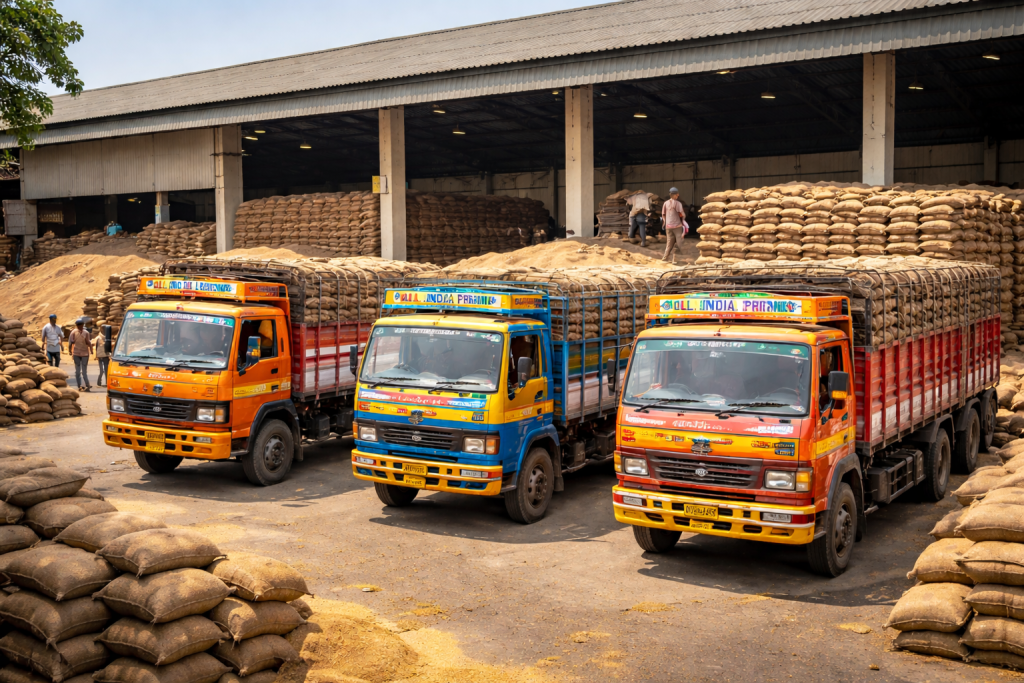
The agri storage and warehousing landscape witnessed transformative shifts in 2025, driven by technological innovation, policy support, sustainability imperatives, and the rising need to reduce post-harvest losses. As global and Indian markets evolve rapidly, agribusinesses and farmers alike are reconfiguring how produce is stored, managed, and moved across supply chains. Here’s a comprehensive look at the standout trends of 2025 and what the industry should expect heading into 2026.

Key trends that defined agri storage & warehousing in 2025

  • Rise of smart, tech-enabled storage solutions: 2025 marked a significant increase in the adoption of IoT, AI, and real-time monitoring systems within warehouses. These technologies have enabled agristores to maintain optimal environmental conditions, reduce spoilage, and improve traceability. IoT sensors continuously monitor temperature and humidity, generating automated alerts to prevent quality degradation, an essential advance considering India loses an estimated food worth billions annually due to inadequate storage.
    Digital inventory tracking using RFID and QR codes ensures accurate stock visibility and minimises theft or misplacement, a shift that’s reshaping warehouse efficiency across the value chain.

  • Infrastructure expansion supported by policy and investments: In 2025, the Indian government continued to emphasise closing the agricultural storage gap. Policies under schemes such as the Agricultural Marketing Infrastructure and thePM-Krishi Sampada Yojana have helped sanction thousands of new storage projects, addressing historical deficits and strengthening food security.
    Despite substantial improvements, India’s total warehousing capacity meets only around 50-60% of agricultural storage demand, highlighting the urgency for further expansion. Private sector participation has picked up pace as well, with investments in grade-A warehouse facilities, cold chains, and silo storage, helping accommodate diverse crop types and reduce seasonal bottlenecks.

agri storage

  • Acceleration of cold chain & perishable storage: One of the most pressing challenges in agricultural supply chains is the spoilage of perishables such as fruits and vegetables. Modern cold chain infrastructure, particularly in key states like Uttar Pradesh and West Bengal, expanded sharply in 2025, accounting for a significant slice of storage capacity.
    With the cold chain segment growing rapidly to preserve freshness and extend shelf life, stakeholders are optimising for temperature-controlled warehousing that aligns with export requirements and domestic market standards.
  • Sustainability & ‘Green warehousing’ become core focuses: Environmental, Social, and Governance (ESG) performance is no longer aspirational — it’s imperative. Warehouses are adopting solar energy, water recycling, and eco-friendly materials, enhancing both operational efficiency and long-term sustainability. Green infrastructure not only aligns with global carbon-reduction goals but also enhances the export competitiveness of agricultural products by meeting carbon-compliance criteria in international markets.
  • Integration of financial services with physical storage: In 2025, warehousing services increasingly converge with collateral management and financing solutions. Agritech firms began offering end-to-end solutions that not only house commodities but also enable access to structured credit, enhancing liquidity for farmers and agribusinesses ahead of trade or processing. This trend effectively bridges the gap between physical storage and financial inclusion, a crucial step towards a more resilient agri-ecosystem.

Projected trends to watch in 2026

  • Continued tech consolidation & AI-driven operations: In 2026, innovative technologies will become even more embedded in agri warehousing operations, with enhanced use of AI-powered predictive analytics, automated robotics, and advanced data dashboards to forecast storage needs, optimise space use, and anticipate crop arrival patterns. Expect increased deployment of machine learning tools to predict spoilage risk and dynamically adjust storage parameters.
  • Expansion into tier-II and tier-III regions: With logistics networks densifying, warehousing hubs will increasingly spread into tier-II and tier-III cities to improve last-mile connectivity and reduce logistical costs, mirroring broader industrial real estate trends. This pattern will help small farmers access storage closer to production zones, enhancing inclusivity.

  • Sustainability standards as competitive differentiators: ESG credentials will not be add-ons but performance indicators, with investors and global buyers demanding sustainability certifications, energy-efficiency ratings, and low-carbon footprints from their warehouse partners.

staragri

StarAgri services powering the future of agri storage

As India’s largest integrated agritech company, StarAgri is at the forefront of these transformations:

  • Warehousing network: With over 2,204 warehouses across India, StarAgri provides secure and compliant storage solutions tailored to diverse crop profiles.
  • IoT & remote monitoring: Leveraging cutting-edge IoT and remote sensing tech, we offer real-time environment tracking, helping reduce spoilage and optimise conditions for grains, pulses, and perishables.
  • Collateral management: Our integrated collateral management services unlock working capital against stored produce, empowering farmers with finance when it matters most.
  • Sustainable infrastructure: With green warehousing innovations like solar-assisted facilities and energy-efficient designs, StarAgri champions sustainability at scale.

FAQs

  1. What is driving the growth of agri warehousing in India?
    Growth is fuelled by government investment, private-sector participation, technology adoption (IoT & AI), cold-chain expansion, and increased focus on reducing post-harvest losses.
  2. How big is the global farm product warehousing market in 2025?
    The global farm product warehousing and storage market is estimated at around $108.5 billion in 2025, growing steadily as the broader adoption of technologically advanced storage solutions increases.
  3. Why is sustainability important in agri storage?
    Sustainability reduces energy costs, improves compliance with export standards, enhances ESG scores, and future-proofs logistics infrastructure.
  4. What technologies define modern warehousing?
    IoT sensors, AI analytics, remote sensing, blockchain for traceability, and automation tools are central to modern storage operations.
  5. How can StarAgri support agri storage needs?
    StarAgri provides scientific storage, digital tracking, collateral management, financing solutions, and sustainable infrastructure — end-to-end support for agribusinesses and farmers.

Disclaimer

The content published on this blog is provided solely for informational and educational purposes and is not intended as professional or legal advice. While we strive to ensure the accuracy and reliability of the information presented, StarAgri make no representations or warranties of any kind, express or implied, about the completeness, accuracy, suitability, or availability with respect to the blog content or the information, products, services, or related graphics contained in the blog for any purpose. Any reliance you place on such information is therefore strictly at your own risk. Readers are encouraged to consult qualified agricultural experts, agronomists, or relevant professionals before making any decisions based on the information provided herein. StarAgri, its authors, contributors, and affiliates shall not be held liable for any loss or damage, including without limitation, indirect or consequential loss or damage, or any loss or damage whatsoever arising from reliance on information contained in this blog. Through this blog, you may be able to link to other websites that are not under the control of StarAgri. We have no control over the nature, content, and availability of those sites and inclusion of any links does not necessarily imply a recommendation or endorsement of the views expressed within them. We reserve the right to modify, update, or remove blog content at any time without prior notice.

India’s next phase of agricultural growth will not be driven solely by higher acreage or yields. It will be shaped by how efficiently crops are stored, moved, financed, and connected to markets. As food supply chains become more time-sensitive and quality-driven, strengthening agri infrastructure emerges as a national priority, one that demands deeper participation from private players with the ability to build, operate, and scale modern solutions.

The scale of the gap

Every year, India loses a substantial portion of its produce between farm and fork. Recent government-linked studies and sector analyses estimate post-harvest losses running into tens of millions of tonnes annually, a drain on farmer incomes and national food security.

Cold storage and cold-chain capacity have expanded rapidly but remain unevenly distributed, often focused on a few states and commodities. As of June 30, 2025, India reported around 8,815 cold storage facilities with a combined capacity of about 40.2 million tonnes, signalling both progress and the size of the logistics challenge ahead.

At the same time, modern warehousing demand is surging: leasing in India’s industrial and warehousing market rose sharply in H1-2025 (record activity and 63% YoY growth), reflecting stronger demand from 3PLs, e-commerce, and food distribution partners, all of which require reliable agri logistics and storage.

cold storage

Role of private players in establishing agri infrastructure

  • Speed and scale of capital deployment: Private firms can mobilise equity and project finance to build modern warehouses, packhouses and cold-chain assets faster than many public programs, meeting demand in high-growth corridors.
  • Technology and operations expertise: Many private operators bring inventory management systems, IoT temperature monitoring, and integrated last-mile logistics that dramatically reduce spoilage and improve traceability.
  • Market-linked pricing and incentives: Private infrastructure enables warehouse receipts, collateralisation and market-linked financings that can convert stored produce into working capital for farmers and traders.
  • Integration with value-add services: Private players can offer sorting, grading, minimal processing and linkages to processors and exporters — creating more remunerative market outcomes for growers.

Economic upside for the country

The cold-chain and warehousing segments are predicted to be among the fastest-growing parts of the logistics ecosystem. Industry estimates show India’s cold-chain market was already large (over INR 2287.5 Billion in 2024 figures) and poised for further expansion to  INR 6061.7 Billion by 2033 at a CAGR of 10.86% (2025-2033) as food processing and fresh exports scale up. Similarly, Grade-A warehousing stock in India was on track to exceed 300 million sq ft by 2025, indicating rising professionalisation of storage capacity.

Investing in private agri infrastructure therefore multiplies benefits:

  • Lower post-harvest losses
  • Higher availability of quality produce for processors
  • Improved export readiness
  • Better farm credit against stored commodities.

agri infra

Policy enablers: Public + Private partnership

The public sector has invested in schemes and subsidies for cold chains, but gaps remain in last-mile, smallholder-friendly storage and integrated logistics. A pragmatic path is stronger PPPs and enabling regulations for warehouse receipts, transparent grading standards, tax incentives for green cold chains and streamlined land/clearances for agri-warehouses. Private operators, working alongside state programs, can deploy commercially sustainable models while public policy ensures equitable access for farmers.

StarAgri services supporting agri infrastructure growth

StarAgri offers an integrated set of services that directly complements private agri infrastructure expansion:

  • Pre-harvest intelligence: Satellite-verified land intelligence that geo-tags farms, captures crop history, acreage, and crop patterns, and supports better planning, risk assessment, and credit decision-making even before harvest.
  • Warehousing & Collateral Management: End-to-end warehouse onboarding, inspection, activation, and periodic revalidation to ensure safe, compliant, and transparent storage of agricultural commodities. Through collateral management, StarAgri helps customers to have access to easy credit options.
  • Integrated Logistics Support: Facilitates efficient movement of commodities across the supply chain—from farm gates and mandis to warehouses, processors, and export destinations.
  • Quality Testing through Star Labs: Scientific assaying and quality testing services that ensure standardisation, price discovery, and trust in commodity transactions.
  • Value-Added Services: Grading, sorting, and other services that improve commodity quality, consistency, and market readiness.

staragri warehouse

Conclusion

India’s agricultural growth story will increasingly be defined by the strength of its agri infrastructure, from pre-harvest intelligence and quality assurance to storage, logistics, and market linkage. Greater participation from private players can bridge long-standing gaps in efficiency, transparency, and scalability across the value chain. With its integrated ecosystem spanning agritech solutions, warehousing and collateral management, logistics, and Star Labs, StarAgri is playing a critical role in building future-ready agri infrastructure that supports farmers, strengthens trade, and accelerates the formalisation of India’s agricultural economy.

FAQs

  • What is meant by ‘agri infrastructure’?
    It includes physical and digital assets that support agriculture, such as warehouses, cold storages, packhouses, processing units, transport links, and systems like warehouse receipt platforms and inventory software.
  • How do private players reduce post-harvest losses?
    By providing temperature-controlled storage, faster handling, better grading/sorting, and traceable logistics that reduce spoilage and quality downgrades.
  • Will more private infrastructure hurt small farmers?
    Properly structured, private infrastructure increases market access and provides options (paid storage, market linkages, credit against inventory). Policy design and inclusive business models are important to ensure smallholder benefits.
  • How can farmers access finance using warehoused produce?
    Through warehouse receipt financing and structured trade finance, farmers or aggregators can pledge stored produce as collateral to obtain short-term working capital, a service StarAgri provides.
  • What role should the government play?
    The government should enable PPPs, provide targeted incentives for hinterland cold-chain and smallholder-friendly warehouses, and ensure standards and frameworks (grading, receipts) that build trust in private supply chains.

Disclaimer

The content published on this blog is provided solely for informational and educational purposes and is not intended as professional or legal advice. While we strive to ensure the accuracy and reliability of the information presented, StarAgri make no representations or warranties of any kind, express or implied, about the completeness, accuracy, suitability, or availability with respect to the blog content or the information, products, services, or related graphics contained in the blog for any purpose. Any reliance you place on such information is therefore strictly at your own risk. Readers are encouraged to consult qualified agricultural experts, agronomists, or relevant professionals before making any decisions based on the information provided herein. StarAgri, its authors, contributors, and affiliates shall not be held liable for any loss or damage, including without limitation, indirect or consequential loss or damage, or any loss or damage whatsoever arising from reliance on information contained in this blog. Through this blog, you may be able to link to other websites that are not under the control of StarAgri. We have no control over the nature, content, and availability of those sites and inclusion of any links does not necessarily imply a recommendation or endorsement of the views expressed within them. We reserve the right to modify, update, or remove blog content at any time without prior notice.
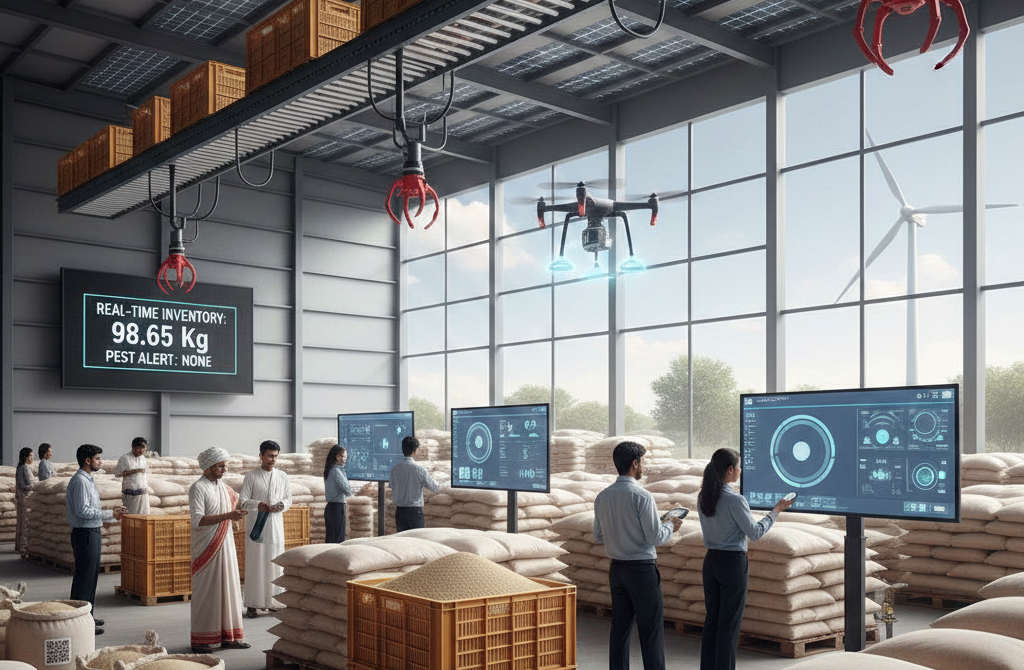
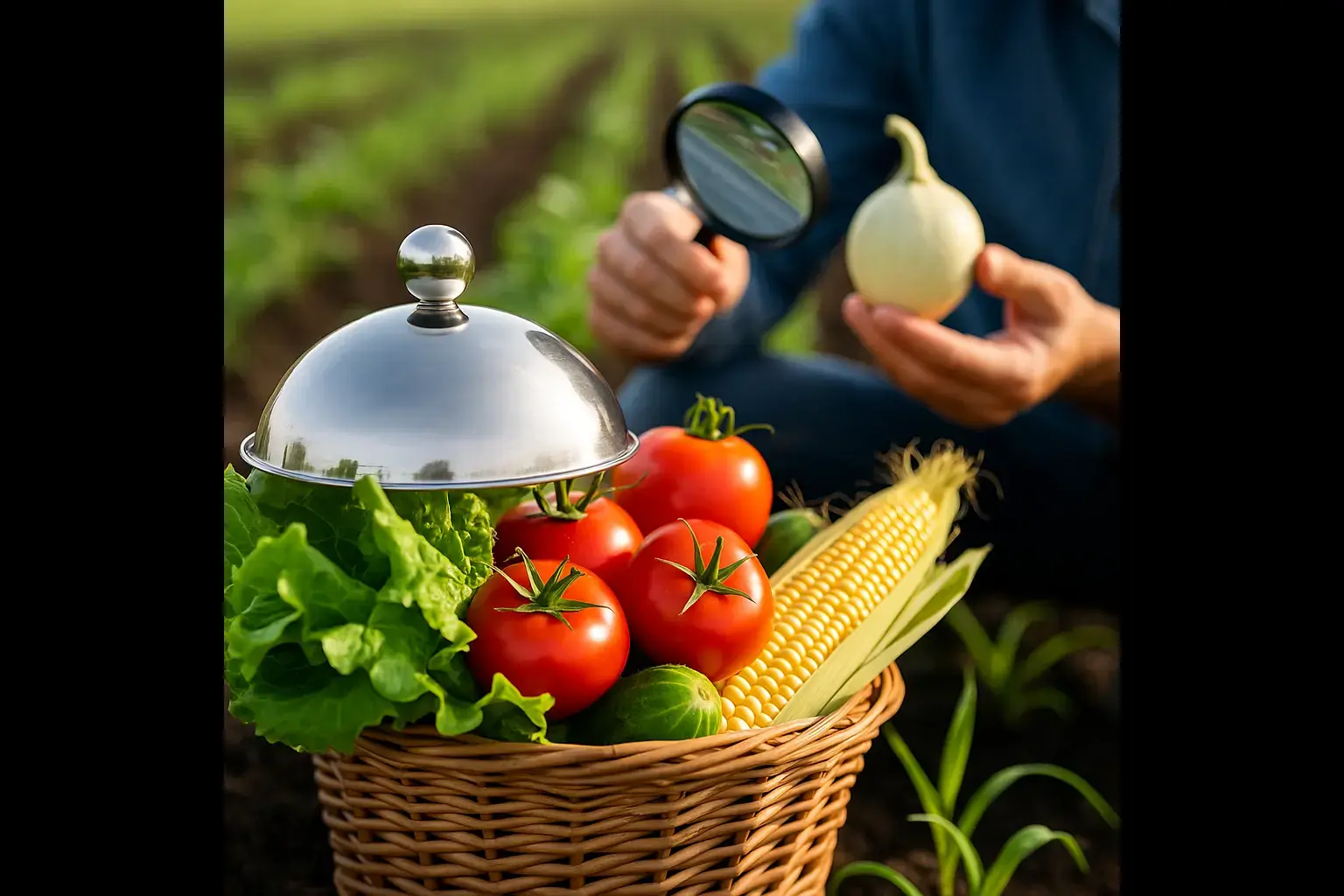
With the Indian agri economy evolving, simply harvesting a good crop is no longer enough. Buyers, processors, warehouses, and exporters expect standards to be scientifically validated. That’s why performing a few key quality tests before selling produce can help farmers lock in better prices, avoid rejections, and ensure compliance.
According to a recent nationwide assessment by NABARD Consultancy Services (NABCONS) commissioned by the Ministry of Food Processing Industries (MoFPI), post-harvest losses across cereals, pulses, oilseeds, fruits and vegetables still hover between roughly 3.9% to 15%, depending on the commodity, underlining how critical testing and proper handling remain.

How can these be reduced? Well, getting the crops assayed is one of many ways. Below are 5 standardised tests that farmers should consider.

  1. Moisture Content Test
    One of the first and most essential quality tests is measuring moisture content, typically following internationally recognised methods such as ISO 712 (for cereals) or AOAC standards. Moisture determines how well grains and oilseeds store, whether they’re safe from fungal damage, and whether they retain their weight up to delivery. For example, for many common grains, the safe moisture content limit is around 12–14% (depending on the crop and standards). Exceeding these limits frequently causes spoilage or leads to rejection at the mandi or warehouse gate. Using a calibrated moisture meter or lab-based drying method gives dependable readings.quality tests
  2. Test Weight / Bulk Density Test
    Another essential measure is the test weight (or bulk density) of grains, which indicates their quality, maturity, and suitability for processing or milling. In India, national grade standards under Agmark and referenced BIS/ISI norms set clear expectations for such parameters. A higher test weight generally correlates with better milling yield, cleaner grain, and higher market value. Conducting this test before sale helps farmers and buyers agree on a fair price based on scientifically measurable quality rather than just appearance or expectation.
  3. Impurity & Foreign-Matter Test
    Quality isn’t just about what’s present; it’s also about what’s not present. Impurities and foreign matter (stones, straw, dust, weed seeds, chaff, husk, etc.) reduce edible yield, cause safety risks, and often lead to lot rejection or price deduction. Under Agmark and food-safety standards, there are defined upper limits for foreign matter and impurities for various commodities. Running an impurity/foreign-matter test — by sieving, cleaning and inspecting a representative sample — helps confirm whether the lot meets accepted standards. For instance, Agmark norms for many grains restrict extraneous matter to not more than 1% by weight (with defined limits for mineral and animal-origin impurities). 
  4. Varietal Purity & Admixture Test
    Beyond physical cleanliness and density, the genetic or varietal purity of a grain or seed lot is increasingly critical, especially for pulses, spices, basmati rice or other high-value crops. Standards set by Agmark and globally respected protocols under the International Seed Testing Association (ISTA) are used to verify that a lot contains only the declared variety and isn’t mixed with inferior or undesired ones. A consistent varietal profile ensures uniform processing results, predictable yields, and trust from processors or buyers.
  5. Aflatoxin & Pesticide Residue (Food Safety) Test
    Finally, and increasingly relevant, are safety and contaminant tests: checking for aflatoxins, mycotoxins, pesticide residues, and other chemical contaminants. With stricter norms by national regulators and growing demand from exporters and institutional buyers, these scientific quality tests are often non-negotiable. This global trend is reflected in the growing size of the food-safety testing market. According to a 2024 industry report, the market was valued at USD 24.37 billion and is projected to reach USD 48.01 billion by 2033, growing at a CAGR of 7.8% from 2025 to 2033.

Importance of these tests

A 2024 study by NABCONS, under MoFPI, reports post-harvest losses ranging from ~3.9% to ~5.9% for cereals, 5.6–6.7% for pulses, 2.9–7.5% for oilseeds, and up to 15% for fruits/vegetables across various commodities in the 2020–22 period, the impact of untested or poorly graded produce on farmer income becomes clear. These losses stem from spoilage, contamination, rejection, and quality discounts, but many can be avoided or reduced if farmers run proper quality tests before sale.
By using recognised tests (such as moisture, bulk density, impurity checks, varietal purity, and safety screening), farmers not only ensure better acceptance but can also tap into higher-value markets, such as institutional buyers, processors, and exporters, that demand documented proof of quality and safety. Moreover, in a world where the global food-safety testing market is booming, investing in quality checks isn’t just about compliance; it’s about positioning produce as premium, trustworthy, and export-ready. 

Star Labs: A crop quality assessment facility by StarAgri

This is where a service-oriented agritech infrastructure becomes crucial!
StarAgri, through its Star Labs network, offers accessible, standard-compliant testing services: moisture meters, calibrated bulk density measurements, impurity and foreign-matter analysis, seed/varietal purity tests, and residue screening (mycotoxin, pesticide) via accredited partner labs. By combining these tests with transparent sampling protocols, documentation, and traceability, StarAgri lowers barriers to farmers’ access to premium value chains, reduces disputes at mandis or warehouses, and helps build trust with buyers and institutions.

FAQs:

  • What are the most important quality tests farmers should perform before selling produce?
    The most essential quality tests include moisture content, test weight, impurities & foreign matter, varietal purity, and aflatoxin or pesticide residue checks. These tests help farmers determine market grade, meet buyer specifications, and secure better pricing.
  • Why is moisture content testing so critical for crop quality?
    Moisture content directly affects shelf life, storage losses, and price discovery. High moisture levels lead to fungal growth, aflatoxins, and buyer rejection. Most commodities have recommended moisture limits—e.g., wheat (≤12%) and chana (≤10%)—to ensure safe handling and reduce spoilage.
  • Can farmers access scientific quality testing without expensive lab equipment?
    Yes. Facilities such as Star Labs by StarAgri offer ISO-aligned, FSSAI-compliant testing for moisture, impurities, mycotoxins, and more. Farmers can walk into the nearest StarAgri warehouse or partner point to get quick, accurate quality reports at affordable rates.
  • How does quality testing help farmers get better prices?
    Quality tests determine grading (A/B/C), which directly impacts price negotiations. Produce that meets buyer standards—especially in moisture and purity—can receive 5–15% higher rates in mandis, auctions, and B2B procurement channels.
  • Are aflatoxin and pesticide residue tests required for domestic sales?
    While not mandatory for all local trade, many processors, exporters, and food companies require compliance with aflatoxin (<20 ppb for groundnuts) and pesticide limits as per FSSAI MRLs. These tests are essential if farmers supply to premium markets or export-oriented buyers.
  • How does StarAgri support farmers with quality testing?
    StarAgri provides scientific sampling, commodity grading, lab-certified testing, and quality assurance reports through Star Labs. These tests help farmers access finance, reduce disputes with buyers, and improve overall transparency in the supply chain.

Disclaimer

The content published on this blog is provided solely for informational and educational purposes and is not intended as professional or legal advice. While we strive to ensure the accuracy and reliability of the information presented, StarAgri make no representations or warranties of any kind, express or implied, about the completeness, accuracy, suitability, or availability with respect to the blog content or the information, products, services, or related graphics contained in the blog for any purpose. Any reliance you place on such information is therefore strictly at your own risk. Readers are encouraged to consult qualified agricultural experts, agronomists, or relevant professionals before making any decisions based on the information provided herein. StarAgri, its authors, contributors, and affiliates shall not be held liable for any loss or damage, including without limitation, indirect or consequential loss or damage, or any loss or damage whatsoever arising from reliance on information contained in this blog. Through this blog, you may be able to link to other websites that are not under the control of StarAgri. We have no control over the nature, content, and availability of those sites and inclusion of any links does not necessarily imply a recommendation or endorsement of the views expressed within them. We reserve the right to modify, update, or remove blog content at any time without prior notice.

If there’s one industry that’s changing faster than most people realize, it’s agriculture. What used to be a heavily manual, paperwork-driven, slow-moving sector is now stepping into a future shaped by technology, data, and smarter trade systems. Farmers are getting direct access to markets, exporters are cutting down delays, and global buyers want traceability from farm to plate.

As food demand rises and supply chains stretch across continents, agricultural trade needs to be more efficient, transparent, and connected than ever. That’s exactly where the next wave of innovation is heading.

Let’s have a look at the latest trends in trade facilitation that are shaping the future.

Future Trends in Agricultural Trade Facilitation

1. Digital Transformation in Agriculture Trade

Digital systems are becoming the backbone of modern agriculture. Exporters no longer want to deal with piles of documents, long queues at customs, or slow verification processes. With the rise of digital platforms, blockchain-based records, automated compliance checks, AI-powered documentation, and e-signatures, cross-border trade is getting simpler and faster. This digital transformation in agriculture trade is cutting down weeks of processing into a matter of hours, making global shipments more reliable and cost-effective.

2. E-Commerce Solutions for Agribusinesses

Selling agricultural products has shifted from physical mandis to digital storefronts. Farmers and agribusinesses today can list their products on B2B marketplaces, connect directly with global buyers, and negotiate prices without intermediaries. These e-commerce solutions for agribusinesses help producers reach new markets, reduce middleman costs, and build long-term buyer relationships. For exporters, this creates a steady pipeline of verified orders backed by secure payment systems.

3. Smart Logistics and Real-Time Supply Chain Visibility

Supply chains are no longer blind. Thanks to IoT sensors and real-time tracking tools, exporters can now monitor every aspect. It includes the location of the shipment, temperature, and humidity (crucial for perishables), expected delivery times, and storage conditions. This level of visibility helps avoid spoilage, delays, and financial losses. It also creates more predictable trade cycles, making global buyers trust Indian agribusinesses more.

4. Blockchain for Traceability and Compliance

Global buyers want to know where their food comes from. Was it grown responsibly? Is it pesticide compliant? Has the supply chain been tampered with? Blockchain is answering all these questions with tamper-proof records. It ensures every step, from harvesting to shipping, is transparent and traceable. This strengthens India’s agricultural credibility on the world stage, especially for high-value exports like spices, grains, and processed foods.

5. Climate-Resilient Trade Practices

With unpredictable weather becoming more common, agricultural trade must adapt to ensure reliability. Climate-resilient practices are now a key trend, including using predictive weather analytics to plan export schedules, ensuring climate-safe storage for sensitive products, and optimizing trade routes to avoid extreme weather conditions. These measures help protect farmers and exporters from unexpected disruptions, making trade more stable and efficient.

6. Automation and Robotics in Post-Harvest Handling

Post-harvest processes like sorting, grading, and packing were once manual tasks, but automation is now transforming them. Modern warehouses use automated grading machines, robotic arms for handling produce, and smart packaging lines. These technologies improve consistency, speed up processing, and reduce costs. For international trade, maintaining uniform quality is crucial, and automation ensures that every product meets the highest standards.

7. Cross-Border Digital Corridors

Countries are slowly adopting paperless trade corridors; digital pathways where customs documents, permissions, and certificates flow seamlessly between nations. These corridors reduce paperwork errors, speed up approval times, and cut down the cost of moving goods across borders. As India expands its digital trade agreements, agricultural exporters will benefit the most.

8. Financing Solutions Powered by Data

Access to finance has traditionally been a challenge for small and mid-sized agribusinesses, but that’s changing with data-driven financing. Banks and NBFCs now use satellite imagery, crop health reports, supply chain visibility data, and real-time trade records to assess borrowers. This approach speeds up the loan process, improves accuracy, and provides farmers and exporters with the financial support they need to grow their businesses.

9. Sustainability and Ethical Trade Compliance

Sustainability is now a must in agricultural trade. International buyers are increasingly seeking ethically sourced, eco-friendly, and sustainably produced agricultural products. As a result, exporters are focusing on improving waste management, carbon tracking, water-efficient production, and organic, residue-free farming. Meeting sustainability standards is becoming a competitive edge, helping businesses stand out in global markets and attract more environmentally conscious buyers.

How These Trends Will Shape the Future Agribusiness Landscape

All these shifts point in one direction: a smarter, more connected, and more transparent agricultural trade ecosystem.

  • Farmers get better prices.
  • Businesses expand their global reach.
  • Supply chains become more predictable.
  • Buyers trust Indian commodities more.

The future of agribusiness is not just about bigger volumes; it’s about better systems, deeper visibility, and higher-quality trade interactions.

The Role of Integrated Trade Platforms in Driving This Future

As trade becomes more digital, end-to-end platforms will play a bigger role in connecting the dots. Platforms that combine procurement, storage, quality testing, logistics, compliance, and marketplace linkages will help agribusinesses move faster and operate with more confidence.

These platforms reduce friction across the entire value chain and make global trade accessible even for smaller players.

To Sum Up

Agricultural trade is entering a new era, one driven by digital tools, smarter logistics, and transparent systems. As these trends grow stronger, businesses that adapt early will enjoy better access to global markets and higher profitability.

Marketplaces like StarAgri are already pushing this transformation forward by offering modern agri trade solutions that help farmers and agribusinesses grow with confidence. 

Get in touch with us to futureproof your agribusiness!

FAQ’s

What is agricultural trade facilitation?

Agricultural trade facilitation refers to streamlining the processes involved in buying and selling agricultural products across borders using technology, logistics, and digital solutions.

What are climate-resilient practices in agricultural trade?

Climate-resilient practices include using weather forecasting tools, optimizing storage, and planning logistics around environmental conditions to protect crops and trade.

Why is traceability important in agricultural exports?

Traceability assures buyers about the product’s origin, quality, and safety standards. It increases buyer trust and enables smoother trade in global markets.

What role does e-commerce play in global agricultural trade?

E-commerce platforms connect farmers directly to international buyers. It enables them to sell products efficiently, expand market reach, and improve profit margins.

How can AI improve agricultural trade?

AI aids in predicting demand, optimizing pricing, and forecasting weather conditions. It helps agribusinesses make informed decisions, reduce risk, and improve global trade efficiency.

Disclaimer

The content published on this blog is provided solely for informational and educational purposes and is not intended as professional or legal advice. While we strive to ensure the accuracy and reliability of the information presented, StarAgri make no representations or warranties of any kind, express or implied, about the completeness, accuracy, suitability, or availability with respect to the blog content or the information, products, services, or related graphics contained in the blog for any purpose. Any reliance you place on such information is therefore strictly at your own risk. Readers are encouraged to consult qualified agricultural experts, agronomists, or relevant professionals before making any decisions based on the information provided herein. StarAgri, its authors, contributors, and affiliates shall not be held liable for any loss or damage, including without limitation, indirect or consequential loss or damage, or any loss or damage whatsoever arising from reliance on information contained in this blog. Through this blog, you may be able to link to other websites that are not under the control of StarAgri. We have no control over the nature, content, and availability of those sites and inclusion of any links does not necessarily imply a recommendation or endorsement of the views expressed within them. We reserve the right to modify, update, or remove blog content at any time without prior notice.

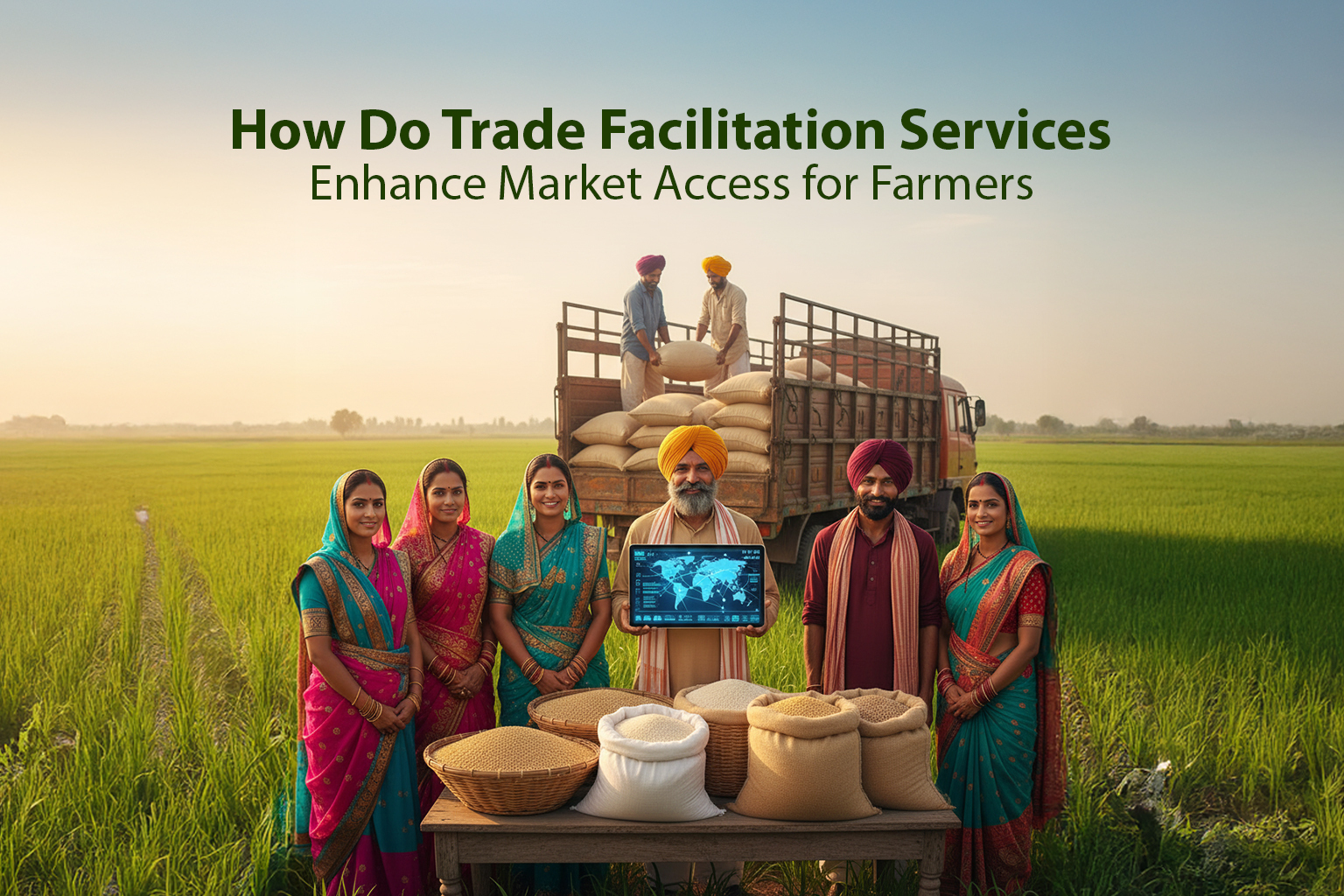
Farmers are the backbone of our food systems, yet many face significant barriers when trying to access profitable markets. From navigating complex regulations to dealing with unpredictable supply chains, these challenges can restrict their growth potential. 

Such scenarios make market access crucial for farmers to sell their produce at fair prices, expand their customer base, and ultimately, thrive in a competitive marketplace. That’s where trade facilitation services come in. By simplifying the trade process, these services help overcome barriers, opening up new market opportunities for farmers.

Here, we’ll explore how trade facilitation services increase market access for farmers, making the agricultural trade process smoother, more efficient, and ultimately more profitable.

Understanding Trade Facilitation in Agriculture

Trade facilitation in agriculture refers to the various processes and services designed to simplify and streamline the movement of agricultural goods from producers to markets. It covers everything from logistics and documentation to customs procedures and payment systems. Trade facilitation aims to reduce inefficiencies in the supply chain, making it easier for farmers to access both local and international markets.

For farmers, trade facilitation means that their products can reach buyers quickly and efficiently, without being hindered by unnecessary complexities. It’s a crucial tool for increasing market access, ensuring that farmers have the right resources and support to sell their produce to the right buyers at the right time.

The Impact of Agricultural Trade Barriers

While agriculture is one of the most important sectors, farmers often face several barriers that limit their market access. Some of the key agricultural trade barriers include:

  • Tariffs and Taxes

High tariffs can make agricultural exports expensive and less competitive in international markets.

  • Complex Regulations

Different countries or regions may have varying food safety regulations, certifications, and standards, which complicate cross-border trade.

  • Customs Delays

Slow customs clearance and excessive paperwork can delay the arrival of products at their destination markets, leading to potential losses.

  • Infrastructure Gaps

Poor transportation, lack of cold storage, and inadequate logistics can prevent farmers from delivering fresh produce on time.

These trade barriers hinder the growth potential of farmers by restricting their ability to access new markets.

Overcoming Trade Barriers with Supply Chain Solutions for Farmers

Supply chain solutions play a crucial role in overcoming agricultural trade barriers. These solutions focus on improving the logistics, storage, and distribution systems that connect farmers to the market. Here’s how they work:

  • Efficient Transportation

Advanced transportation solutions like refrigerated trucks, bulk carriers, and quick shipping options help ensure that agricultural products, especially perishable goods, reach the market fresh and on time.

  • Cold Chain Logistics

For perishable products like fruits, vegetables, and dairy, cold chain logistics are essential. This system keeps products at the right temperature throughout the entire journey, reducing spoilage and wastage.

  • Warehouse and Storage Facilities

Strategic warehouse locations and better storage options ensure that farmers can store their products until they are ready for sale. This is especially crucial for seasonal products, allowing farmers to sell them when market demand is higher.

By overcoming logistical and infrastructure challenges, these supply chain solutions open up access to both new domestic and international markets, ensuring that farmers can sell their produce at competitive prices.

How Trade Facilitation Services Benefit Farmers?

Trade facilitation services streamline the entire trade process, benefiting farmers in multiple ways:

  • Simplified Documentation

Trade facilitation services help with the preparation of required documents, such as export licenses, certificates of origin, and customs declarations. This simplifies the export process, reducing the time and cost associated with paperwork.

  • Faster Customs Clearance

Trade facilitation services often include partnerships with customs authorities, helping ensure smoother clearance at borders. This reduces delays and minimizes the risk of product spoilage, especially for perishable goods.

  • Expanded Market Access

Through trade facilitation, farmers can access both local and international markets more easily. For example, some services provide connections to international buyers, helping farmers tap into lucrative export markets.

  • Fair Pricing

By cutting down on middlemen, trade facilitation services ensure that farmers receive fair prices for their products. This reduces the influence of price manipulators and empowers farmers to negotiate better deals.

Role of Technology in Agricultural Trade Facilitation

Technology has become a game-changer in the agricultural trade process. From connecting farmers to buyers to providing real-time updates on the status of goods, digital tools play a pivotal role in improving market access. Some of the key technological advancements include:

  • Digital Platforms

Online platforms allow farmers to showcase their products and connect directly with buyers. These platforms provide farmers with greater visibility, helping them attract customers who might have been otherwise unreachable.

  • Mobile Apps

Many mobile applications offer farmers real-time information on market prices, weather forecasts, and available buyer networks. These apps help farmers make informed decisions about when and where to sell their produce.

  • Blockchain and Traceability

Blockchain technology enables farmers to provide detailed product traceability, assuring buyers of the quality and origin of their produce. This is especially important in international trade, where food safety standards are crucial.

  • Digital Payment Systems

With digital payment systems, farmers can quickly and securely receive payments for their goods, even from international buyers, eliminating the risk and delays associated with traditional banking methods.

By using technology, trade facilitation services make the process of selling agricultural products more transparent, efficient, and accessible to farmers around the world.

To Sum Up

Trade facilitation services are transforming the way farmers access markets. By overcoming trade barriers and streamlining the supply chain, these services empower farmers to sell their produce more efficiently and at fair prices.

As a company committed to improving the agricultural trade process, StarAgri provides comprehensive Agri Trade Facilitation Services, offering everything from logistics and storage solutions to market linkages and digital platforms. 

With StarAgri’s support, farmers can now access new markets, increase their profitability, and grow their businesses sustainably. Connect with us today to know more about the services!

FAQ’s

1. What are the key challenges faced by farmers in accessing markets?

Farmers often face challenges like a lack of market information, high transportation costs, regulatory barriers, and limited access to storage facilities, which can hinder their ability to sell products efficiently.

2. What are supply chain solutions in agriculture?

Supply chain solutions in agriculture include logistics, cold storage, inventory management, and transportation systems designed to ensure that agricultural products reach the market in the best condition and on time.

3. How can digital platforms improve market access for farmers?

Digital platforms enable farmers to connect with buyers directly, showcase their products, and gain better market visibility, helping them access a wider range of potential buyers both locally and globally.

4. How do trade facilitation services benefit small-scale farmers?

Small-scale farmers benefit by gaining easier access to logistics, market information, and buyers, allowing them to compete with larger producers and increase their revenue potential.

5. Can trade facilitation services help reduce food waste?

Yes, by improving transportation, storage, and logistics, trade facilitation services help reduce spoilage and waste, particularly for perishable goods like fruits and vegetables.

6. What role do cold chain solutions play in agricultural trade?

Cold chain solutions are crucial for transporting perishable goods like dairy, meat, and fruits. They ensure that products remain fresh and meet the required standards, thus increasing the chances of successful trade.

Disclaimer

The content published on this blog is provided solely for informational and educational purposes and is not intended as professional or legal advice. While we strive to ensure the accuracy and reliability of the information presented, StarAgri make no representations or warranties of any kind, express or implied, about the completeness, accuracy, suitability, or availability with respect to the blog content or the information, products, services, or related graphics contained in the blog for any purpose. Any reliance you place on such information is therefore strictly at your own risk. Readers are encouraged to consult qualified agricultural experts, agronomists, or relevant professionals before making any decisions based on the information provided herein. StarAgri, its authors, contributors, and affiliates shall not be held liable for any loss or damage, including without limitation, indirect or consequential loss or damage, or any loss or damage whatsoever arising from reliance on information contained in this blog. Through this blog, you may be able to link to other websites that are not under the control of StarAgri. We have no control over the nature, content, and availability of those sites and inclusion of any links does not necessarily imply a recommendation or endorsement of the views expressed within them. We reserve the right to modify, update, or remove blog content at any time without prior notice.

Introduction

Smallholder farmers form the backbone of agriculture across India and much of the world. Yet, despite contributing significantly to food production, they face constant challenges, limited access to buyers, dependence on middlemen, and inconsistent pricing for their crops. In recent years, digital platforms have emerged as a powerful tool to close these gaps. By creating direct connections between farmers and buyers, they are rewriting the story of agricultural trade.

This article explores how digital-driven marketplaces are empowering smallholder farmers, helping them secure better prices, and giving them tools to thrive in a modern economy.

Digital Transformation in Agriculture

Digital Transformation in Agriculture

For decades, farmers relied almost exclusively on local mandis or traders to sell their produce. While these markets remain important, they often involve multiple intermediaries, leaving farmers with only a small share of the final value.

The rise of smartphones, internet access, and agritech innovations is changing this landscape. Today, digital platforms allow farmers to list their crops online, connect with wholesale buyers, retailers, and even direct consumers, while receiving instant updates on demand and pricing. This shift not only modernizes trading but also gives farmers greater control over their produce.

Bridging the Market Gap

One of the biggest hurdles smallholder farmers face is limited reach. Most sales happen locally, restricting them to a small pool of buyers. Digital solutions help bridge this gap by:

Connecting Farmers to Larger Markets – Farmers can now sell beyond their villages or towns, reaching buyers in cities, across states, and even in global markets.

Reducing Dependence on Middlemen – Direct transactions improve transparency and ensure fairer trade.

Expanding Opportunities – A smallholder farmer with seasonal produce can tap into demand-driven opportunities and negotiate better deals.

For example, in many states, farmers who once sold surplus vegetables at throwaway prices locally are now finding buyers in urban centers through digital trading channels.

Economic Advantages for Farmers

Digital access is not just about visibility, it directly impacts farmers’ incomes and financial stability.

Transparent Pricing: Farmers get real-time price updates, making it harder for buyers to undervalue their crops.

Stable Income: Access to multiple buyers helps reduce risks tied to a single market.

Data-Driven Planning: By knowing what buyers need in advance, farmers can plan their crop cycles more strategically, minimizing waste.

These benefits empower farmers to become entrepreneurs, rather than passive participants in the value chain.

Beyond Sales: Integrated Services

Online platforms today offer much more than just a space to sell produce. They provide a 360-degree support system that addresses farmers’ broader needs:

Financial Services: Access to microcredit, insurance, and digital payments makes transactions safer and more inclusive.

Logistics & Storage: Partnerships with logistics providers reduce post-harvest losses by ensuring crops reach markets quickly. Cold storage facilities are particularly important for perishable items like fruits and vegetables.

Knowledge Sharing: Farmers receive updates on market demand, weather forecasts, and best practices, which improves productivity and reduces risk.

These services create a reliable ecosystem where farmers are not only sellers but active decision-makers in their supply chains.

Case Studies

The transformation brought by digital solutions is best illustrated through real-life examples:

1. Pomegranate Farmers in Maharashtra

A cooperative of smallholder pomegranate farmers in Maharashtra faced huge post-harvest losses due to oversupply in local mandis. By using a digital trading platform, they could directly connect with urban wholesalers and retailers. This allowed them to:

Sell their produce at fair market prices without middlemen.

Reduce losses by 30% through faster sales and better storage planning.

Gain insights into demand cycles, enabling strategic harvesting.

2. Collective Vegetable Farmers in Uttar Pradesh

In northern India, smallholder vegetable farmers struggled to transport their crops efficiently. Through a mobile-based agri-tech platform, they organized collective logistics and accessed larger markets. The results were significant:

Transportation costs reduced by nearly 25% through shared resources.

Farmers secured higher prices by directly negotiating with buyers in nearby cities.

Enhanced confidence and financial stability allowed them to invest in improved seeds and farming techniques.

3. Multi-Crop Farmers in Karnataka

Farmers growing multiple crops in Karnataka leveraged digital marketplaces to reach consumers and local grocery stores. They benefited from:

Real-time pricing updates that helped them decide when and where to sell.

Ability to plan crop cycles based on market demand, reducing unsold inventory.

Access to integrated services like digital payments and crop advisory, making the overall farming process more efficient and profitable.

These examples demonstrate that when technology is applied thoughtfully, farmers not only improve their incomes but also gain autonomy, knowledge, and confidence. Digital platforms are empowering smallholders to transition from traditional, fragmented market access to a more predictable and profitable system.

Challenges Hindering Growth

Despite these benefits, certain barriers slow down the widespread adoption of digital platforms in agriculture:

Digital Literacy – Many farmers, especially older generations, are unfamiliar with mobile apps and online trading.

Connectivity Gaps – Rural areas still struggle with weak internet infrastructure.

Trust and Transparency – Farmers need assurance that digital platforms will offer fair pricing and timely payments.

Overcoming these challenges will require collaboration between governments, private companies, and local communities to ensure inclusive adoption.

Future Outlook

The next wave of agricultural trade will be shaped by advanced technologies.

Artificial Intelligence (AI) can predict demand patterns and recommend best crops to grow.

Blockchain ensures traceability, helping farmers command better prices by proving the authenticity and quality of their produce.

Internet of Things (IoT) tools can link production data to market demand, reducing mismatches and wastage.

With supportive government policies and private sector investment, digital-first farming can boost food security, reduce poverty, and create sustainable livelihoods for millions of smallholder farmers.

Conclusion

The rise of digital trading platforms is more than just a technological trend, it’s a lifeline for smallholder farmers who have long been underserved by traditional systems. By expanding market access, improving transparency, and offering integrated services, these platforms are helping farmers secure fair prices and stable incomes.

StarAgri, Leading the Way in Agritech Services

As one of India’s leading agritech service providers, StarAgri has been at the forefront of empowering farmers with modern solutions. Through services like warehousing, collateral management, and quality testing, StarAgri supports farmers in protecting their produce, accessing finance, and gaining stronger market leverage. By bridging the gap between rural farmers and modern markets, StarAgri continues to play a vital role in building a sustainable agricultural future.

Disclaimer

The content published on this blog is provided solely for informational and educational purposes and is not intended as professional or legal advice. While we strive to ensure the accuracy and reliability of the information presented, StarAgri make no representations or warranties of any kind, express or implied, about the completeness, accuracy, suitability, or availability with respect to the blog content or the information, products, services, or related graphics contained in the blog for any purpose. Any reliance you place on such information is therefore strictly at your own risk. Readers are encouraged to consult qualified agricultural experts, agronomists, or relevant professionals before making any decisions based on the information provided herein. StarAgri, its authors, contributors, and affiliates shall not be held liable for any loss or damage, including without limitation, indirect or consequential loss or damage, or any loss or damage whatsoever arising from reliance on information contained in this blog. Through this blog, you may be able to link to other websites that are not under the control of StarAgri. We have no control over the nature, content, and availability of those sites and inclusion of any links does not necessarily imply a recommendation or endorsement of the views expressed within them. We reserve the right to modify, update, or remove blog content at any time without prior notice.

In today’s food supply chain, safety and quality are more important than ever. Consumers want to know that their food is healthy, safe, and free from harmful substances. For agri businesses, this means ensuring products meet strict food safety standards.

One of the best ways to do that is through lab testing — a scientific process that checks food for chemicals, bacteria, and nutrition. Investing in agri lab testing is not a luxury anymore; it’s a necessity. Whether you’re a farmer, food processor, or exporter, lab testing ensures that your food meets regulatory norms and builds consumer trust.

What Is Food Lab Testing?

Food lab testing is the process of analyzing agricultural produce and food items to ensure they are safe for consumption. These tests detect:

  • Pesticide residues

  • Heavy metals (like lead, mercury, arsenic)

  • Harmful microbes (like Salmonella, E. coli)

  • Adulterants and contaminants

  • Nutritional values (protein, fat, vitamins, etc.)

Lab testing helps agri businesses comply with food laws and avoid health risks to consumers.

Why Food Safety Matters in Agriculture

Food safety in agriculture

Indian agriculture is evolving. With rising exports, changing consumer preferences, and stricter regulations from FSSAI and global bodies, agri businesses must ensure:

  • Products are safe and clean

  • Food labels are accurate

  • Contaminants are within legal limits

  • No banned substances are used

Without food safety checks, businesses risk rejections, penalties, and reputational loss.

Key Benefits of Lab Testing for Agri Businesses

1. Regulatory Compliance

India’s food safety authority (FSSAI) requires regular testing for many agri-based products. For exporters, tests are often mandatory under EU, USFDA, and Codex standards. Without test certificates, products can be stopped at customs or returned.

2. Customer Trust and Transparency

Lab-tested food is easier to sell. When buyers and consumers see certifications like “Tested Safe” or “FSSAI Compliant,” it builds confidence. This is especially important for brands selling organic or health-focused products.

3. Better Market Access

Retail chains, institutional buyers, and global importers prefer suppliers with tested and verified goods. Lab reports open doors to:

  • Export markets

  • Large-scale buyers

  • Online grocery platforms

4. Improved Product Quality

Testing helps agri producers understand what’s working and what’s not. For example, a soil test might show excess lead; a pesticide residue test may detect chemical overuse. This lets farmers adjust practices early and avoid crop rejection.

When and What Should You Test?

Food testing is not just for finished products. It can be done at multiple stages:

  • Soil testing (before planting)

  • Residue testing (during harvesting)

  • Microbiological and chemical testing (during processing)

  • Nutritional and shelf-life analysis (before packaging)

Common tests include:

  • Pesticide residue

  • Heavy metals

  • Bacterial count

  • Shelf-life estimation

  • Nutritional profile

  • Adulteration check

What Happens If You Don’t Test?

Skipping lab testing may save money short-term, but the risks are high:

  • Rejected consignments (especially exports)

  • Product recalls or FSSAI bans

  • Fines for non-compliance

  • Negative media coverage

  • Consumer distrust and loss of repeat business

The cost of not testing is much higher than the cost of testing.

In-House vs. Third-Party Testing: What’s Better?

While large corporations may have in-house labs, most agri businesses use third-party food labs. This is more affordable and convenient.

Why Choose a Certified Lab?

  • NABL or FSSAI accreditation

  • Accurate and timely results

  • Recognized by exporters and government bodies

  • No capital cost or lab maintenance

STAR Labs by StarAgri

STAR Labs is an advanced food and agri testing service offered by StarAgri, a trusted name in India’s Agritech space. With a focus on safety, compliance, and transparency, STAR Labs helps farmers, food processors, and exporters ensure that their products are tested, certified, and ready for market.

STAR Labs offers:

  • Soil and residue testing

  • Pesticide and chemical analysis

  • Microbial and adulteration detection

  • Nutritional testing for labeling compliance

  • Export-ready certification support

Whether you’re exporting spices, growing vegetables, or running a food unit — STAR Labs provides reliable results with expert support.

Why Choose StarAgri?

At StarAgri, a leading leading integrated Agritech solutions company we are dedicated to building a safe, transparent, and sustainable agricultural ecosystem. Through our wide range of services including warehousing, logistics, quality assurance, and market access, we empower over a million Indian farmers and agri businesses to operate more efficiently and competitively.

Our Star Labs division is fully equipped with modern testing instruments and accredited experts to guide you through regulatory compliance, food safety standards, and global certifications.

Serving across India — including Rajasthan, Maharashtra, Gujarat, Madhya Pradesh, and beyond.

Conclusion

Food safety isn’t optional — it’s the foundation of trust. Lab testing helps agri businesses deliver safe, certified, and high-quality products to both Indian and international markets. With services like Star Labs by StarAgri, reliable testing is more accessible than ever.

If you’re serious about scaling your agri business, start with safety. Start with testing.

Disclaimer

The content published on this blog is provided solely for informational and educational purposes and is not intended as professional or legal advice. While we strive to ensure the accuracy and reliability of the information presented, StarAgri make no representations or warranties of any kind, express or implied, about the completeness, accuracy, suitability, or availability with respect to the blog content or the information, products, services, or related graphics contained in the blog for any purpose. Any reliance you place on such information is therefore strictly at your own risk. Readers are encouraged to consult qualified agricultural experts, agronomists, or relevant professionals before making any decisions based on the information provided herein. StarAgri, its authors, contributors, and affiliates shall not be held liable for any loss or damage, including without limitation, indirect or consequential loss or damage, or any loss or damage whatsoever arising from reliance on information contained in this blog. Through this blog, you may be able to link to other websites that are not under the control of StarAgri. We have no control over the nature, content, and availability of those sites and inclusion of any links does not necessarily imply a recommendation or endorsement of the views expressed within them. We reserve the right to modify, update, or remove blog content at any time without prior notice.

Indian farmers are the backbone of the country’s food supply, working tirelessly despite challenges like rising costs, uncertain weather, and shrinking resources. Today, they face a key question: How can farm productivity increase without increasing input costs?

The answer lies in Agritech — the smart use of agricultural technology. Contrary to popular belief, Agritech isn’t just for large farms or wealthy growers. In fact, many modern solutions are designed to be affordable, accessible, and easy to use, even for small and marginal farmers.

This article explores how Agritech can help improve productivity in Indian agriculture while keeping farming costs under control. From mobile apps to precision tools and smart sensors, we’ll cover real-world solutions that make a real difference.

What Is Agritech?

Agritech, short for agricultural technology, refers to innovations that use science, data, and digital tools to solve farming problems. These include:

  • Weather prediction apps 
  • Precision farming tools 
  • Soil testing kits 
  • Market intelligence platforms 
  • Post-harvest management systems 

Such technologies are helping farmers make smarter decisions, improve crop health, reduce input waste, and earn better incomes. Most importantly, many of these tools are low-cost or available through shared models — making them suitable for all types of farms.

Why India Needs Agritech Now?

Farming has become more complex due to:

  • Climate change, causing unpredictable weather 
  • High input prices for fertilizers, pesticides, and seeds 
  • Labor shortages during critical seasons 
  • Market fluctuations in crop prices 

Traditional practices are no longer enough to deal with these challenges. Farmers need data-driven, efficient, and reliable solutions that improve yields without adding financial stress.

Affordable Agritech Solutions That Work

Let’s explore how simple Agritech tools can make farming more productive, without requiring high investments.

1. Mobile Apps for Smarter Farming

Mobile Apps for Smarter Farming

Smartphones have reached even the most remote farming villages. Today, mobile apps offer:

  • Real-time weather forecasts 
  • Crop protection advice 
  • Pest and disease alerts 
  • Seed and fertilizer recommendations 
  • Local market price tracking 

These tools empower farmers to take the right actions at the right time, improving both yield and quality. A simple weather alert can prevent unnecessary irrigation or spraying, saving both water and input costs.

2. Low-Cost Precision Farming Tools

Precision farming is about using inputs more accurately and efficiently. Affordable technologies include:

  • Soil health testing kits, which guides optimal fertilizer use 
  • Seed drill attachments for uniform planting 
  • Portable pH meters and nutrient analyzers 

These tools help avoid overuse of fertilizers and pesticides, reducing costs and minimizing environmental impact. Even small improvements in spacing or nutrient balance can result in higher yields and better crop health.

3. Smart Sensors and IoT Devices

Smart Sensors and IoT Devices for farming

Affordable IoT (Internet of Things) devices are helping smallholder farmers monitor:

  • Soil moisture 
  • Weather conditions 
  • Pest presence 
  • Crop growth stages 

These smart sensors provide real-time data to farmers’ mobile phones. For example, a soil moisture sensor can help apply just the right amount of water, avoiding wastage and preventing crop stress.

4. Drones and Satellite Imaging (Available as a Service)

While owning a drone may be costly, many local service providers and cooperatives now offer drone services on rent. Farmers can use drones for:

  • Crop spraying 
  • Aerial field surveys 
  • Early disease or pest detection 
  • Farm mapping 

By sharing the service among groups or villages, costs come down significantly while the benefits remain high — such as better coverage, time saved, and reduced manual labor.

5. Market Linkages and Post-Harvest Management

Agritech is also transforming what happens after the harvest — an area where farmers often lose value due to poor infrastructure and middlemen.

Tech-enabled platforms now offer:

  • Storage and warehousing facilities 
  • Quality grading and testing 
  • Digital marketplaces and auctions 
  • Real-time buyer connections 
  • Access to loans and insurance 

These systems ensure that farmers can sell their produce at the right time and right price, reducing waste and improving income without changing how they farm.

Real-Life Examples of Impact

Across India, thousands of farmers are already benefiting from Agritech — without increasing their costs.

In Gujarat

Groundnut farmers began using mobile-based pest alerts and saved 20% on pesticide costs, while still increasing yield.

In Tamil Nadu

Banana growers adopted affordable irrigation timers connected to soil sensors. Water use dropped by 35%, and plant health improved noticeably.

In Uttar Pradesh

Smallholder wheat farmers formed a cooperative to share a rented drone. Their spraying costs dropped by half, and they saw faster disease control.

These examples prove that smart solutions don’t need to be expensive to be effective.

How to Adopt Agritech Without Spending More?

If you’re wondering how to get started, here are some practical tips to adopt Agritech affordably:

  1. Begin with mobile apps – Choose one for weather or crop guidance 
  2. Get your soil tested – Many local agri centers offer this service at minimal cost 
  3. Join or form a farmer group – Share sensors, drones, or testing kits 
  4. Use local agricultural extension services – They often offer subsidized tools or training 
  5. Connect with agri service providers – Many now offer pay-per-use models that reduce upfront investment 

The key is to take small but smart steps. Even one technology change can lead to big improvements in farm efficiency and returns.

The Long-Term Benefits of Smart Farming

While initial changes might seem small, the long-term benefits of Agritech adoption are big:

  • Reduced input costs (fertilizers, water, pesticides) 
  • Improved crop health and yields 
  • Lower labor dependency 
  • Faster response to pest and weather challenges 
  • Better profits through quality and market access 

Most importantly, smart farming helps build resilience against climate risks, which is crucial for future food security.

India’s Agritech Future Is Bright and Affordable

India is fast becoming a hub for agricultural innovation. With increasing digital access in rural areas and a rise in low-cost tech solutions, Agritech is no longer a luxury — it’s a necessity.

Farming is changing, and those who adapt early will lead the way. Whether you grow wheat in Punjab, pulses in Madhya Pradesh, or spices in Kerala — there are affordable tools to make your farm more productive and future-ready.

Partnering With Agritech Leaders

To make the most of these technologies, it helps to work with organizations that understand farming challenges and offer reliable solutions. At StarAgri, we are proud to be one of India’s leading Agritech firm, committed to empowering farmers through innovation and deep-rooted support. With our strong presence across agri-advisory, warehousing, post-harvest management, and market linkages, we help farmers increase productivity, reduce losses, and access better opportunities — all while keeping their costs in check. Our mission is to build a more efficient, transparent, and resilient agricultural ecosystem for India’s farming community.

You can also explore how the Ministry of Agriculture’s Digital Agriculture Mission is laying the groundwork for a farmer-centric digital ecosystem in India. The initiative aims to enhance productivity and improve farmer income through smart technologies and data-driven approaches.