
Tag Archives: modern warehouse

India’s agricultural supply chain is handling more and more produce every day. According to the Third Advance Estimates for 2025–26, India’s foodgrain production is estimated at 376.56 million tonnes, about 5.3% higher than the previous year. More production, however, also means greater pressure on storage, quality management and movement of commodities after harvest.
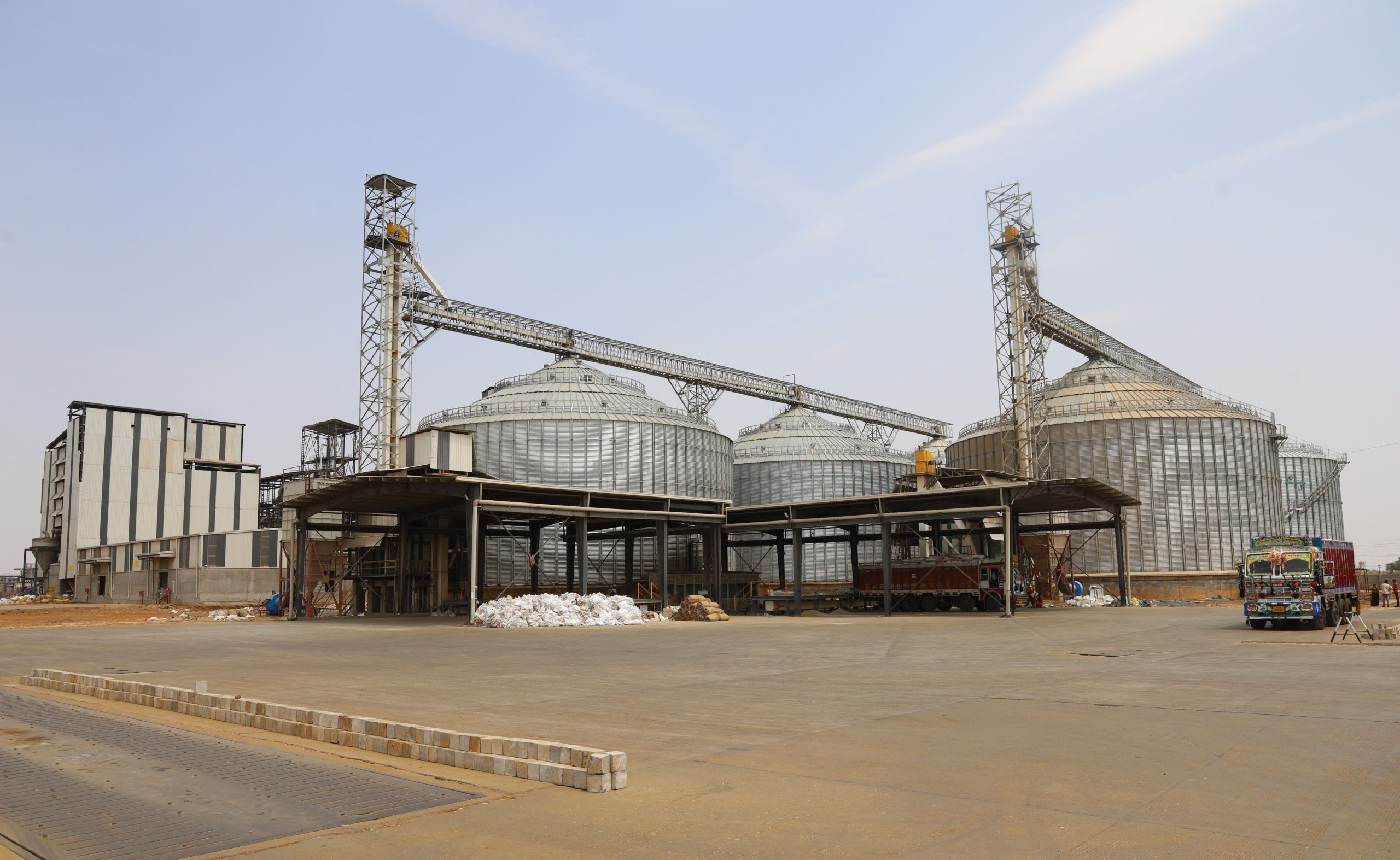
This is where the role of a modern agri warehouse is changing. A warehouse is no longer simply a place where agricultural commodities are kept until prices improve. Today, it can support scientific storage, inventory visibility, quality management, collateral monitoring, financing and smoother movement across the supply chain.

Why a modern agri warehouse matters

Agricultural commodities are vulnerable to moisture, pests, contamination, physical damage and quality deterioration. Poor storage can reduce the value of produce even before it reaches the next stage of the supply chain.

India has been investing heavily in improving this infrastructure. As of June 2026, the Agricultural Marketing Infrastructure scheme had sanctioned 12,353 storage infrastructure projects with a combined capacity of 369.18 lakh MT over the preceding decade. Under the Agriculture Infrastructure Fund, interest-subvention support had also been extended to 18,893 warehouses.
modern warehouse

What makes a warehouse “modern”?

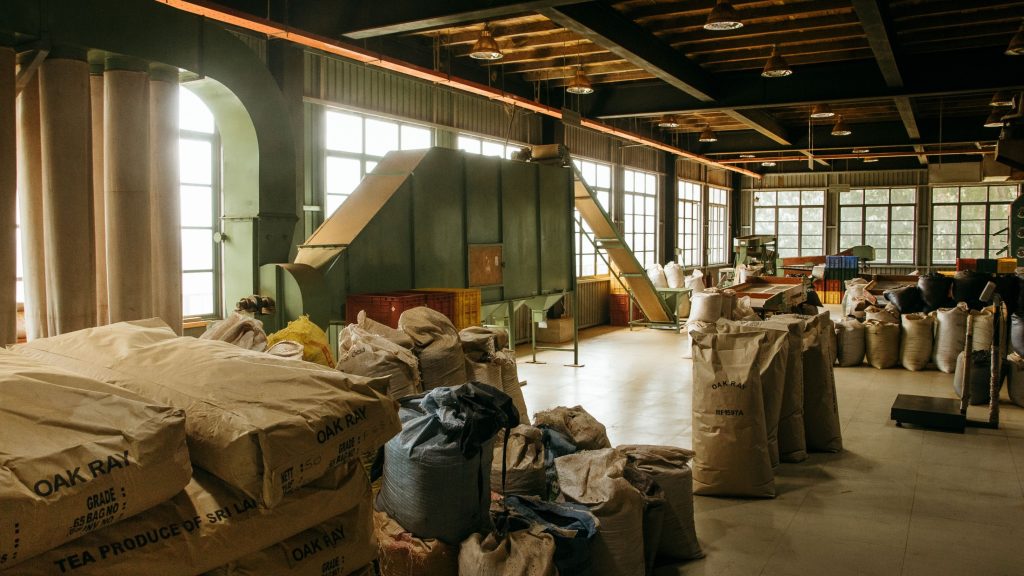
A modern agri warehouse combines physical infrastructure with processes and technology designed to protect commodities and improve visibility. This can include scientific storage practices, systematic inventory management, quality inspection, fumigation, digital documentation, monitoring systems and warehouse receipts. These capabilities help stakeholders know what is stored, where it is stored, its quality and how it is being managed.

The Government of India launched a Smart Warehousing System for foodgrain storage using AI, IoT, automation and analytics. The system includes features such as automated gate and weighbridge operations, digital access management, intelligent warehouse-condition monitoring and real-time operational dashboards.

From storage to supply chain intelligence

Digital records in a modern warehouse can provide better visibility into stock levels and movement. Quality assessments can help determine whether commodities are suitable for a particular buyer or market. Monitoring systems can help identify operational issues earlier. All this information becomes even more useful when connected with procurement, financing and trade.

For example, a trader holding a commodity in a scientifically managed warehouse may not need to sell immediately simply because working capital is required. Warehouse receipts can provide documented evidence of the commodity’s quantity and quality, helping eligible borrowers access financing against stored inventory.

Decentralised warehousing is also gaining ground

Modernisation is not limited to large central warehouses only. Storage closer to farms and production centres is becoming an important part of India’s agricultural infrastructure strategy.

Under the World’s Largest Grain Storage Plan in the Cooperative Sector, 313 PACS had completed godown construction by July 2026, creating more than 1.80 lakh tonnes of storage capacity. The programme aims to strengthen decentralised storage and reduce the distance between production, storage and markets. This matters because a warehouse located closer to where commodities are produced can reduce unnecessary movement and give farmers and aggregators greater flexibility after harvest.
staragri warehouse

How StarAgri contributes to a smarter agri supply chain

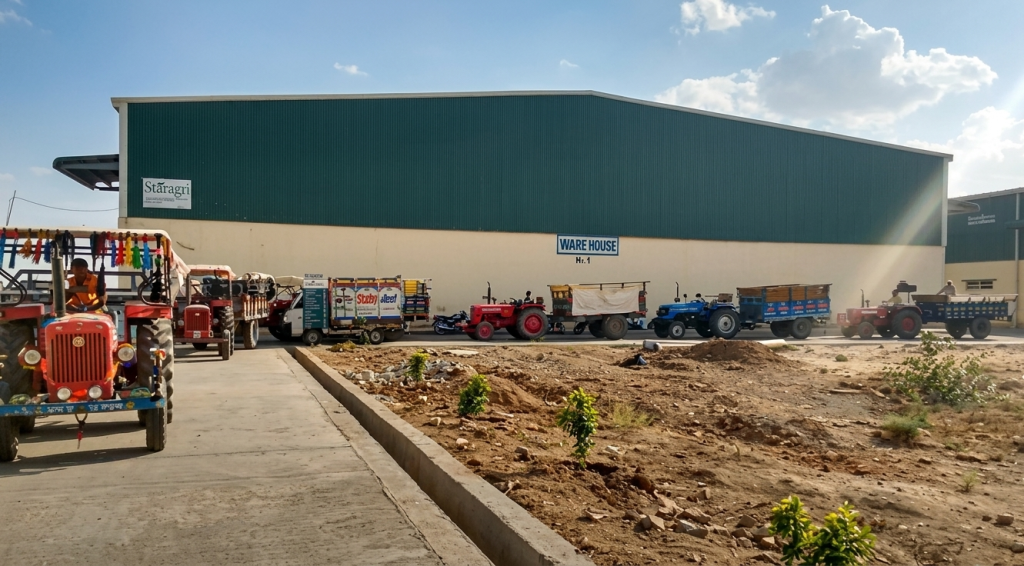
StarAgri approaches warehousing as part of a broader integrated agritech ecosystem rather than as an isolated storage service. Today, StarAgri operates 2,200+ scientific warehouses across 19 states, with approximately 5MMT of storage capacity in over 380 Indian locations. Its warehousing services support farmers, traders, millers, processors and corporates with secure commodity storage and financial solutions.

The warehouse ecosystem at StarAgri also connects with collateral management, quality assessment, financing, procurement and trade facilitation. This integrated approach allows a customer to move through multiple stages with transparency & convenience.

For financial institutions, collateral management can provide structured monitoring of commodities held against financing. For commodity owners, scientific storage can help preserve inventory while creating greater flexibility around when to sell. For processors and businesses, dependable storage infrastructure can support more predictable procurement and inventory planning.

The future of agricultural warehousing

India’s agricultural supply chain is moving towards an integration of production data, market information, storage infrastructure, quality testing, financing, and trades.

A modern agri warehouse becomes one measuring how much commodity it can hold, protect quality, create visibility, support financing and connect inventory with the next stage of the supply chain. As agricultural production grows, smarter storage will become essential to making the entire journey from farm to market more efficient, resilient and commercially viable.

FAQs

  • What is a modern agri warehouse?
    A modern agri warehouse is a scientifically managed storage facility supported by systematic processes and technology for inventory management, quality preservation, monitoring and supply chain operations.
  • How does modern warehousing improve agricultural supply chains?
    It can improve commodity preservation, inventory visibility, quality management and coordination between storage, financing, procurement and trade.
  • Why is technology important in agricultural warehousing?
    Technologies such as IoT, AI, automation and analytics can improve monitoring, inventory visibility, operational efficiency and decision-making.
  • How does warehouse receipt financing work?
    A warehouse receipt documents commodities stored in an eligible warehouse, including relevant quantity and quality information. Depending on eligibility and lender requirements, the stored commodity can support financing without requiring an immediate sale.
  • How does StarAgri contribute to modern agricultural warehousing?
    StarAgri operates a wide network of scientific warehouses across multiple Indian states. Apart from the StarAgri ecosystem also connects warehousing with collateral management, quality assessment, financing, procurement and trade facilitation.
Rising electricity bills and uncertain power supply are becoming serious concerns for farmers and agribusinesses in India. As a result, many people are now considering solar-powered warehousing as a smart, sustainable solution for storing agricultural produce, but is it truly worth the investment?

Let’s take a look at how solar energy for warehouses is changing agriculture, especially for farmers, FPOs (Farmer Producer Organizations), and agri-exporters looking for reliable, cost effective storage.

What Is Solar Powered Warehousing?

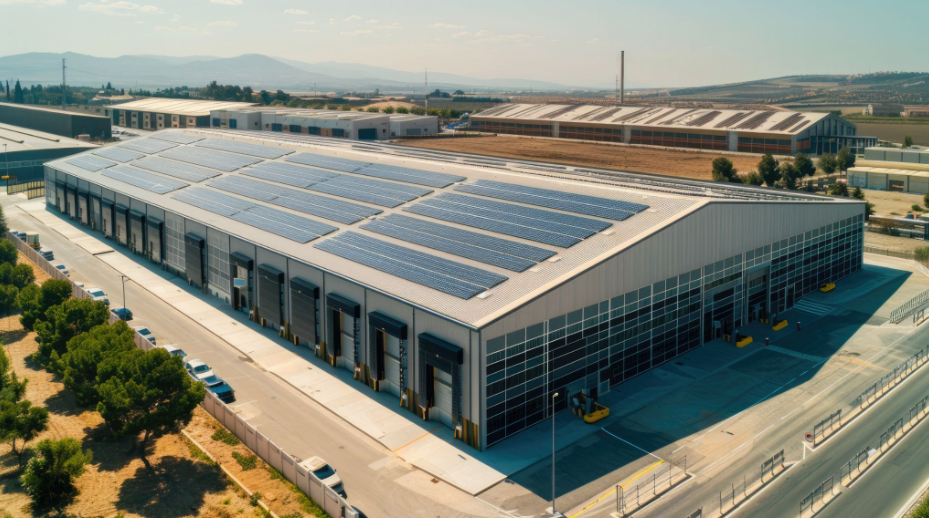
A solar-powered warehouse is a traditional storage facility that uses solar panels, inverters, batteries, and controllers to harness and store solar energy for all its operations, including lighting and ventilation, to running cold storage and grain dryers.

These warehouses use renewable energy for cold storage, grain drying, and preservation systems, which helps in reducing dependency on conventional electricity or diesel powered generators.

By converting rooftop or nearby open land into solar harvesting space, agribusinesses can turn warehouses into eco-friendly warehousing solutions, reducing costs and emissions in one go.

Why Energy Efficiency Matters in Agri Warehousing?

Agricultural storage isn’t just about walls and roofs, it’s about temperature, humidity, ventilation, and constant electricity.

Energy is critical for:

  • Operating cold storage units for perishable commodities like pulses, seeds, and oils
  • Operating an aeration system to keep grains mold free
  • Powering security and monitoring equipment

However, many rural and semi urban warehouses suffer from erratic electricity supply. Fuel-based generators are expensive and harmful to the environment.

This is why energy efficient warehousing in India is becoming essential, especially when solar power for agricultural warehouses can ensure sustainable operations with minimal operating costs.

Key Benefits of Solar-Powered Warehousing for Farmers & FPOs

Here’s how solar-powered agri warehouses directly benefit farmers, FPOs, and agri cooperatives:

Lower Operating Costs

Once installed, a solar-powered warehouse drastically reduces monthly electricity bills. The sun’s energy is free, and your savings grow every month.

Better Produce Preservation

A steady power supply ensures that favourable climate conditions are maintained in your warehouse, preventing spoilage, fungus, and loss of quality in grains and pulses.

Government Support & Subsidies

Initiatives such as PM-KUSUM and state-level solar incentives provide capital subsidies, easy loans, and tax benefits for agriculture related solar infrastructure.

Eco-Friendly Image & Carbon Credits

Adopting a green approach builds brand value for exporters and agribusinesses while also opening the door to carbon credit income.

Energy Independence

No more dependency on the grid or diesel. You can run your storage facility without interruption, even in areas with power shortages.

5 Facts and Myths about Solar

As interest in solar-powered warehouses continues to grow, so do misconceptions. Let’s bust some common myths and highlight the facts so you can make an informed decision for your agri business.

Myth Fact
1. Solar is too expensive for small farmers or FPOs. With government subsidies, loans, and reduced panel costs, solar-powered agri warehouses are more affordable than ever, even for small and medium-scale operations.
2. Solar systems don’t work in cloudy or rainy weather. Today’s solar energy systems use high-efficiency panels that still generate electricity even in low light conditions. With a battery backup, you can maintain a power supply even during monsoons.
3. Installation is complicated and time-consuming. Projects funded by Agriwise often work with reputed solar vendors who manage the entire installation in just a few weeks, minimizing disruption to warehouse operations.
4. Solar panels need constant cleaning and maintenance. Solar systems require minimal maintenance, requiring only a few cleanings and routine checks per year. Most come with a 20-25 year warranty, ensuring long-term peace of mind.
5. Solar power alone can’t run cold storage units. With the right system design, solar-powered cold storage is highly efficient. Hybrid systems with batteries or grid backup provide 24×7 climate control.

Staragri, through its subsidiary Agriwise, offers farmers, FPOs, and agribusinesses access to flexible financing solutions for solar infrastructure, so you can go green without going out of budget.

Is Solar Really a Good Investment for Small & Medium Warehouses?

Yes — and here’s why.

Let’s say you operate a warehouse with an average monthly electricity bill of ₹30,000. With a well planned solar installation, you could cut your electricity costs by 70–80%, saving ₹20,000–₹25,000 every month.

Cost of a 25 kW solar system: ~₹12–14 lakh (before subsidy)
Payback period: 4–5 years (even faster with government subsidies)

After this, your warehouse will operate with minimal energy costs for 15–20 years, improving your margins and long-term profitability.

This is why the solar warehouse investment is becoming popular among small and mid-scale agricultural storage owners as well.

Real-World Example: How Staragri Supports Sustainable Storage

At Staragri, we believe that energy efficiency is crucial for maintaining the quality of stored agricultural produce. That’s why, through our subsidiary Agriwise, we are actively supporting solar financing for agribusinesses aiming to build or upgrade solar-powered agri warehouses in India.

Our financing solutions empower farmers and agribusinesses to invest in clean, cost-saving solar energy infrastructure.

With solar-powered agri warehouses, you can:

  • Significantly reduce long term energy bills

  • Maintain 24×7 temperature control for sensitive commodities

  • Avail benefit from government subsidies and tailored financing through Agriwise

  • Store export quality produce without compromising on freshness or grade

Whether you are a small farmer group or a large-scale agri exporter, financing solar power through Staragri and Agriwise means you’re making a smart investment in your yield, profits, and the planet.

How to Get Started with Solar-Powered Warehousing

Here’s a step-by-step guide for FPOs, farmers, and agri companies:

  1. Assess Energy Needs: Understand your warehouse’s monthly power consumption.
  2. Evaluate Solar Potential: Measure available rooftop or open land space.
  3. Choose the Right System: Off-grid, on-grid, or hybrid as per your requirement.
  4. Apply for Subsidies: Use schemes like PM-KUSUM and state programs.
  5. Partner with Experts: Choose a trusted financial partner like Staragri for solar financing.

Conclusion: A Smarter Future Starts with Solar

In today’s competitive agriculture market, storing your produce safely and affordably isn’t a luxury; it’s a necessity. And a solar-powered warehouse is proving to be one of the most cost-effective, eco-friendly, and future ready ways to do it.

Whether you are a farmer, FPO, or a growing agribusiness, this is your opportunity to reduce costs, increase reliability, and future proof your operations.

Ready to invest in solar powered storage?
For many agribusinesses, shifting to solar-powered warehousing is no longer just a good idea but a practical next step. With Staragri’s warehousing expertise and financing support from Agriwise, the transition can be simpler than expected.

We’re here to guide you forward if you’re exploring solar for your storage needs.