
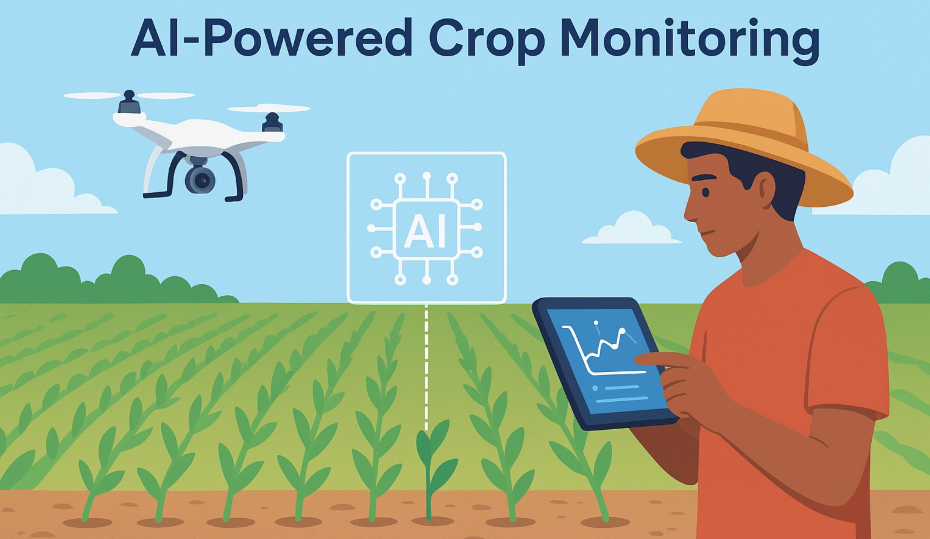
Modern farming is at a turning point. Farmers need to feed more people while dealing with problems like changing weather, pests, and limited resources. One solution is using technology, especially AI, to monitor crops. With AI-powered tools, farmers can improve crop yields, use resources more efficiently, and make farming more sustainable.
Understanding AI-Powered Crop Monitoring
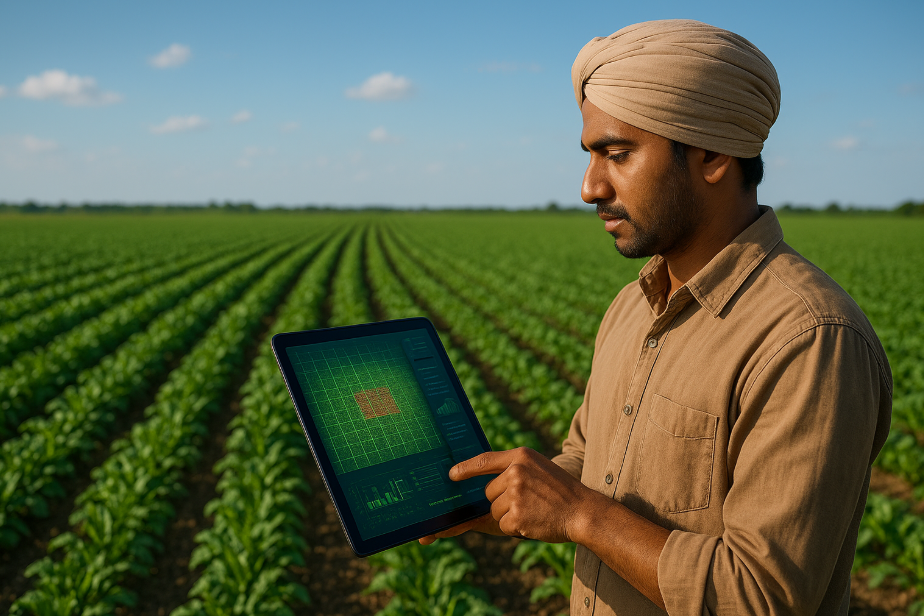
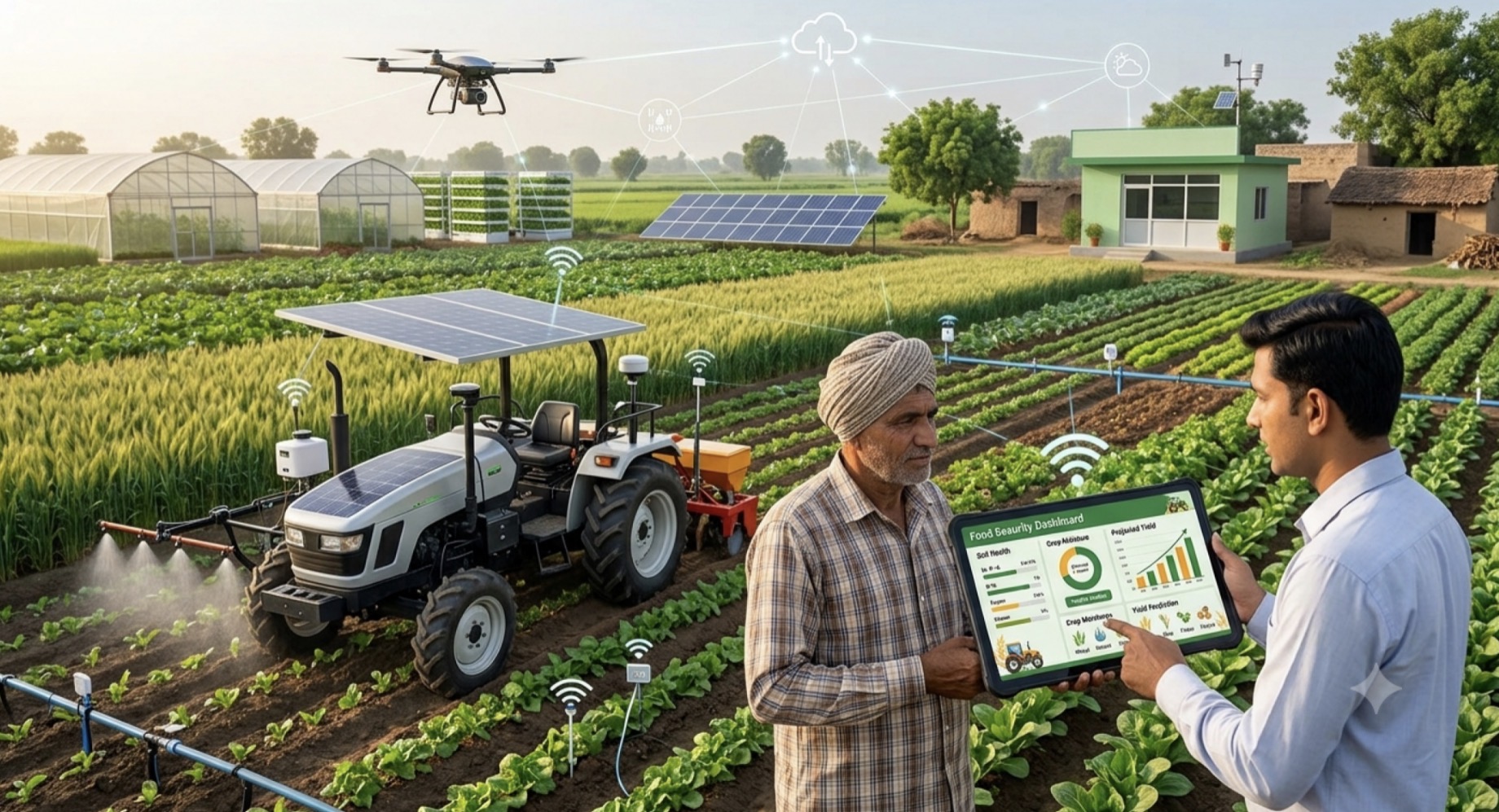
At its core, AI-powered crop monitoring uses artificial intelligence to track and analyze crop growth, soil health, and environmental conditions in real-time. It leverages a combination of technologies:
- Drones and Satellite Imagery: Capture detailed images of fields, highlighting areas with stress, disease, or pest infestation.
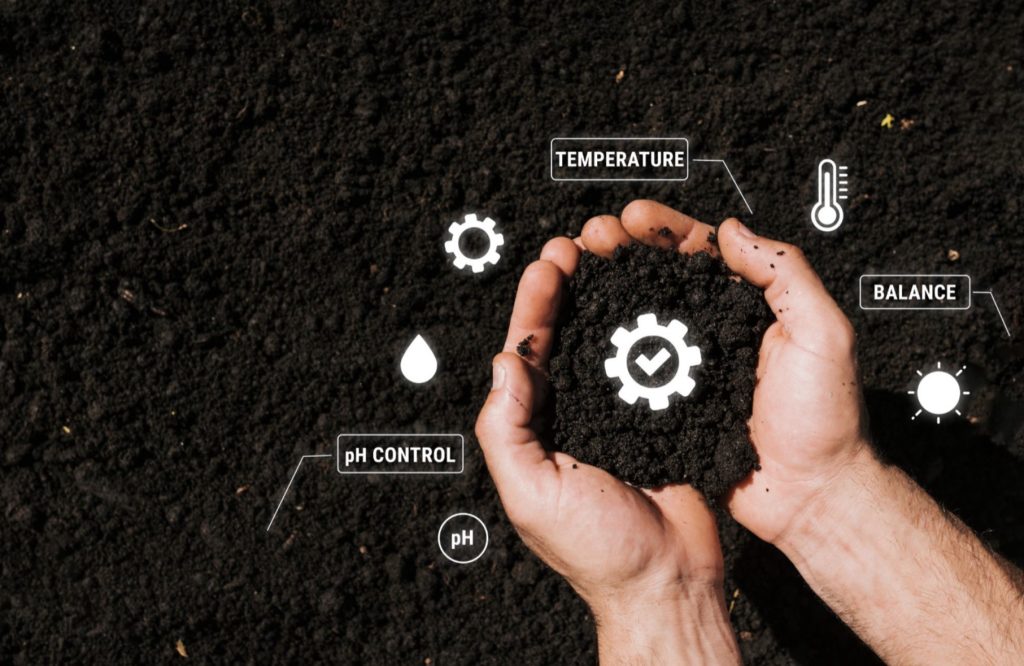
- IoT Sensors: Measure soil moisture, nutrient levels, and temperature for precise farm management.
- Machine Learning Algorithms: Analyze large amounts of data to detect patterns, predict disease outbreaks, and recommend interventions.
These systems give farmers actionable insights instead of raw data, enabling quick decisions to protect crops and improve productivity.
Enhanced Yield
AI helps farmers grow more crops by spotting problems early and offering smart solutions. Here’s how:
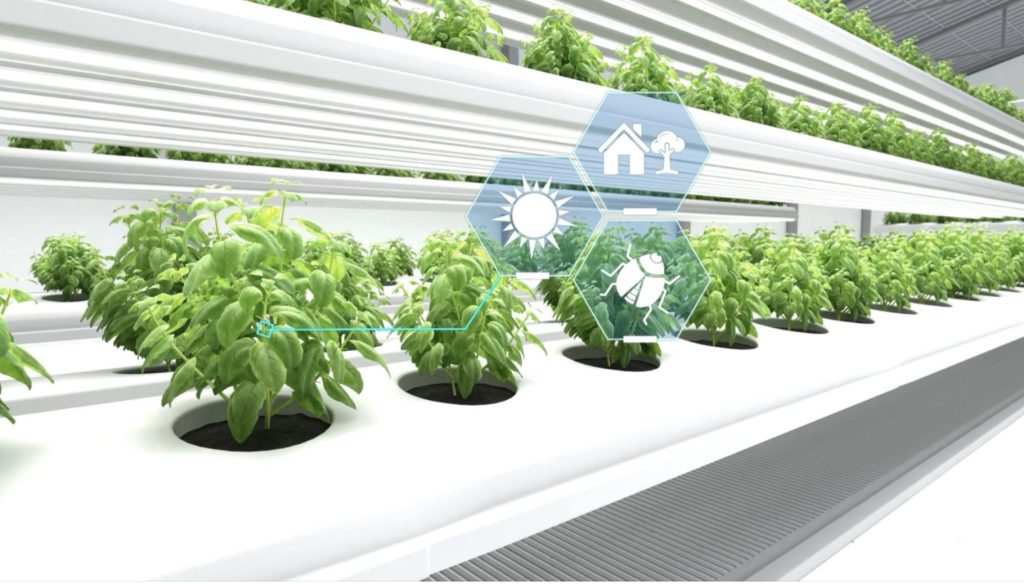
- Early Disease Detection: AI can find signs of pests or diseases before they spread.
- Better Watering and Fertilizing: AI suggests exactly how much water and nutrients crops need, avoiding waste.
- Growth Predictions: AI predicts when crops will grow and be ready to harvest, helping farmers plan ahead.
With AI, farmers can prevent problems instead of just reacting to them.
Sustainability and Resource Efficiency
One of the biggest advantages of AI-powered crop monitoring is its impact on sustainability:
- Water Conservation: AI recommends precise irrigation schedules, reducing unnecessary water use.
- Reduced Chemical Usage: Fertilizers and pesticides are applied only when needed, lowering environmental impact.
- Climate-Smart Farming: Continuous monitoring allows farmers to adapt quickly to changing weather patterns, preserving soil health and biodiversity.
AI doesn’t just increase productivity; it makes farming more eco-friendly, ensuring that agriculture can thrive long-term.
Cost and Time Efficiency
Traditional farming methods require constant field visits and manual inspections, which are time-consuming and labor-intensive. AI-powered monitoring automates much of this work:
- Real-Time Monitoring: Farmers get instant alerts on crop health and environmental conditions.
- Data-Driven Decisions: Recommendations from AI reduce guesswork, saving time and money on inputs.
- Labor Optimization: Resources can be focused where they are needed most, increasing efficiency.
Real-World Applications
AI-powered crop monitoring is already transforming agriculture across India and the world. For instance:
- Farmers can use AI-driven solutions that combine field sensors, mobile apps, and predictive analytics. This allows them to monitor crops remotely, get alerts about diseases, and receive recommendations for the best irrigation and fertilization practices.
- In pilot projects, farms using AI monitoring reported higher yields, reduced water usage, and better disease management.
- Precision agriculture systems integrate AI insights with farm machinery, ensuring that planting, irrigation, and spraying are done accurately.
These real-world applications show that AI is not a futuristic concept—it is actively enhancing crop production today.
Challenges and Considerations
Despite its benefits, AI-powered crop monitoring comes with some challenges:
- High Initial Costs: Small-scale farmers may find it difficult to invest in AI technologies.
- Data Accuracy and Reliability: AI predictions are only as good as the data they receive. Faulty sensors or incomplete data can lead to errors.
- Training and Digital Literacy: Farmers need to understand how to interpret AI insights and act accordingly.
- Connectivity Issues: Remote areas with poor internet connectivity may face difficulties in leveraging real-time monitoring.
The Future of AI in Agriculture
The potential of AI in agriculture is enormous:
- AI-Driven Robotics: Autonomous tractors and drones could manage fields with minimal human intervention.
- Predictive Analytics at Scale: Advanced models will forecast crop yields, pest outbreaks, and climate impacts with increasing accuracy.
- Global Food Security: AI can help farmers produce more with less, contributing to sustainable food production worldwide.
- Policy Integration: Governments and agritech firms can collaborate to implement AI-driven practices in line with environmental and agricultural policies.
The vision is clear: a world where AI helps farmers grow more, waste less, and protect the environment.
Conclusion
AI-powered crop monitoring is more than just a technological advancement, it’s a pathway to smarter, more sustainable agriculture. By providing real-time insights, predictive analytics, and precision recommendations, AI empowers farmers to enhance yields while conserving resources.
In India, StarAgri, an agritech firm, is leading this transformation, equipping farmers with the tools and knowledge they need to embrace modern, efficient farming practices. With AI, the future of agriculture looks productive, sustainable, and promising.
Farmers who adopt AI-powered monitoring aren’t just growing crops, they’re growing resilience, sustainability, and prosperity.
FAQ’s
- What is AI-powered crop monitoring?
AI-powered crop monitoring uses artificial intelligence, drones, sensors, and data analytics to track crop health, soil conditions, and growth patterns in real-time. - How does AI help improve crop yield?
AI helps detect diseases, pests, and nutrient deficiencies early, optimizes irrigation and fertilization, and provides predictive insights for better crop management. - Can AI monitoring make farming more sustainable?
Yes. By optimizing water usage, reducing chemical inputs, and enabling climate-smart decisions, AI-powered monitoring promotes environmentally friendly farming practices. - Is AI crop monitoring suitable for small-scale farmers?
Yes. Agritech firms provide affordable and user-friendly AI solutions tailored for farmers of all scales. - What technologies are used in AI crop monitoring?
Key technologies include drones, satellite imagery, IoT soil and weather sensors, and machine learning algorithms that analyze large amounts of farm data. - How accurate is AI in predicting crop health issues?
AI accuracy depends on the quality of data and sensors, but modern AI systems can detect early signs of stress, disease, or pest infestations with high reliability. - Can AI crop monitoring save costs for farmers?
Yes. AI reduces unnecessary chemical use, optimizes irrigation, and minimizes labor costs, helping farmers save both time and money. - How can I get started with AI-powered crop monitoring?
Farmers can partner with agritech firms like StarAgri, which provide integrated AI solutions, mobile apps, and guidance to implement smart farming practices.
Disclaimer
The content published on this blog is provided solely for informational and educational purposes and is not intended as professional or legal advice. While we strive to ensure the accuracy and reliability of the information presented, StarAgri make no representations or warranties of any kind, express or implied, about the completeness, accuracy, suitability, or availability with respect to the blog content or the information, products, services, or related graphics contained in the blog for any purpose. Any reliance you place on such information is therefore strictly at your own risk. Readers are encouraged to consult qualified agricultural experts, agronomists, or relevant professionals before making any decisions based on the information provided herein. StarAgri, its authors, contributors, and affiliates shall not be held liable for any loss or damage, including without limitation, indirect or consequential loss or damage, or any loss or damage whatsoever arising from reliance on information contained in this blog. Through this blog, you may be able to link to other websites that are not under the control of StarAgri. We have no control over the nature, content, and availability of those sites and inclusion of any links does not necessarily imply a recommendation or endorsement of the views expressed within them. We reserve the right to modify, update, or remove blog content at any time without prior notice.