Category Archives: Uncategorized

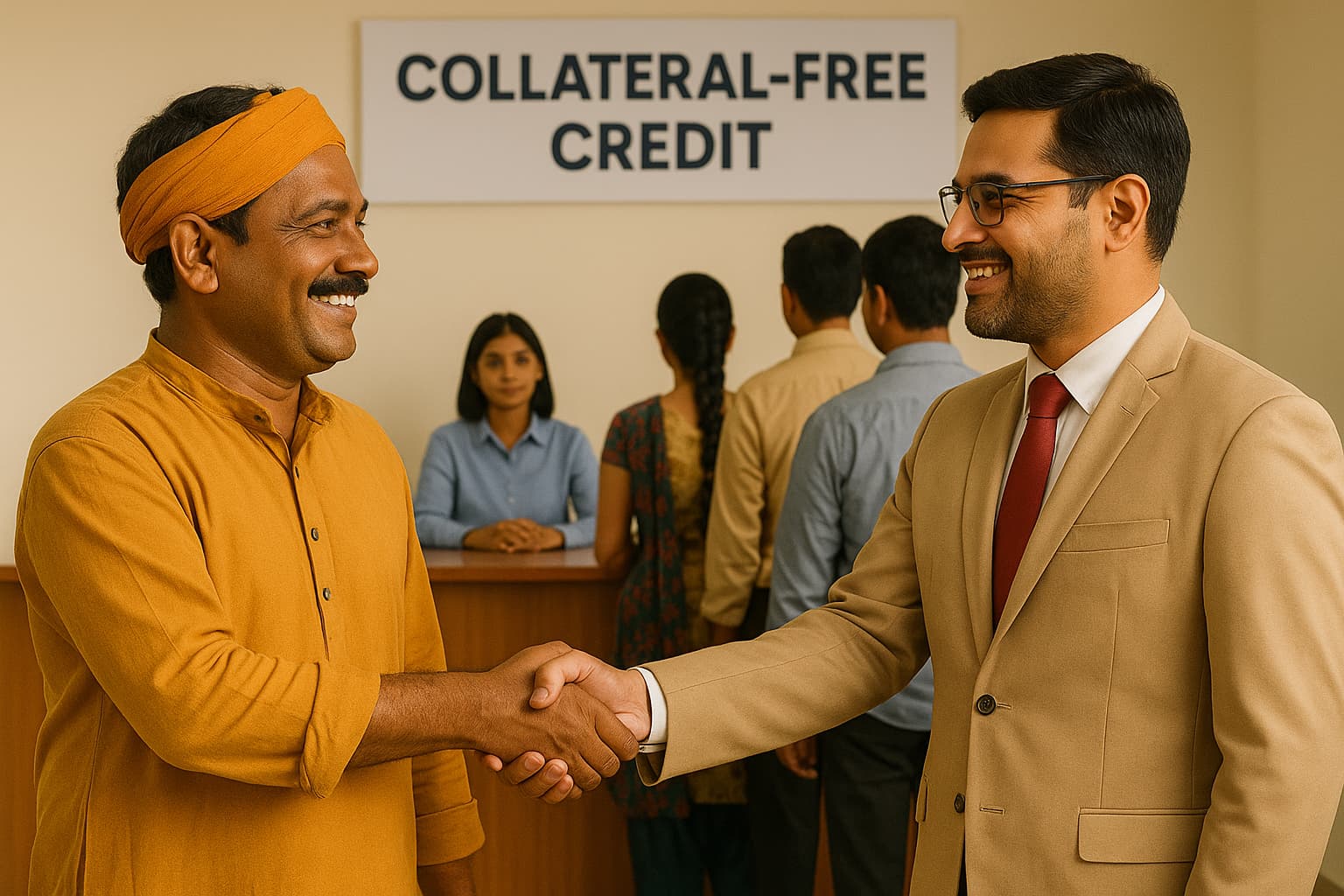
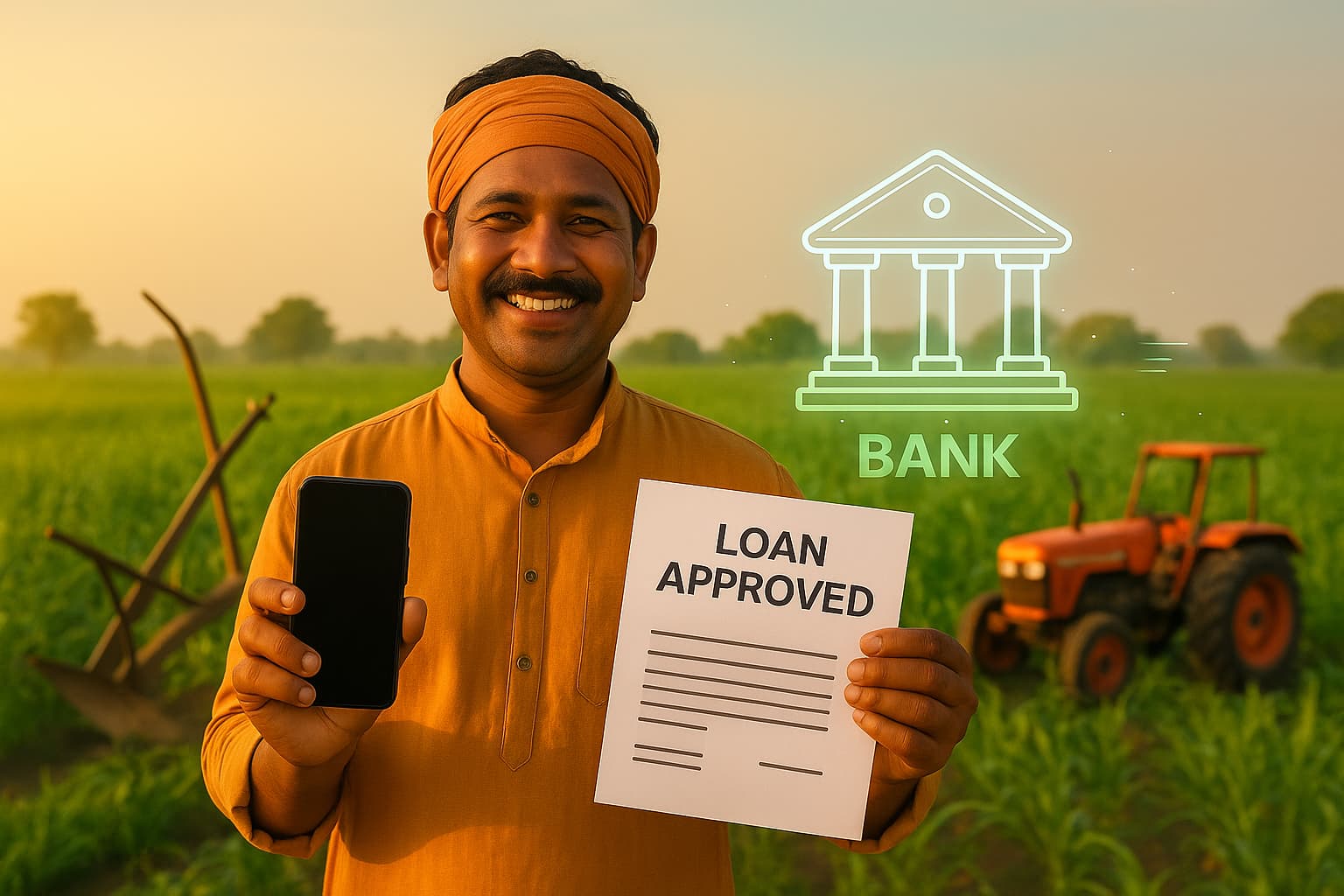
In Indian agriculture, access to credit can often make the difference between a successful harvest and a season of struggle. But for countless farmers across India, especially those without land or tangible assets, securing a traditional loan remains a far-fetched dream. This is where collateral-free credit becomes a powerful financial solution, opening up opportunities for farmers, agripreneurs, and rural businesses alike.

Let’s explore what collateral-free credit in agriculture means, who benefits from it, and how you can leverage it to grow your agribusiness or agricultural enterprise.

What Is Collateral Free Credit in Agriculture?

Collateral free credit refers to loans provided without requiring any property, land, or physical asset as security. Unlike traditional bank loans, which require collateral to reduce risk, this form of lending focuses on the borrower’s potential rather than their physical assets.

This type of financing is especially useful for small and marginal farmers, farmer producer organizations (FPOs), self help groups (SHGs), and agritech startups, many of whom struggle to meet the stringent collateral requirements of traditional banks.

According to NABARD, over 86% of Indian farmers are small or marginal, owning less than 2 hectares of land, making unsecured loans vital to their growth.

These loans are often backed by government guarantees or risk mitigation schemes and are offered under various agricultural credit schemes that prioritise inclusion and financial access for the underprivileged.

Why Collateral Free Credit Is a Game Changer for Indian Agriculture

The traditional loan process has excluded millions of deserving individuals from the formal credit system simply because they do not own land or other fixed assets. Collateral free agriculture loans are designed to correct this imbalance and promote inclusive growth.

Here are some key benefits of unsecured agri finance:

  • Instant financial support during peak sowing or harvesting seasons
  • Freedom from pledging assets, which many small farmers don’t have
  • Supports innovation by providing capital to agri tech entrepreneurs and first time agribusiness startups
  • Empowers women-led SHGs and rural cooperatives by providing accessible finance
  • Enables FPOs to scale up operations and strengthen supply chain integration
  • Promotes rural employment and productivity by facilitating input procurement, storage, and marketing

A report by NABARD reveals that around 72% of India’s rural population still relies on informal credit sources due to a lack of access to formal, collateral-based loans.

In short, collateral-free loans for farmers have become a lifeline that ensures no farmer is left behind due to a lack of tangible assets.

Who Can Avail Collateral-Free Agricultural Loans?

The beauty of unsecured farm loans is that they are not just limited to individuals. They cater to a wide spectrum of players within the agriculture ecosystem:

  1. Small and Marginal Farmers

These are farmers who own less than 2 hectares of land, and this group accounts for more than 80% of India’s farming community. Most of them don’t have registered land titles or any assets to offer as collateral. Collateral-free agricultural loans give them access to working capital to buy seeds, fertilizers, and irrigation equipment.

  1. Farmer Producer Organizations (FPOs)

FPOs are collective groups of farmers who work together for better bargaining power and supply chain efficiency. Agriculture credit schemes are designed to help FPOs scale up activities such as bulk procurement, warehousing, and direct market access.

  1. Women Farmers and SHGs

Many women in the agriculture sector work informally or through SHGs and often face barriers in accessing bank loans. Collateral-free credit gives them the confidence and means to invest in kitchen gardens, dairy, poultry, or micro-food processing units.

  1. Agri Startups and Agripreneurs

The rise of agri-tech in India has given rise to a new wave of startups offering tech-enabled solutions in farming, logistics, and storage. For these businesses, working capital for agriculture is essential, and unsecured loans help reduce the initial stage risks.

  1. Agri-Exporters and Agro-Processors

Businesses involved in grain milling, oil extraction, spice processing, and exports require quick capital. Agricultural loans without collateral support operational liquidity without the burden of pledging warehouse or land assets.

Popular Government-Backed Collateral-Free Loan Schemes

The government of India and allied institutions have launched several agricultural loan schemes to promote agri finance without security. These include:

Kisan Credit Card (KCC)

One of the most widely used schemes, KCC offers farmers short-term, revolving credit for crop-related expenses. It’s affordable, available at low interest rates, and requires minimal paperwork.

MUDRA Yojana (Shishu, Kishor, Tarun)

Under the Pradhan Mantri MUDRA Yojana, farmers, rural entrepreneurs, and SHGs can avail loans up to ₹10 lakh without any collateral. This is especially helpful for micro and small businesses in rural India.

Credit Guarantee Fund Trust for Micro and Small Enterprises (CGTMSE)

Supported by the Ministry of MSME, the scheme offers credit guarantees to financial institutions lending to small businesses, including agro-enterprises, without collateral.

PM-FME Scheme

Part of the Atmanirbhar Bharat initiative, the PM Formalisation of Micro Food Enterprises scheme promotes unorganized food processing units by offering collateral-free finance, training, and subsidies.

agricultural loan


How to Apply for Collateral-Free Agricultural Credit: Step-by-Step Guide

Applying for an agricultural loan without collateral is simpler than you think, especially when you have the right guidance.

Step 1: Choose the Right Lending Partner

The options include public sector banks, private NBFCs, cooperative societies, or financial facilitators like Agriwise, a trusted lending subsidiary of Staragri.

Step 2: Check Your Eligibility

Factors such as farming experience, type of crops grown, business model, and credit history may be considered. Even without formal land ownership, activity records help.

Step 3: Gather Required Documents

Basic KYC (Aadhaar, PAN), bank account details, proof of activity (sales receipts, cooperative membership, etc.), and registration certificate for SHG/FPO may be required.

Step 4: Submit the Application

You can apply online through the lending portals or by visiting the nearest bank/NBFC branch. Some agencies also support door-to-door documentation.

Pro Tip: If you are part of an FPO or cooperative, apply jointly. This increases creditworthiness and improves chances of loan approval.

How Staragri Supports Farmers with Collateral-Free Financing

At Staragri, we believe that financial inclusion is the first step toward agricultural transformation. That’s why, through our specialized finance arm, Agriwise, we offer tailor-made collateral free credit solutions to farmers, SHGs, processors, and agri-traders.

Here’s how Staragri and Agriwise simplify financing:

  • Fast money disbursal with minimal paperwork
  • Transparent terms and no hidden charges
  • Customized loan products for agri-inputs, storage, trade, and working capital
  • Support for documentation and application filing
  • Digital tracking and customer support across rural India

Whether you are preparing for the next sowing season or expanding your agri-processing unit, Staragri helps you access credit when you need it most, without the stress of collateral.

Conclusion: Credit Without Collateral, Growth Without Limits

India’s agricultural future depends not only on better technologies but also on empowering farmers with easy access to finance. Collateral-free agricultural credit is transforming the way small farmers, cooperatives, and rural entrepreneurs do business, giving them a fair opportunity to grow and prosper.

So if you are a farmer with big dreams but don’t have land papers, don’t worry. If you run an FPO or small processing unit, now is the time for you to expand. If you are ready to grow, Staragri is here to support you.

Connect with Staragri today and explore your options for collateral-free credit that suit your agricultural journey.

More than 40% of all the food produced across the globe is wasted.

India ranks 102 out of 117 in the Global Hunger Index – one of the reasons is unscientific and outdated storage methods.

Some of the challenges that plague agriculture and related businesses in India:

  • Scarcity of capital sources and formal credit for farmers
  • Lack of insurance, which raises the risk profile of farmers
  • Poor remuneration for farmers
  • Lack of access to adequate transport and storage facilities

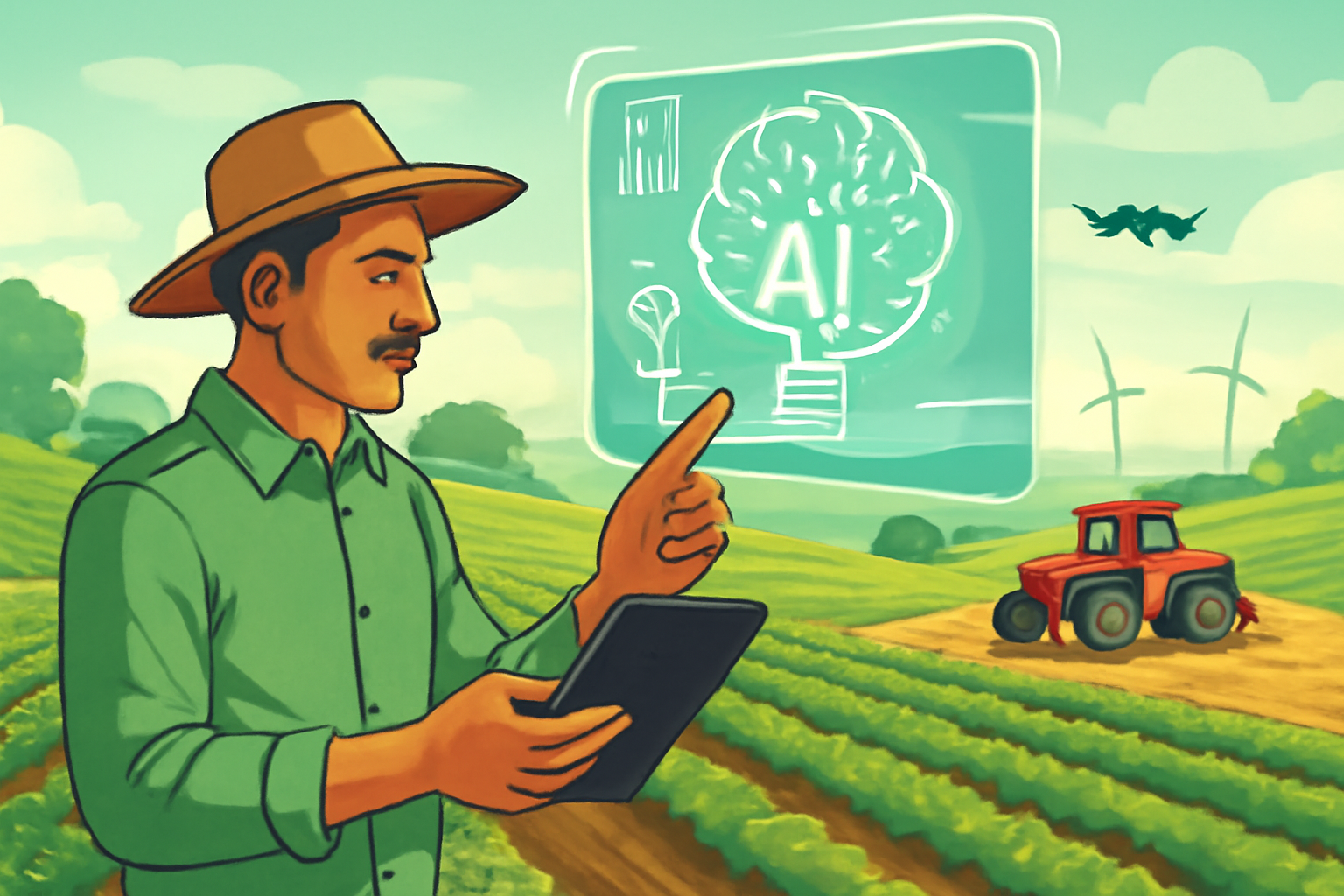
The pandemic has further introduced new challenges over the last two years. Disruptions in global supply chains have also led to difficulties in consistency and reliability. Agribusinesses can tackle these challenges by adopting a transformation strategy based on automation and AI technologies.

Technology has the power to simplify farmers’ lives. At StarAgri, we are making the most of it to achieve our goals of food security, sustainable agribusiness value chains and delivering maximum value. Here’s how StarAgri is leveraging technology and automation to deliver modern warehousing solutions that can increase efficiency and reduce post-harvest losses:

Connected network of warehouses

We have a standardized network of warehouses across the country that all stakeholders can access via a single IT platform. It enables real-time visibility, fast data dissemination and real-time transactions for our stakeholders. Thus, they have transparent access to all the information and activities in the supply chain.

Tech-enabled quality control

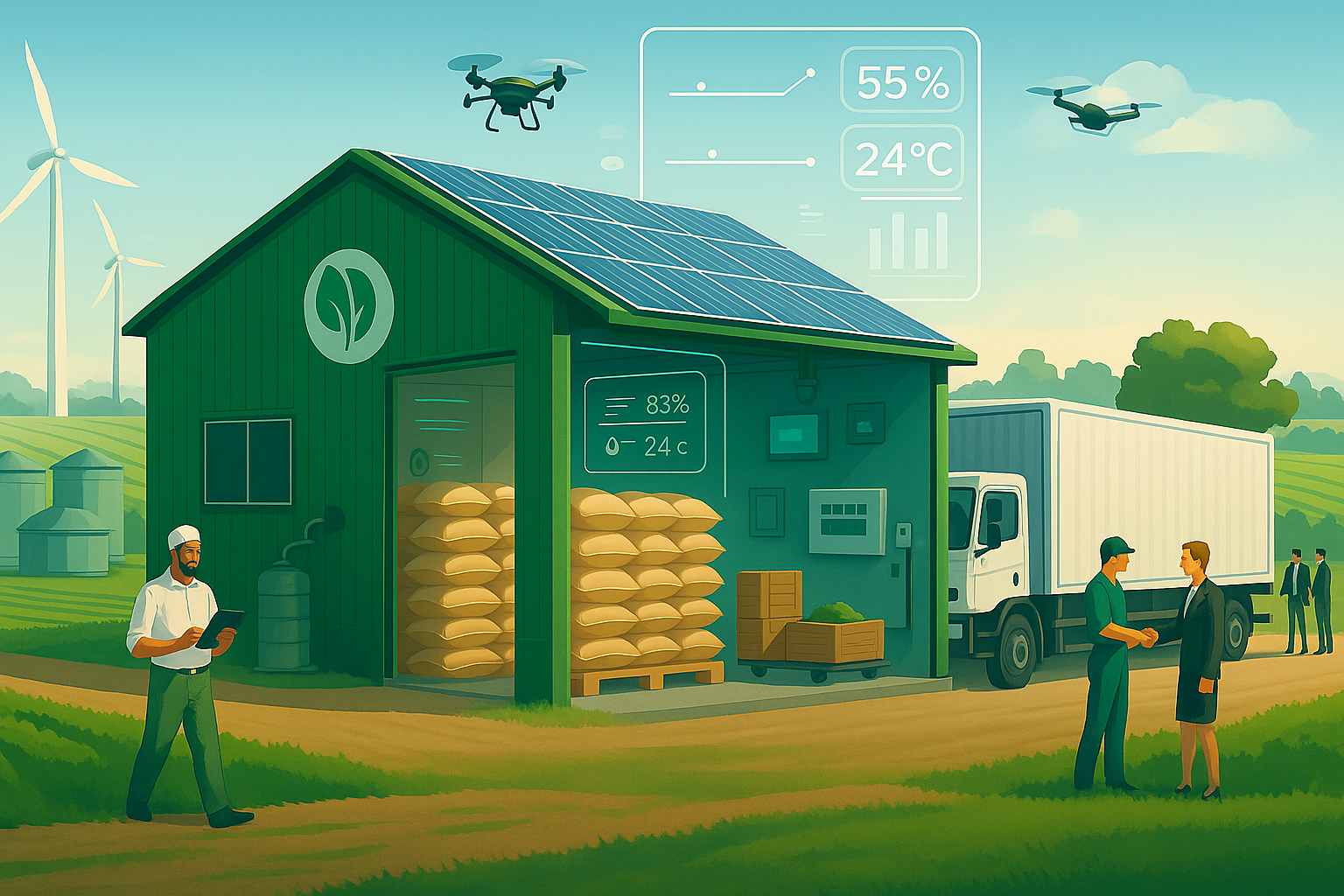
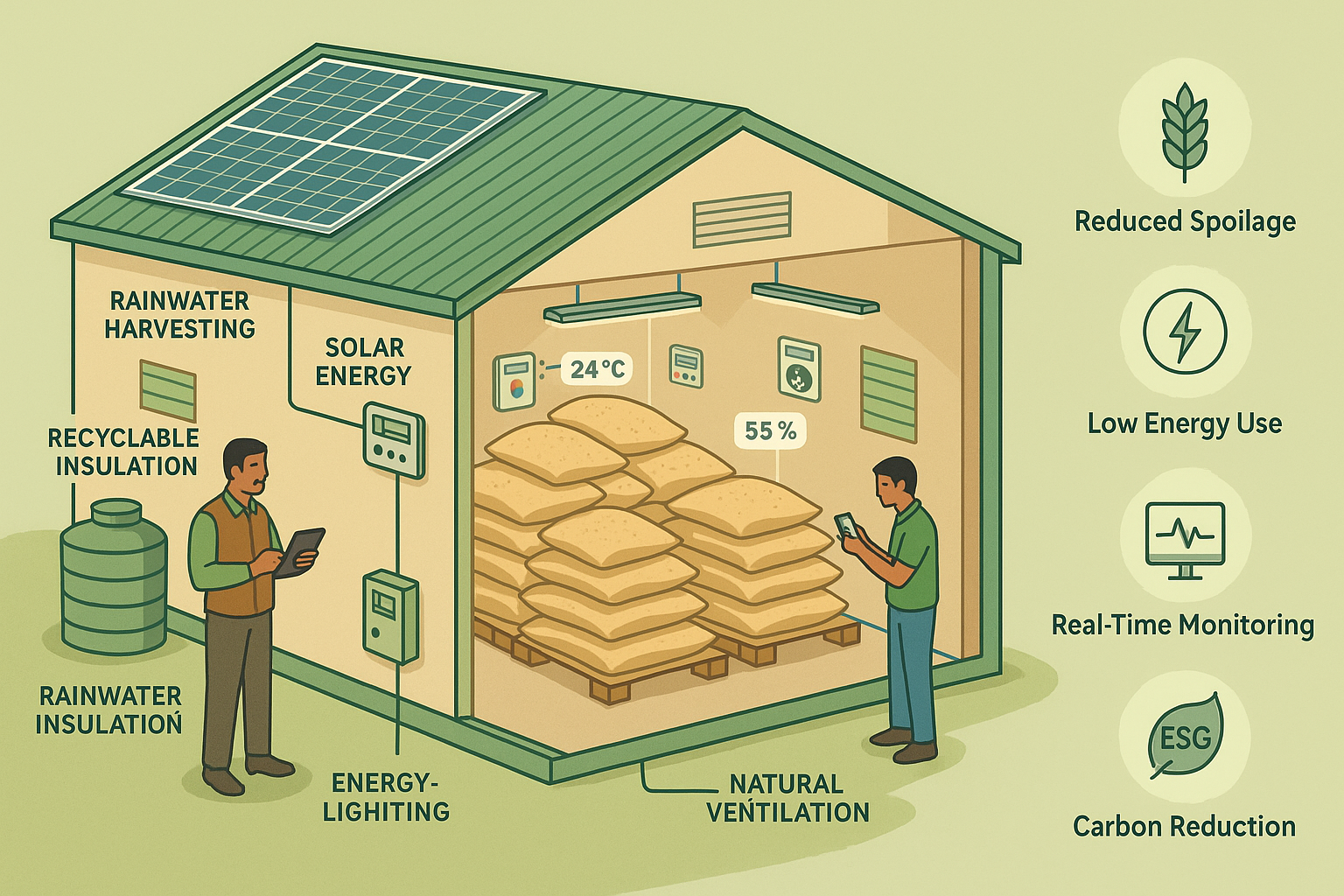
StarAgri’s 500+ warehouses across India are equipped with state-of-the-art technology that features inbuilt temperature control and humidity management. This helps us provide high-quality storage with protection from pest infestation and spoilage.

Warehousing for the 21st century

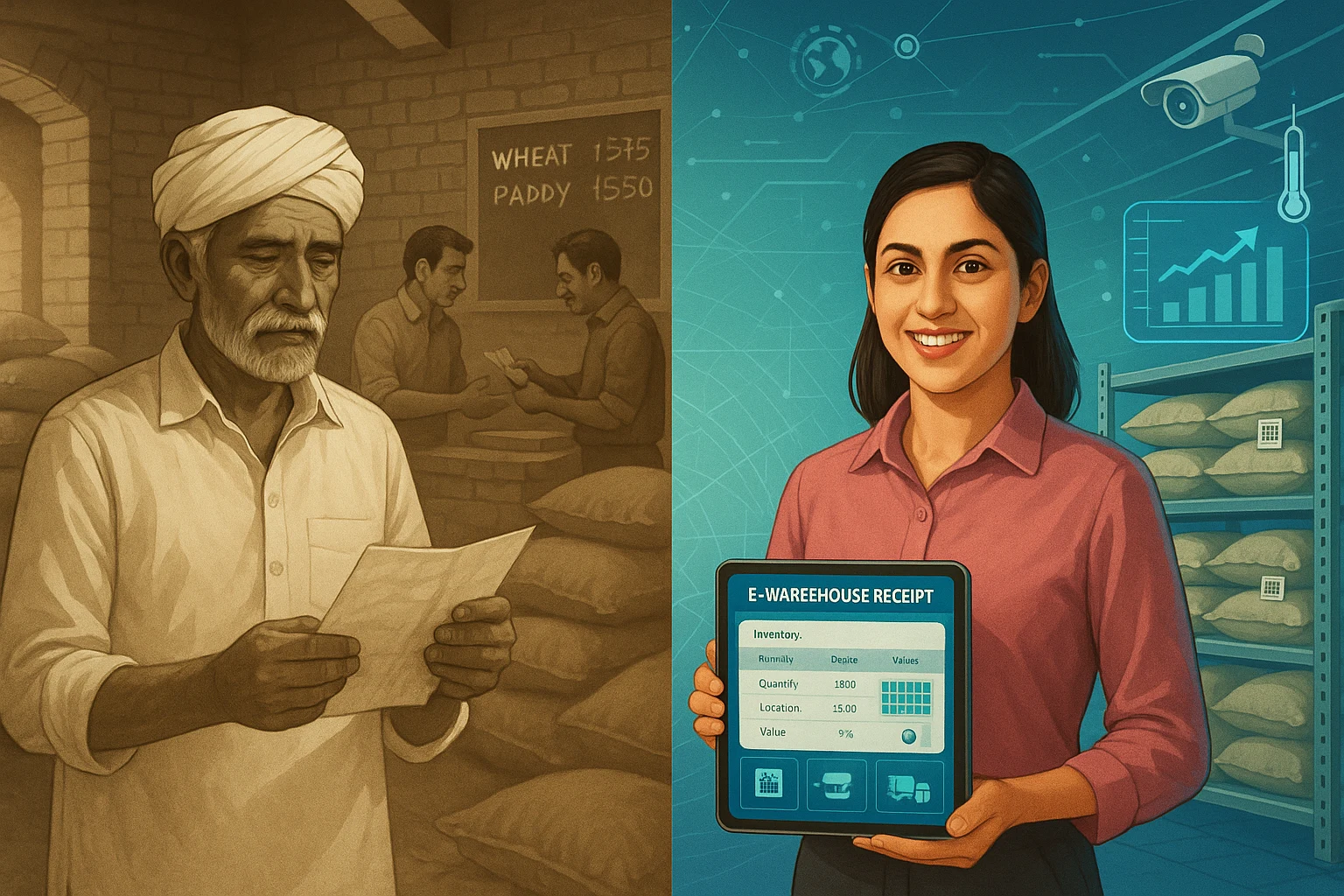
Apart from modernizing the physical aspects of our warehouse infrastructure, we have also fitted them with suitable tracking technology and a digital records maintenance system. This adds value to our various storage functions and protects stored commodities.

Quality control services

We use the latest technology to provide multi-disciplinary services to our customers across the agriculture value chain. With a pan-India laboratory network and a comprehensive range of advanced analytical techniques, we help determine the composition, authenticity, origin, traceability and purity of agri commodities. This allows our customers to manage the quality standards of their produce.

Collateral management

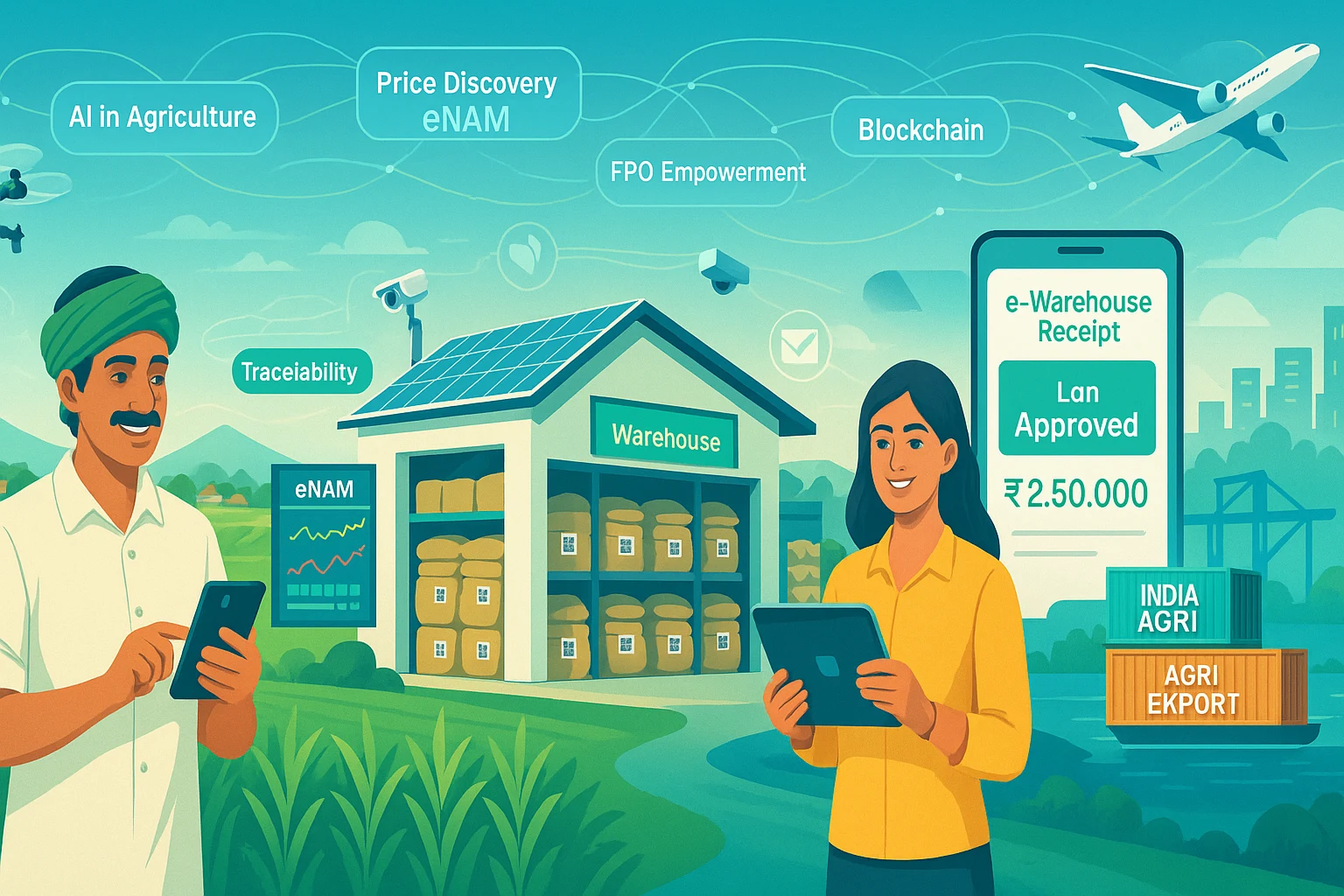
Farmers can store their produce as collateral in our modern warehouses and secure loans to finance their business. This also enables them to sell at the right time and right price, giving them an opportunity to raise their income. We have well-defined systems to inspect and verify collateral.

Our robust reporting processes and systems acquire comprehensive information on borrowers and accurately create and assess borrower profiles by determining quantitative and qualitative risk factors. This enables farmers to avail low-cost credit, enhances their risk profile and helps us to execute loans with near-zero default rates.

We firmly believe that warehouse automation and technology is the foundation of a resilient supply chain. We are further strengthening our technology prowess with 24×7 remote monitoring facilities and a well-integrated IT system that provides real-time stock updates across locations to customers with a few clicks.

Small and marginal holdings constitute 86.2% of the total cultivable land in India.

GoI has committed resources to form and promote 10,000 new FPOs in the country.

A Farmer Producer Organization (FPO) is an organization of the farmers, for the farmers and by the farmers. It is a legal entity that aims to bring together farmers/producers as a collective to increase farmers’ competitiveness and equip them with better opportunities. It provides support services to farmers such as procurement of quality inputs, finance facilitation, marketing of products, storage, branding, packaging and export management.

Farming and allied activities are critical drivers of India’s economic development, making farmers a crucial part of India’s growth story. StarAgri believes they must get the right opportunities to participate in it and benefit from it. Crises such as the pandemic compound the vulnerabilities of small and marginal farmers, hence they must be supported.

FPOs play a key role in strengthening the farm economy, which is why StarAgri sees a valuable exchange in partnering with them. Together, StarAgri and the FPOs can enhance supply chains and give the farming community a boost. Here’s how we achieve these objectives:

Better storage

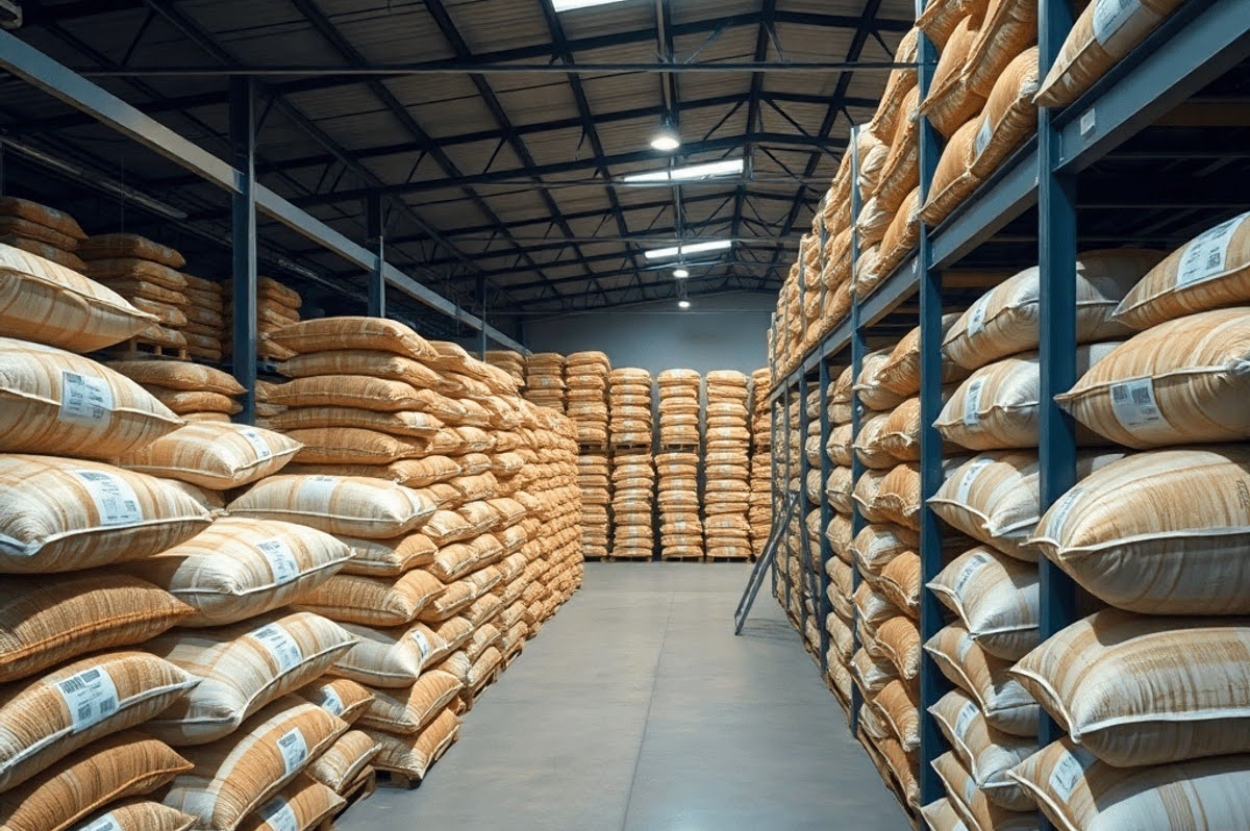
Due to its perishable nature, produce comes with a shelf life. This puts small farmers in a disadvantageous position as they have to sell their goods before they are damaged. Most of the time, their production is not enough to leverage common storage solutions. Our partnership with FPOs enables farmers to avail our modern warehouse solutions collectively. This helps them store their produce and rids them of worries. Our comprehensive warehousing solutions are equipped to protect their stock from pest infestation and pilferage. We have stringent processes in place to ensure the physical integrity of their stock, both in terms of quality and quantity. We also provide value-added services like weighing and certification. As a result, farmers enjoy better bargaining power, and we strengthen the country’s resilience by empowering farmers to produce more and reducing food loss and waste.

Financial gains

The appropriate storage solutions allow small and marginal farmers to wait for better prices, enabling them to increase their income. At the same time, our partnerships with financial institutions unlock their access to low-cost credit with their produce as collateral. The easy availability of finance empowers farmers to produce more, invest in new technologies and techniques, and practice land restoration, thereby improving efficiency.

Leverage recovery opportunities

As the world slowly recovers from the pandemic’s lows, demand for agri produce will increase. To leverage this new and growing demand, farmers will need to expand production. Therefore they will require better cashflows, more storage facilities and robust logistics support. FPOs will play a pivotal role in facilitating these. By partnering with FPOs, we can provide additional services like:

  • Agri testing such as grain analysis, chemical tests and microbiological tests to maintain the superior quality of the produce
  • Logistics and warehousing solutions for extensive forward and backward integration with the farming community
  • An electronic marketplace where FPOs can interact with buyers, and end customers can converge for fair prices and deals

By developing robust partnerships with FPOs, we can build a strong agriculture value chain and contribute to rural India’s socio-economic resilience.

Over 30 states and union territories going into a complete lockdown simultaneously led to challenges such as labour shortages.

The disruptions caused to exports of agriculture commodities are now impacting the storage capacity of warehouses.

Working together, we emerged stronger

The pandemic caught all of us off-guard and disrupted our personal and professional lives. StarAgri’s response was agile and robust, with the entire organisation working as one unit. As a result, we have become stronger. Our teams have pivoted to a flexible mindset which enables them to make quick decisions and take actions to continue supporting all our stakeholders.

Business continuity in action

Farming and allied sectors were exempted from the lockdown, which allowed us to continue our operations. But understandably, people were anxious, so some of our activities did get hindered due to COVID-19. Nevertheless, StarAgri quickly developed plans for business continuity. We actioned them to maintain operational readiness to the maximum extent possible. Through close communication with local governments and health experts, we integrated their guidance into our operations. This enabled us to ensure the safety of our employees and meet our service commitments to farmers, traders, retailers and food processing companies.

Focus on employee well-being

As we switched to a WFH mode, we ensured that the management team was in constant touch with every employee. We kept the lines of communication open, shared best practices and maintained engagement to keep everyone emotionally healthy and motivated to do their best at work. We also regularly reiterated the importance of personal safety. Additionally, we undertook hygiene measures like sanitisation and disinfection of our work premises to protect the health of our employees and their loved ones.

Tech upgrades to serve stakeholders better

Remote work meant completing most of our tasks virtually. Information technology has always played a crucial role at StarAgri, and we further leveraged its power to automate our processes, connect with stakeholders and collaborate for our daily operations. We scaled our IT systems and provided our teams with the IT hardware and software they needed to ensure the continuity of operations. Our employees were quick to adapt to the changed processes and policies, remaining dedicated and continuing to deliver excellence.

Community contributions and lessons for the future

While we were grappling with the evolving circumstances and ensuring business continuity, we also participated in community relief programmes to lend a helping hand wherever possible. For example, we actively participated in Temasek Foundation’s work of distributing life-saving medical supplies across India.

Moving ahead, we plan to continue applying the lessons learnt from battling the pandemic, such as:

  • Incorporating health and safety measures in our operational strategy and implementing them across our warehouses and offices
  • Leveraging IT to integrate all farmers, processors, traders and suppliers, on a single platform and improve operations such as business development and collections

Our employees continue to remain committed to the tasks at hand, and StarAgri hopes to emerge as a more resilient and tight-knit organization on the other side of the pandemic.

Quote: “Protecting the health of our team members, ensuring business continuity and supporting stakeholders amid the pandemic was a trial by fire. Our strong and well-knit team is working together and remains committed to achieving our objectives.”