



Harvesting a crop is only one part of the agricultural value chain. Once produce leaves the field, it must be handled, dried, transported and stored appropriately to preserve its quality and commercial value. Poor storage conditions, excess moisture, pests and inadequate handling can cause avoidable losses, affecting farmers, traders, processors and food businesses.
An effective agri warehouse helps protect agricultural commodities between harvest and sale. By providing suitable storage conditions, inventory management and quality safeguards, agricultural warehousing can reduce preventable deterioration and help businesses manage when their produce enters the market.
The scale of India’s post-harvest challenge
Post-harvest losses remain a significant concern for India’s agricultural economy. A Ministry of Food Processing Industries study published by the Government of India in July 2025, based on NABARD Consultancy Services’ assessment for 2020–22, estimated losses across major commodity categories at:
- Fruits: 6.02%–15.05%
- Vegetables: 4.87%–11.61%
- Cereals: 3.89%–5.92%
- Pulses: 5.65%–6.74%
- Oilseeds: 2.87%–7.51%
These estimates cover losses across multiple stages of the supply chain, not storage alone. They nevertheless underline why better post-harvest handling and infrastructure matter.
India’s storage infrastructure is also expanding. A September 2025 government overview reported that 8,815 cold storage facilities with a combined capacity of 40.21 million metric tonnes were preserving perishable produce nationwide. The next challenge is ensuring that suitable storage is accessible and properly managed for different commodities.

Five ways an agri warehouse helps reduce losses
- Protecting produce from moisture and spoilage
Moisture is one of the most important factors affecting stored grains, pulses and oilseeds. Commodities stored before reaching an appropriate moisture level can be vulnerable to mould, deterioration and quality loss.
A well-managed warehouse follows suitable intake procedures, monitors storage conditions and uses appropriate ventilation and moisture-control practices. These measures help maintain commodity quality throughout the storage period.
Warehouse staff must also inspect incoming produce and identify damaged or unsuitable lots before they are stored alongside sound inventory.
- Controlling pests and contamination
Insects, rodents and other pests can damage stored commodities, reduce usable quantities and compromise quality. Poor housekeeping, contaminated equipment and inadequate inspection can increase these risks.
Scientific warehousing uses preventive pest-management measures, regular inspections, sanitation protocols and appropriate fumigation when required. Entry controls and stock segregation can further reduce the risk of contamination.
The exact approach should depend on the commodity, storage conditions and applicable safety requirements. Warehousing practices must protect both the product and the people handling it.
- Maintaining suitable storage conditions
Different agricultural commodities require different storage environments. Cereals, pulses and oilseeds generally require dry, well-managed conditions, while many fruits and vegetables need temperature-controlled storage and carefully managed humidity.
Selecting the right facility is therefore essential. Temperature monitoring, ventilation, insulation and other controls can help maintain suitable conditions, depending on the product.
For highly perishable produce, an agri warehouse may need to form part of a larger cold-chain network that includes pre-cooling, refrigerated transport and timely distribution.
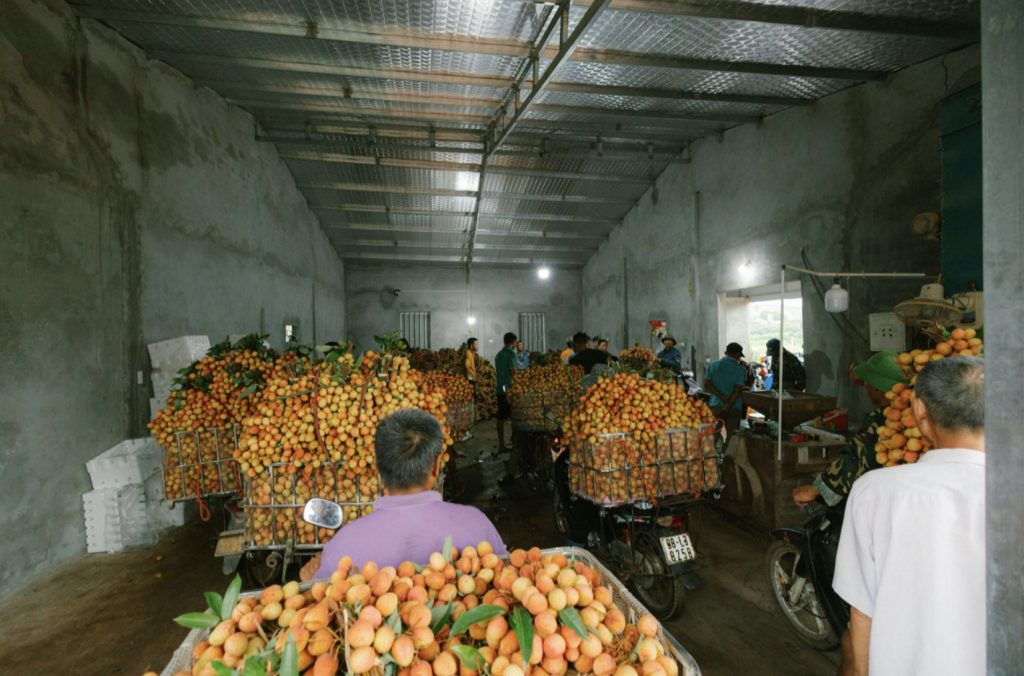
- Improving inventory visibility and stock rotation
Poor inventory records can lead to misplaced stock, delayed dispatches and avoidable quality deterioration. Warehouse management systems can help businesses record incoming quantities, lot identification, storage locations, inspection findings and dispatch details. These records improve visibility into available inventory and make stock reconciliation easier.
For commodities with different grades or storage durations, clear lot-level records also support better stock rotation and help businesses identify inventory that requires priority dispatch.
- Supporting better market timing
Agricultural prices fluctuate with seasonal arrivals, demand, supply conditions and procurement requirements. Businesses that must sell immediately after harvest may have limited flexibility in choosing when to market their produce.
Appropriate warehousing can allow owners to hold eligible commodities safely until a commercially suitable time, subject to storage costs, quality and market risks. It can also support planned releases of inventory for processing, distribution or sale. Storage does not guarantee higher prices. Its value lies in preserving the option to make a considered selling decision rather than being forced into immediate disposal.
What should businesses look for in an agri warehouse?
Before selecting a facility, businesses should evaluate its location, commodity-handling capability, storage conditions, pest-management practices, security, insurance arrangements and inventory-recording processes.
They should also assess access to transport, warehouse inspection procedures and the facility’s ability to accommodate seasonal changes in volume. For eligible agricultural commodities, businesses may additionally explore warehouse receipt-based financing, subject to lender requirements and the applicable documentation.
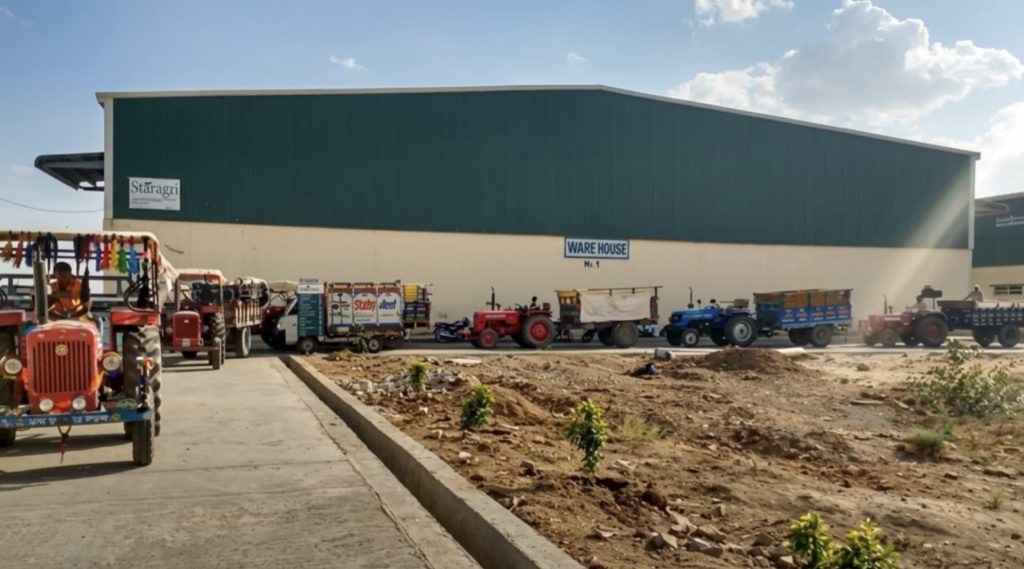
How StarAgri supports agricultural storage
StarAgri provides integrated agricultural warehousing and post-harvest services designed to support the movement and preservation of agricultural commodities. Its network includes warehouses across 19 Indian states and locations, supporting storage requirements across agricultural supply chains. Through its warehousing operations, commodity-handling expertise and quality assessment capabilities, StarAgri helps businesses manage inventory more systematically.
Its broader ecosystem also includes collateral management, procurement, logistics and laboratory services. These complementary capabilities can help businesses connect storage with quality verification, inventory movement, and financing-related processes where applicable.
Conclusion
An agri warehouse is an important link between agricultural production and the market. By controlling storage conditions, managing pests, maintaining reliable inventory records and supporting planned distribution, it can help reduce preventable losses and preserve commodity quality.
As India strengthens its agricultural infrastructure, the focus must remain on matching the right storage facilities with the right commodities. Scientific warehousing, supported by reliable operations and connected supply chain services, can help agricultural businesses protect value long after harvest.
FAQs
- What is an agri warehouse?
An agri warehouse is a facility designed to store agricultural commodities such as grains, pulses, oilseeds, and other produce under suitable conditions to preserve quality and manage inventory.
- How does agricultural warehousing reduce post-harvest losses?
It helps manage moisture, pests, contamination, and handling risks while providing systematic inventory monitoring and storage practices appropriate to the commodity.
- Do all agricultural commodities require cold storage?
No. Many grains, pulses, and oilseeds can be stored in suitable dry warehouses. Fruits, vegetables, and other perishable products may require temperature-controlled facilities, depending on the commodity.
- Can agricultural warehouses help businesses access finance?
Eligible commodities stored in approved facilities may be used to support warehouse receipt-based financing, subject to the lender’s eligibility, valuation, and documentation requirements.
- How do businesses choose the right agri warehouse?
They should assess location, storage conditions, commodity suitability, security, quality checks, pest management, inventory tracking, insurance, and transport connectivity.
