


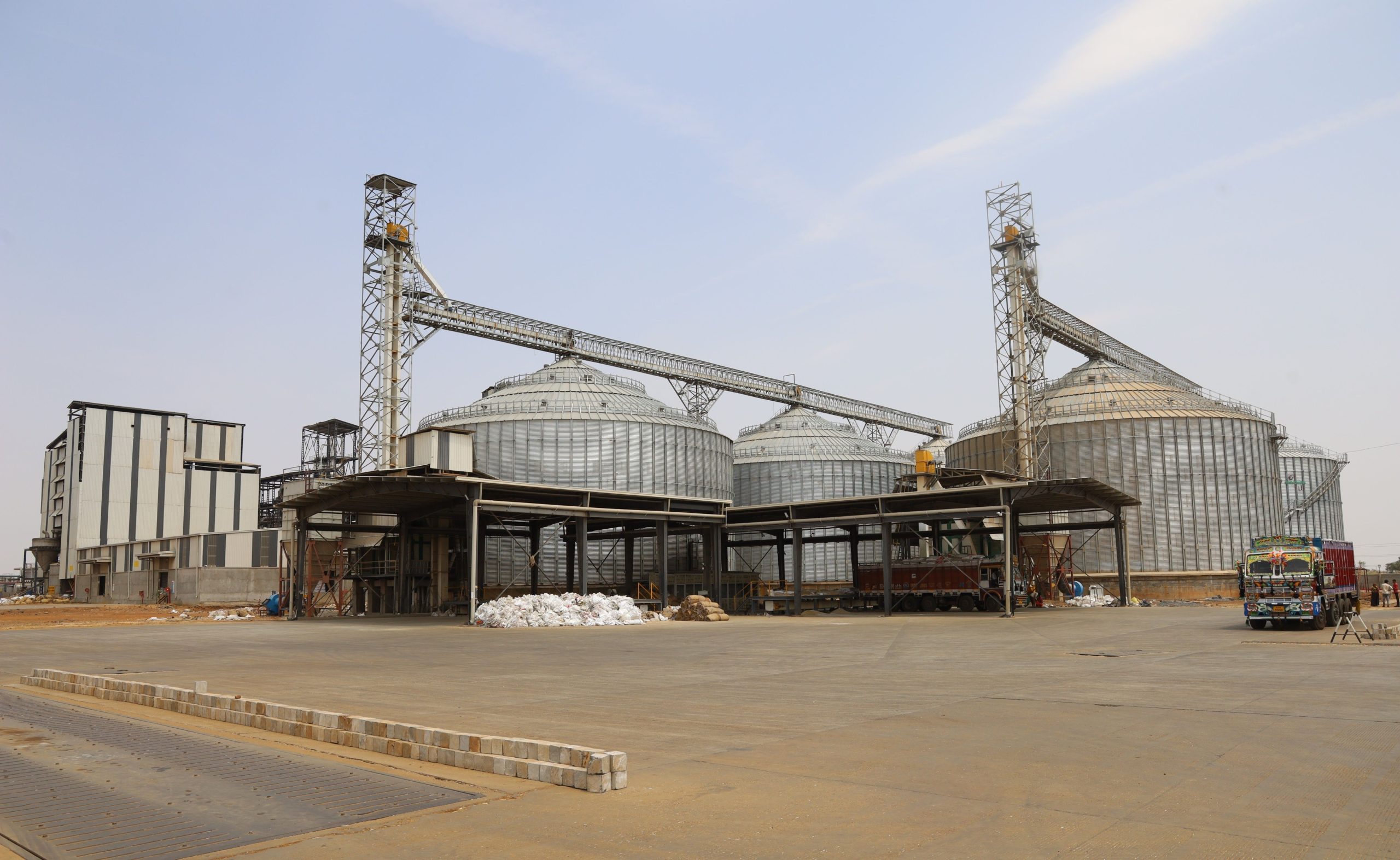
India’s agricultural supply chain is handling more and more produce every day. According to the Third Advance Estimates for 2025–26, India’s foodgrain production is estimated at 376.56 million tonnes, about 5.3% higher than the previous year. More production, however, also means greater pressure on storage, quality management and movement of commodities after harvest.
This is where the role of a modern agri warehouse is changing. A warehouse is no longer simply a place where agricultural commodities are kept until prices improve. Today, it can support scientific storage, inventory visibility, quality management, collateral monitoring, financing and smoother movement across the supply chain.
Why a modern agri warehouse matters
Agricultural commodities are vulnerable to moisture, pests, contamination, physical damage and quality deterioration. Poor storage can reduce the value of produce even before it reaches the next stage of the supply chain.
India has been investing heavily in improving this infrastructure. As of June 2026, the Agricultural Marketing Infrastructure scheme had sanctioned 12,353 storage infrastructure projects with a combined capacity of 369.18 lakh MT over the preceding decade. Under the Agriculture Infrastructure Fund, interest-subvention support had also been extended to 18,893 warehouses.
What makes a warehouse “modern”?
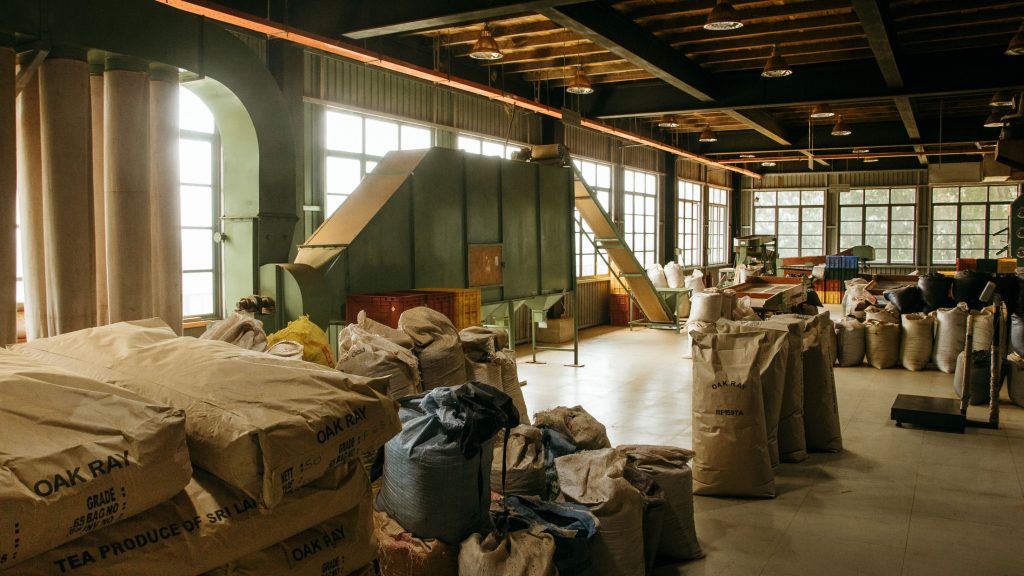
A modern agri warehouse combines physical infrastructure with processes and technology designed to protect commodities and improve visibility. This can include scientific storage practices, systematic inventory management, quality inspection, fumigation, digital documentation, monitoring systems and warehouse receipts. These capabilities help stakeholders know what is stored, where it is stored, its quality and how it is being managed.
The Government of India launched a Smart Warehousing System for foodgrain storage using AI, IoT, automation and analytics. The system includes features such as automated gate and weighbridge operations, digital access management, intelligent warehouse-condition monitoring and real-time operational dashboards.
From storage to supply chain intelligence
Digital records in a modern warehouse can provide better visibility into stock levels and movement. Quality assessments can help determine whether commodities are suitable for a particular buyer or market. Monitoring systems can help identify operational issues earlier. All this information becomes even more useful when connected with procurement, financing and trade.
For example, a trader holding a commodity in a scientifically managed warehouse may not need to sell immediately simply because working capital is required. Warehouse receipts can provide documented evidence of the commodity’s quantity and quality, helping eligible borrowers access financing against stored inventory.
Decentralised warehousing is also gaining ground
Modernisation is not limited to large central warehouses only. Storage closer to farms and production centres is becoming an important part of India’s agricultural infrastructure strategy.
Under the World’s Largest Grain Storage Plan in the Cooperative Sector, 313 PACS had completed godown construction by July 2026, creating more than 1.80 lakh tonnes of storage capacity. The programme aims to strengthen decentralised storage and reduce the distance between production, storage and markets. This matters because a warehouse located closer to where commodities are produced can reduce unnecessary movement and give farmers and aggregators greater flexibility after harvest.
How StarAgri contributes to a smarter agri supply chain
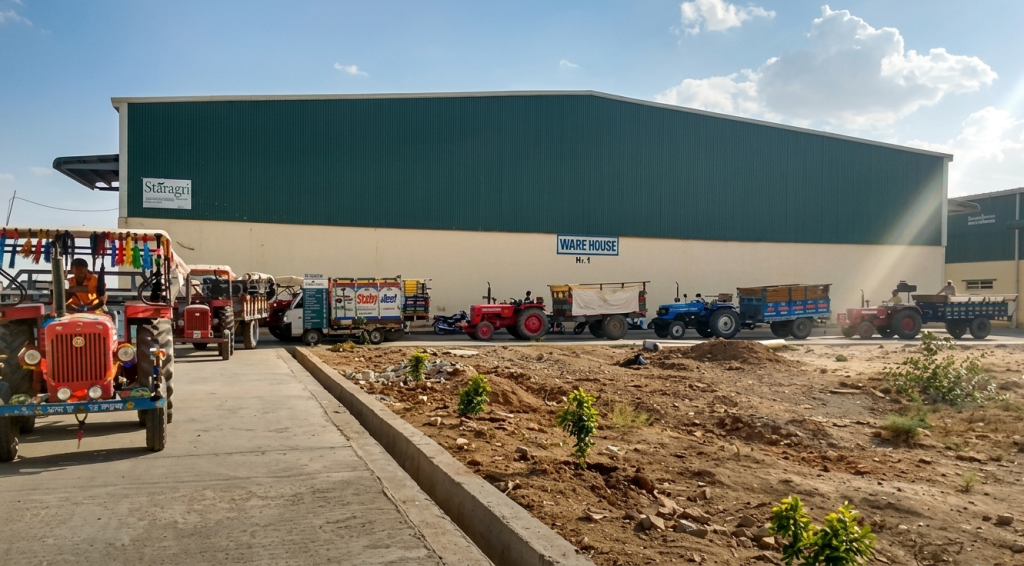
StarAgri approaches warehousing as part of a broader integrated agritech ecosystem rather than as an isolated storage service. Today, StarAgri operates 2,200+ scientific warehouses across 19 states, with approximately 5MMT of storage capacity in over 380 Indian locations. Its warehousing services support farmers, traders, millers, processors and corporates with secure commodity storage and financial solutions.
The warehouse ecosystem at StarAgri also connects with collateral management, quality assessment, financing, procurement and trade facilitation. This integrated approach allows a customer to move through multiple stages with transparency & convenience.
For financial institutions, collateral management can provide structured monitoring of commodities held against financing. For commodity owners, scientific storage can help preserve inventory while creating greater flexibility around when to sell. For processors and businesses, dependable storage infrastructure can support more predictable procurement and inventory planning.
The future of agricultural warehousing
India’s agricultural supply chain is moving towards an integration of production data, market information, storage infrastructure, quality testing, financing, and trades.
A modern agri warehouse becomes one measuring how much commodity it can hold, protect quality, create visibility, support financing and connect inventory with the next stage of the supply chain. As agricultural production grows, smarter storage will become essential to making the entire journey from farm to market more efficient, resilient and commercially viable.
FAQs
- What is a modern agri warehouse?
A modern agri warehouse is a scientifically managed storage facility supported by systematic processes and technology for inventory management, quality preservation, monitoring and supply chain operations. - How does modern warehousing improve agricultural supply chains?
It can improve commodity preservation, inventory visibility, quality management and coordination between storage, financing, procurement and trade. - Why is technology important in agricultural warehousing?
Technologies such as IoT, AI, automation and analytics can improve monitoring, inventory visibility, operational efficiency and decision-making. - How does warehouse receipt financing work?
A warehouse receipt documents commodities stored in an eligible warehouse, including relevant quantity and quality information. Depending on eligibility and lender requirements, the stored commodity can support financing without requiring an immediate sale. - How does StarAgri contribute to modern agricultural warehousing?
StarAgri operates a wide network of scientific warehouses across multiple Indian states. Apart from the StarAgri ecosystem also connects warehousing with collateral management, quality assessment, financing, procurement and trade facilitation.
