


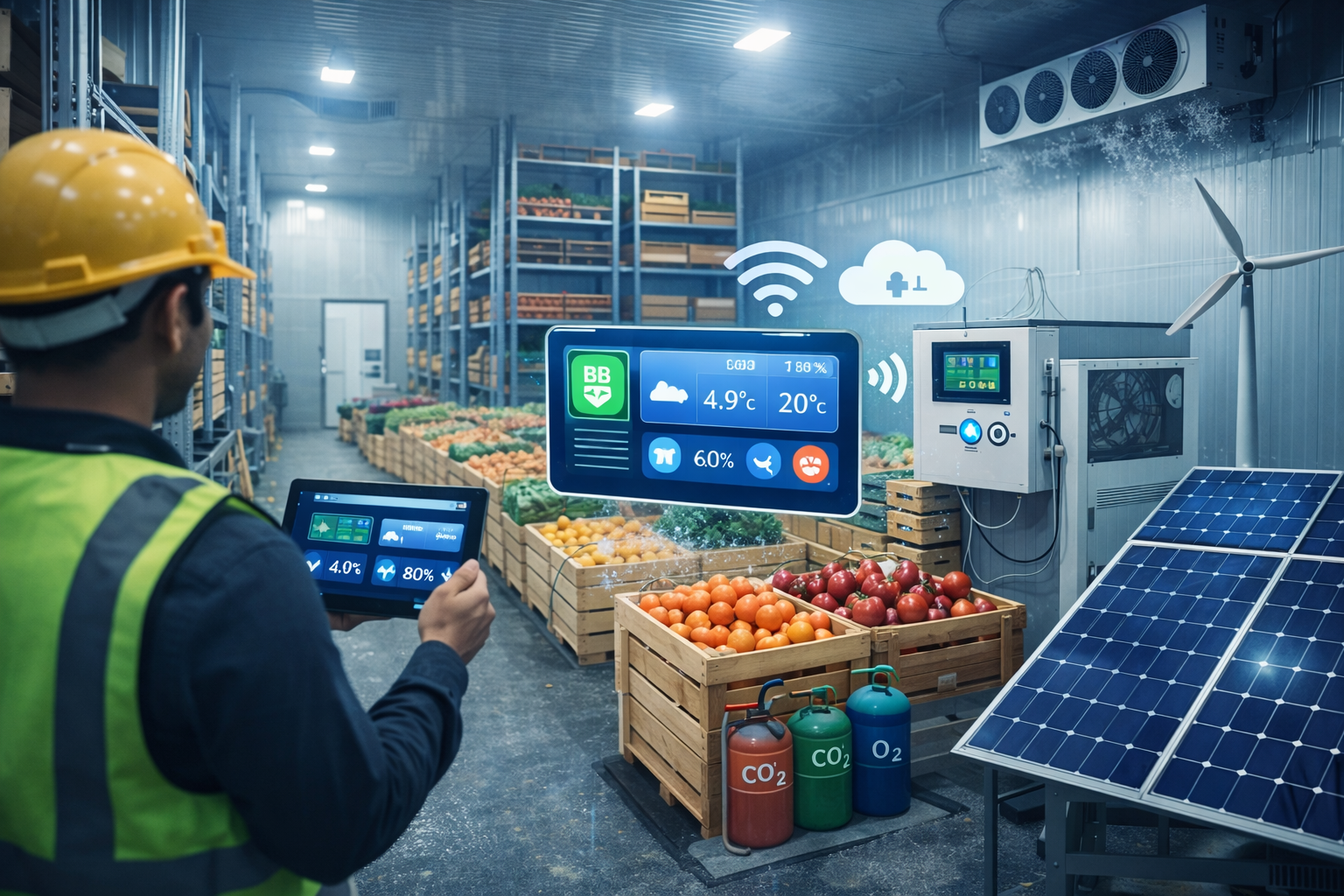
Ever wondered why a significant portion of India’s fruits and vegetables never reach consumers in perfect condition? Surprisingly, the challenge isn’t only in farming practices, but in how produce is handled, stored, and transported after harvest. Post-harvest losses in India remain high, with estimates suggesting that most of the perishable crops are wasted annually due to inadequate storage and handling. One critical solution addressing this gap is cold storage.
The Indian cold chain market size was valued at INR 2,535.87 billion in 2025 and is projected to reach INR 6,190.91 billion by 2034, growing at a compound annual growth rate of 10.43% from 2026 to 2034.
According to recent industry data, the country has approximately 8,800 cold storage facilities with a total capacity of nearly 40 Mn MT, with top states like Uttar Pradesh, West Bengal, and Gujarat leading the way in storage capacity and utilisation.
Efficient storage solutions are key for reducing post‑harvest losses, enhancing supply chain resilience, and improving farmer incomes by enabling better price realisation.
But how innovative are cold storage technologies in reducing wastage and building resilience? Let’s find out.
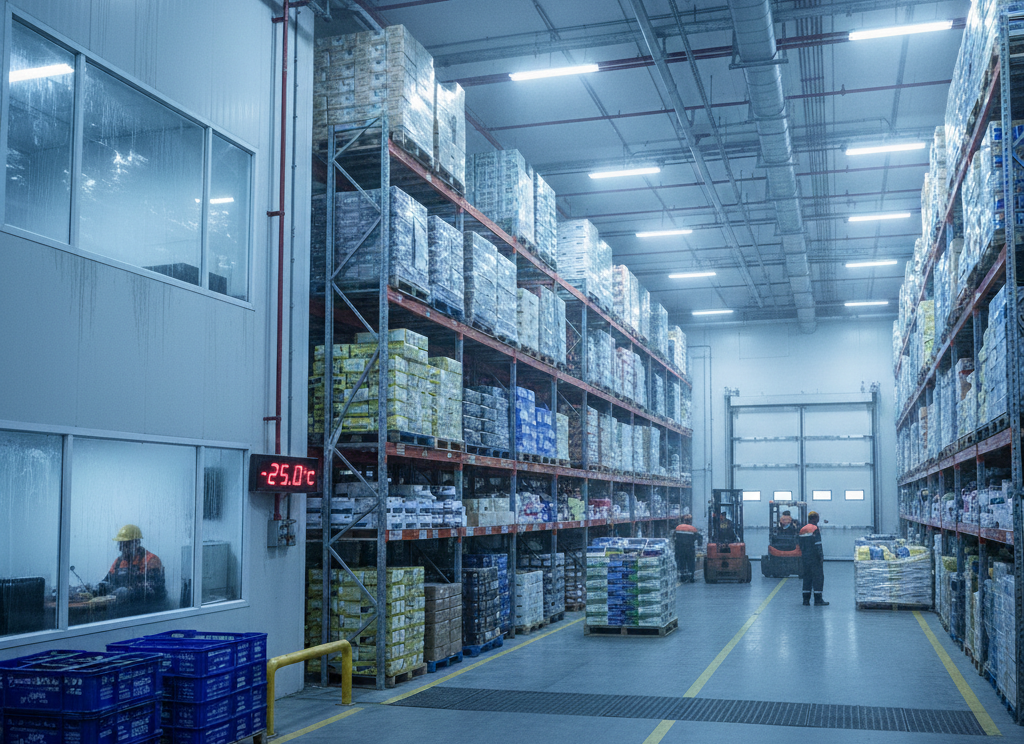
1. IoT‑Enabled Smart Cold Storage Systems
One of the most impactful advancements in modern cold chain technology is the integration of the Internet of Things (IoT). Smart sensors and connected devices continuously monitor temperature, humidity, and airflow inside cold rooms. These data streams are analysed in real time to automatically adjust cooling parameters, reduce energy use, and prevent spoilage.
Key benefits include:
-
- Auto‑adjustment of climate parameters based on the produce type
- Real‑time alerts to mobile devices in case of deviations
- Preventive maintenance and reduced downtime
2. Solar‑Powered and Renewable Energy Cold Storage
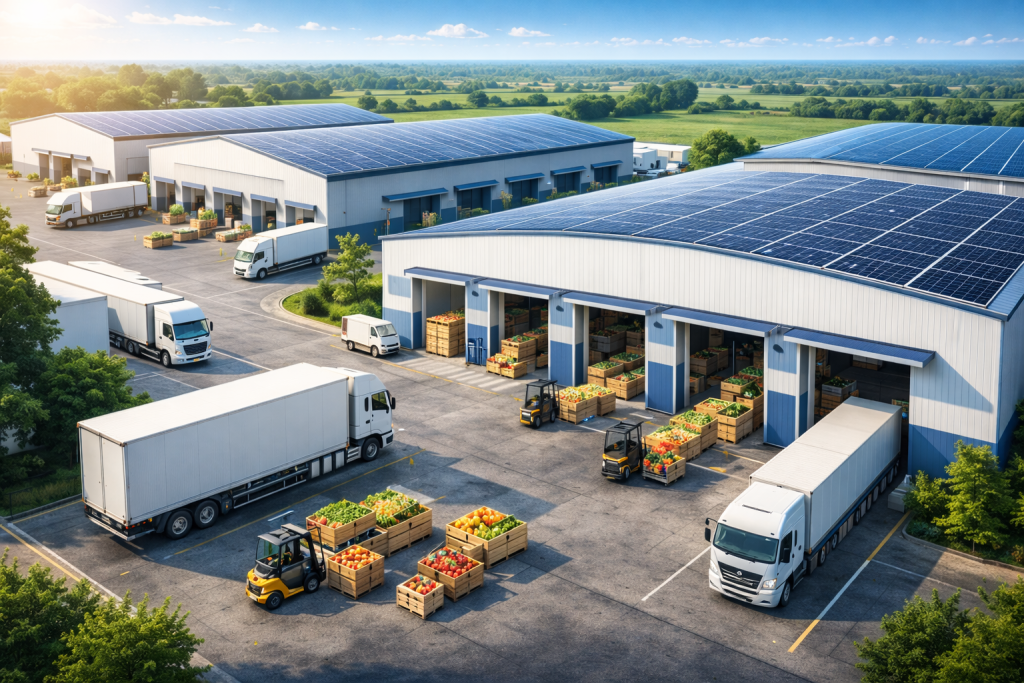
Energy cost and availability are major operational challenges for traditional cold stores across India. Solar‑powered units are emerging as game‑changers, especially in rural and off‑grid regions. These systems use solar panels coupled with advanced thermal storage materials or ice banks to store energy and maintain consistent refrigeration, even without continuous grid power.
Government and private initiatives have already led to the installation of solar‑powered cold chambers in remote areas, enabling tribal and smallholder farmers to store produce like tomatoes and cabbage effectively and sell at higher prices during peak demand.
3. Individual Quick Freezing (IQF) and Controlled Atmosphere Technologies
High‑value crops such as berries, fish, and certain fruits benefit from Individual Quick Freezing (IQF) and controlled atmosphere (CA) storage processes. These technologies rapidly lower the temperature of produce to freeze individual pieces without clumping (IQF) and regulate oxygen and carbon dioxide levels within storage rooms (CA) to slow down ripening and preserve quality.
These advanced cold storage methods are especially useful for export‑oriented produce and processed food markets, where quality and shelf life are critical. As India expands its cold chain to include more dairy, fishery, and exotic fruit products, these technologies are gaining traction.
4. Energy‑Efficient Refrigeration Systems
Modern refrigeration solutions for cold chain facilities employ advanced compressors, eco‑friendly refrigerants like R‑290 or CO₂, and enhanced insulation materials. These systems not only improve cooling efficiency but also reduce environmental impact and operating cost. Variable‑speed compressors and inverter‑based drives adjust cooling capacity in real time, helping cut energy consumption, a significant cost centre for such storage operations. Coupled with better door seals and panel insulation, these systems greatly improve energy efficiency compared to older units, many of which were built before 2010 and lack such modern features.
5. Cold Chain Logistics: Reefer Vehicles and Pack Houses
Cold storage does not end at static storage rooms. Reefer vehicles (temperature‑controlled transport trucks) and pack houses that incorporate pre‑cooling and sorting facilities are critical extensions of the cold chain ecosystem. These solutions preserve quality from farm to market by ensuring that produce remains within designated temperature ranges throughout transport. Though India has made strides, there is still a wide gap. For example, industry data suggests the country needs many more reefer vehicles to meet demand and reduce spoilage during transit.
6. AI and Predictive Analytics for Cold Storage Management
Artificial intelligence (AI) is increasingly integrated within cold chain systems to forecast maintenance needs, optimise temperature profiles, and predict spoilage risk. Predictive models analyse historic climate data, sensor inputs, and energy usage patterns to reduce unplanned downtime and enhance storage reliability.
These AI‑driven systems are especially valuable in large cold storage clusters and multi‑commodity facilities, where conditions must be continuously adjusted to accommodate diverse produce types.
StarAgri’s Role in Enhancing Cold Storage Adoption
At StarAgri, we recognise the transformative impact that robust storage solutions have on the agri‑value chain. To support farmers and agribusinesses in leveraging these technologies, StarAgri offers:
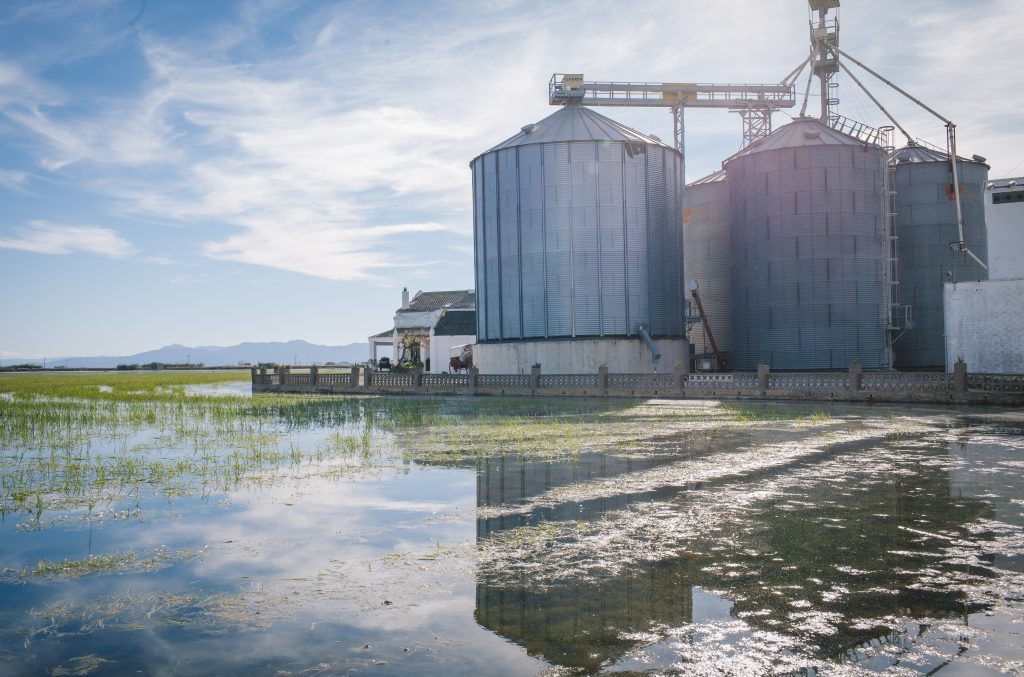
- Scientific Warehousing (Cold Storage & Silos): State-of-the-art storage facilities that preserve crop quality, including temperature-controlled cold storage and advanced silos.
- Crop Quality Testing at Star Labs: Laboratory testing to ensure produce meets quality standards and regulatory compliance before storage or sale.
- Crop Digitisation & AgriBhumi Integration: Geo-tagging farms and maintaining digital crop records to optimise storage, manage inventory, and plan logistics efficiently.
- Market Intelligence & Price Insights: Data-driven insights on market demand, price trends, and optimal sale timing to maximise farmer returns.
- Agri Finance via Agriwise Finserv: Tailored financing solutions, including working capital and structured trade finance, to invest in storage, logistics, and post-harvest infrastructure.
Conclusion
Cold storage technology is central to a resilient, modern agricultural supply chain in India. With innovations ranging from IoT‑enabled smart systems to solar‑powered units and AI‑driven analytics, stakeholders can significantly reduce post‑harvest losses, improve food quality, and unlock higher income for farmers. As investments and technological adoption accelerate, cold storage infrastructure will remain a foundational pillar of India’s agri‑growth story.
StarAgri is enabling farmers and agribusinesses to leverage its offerings efficiently. By combining technology, data, and finance, StarAgri helps reduce post-harvest losses, optimise supply chains, and maximise profitability, making modern cold storage accessible and impactful across India.
FAQs
- What is cold storage, and why is it important in Indian agriculture?
Cold storage refers to temperature-controlled facilities used to store perishable agricultural products such as fruits, vegetables, dairy, and meat. It is crucial in India to reduce post-harvest losses, maintain product quality, and help farmers secure better prices. - Which cold storage technologies are widely used in India?
Popular technologies include IoT-enabled smart storage systems, solar-powered cold storage, IQF (Individually Quick Frozen) and controlled-atmosphere storage, refrigerated transport, and advanced data-driven inventory management. - How does cold storage benefit farmers and supply chains?
Cold storage extends shelf life, prevents spoilage, ensures consistent quality, and allows farmers to time the market, leading to improved income. It also strengthens the supply chain by reducing wastage and ensuring a steady supply to retailers and consumers. - What role does technology play in modern cold storage?
Technologies such as IoT sensors, AI analytics, and cloud-based inventory systems monitor temperature, humidity, and stock levels in real time. Solar energy and automated controls reduce energy costs while improving operational efficiency. - How can StarAgri help with cold storage and post-harvest management?
StarAgri offers scientific warehousing, including cold storage & silos, crop quality testing at Star Labs, crop digitisation via AgriBhumi, market intelligence & price insights, and agri-finance through Agriwise Finserv, enabling farmers and agribusinesses to leverage modern cold storage technologies effectively.
Disclaimer
The content published on this blog is provided solely for informational and educational purposes and is not intended as professional or legal advice. While we strive to ensure the accuracy and reliability of the information presented, StarAgri make no representations or warranties of any kind, express or implied, about the completeness, accuracy, suitability, or availability with respect to the blog content or the information, products, services, or related graphics contained in the blog for any purpose. Any reliance you place on such information is therefore strictly at your own risk. Readers are encouraged to consult qualified agricultural experts, agronomists, or relevant professionals before making any decisions based on the information provided herein. StarAgri, its authors, contributors, and affiliates shall not be held liable for any loss or damage, including without limitation, indirect or consequential loss or damage, or any loss or damage whatsoever arising from reliance on information contained in this blog. Through this blog, you may be able to link to other websites that are not under the control of StarAgri. We have no control over the nature, content, and availability of those sites and inclusion of any links does not necessarily imply a recommendation or endorsement of the views expressed within them. We reserve the right to modify, update, or remove blog content at any time without prior notice.
