

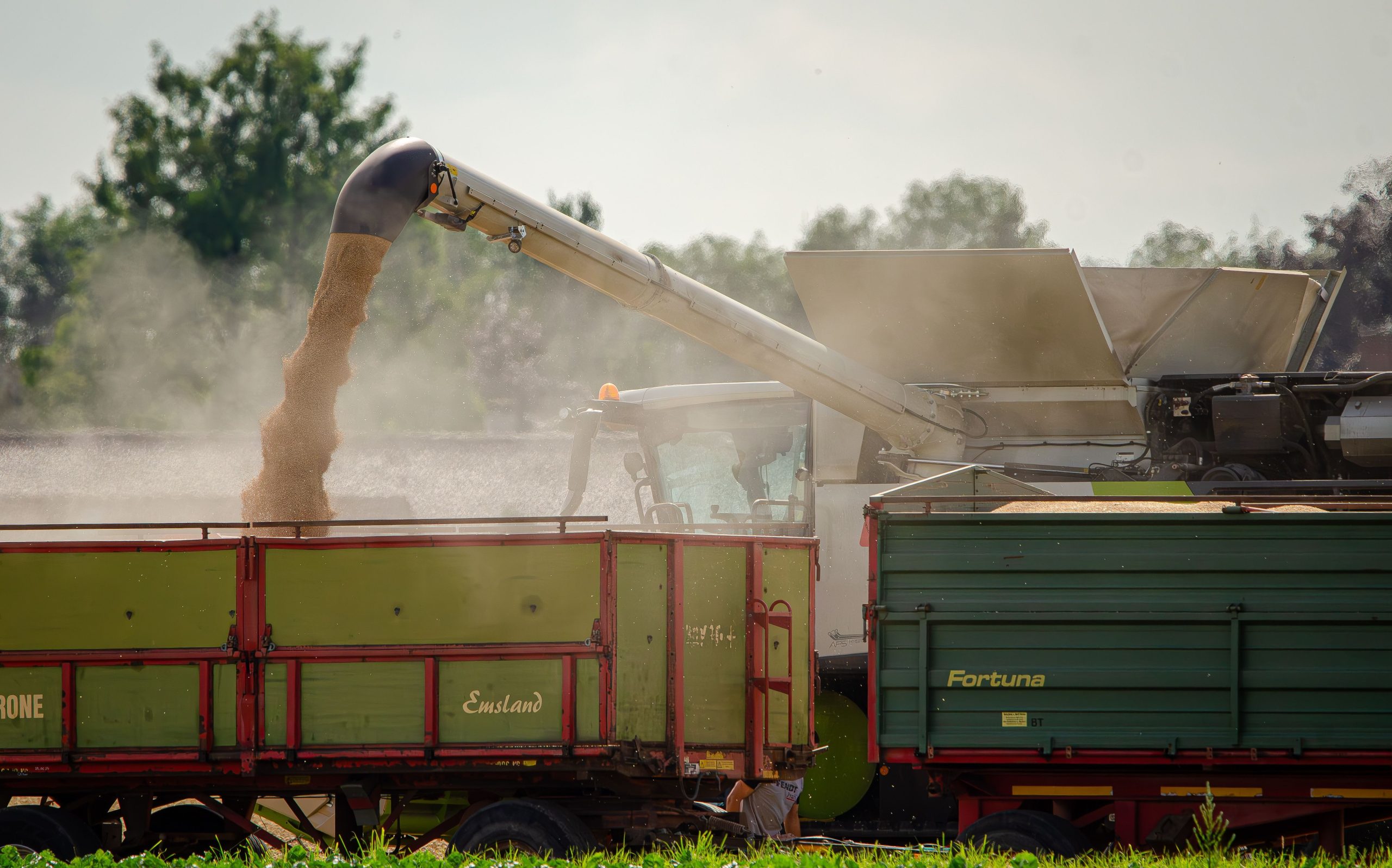
Agricultural procurement is much more than simply purchasing crops from farmers. It is a structured process that ensures agricultural produce is efficiently sourced, quality-assessed, safely stored, and delivered to processors, exporters, retailers, and manufacturers. As India’s agricultural sector continues to expand, procurement has become one of the most critical functions in ensuring food security, reducing post-harvest losses, and maintaining supply chain efficiency.
In 2025, India’s agricultural procurement industry shifted its focus toward decentralised, technology-driven purchasing and pulse self-sufficiency. Backed by record foodgrain production reaching 353.96 million tonnes, the government expanded the MSP framework and digitised the procurement process to ensure prompt farmer payouts.
What is agricultural procurement?
Agricultural procurement refers to the process of sourcing agricultural commodities directly from farmers, Farmer Producer Organisations (FPOs), aggregators, or mandis for further storage, processing, distribution, or export.
The objective is not only to purchase produce but also to ensure that it meets quality standards, reaches buyers on time, and maintains its value throughout the supply chain. Procurement is usually carried out by government agencies, food processing companies, exporters, commodity traders, retailers, and agribusinesses.
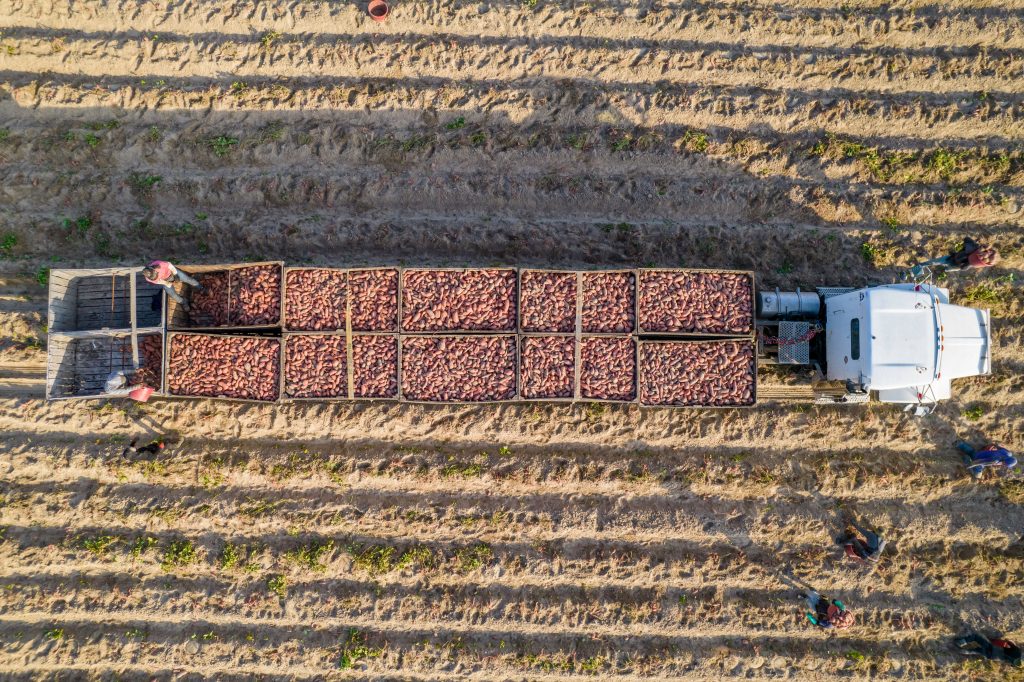
The agricultural procurement process
While procurement models may vary across organisations, the overall process generally follows these stages.
- Supplier Identification: The procurement journey begins by identifying reliable suppliers such as farmers, FPOs, cooperatives, or aggregators capable of delivering the required quantity and quality.
- Quality Inspection: Before procurement, commodities are inspected for moisture content, foreign matter, grain size, purity, and other quality parameters. Accurate quality assessment helps determine fair pricing while reducing disputes later.
- Price Discovery and Procurement: Once quality is verified, pricing is finalised based on prevailing market rates, commodity grades, demand, and contractual agreements.
- Storage and Inventory Management: After procurement, commodities are transported to scientifically managed warehouses where inventory is monitored to minimise quality deterioration and losses.
- Logistics and Distribution: Stored commodities are dispatched to processors, exporters, retailers, or institutional buyers through organised logistics networks, ensuring timely deliveries.
Why Efficient Procurement Matters
An effective procurement system creates value for every stakeholder in the agricultural supply chain.
- For farmers, it improves market access, ensures transparent pricing, and reduces dependence on multiple intermediaries.
- For buyers, it guarantees consistent supply, better quality control, and improved inventory planning.
- For the overall agricultural ecosystem, efficient procurement helps reduce post-harvest losses, improve food availability, strengthen traceability, and support more stable commodity markets.
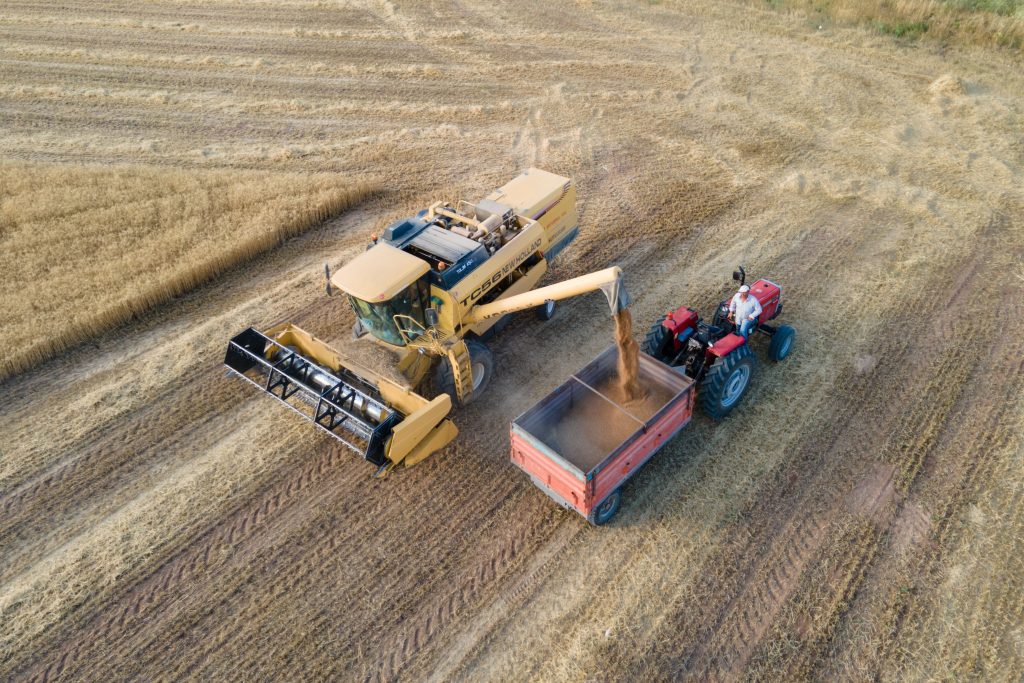
Challenges in Agricultural Procurement
Despite rapid advancements, procurement continues to face several operational challenges.
- Fragmented Supply Base: Millions of smallholder farmers make aggregation complex and time-consuming.
- Quality Variations: Differences in moisture, grading, and storage practices often affect procurement consistency.
- Inadequate Storage Infrastructure: Poor storage facilities can lead to spoilage and quality degradation before produce reaches buyers.
- Price Volatility: Weather conditions, policy changes, and market fluctuations frequently impact procurement planning.
- Limited Supply Chain Visibility: Without digital systems, tracking inventory, movement, and procurement status becomes difficult.
Best Practices for Modern Agricultural Procurement
Leading agribusinesses are transforming procurement by adopting smarter practices.
- Establish long-term relationships with farmers and FPOs.
- Use scientific quality assessment methods.
- Digitise procurement workflows for better transparency.
- Integrate warehousing with procurement planning.
- Leverage inventory management systems for real-time visibility.
- Optimise transportation through connected logistics networks.
- Use data analytics to forecast procurement requirements and market demand.
How StarAgri Strengthens Agricultural Procurement
Efficient procurement depends on much more than sourcing commodities. It requires an integrated ecosystem that supports every stage of the supply chain. This is where StarAgri plays a significant role.
With one of India’s largest agri infrastructure networks, StarAgri provides end-to-end solutions spanning scientific warehousing, collateral management, quality assessment, procurement support, logistics coordination, and supply chain management. These integrated capabilities help businesses procure agricultural commodities efficiently while preserving quality and ensuring operational transparency.
Quality assessment remains central to effective procurement. Through standardised inspection and grading processes, StarAgri helps buyers make informed procurement decisions while reducing quality-related disputes. Its scientifically managed warehouses enable safe storage of agricultural commodities, minimising post-harvest losses and maintaining inventory quality.
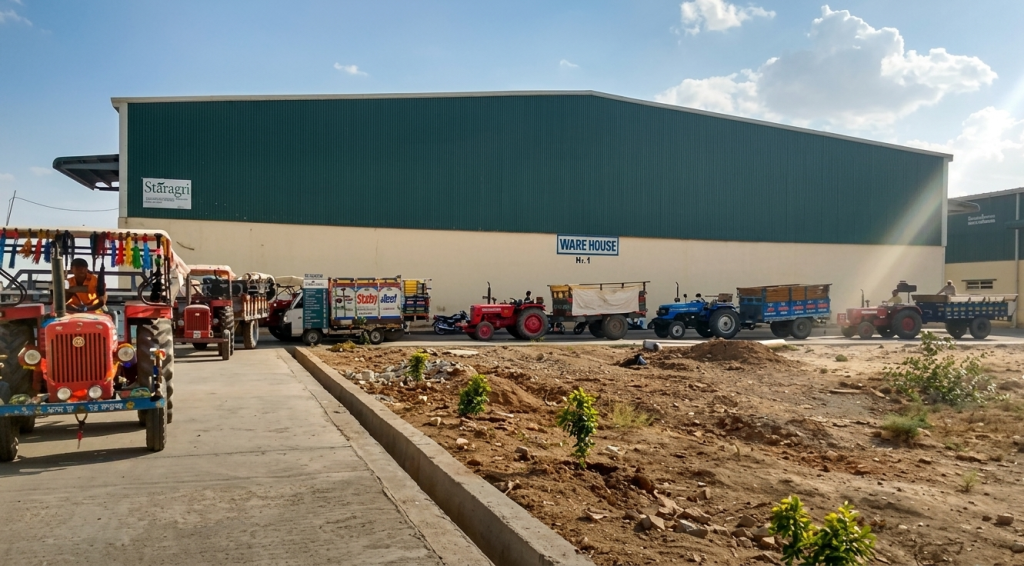
Beyond storage, StarAgri supports businesses through digital inventory monitoring, documentation, and collateral management services, improving visibility and enabling faster access to working capital. By integrating physical infrastructure with technology, the company helps simplify procurement operations across diverse agricultural commodities.
Today, StarAgri operates an extensive nationwide network comprising more than 2,300 warehouses, with a storage capacity exceeding 30 million metric tonnes, serving stakeholders across India’s agricultural value chain. This scale enables seamless procurement, storage, and movement of commodities across multiple states while supporting farmers, processors, exporters, financial institutions, and agri-enterprises.
Conclusion
Agricultural procurement has evolved into a strategic supply chain function that directly influences quality, efficiency, and profitability across the agricultural sector. As production volumes continue to increase, businesses require procurement systems that combine infrastructure, technology, quality assurance, and operational expertise.
By adopting modern procurement practices and integrated supply chain solutions, organisations can reduce risks, improve transparency, and build more resilient agricultural value chains capable of meeting the growing demands of India’s evolving agricultural economy.
FAQs
- What is procurement in agriculture?
Agricultural procurement is the process of sourcing agricultural commodities from farmers, FPOs, aggregators, or markets for storage, processing, distribution, or export. It includes quality assessment, pricing, storage, logistics, and inventory management. - Why is agricultural procurement important?
Efficient procurement ensures a reliable supply of quality produce, reduces post-harvest losses, improves price transparency, strengthens supply chains, and supports better market access for farmers. - What are the major challenges in agricultural procurement?
Some common challenges include fragmented farmer networks, inconsistent quality, inadequate storage infrastructure, price fluctuations, logistics constraints, and limited supply chain visibility. - What are the best practices for agricultural procurement?
Best practices include scientific quality assessment, digital procurement systems, integrated warehousing, real-time inventory management, strong supplier relationships, and data-driven planning. - How does StarAgri support agricultural procurement?
StarAgri provides integrated procurement support through scientific warehousing, quality assessment, collateral management, logistics coordination, digital inventory management, and supply chain solutions, helping businesses procure and manage agricultural commodities more efficiently.


