
Tag Archives: applications of AI

Imagine a world where farmers can predict crop yields with pinpoint accuracy, agribusinesses can track supply chains in real-time, and global agricultural trade operates with seamless efficiency. This isn’t just a futuristic vision—it’s already happening, thanks to the advancements in artificial intelligence (AI) and big data.

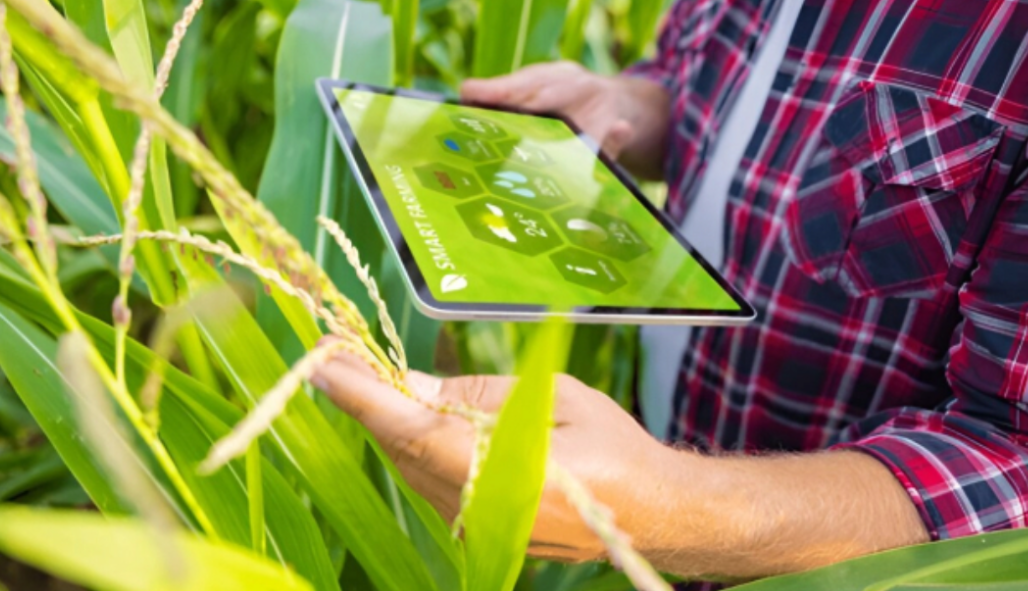
With AI and big data in agriculture leading the way, technology is completely transforming how agri-commerce technology functions. From smart farming solutions that help optimize crop production to AI-powered farm management that ensures better decision-making, AI is revolutionizing agriculture at every level.

These developments for businesses involved in agricultural commodity trading with AI mean better efficiency, reduced risks, and increased profitability. As the world moves towards digital transformation in agriculture, AI is emerging as a revolutionary tool for farmers, agribusinesses, and agri-tech innovations.

The Growing Role of AI & Data in Agriculture

For decades, the agricultural sector has faced persistent challenges—unpredictable weather, supply chain inefficiencies, market volatility, and increasing production costs. However, with the rise of AI-driven agri-commerce, these traditional obstacles are gradually being overcome.

Here’s how AI and data analytics are shaping the new era of agri-commerce technology:

  • AI in agriculture allows for real-time monitoring, predictive analytics, and automated decision-making, reducing dependence on traditional farming techniques.
  • Agricultural data analytics processes massive amounts of information, enabling farmers and businesses to make data-backed decisions that improve productivity and profitability.
  • Agri supply chain optimization ensures that agricultural products are transported efficiently, reducing food waste and making global trade smoother.

By leveraging AI, AI-driven agri-commerce businesses can streamline operations, reduce costs, and ensure better price predictability, transforming how agricultural commodities are grown, stored, and traded.

AI-Driven Innovations Transforming Agri-Commerce

  1. Smart Farming Solutions & Precision Agriculture

One of the most groundbreaking advancements in agriculture is precision farming with AI, which enables farmers to maximize yields while minimizing resources.

  • Machine learning in farming analyzes historical and real-time data to optimize irrigation, detect pests, and predict crop diseases before they spread.
  • IoT in agriculture integrates smart sensors that monitor soil moisture, weather conditions, and plant health, reducing manual intervention and ensuring optimal resource utilization.
  • AI-powered farm management uses automation to track crop performance, manage labor, and allocate resources efficiently, ensuring higher returns on investment.

By combining AI-driven crop prediction and agri-tech innovations, farmers can now boost their productivity, reduce costs, and enhance sustainability, ultimately leading to higher profits and long-term viability.

  1. AI in Agri Supply Chain & Trade

A strong and efficient supply chain is critical for agribusinesses to remain competitive in the global market. However, disruptions in logistics, transportation, and demand fluctuations often lead to significant losses.

Here’s how AI is solving these supply chain issues:

  • Agri supply chain optimization uses AI-powered analytics to forecast demand, manage inventory, and optimize transportation routes, ensuring products reach their destinations faster and fresher.
  • Blockchain in agri-commerce enhances transparency, trust, and traceability, helping businesses prevent fraud, ensure compliance, and build consumer confidence.
  • AI for agribusiness automates trade negotiations, monitors market fluctuations, and reduces wastage in the supply chain, leading to better efficiency and cost savings.

For exporters, AI in agri exports is reshaping global trade by offering insights into market demands, automating documentation processes, and reducing export-related risks.

  1. AI-Driven Market Trends & Predictive Analytics

The agricultural industry is undergoing a digital shift, with AI-driven crop prediction and market analytics helping businesses stay ahead of demand trends.

  • AI-driven crop prediction helps farmers and traders anticipate market demands, reducing oversupply and price fluctuations.
  • Smart agriculture market trends reveal consumer preferences, allowing agribusinesses to focus on high-demand commodities and increase profitability.
  • Agricultural commodity trading with AI ensures that traders buy and sell at the right time, minimizing risks and maximizing returns.

With AI and predictive analytics, agribusinesses can make strategic decisions, reducing market uncertainties while increasing trade efficiency and revenue generation.
Challenges & Ethical Considerations

Despite its vast potential, the adoption of AI in agriculture faces several challenges:

  • Data privacy concerns – As AI collects and processes large amounts of farm data, concerns arise regarding who controls this information and how it is used.
  • Technology accessibility – While AI-powered farm management is beneficial, many small-scale farmers lack the financial resources and knowledge to implement these advanced solutions.
  • Adoption barriers – The agriculture sector is traditionally slow to adapt to new technologies, meaning AI adoption may take time and education to become widespread.

For AI-driven agri-commerce to be successful, government policies, industry leaders, and agribusinesses must work together to ensure fair and ethical implementation of these technological advancements.

The Future of AI in Agri-Commerce

Looking ahead, AI for sustainable farming will play a pivotal role in ensuring that agriculture remains profitable, efficient, and environmentally friendly.

  • AI-powered farm management will help farmers reduce resource wastage and increase output with minimal environmental impact.
  • Blockchain in agri-commerce will enhance transparency and build trust among stakeholders in the global agricultural supply chain.
  • AI-driven crop prediction will further refine market forecasting, ensuring farmers and traders can make better-informed decisions.

Staragri is pioneering AI-driven solutions, offering advanced agri-warehousing services that optimize storage, minimize post-harvest losses, and enhance efficiency in the agricultural supply chain. We are dedicated to empowering agribusinesses with cutting-edge AI-driven solutions for agri-warehousing, supply chain management, and market analytics. Future-proof your agribusiness — partner with Staragri today!

Conclusion

The integration of AI and big data in agriculture is not just a trend—it is the future of agri-commerce technology. As AI-powered solutions continue to reshape farming, trading, and supply chain management, businesses that leverage AI-driven agri-commerce will gain a significant edge in efficiency, profitability, and sustainability.

With advancements in precision farming with AI, agri supply chain optimization, and AI in agri exports, the global agricultural industry is moving towards a smarter, data-driven approach. By embracing agri-tech innovations, farmers and agribusinesses can make informed decisions, optimize resources, and navigate market fluctuations with confidence.
Indian agriculture has long been the backbone of the nation’s economy, providing livelihoods to millions of farmers. However, challenges such as unpredictable weather patterns, resource management, labor shortages, and fluctuating crop yields have made it harder for farmers to meet the growing demands of the population.

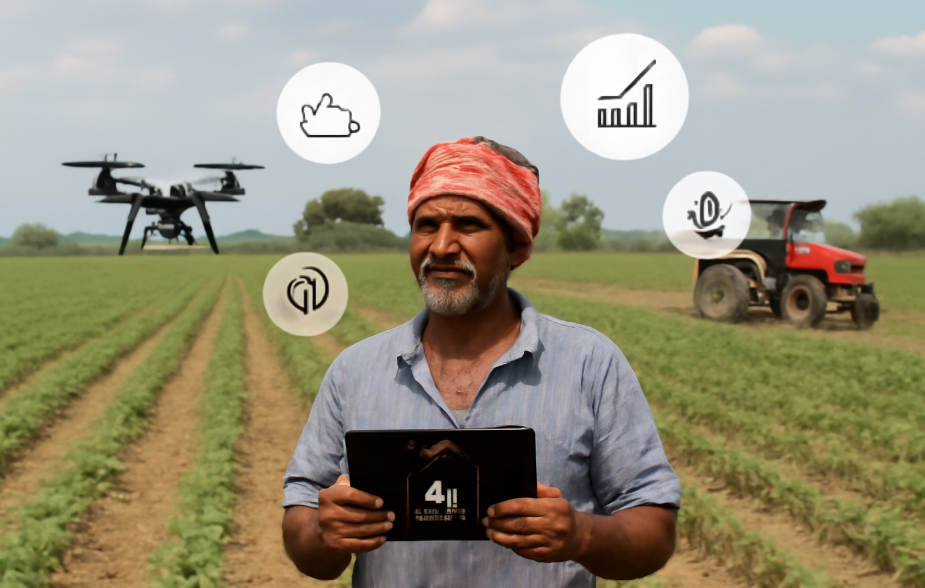
Enter Artificial Intelligence (AI), a transformative tool that is changing the agricultural landscape. From improving crop yield to enhancing resource efficiency, AI is helping farmers make better decisions with data-driven insights.

In this blog, we will explore the real-world applications of AI in agriculture and how leading agritech companies like StarAgri are integrating AI technologies to revolutionize farming practices.

Precision Farming: Maximizing Crop Yield with Data

AI-driven precision farming has emerged as a game-changer in agriculture. By using data from sensors, drones, and weather forecasts, AI helps farmers monitor soil conditions, optimize irrigation, and apply fertilizers and pesticides more efficiently.

This technology ensures that water, fertilizers, and other resources are used optimally, reducing waste and boosting crop health. AI-powered solutions are helping farmers across India make informed decisions, leading to better yields.

AI-Powered Drones for Crop Monitoring

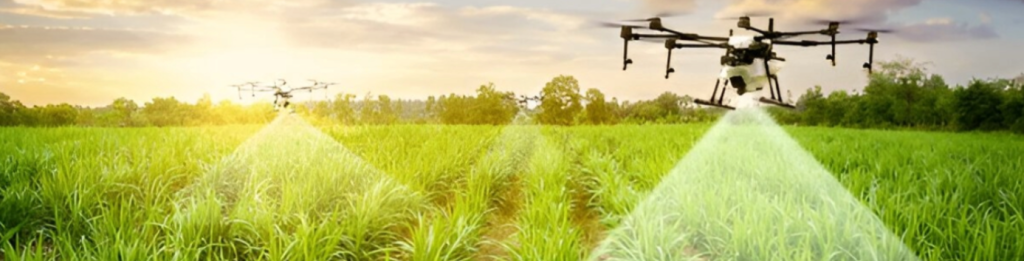
Drones equipped with AI are providing farmers with high-resolution images and real-time data of their crops. These drones can identify issues like diseases, pest infestations, and nutrient deficiencies from above, enabling early detection and intervention. This prevents crop loss and reduces the need for harmful chemicals.

For instance, StarAgri uses satellite imagery to monitor crop health, allowing farmers to address issues proactively and minimize the risk of widespread damage.

Smart Irrigation: Saving Water, Boosting Efficiency

With India’s water resources becoming increasingly scarce, efficient irrigation is more critical than ever. AI-powered smart irrigation systems use data from sensors to monitor soil moisture levels and weather conditions in real-time. By delivering water only when necessary, these systems reduce water wastage, leading to cost savings and improved crop health.

AI ensures that farmers in water-scarce regions of India can still thrive without overusing precious resources.

Pest and Disease Management: Early Detection

AI tools analyze visual data from crops and compare them with vast databases to detect pests, diseases, or even nutrient deficiencies early on. By identifying issues before they spread, AI helps farmers take immediate action, preventing crop loss and minimizing the use of pesticides.

Predictive Analytics: Forecasting Crop Yields

AI is also being used to forecast crop yields based on a variety of factors such as weather patterns, soil conditions, and historical data. These predictions allow farmers to plan ahead, manage their resources efficiently, and avoid market fluctuations.

AI-driven predictive models ensure farmers know when to harvest and how to price their produce, thereby securing higher profits.

Livestock Monitoring: Enhancing Animal Health

AI isn’t just transforming crop farming, it’s also improving livestock management. By monitoring the health, behavior, and productivity of livestock, AI systems help farmers ensure animal well-being and increase productivity. Through wearable sensors and AI algorithms, livestock conditions are tracked in real time, enabling early intervention when health issues arise.

In India, where livestock farming is a vital part of rural agriculture, AI provides valuable insights into animal welfare, reducing losses and improving productivity.

applications of ai in indian agriculture

Automated Harvesting: Reducing Labor Costs

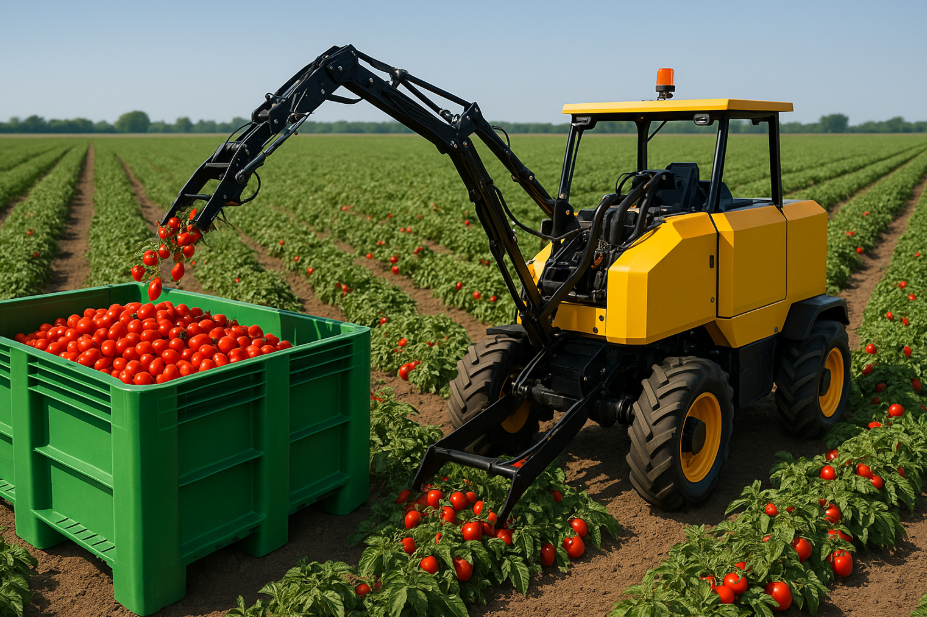
Labor shortages are a significant challenge in Indian agriculture. AI-powered robotic harvesters are addressing this issue by automating the crop collection process. These robots can detect ripe crops and harvest them with precision, reducing the need for manual labor and improving the efficiency of harvests.

The use of AI in harvesting is an innovation that promises to make farming more efficient and cost-effective.

AI in Supply Chain Management: Improving Efficiency

The agricultural supply chain in India is often plagued by inefficiencies. However, AI can optimize supply chain management by improving logistics, reducing spoilage, and tracking inventory in real-time. AI-based systems ensure that fresh produce reaches the market quickly and in the best condition, benefiting both farmers and consumers.

Companies like StarAgri are using AI to streamline their agricultural supply chains, ensuring farmers can maximize profits by reaching the market at the right time.

Real-Time Weather Forecasting: Managing Uncertainty

Weather plays a crucial role in farming, and AI-powered weather forecasting systems are helping farmers prepare for extreme weather events like floods, droughts, and storms. By providing hyper-local, real-time forecasts, AI helps farmers plan their crop cycles, irrigation schedules, and harvest times to mitigate the impacts of adverse weather conditions.

Farmers can make informed decisions about crop management and irrigation, thereby reducing the risk of crop loss due to unpredictable weather.

AI-Driven Market Price Forecasting: Maximizing Profits

Market prices fluctuate based on demand, supply, and other external factors. AI algorithms track these variables and forecast market prices for various crops. This allows farmers to decide when to sell their produce and how to price it for maximum profit. By staying ahead of market trends, AI helps farmers avoid price volatility and ensures they get the best returns.

StarAgri is one of the top agritech companies in India using AI to provide farmers with real-time price forecasting, helping them make strategic decisions about when to market their produce.

Conclusion: The Future of Indian Agriculture is AI-Driven

AI has immense potential to transform the Indian agriculture sector, addressing the long-standing challenges faced by farmers. From precision farming and smart irrigation to livestock management and market forecasting, the real-world applications of AI in Indian agriculture are helping farmers increase productivity, reduce costs, and become more sustainable.

StarAgri is at the forefront of this revolution, delivering innovative AI-driven solutions to farmers across India. By embracing AI, Indian farmers are not just adapting to the future—they’re actively shaping it.

FAQs

1. How is AI helping farmers in India?

AI helps farmers make better decisions by analyzing data related to weather, soil health, crop conditions, and market trends. It improves productivity, reduces input costs, and helps farmers manage risks more effectively.

2. What are the benefits of AI-powered precision farming?

Precision farming uses AI, sensors, and data analytics to optimize irrigation, fertilizer application, and crop management. This leads to higher crop yields, reduced resource wastage, and improved farm profitability.

3. Can AI detect crop diseases and pest infestations?

Yes. AI-powered tools can analyze images from drones, satellites, and smartphones to identify diseases, pests, and nutrient deficiencies at an early stage, allowing farmers to take timely corrective action and minimize crop losses.

4. How does AI improve agricultural supply chains?

AI enhances supply chain efficiency by forecasting demand, tracking inventory, optimizing logistics, and reducing post-harvest losses. This helps farmers and agribusinesses deliver produce to markets faster and more efficiently.

5. How is StarAgri using AI in agriculture?

StarAgri leverages AI through technologies such as satellite-based crop monitoring, weather intelligence, market forecasting, and data-driven farm analytics. These solutions help farmers improve productivity, manage risks, and make informed agricultural decisions.