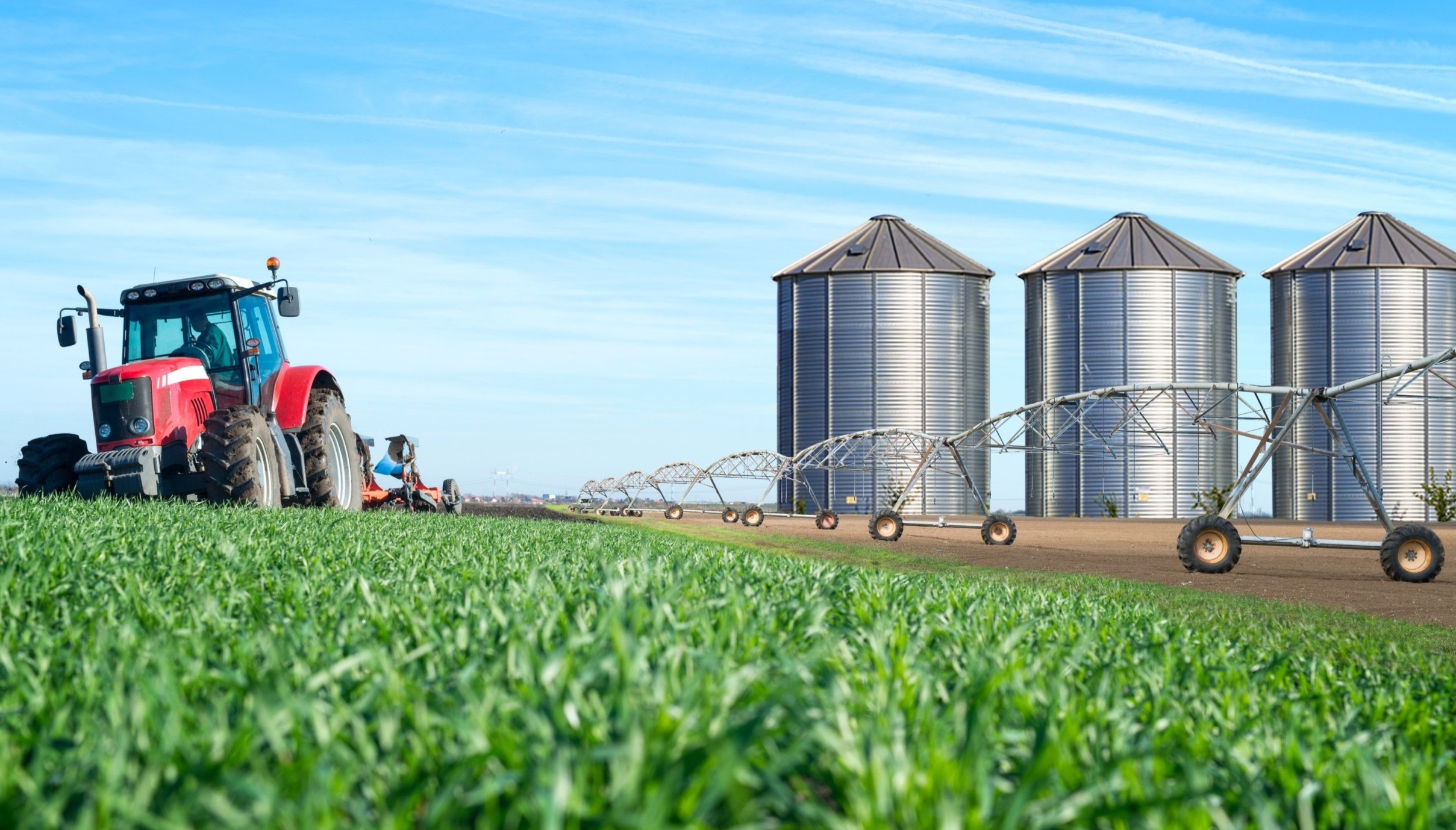
Tag Archives: agri infrastructure

India’s agricultural sector is producing more, trading more and connecting with increasingly diverse markets. But as agricultural output grows, an equally important question emerges:
Is the country’s agricultural infrastructure prepared to handle what comes next?

Today, agricultural infrastructure includes scientific storage, integrated supply chains, processing facilities, digital platforms, quality assessment and access to institutional finance.

With 2027 approaching, the focus needs to shift from simply expanding infrastructure to making it more connected, efficient, technology-enabled and resilient. The challenge now is not only to accommodate larger harvests but to also ensure that agricultural produce retains its quality and reaches the right markets at the right time.

  • Scaling storage capacity beyond traditional warehousing

Storage remains one of the most important pillars of agricultural infrastructure. However, increasing production means that storage systems must evolve in terms of both capacity and quality. India’s foodgrain production is estimated to have reached 376.56 million tonnes in 2025-26, according to the Third Advance Estimates. Higher production increases the importance of adequate scientific storage, particularly during peak harvesting seasons. The Agricultural Marketing Infrastructure (AMI) scheme had sanctioned 12,353 storage infrastructure projects with a combined capacity of 369.18 lakh metric tonnes as of July 2026.

Looking towards 2027, the priority should be to expand storage facilities closer to production centres, improve scientific warehouse management and ensure that facilities are suitable for different commodities. Infrastructure development must also account for decentralised storage, allowing farmers and FPOs to access facilities without depending entirely on large procurement centres.

  • Building stronger cold chain & processing networks

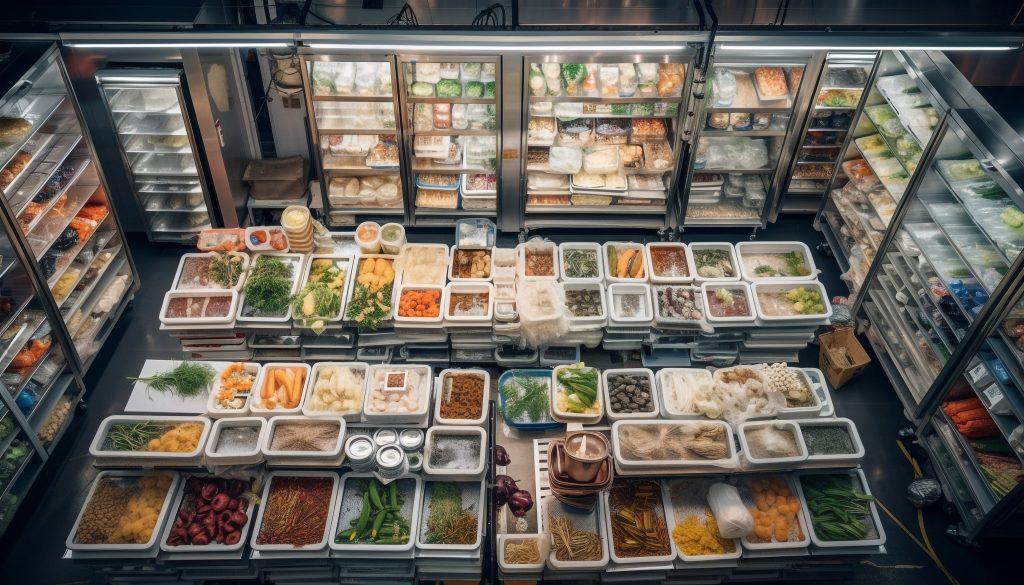
Foodgrain storage is only one part of the infrastructure challenge. Fruits, vegetables, dairy, meat and other perishable commodities require temperature-controlled environments throughout their journey. A cold chain involves a coordinated network of pre-cooling facilities, cold storage, refrigerated transportation, processing and distribution.

The Ministry of Food Processing Industries reported that 311 integrated cold chain projects had been completed across India as of 27 October 2026, creating a cumulative cold storage capacity of approximately 9.24 lakh metric tonnes across India.

Expanding this network will be important moving forward, particularly in regions with strong horticulture, dairy and food-processing activity. There is also a need to connect storage with grading, sorting, packaging and processing facilities. This can help improve product quality, extend shelf life and support the movement of agricultural commodities into higher-value markets.
agri infrastructure

  • Making infrastructure more technology-driven

Technology can help warehouses, procurement centres, testing laboratories and supply chain operators improve visibility and operational efficiency. For example, digital inventory systems can provide real-time information about commodity quantities, storage locations and stock movement. Sensors and monitoring devices can help track temperature, humidity and other storage conditions. Automated weighing, grading and testing systems can further improve accuracy and traceability.

The growing scale of India’s digital agriculture ecosystem also creates opportunities for stronger integration between farm-level information and post-harvest infrastructure.

As of August 2026, more than 10.31 crore Farmer IDs had been created under the Digital Agriculture Mission. The Digital Crop Survey conducted during Rabi 2025-26 covered over 31.3 crore plots across 648 districts.

  • Strengthening farm-to-market connectivity

Even the most advanced warehouse cannot deliver its full value if agricultural produce cannot move efficiently to buyers. Hence, India needs stronger connections between farms, collection centres, warehouses, processing units, mandis, ports and consumption markets. This requires more than road connectivity. It involves coordinated planning across transportation, handling, documentation, quality testing and inventory management.

Digital trading platforms like agribazaar strengthen market access by connecting farmers, traders and buyers through more transparent systems.

For 2027, the opportunity lies in connecting these digital marketplaces more effectively with physical infrastructure. Better linkages can improve price discovery, streamline commodity movement and help agricultural stakeholders access a wider range of buyers.

  • Expanding access to infrastructure finance

Developing agricultural infrastructure requires substantial capital investment. Warehouses, cold storage facilities, processing units and quality-testing infrastructure often involve long gestation periods and significant operational expenditure. Institutional finance and targeted government support can help bridge this investment requirement.

The Agriculture Infrastructure Fund (AIF) has emerged as an important mechanism in this area. As of March 2026, loans worth approximately ₹84,202 crore had been sanctioned for 1.68 lakh projects, mobilising investments of around ₹1.33 lakh crore.

For the future, the focus should be on making such funding more accessible to viable infrastructure projects, including those developed by FPOs, cooperatives, agri-entrepreneurs and private enterprises. Flexible financing structures, appropriate credit assessment and stronger project execution will be important for ensuring that investment translates into functional infrastructure.

  • Preparing infrastructure for climate uncertainty

Extreme rainfall, floods, heatwaves and changing weather patterns can affect production, storage conditions and transportation networks. Warehouses need suitable structural safeguards, drainage systems and monitoring mechanisms. Cold storage facilities must have reliable power systems and energy-efficient operations. Supply chains also need contingency plans to minimise disruptions.

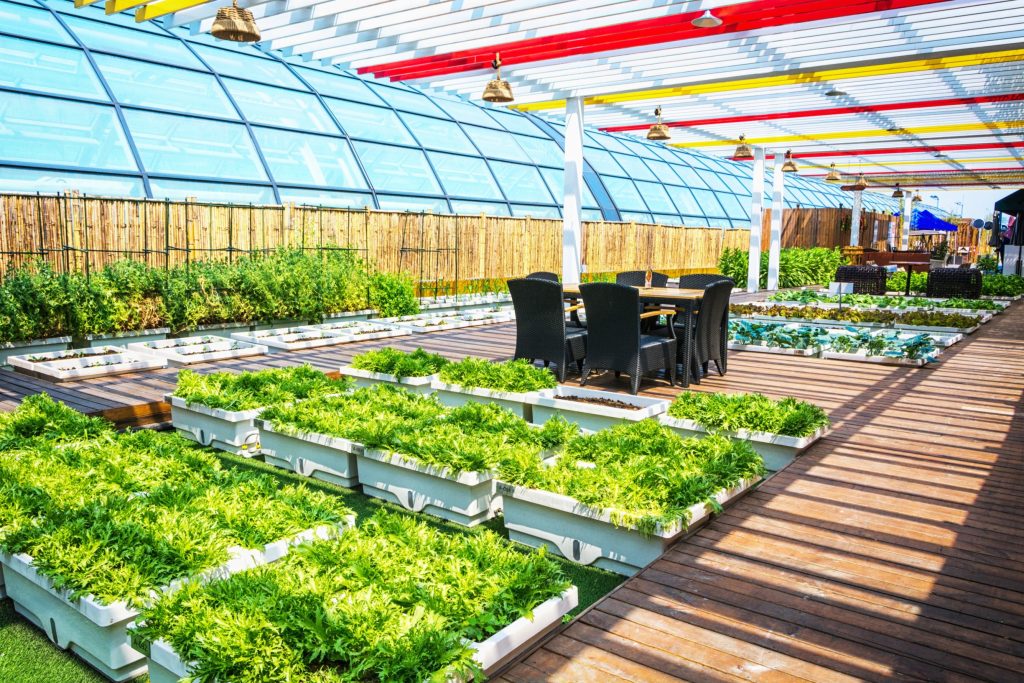
Renewable energy, energy-efficient cooling, water management and climate-responsive infrastructure design can help strengthen long-term operational resilience. The objective should be to create infrastructure that can continue supporting agricultural activity even when environmental conditions become unpredictable.
agri infra

Integration will define agricultural infrastructure in 2027

India’s agricultural infrastructure requirements are becoming more interconnected. Storage cannot operate in isolation from procurement, processing cannot function efficiently without quality assessment, and market access depends on reliable logistics and information systems.

StarAgri works across several parts of this ecosystem through its warehousing and procurement network, collateral management, commodity testing, digital agricultural trading and finance-related solutions. Its infrastructure-led approach connects farmers, markets, storage facilities and financial institutions, supporting greater visibility and efficiency across agricultural value chains.

As India prepares for 2027, the real measure of infrastructure progress will not simply be the number of facilities created but also how effectively these facilities work together.

The next phase of agricultural growth will depend on infrastructure that is accessible, technology-enabled, financially viable and built to respond to changing market and climate requirements.

FAQs

  • What is agricultural infrastructure?
    Agricultural infrastructure includes the physical, technological and financial systems that support farming and the movement of agricultural produce. It covers irrigation, warehousing, cold chains, processing, transportation, testing, digital platforms and market connectivity.
  • Why is agricultural infrastructure important for India in 2027?
    Growing agricultural production, changing consumer demand, expanding markets and climate-related risks are increasing the need for efficient storage, processing and supply chain systems. Strong infrastructure can help reduce inefficiencies and improve market access.
  • What are the major challenges facing India’s agricultural infrastructure?
    Key challenges include inadequate scientific storage in certain regions, limited cold chain connectivity, fragmented supply chains, uneven access to technology, infrastructure financing requirements and climate-related disruptions.
  • How does technology improve agricultural infrastructure?
    Technology supports digital inventory management, warehouse monitoring, commodity traceability, automated quality assessment, predictive planning and better coordination between agricultural stakeholders.
  • What is the role of private companies in developing agricultural infrastructure?
    Private companies can contribute through investments in warehousing, procurement, commodity testing, processing, technology and supply chain services. Their participation can complement government initiatives and help build more integrated agricultural ecosystems.

In today’s rapidly evolving agricultural economy, building a sustainable future starts not just on the farm, but also in the warehouse.
As agriculture scales up and supply chains advance, green warehousing is emerging as a key pillar in shaping the future of agri infrastructure.

The Urgent Need for Green Transformation

India is one of the world’s largest producers of agricultural commodities. Yet, a large portion of this produce is lost after harvest due to poor storage, outdated facilities, and inefficient energy use.
Traditional warehouses use a lot of electricity, produce carbon emissions, and often do not meet current standards for safe, efficient, and sustainable agricultural warehousing.

With climate change, resource scarcity, and ESG regulations tightening the screws on global trade, ecofriendly warehouses are no longer optional, they’re essential.

What Is Green Warehousing?

Green warehousing refers to warehouses that are designed and operated with environmental sustainability in mind. These facilities reduce carbon emissions, optimise energy use, and integrate technology to improve operational efficiency without harming the planet.

The key features of a green agri warehouse include:

  • Solar-powered lighting and appliances
  • Natural ventilation and thermal insulation
  • Rainwater harvesting systems
  • Energy-efficient temperature control
  • Smart sensors for real-time monitoring
  • Recyclable materials in construction
  • Waste segregation and reuse

For agriculture, this means sustainable post-harvest solutions that not only preserve the quality of commodities but also reduce the environmental impact of food storage and trade.

Why Green Warehousing Matters in Agri Infrastructure

  1. Reduces Post-Harvest Losses Sustainably
    Green warehousing improves storage conditions, temperature, humidity, and air flow, which directly improves the longevity of grain and reduces the spoilage.
  2. Lowers Operational Costs Over Time
    Although the initial investment may be high, energy-efficient warehouses reduce electricity bills, minimise wastage, and also provide carbon credits or government incentives.
  3. Improves Agri Export Readiness
    Many importing countries are now establishing carbon compliance standards for supply chains. Warehouses powered by renewable energy in agri storage operations can become important export hubs.
  4. Aligns with ESG Goals
    For agribusinesses and exporters, switching to sustainable agri infrastructure increases ESG scores and attracts investors looking for environmentally responsible supply chains.
  5. Future-Proofs India’s Agri Logistics
    As the agri sector becomes more digital and quality-focused, green warehousing enables better integration with smart supply chains, traceability platforms, and clean energy grids.

green warehousing examples

How Staragri is Leading the Green Warehousing Shift

At Staragri, we believe that a strong rural economy should also be a sustainable economy. That’s why we have made green innovation central to our warehousing infrastructure across India.

From solar-powered warehouse roofs to smart humidity-controlled storage, we’re building the next generation of agri infrastructure solutions, with the planet in mind.

Our mission is to provide eco-friendly, cost-efficient, and technologically advanced agri warehousing facilities that support farmers, exporters, and agribusinesses alike.

Our Green Initiatives Include:

  • Solarization of warehouses in sun-rich states
  • Sustainable building materials for new warehouse construction
  • Digital warehouse monitoring systems to reduce manual intervention
  • Rainwater harvesting and eco drainage systems
  • Pilot testing of carbon-neutral agri logistics zones

By integrating green warehousing practices, Staragri not only protects agricultural produce but also supports India’s broader climate and food security goals.

The Business Case: Why Agri Exporters, FPOs & Investors Should Act Now

The future of agri warehousing in India is low-carbon, tech-enabled, and sustainability-driven. Whether you are a:

  • Trader/exporter looking for compliant storage
  • FPO needs a scalable infrastructure
  • Farmers want safe grain storage
  • Or an ESG-focused investor exploring green infra opportunities.

Green warehousing is a decision that is beneficial in terms of both profit and planetary impact.

Conclusion:

As the demand for food grows and global trade moves toward stability, India’s agri ecosystem will also have to adapt.
Green warehousing is not just an infrastructure upgrade; it is a strategic investment in a resilient, responsible, and revenue-generating agricultural economy.

At Staragri, we’re proud to lead this movement by blending technology, sustainability, and rural empowerment.
Do you want to learn how our sustainable warehousing solutions can work for your agricultural business?

Contact Staragri today to explore a customised, green-ready warehousing system for the future of agriculture.

FAQs

1. What is green warehousing?
Green warehousing involves designing and operating warehouses using sustainable practices such as renewable energy, efficient resource management, and eco-friendly infrastructure.

2. How does green warehouse benefit the agriculture sector?
It helps reduce post-harvest losses, lowers energy consumption, improves storage efficiency, and supports sustainable agricultural supply chains.

3. What are the key features of a green warehouse?
Common features include solar power systems, rainwater harvesting, natural ventilation, energy-efficient lighting, smart monitoring systems, and sustainable construction materials.

4. Why is the green warehouse important for agri exporters and FPOs?
Green warehouses help meet evolving sustainability standards, improve product quality, and enhance access to domestic and international markets.

5. How does green warehousing support sustainability goals?
By reducing carbon emissions, conserving resources, and promoting efficient operations, green warehousing contributes to environmental sustainability and long-term agricultural resilience.

India’s next phase of agricultural growth will not be driven solely by higher acreage or yields. It will be shaped by how efficiently crops are stored, moved, financed, and connected to markets. As food supply chains become more time-sensitive and quality-driven, strengthening agri infrastructure emerges as a national priority, one that demands deeper participation from private players with the ability to build, operate, and scale modern solutions.

The scale of the gap

Every year, India loses a substantial portion of its produce between farm and fork. Recent government-linked studies and sector analyses estimate post-harvest losses running into tens of millions of tonnes annually, a drain on farmer incomes and national food security.

Cold storage and cold-chain capacity have expanded rapidly but remain unevenly distributed, often focused on a few states and commodities. As of June 30, 2025, India reported around 8,815 cold storage facilities with a combined capacity of about 40.2 million tonnes, signalling both progress and the size of the logistics challenge ahead.

At the same time, modern warehousing demand is surging: leasing in India’s industrial and warehousing market rose sharply in H1-2025 (record activity and 63% YoY growth), reflecting stronger demand from 3PLs, e-commerce, and food distribution partners, all of which require reliable agri logistics and storage.

cold storage

Role of private players in establishing agri infrastructure

  • Speed and scale of capital deployment: Private firms can mobilise equity and project finance to build modern warehouses, packhouses and cold-chain assets faster than many public programs, meeting demand in high-growth corridors.
  • Technology and operations expertise: Many private operators bring inventory management systems, IoT temperature monitoring, and integrated last-mile logistics that dramatically reduce spoilage and improve traceability.
  • Market-linked pricing and incentives: Private infrastructure enables warehouse receipts, collateralisation and market-linked financings that can convert stored produce into working capital for farmers and traders.
  • Integration with value-add services: Private players can offer sorting, grading, minimal processing and linkages to processors and exporters — creating more remunerative market outcomes for growers.

Economic upside for the country

The cold-chain and warehousing segments are predicted to be among the fastest-growing parts of the logistics ecosystem. Industry estimates show India’s cold-chain market was already large (over INR 2287.5 Billion in 2024 figures) and poised for further expansion to  INR 6061.7 Billion by 2033 at a CAGR of 10.86% (2025-2033) as food processing and fresh exports scale up. Similarly, Grade-A warehousing stock in India was on track to exceed 300 million sq ft by 2025, indicating rising professionalisation of storage capacity.

Investing in private agri infrastructure therefore multiplies benefits:

  • Lower post-harvest losses
  • Higher availability of quality produce for processors
  • Improved export readiness
  • Better farm credit against stored commodities.

agri infra

Policy enablers: Public + Private partnership

The public sector has invested in schemes and subsidies for cold chains, but gaps remain in last-mile, smallholder-friendly storage and integrated logistics. A pragmatic path is stronger PPPs and enabling regulations for warehouse receipts, transparent grading standards, tax incentives for green cold chains and streamlined land/clearances for agri-warehouses. Private operators, working alongside state programs, can deploy commercially sustainable models while public policy ensures equitable access for farmers.

StarAgri services supporting agri infrastructure growth

StarAgri offers an integrated set of services that directly complements private agri infrastructure expansion:

  • Pre-harvest intelligence: Satellite-verified land intelligence that geo-tags farms, captures crop history, acreage, and crop patterns, and supports better planning, risk assessment, and credit decision-making even before harvest.
  • Warehousing & Collateral Management: End-to-end warehouse onboarding, inspection, activation, and periodic revalidation to ensure safe, compliant, and transparent storage of agricultural commodities. Through collateral management, StarAgri helps customers to have access to easy credit options.
  • Integrated Logistics Support: Facilitates efficient movement of commodities across the supply chain—from farm gates and mandis to warehouses, processors, and export destinations.
  • Quality Testing through Star Labs: Scientific assaying and quality testing services that ensure standardisation, price discovery, and trust in commodity transactions.
  • Value-Added Services: Grading, sorting, and other services that improve commodity quality, consistency, and market readiness.

staragri warehouse

Conclusion

India’s agricultural growth story will increasingly be defined by the strength of its agri infrastructure, from pre-harvest intelligence and quality assurance to storage, logistics, and market linkage. Greater participation from private players can bridge long-standing gaps in efficiency, transparency, and scalability across the value chain. With its integrated ecosystem spanning agritech solutions, warehousing and collateral management, logistics, and Star Labs, StarAgri is playing a critical role in building future-ready agri infrastructure that supports farmers, strengthens trade, and accelerates the formalisation of India’s agricultural economy.

FAQs

  • What is meant by ‘agri infrastructure’?
    It includes physical and digital assets that support agriculture, such as warehouses, cold storages, packhouses, processing units, transport links, and systems like warehouse receipt platforms and inventory software.
  • How do private players reduce post-harvest losses?
    By providing temperature-controlled storage, faster handling, better grading/sorting, and traceable logistics that reduce spoilage and quality downgrades.
  • Will more private infrastructure hurt small farmers?
    Properly structured, private infrastructure increases market access and provides options (paid storage, market linkages, credit against inventory). Policy design and inclusive business models are important to ensure smallholder benefits.
  • How can farmers access finance using warehoused produce?
    Through warehouse receipt financing and structured trade finance, farmers or aggregators can pledge stored produce as collateral to obtain short-term working capital, a service StarAgri provides.
  • What role should the government play?
    The government should enable PPPs, provide targeted incentives for hinterland cold-chain and smallholder-friendly warehouses, and ensure standards and frameworks (grading, receipts) that build trust in private supply chains.

Disclaimer

The content published on this blog is provided solely for informational and educational purposes and is not intended as professional or legal advice. While we strive to ensure the accuracy and reliability of the information presented, StarAgri make no representations or warranties of any kind, express or implied, about the completeness, accuracy, suitability, or availability with respect to the blog content or the information, products, services, or related graphics contained in the blog for any purpose. Any reliance you place on such information is therefore strictly at your own risk. Readers are encouraged to consult qualified agricultural experts, agronomists, or relevant professionals before making any decisions based on the information provided herein. StarAgri, its authors, contributors, and affiliates shall not be held liable for any loss or damage, including without limitation, indirect or consequential loss or damage, or any loss or damage whatsoever arising from reliance on information contained in this blog. Through this blog, you may be able to link to other websites that are not under the control of StarAgri. We have no control over the nature, content, and availability of those sites and inclusion of any links does not necessarily imply a recommendation or endorsement of the views expressed within them. We reserve the right to modify, update, or remove blog content at any time without prior notice.