Tag Archives: agri commodities

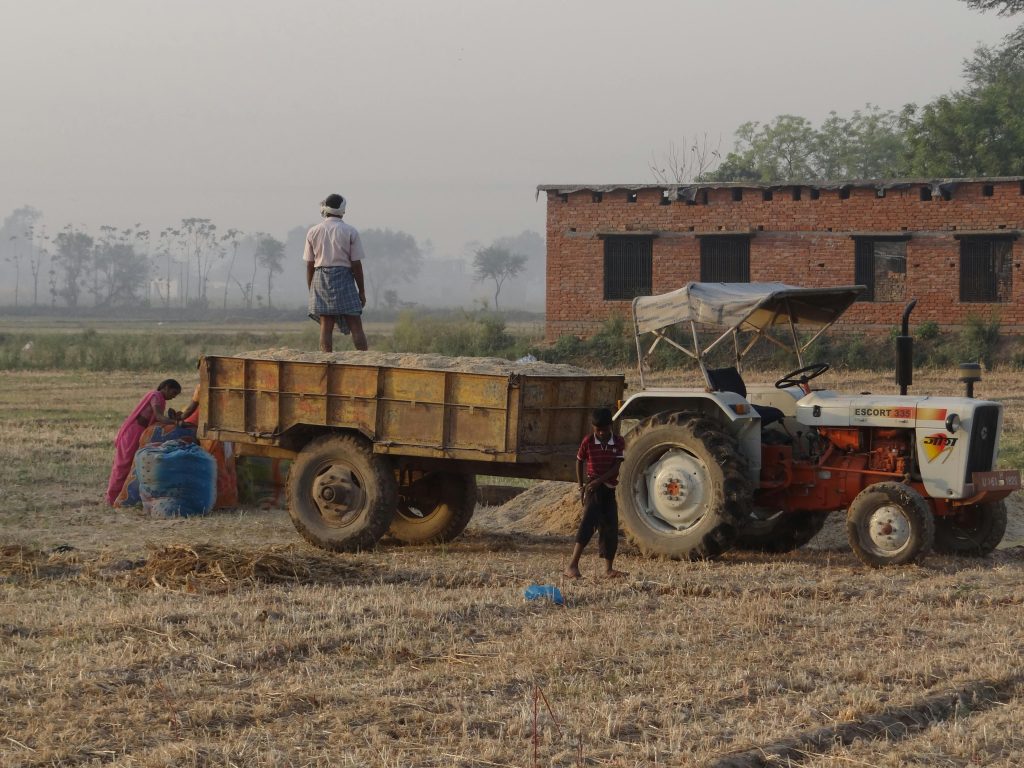
Once the harvest is done and the produce reaches a warehouse, it often feels like the job is complete.

The crop is safe, protected from weather and spoilage, and ready for sale.

But if you pause for a moment, there’s an interesting question here: Is that stored commodity just sitting there… or can it actually do more?

Because in today’s agricultural ecosystem, storage isn’t just about holding stock. Increasingly, it’s also about unlocking value from that stock.

And that’s where collateral management comes into the picture.

Storage Solves One Problem. Liquidity Is Another.

Warehousing has always been an important part of agriculture. It helps preserve quality, reduce losses, and manage supply across seasons.

But even with proper storage in place, one challenge remains – access to timely funds.

For many farmers and traders, the situation looks something like this:

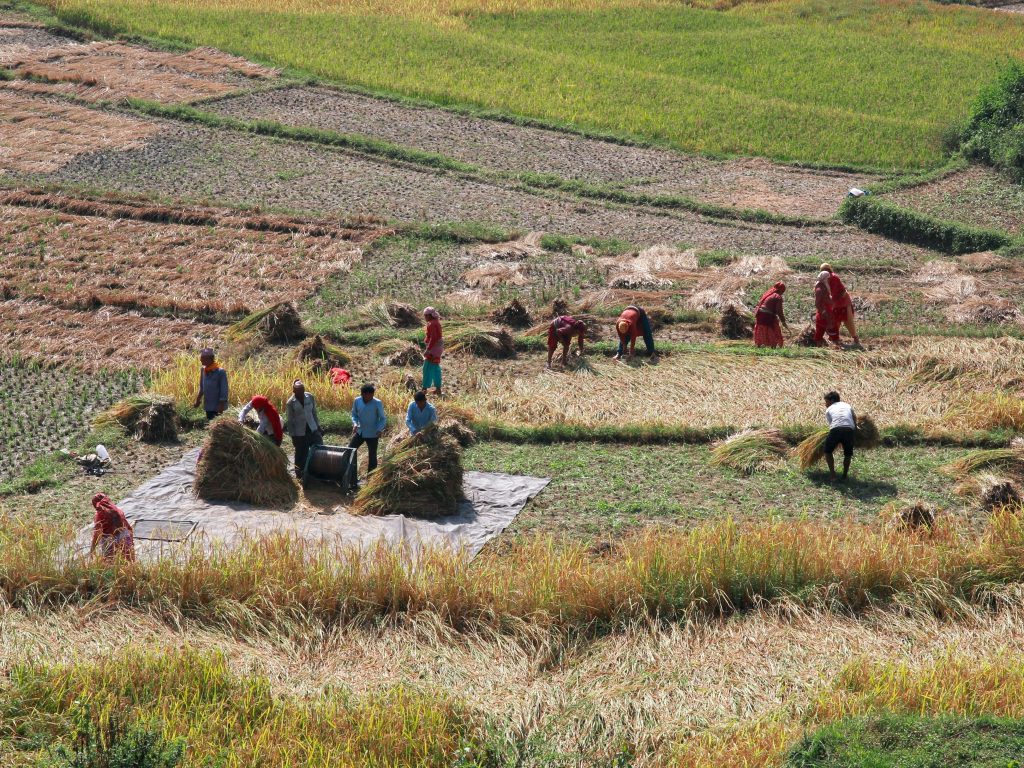
  • Harvest arrives, and supply in the market increases
  • Prices are relatively low during this period
  • Immediate expenses like repayments, operations, and procurement still need to be managed

This often leads to early selling, even when waiting could result in better prices.

At a broader level, the scale of agriculture makes this even more relevant:

  • India produced 357 million tonnes in 2025
  • At the same time, 78 million tonnes of food are wasted in India every year due to inefficiencies

So while production is strong, the way commodities are managed after harvest still has a big impact on value realisation.
So, What Changes with Collateral Management?

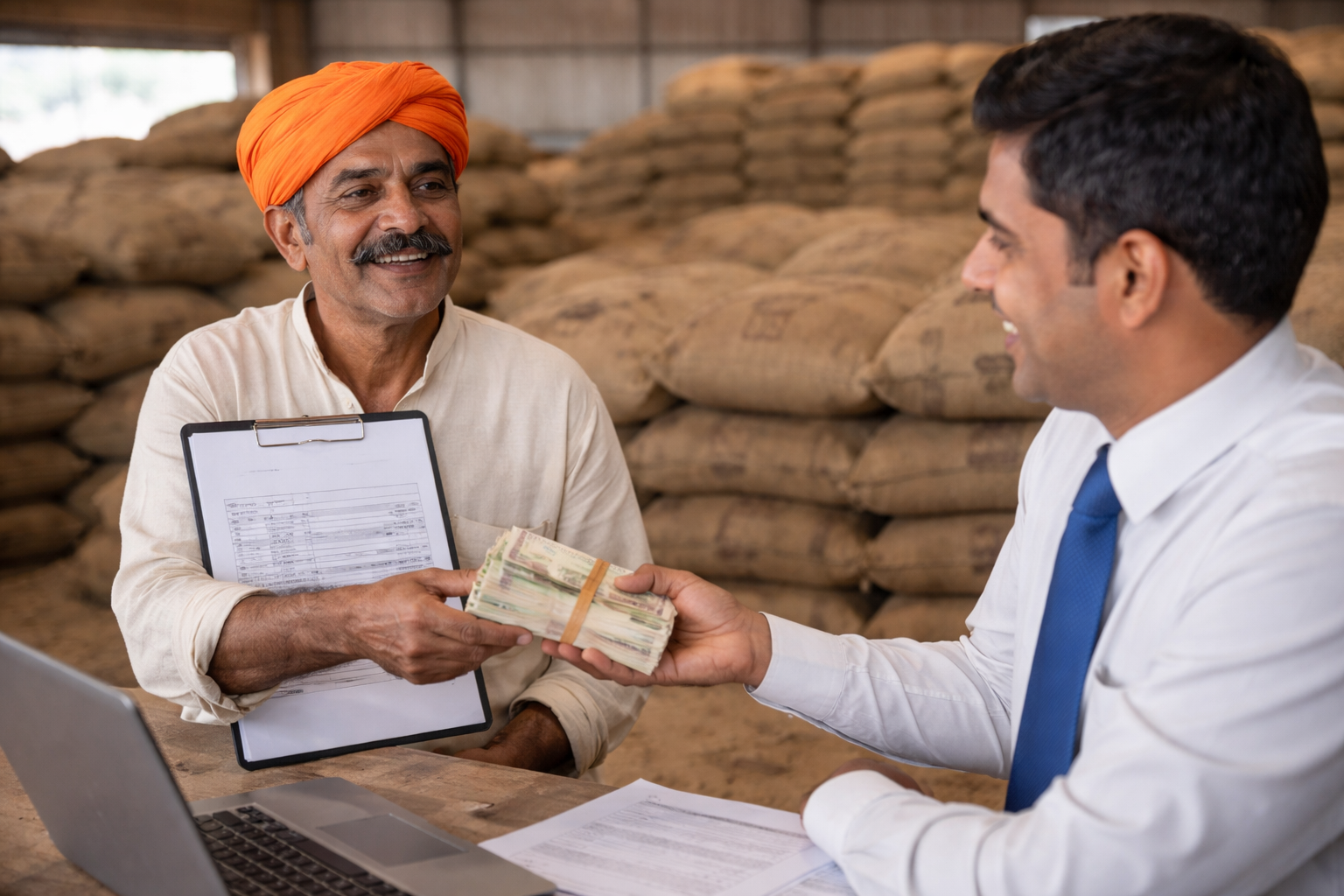
Collateral management essentially allows stored commodities to be used as a basis for accessing finance.

Instead of selling immediately, a farmer or trader can:

  • Store the commodity in a verified warehouse
  • Have it assessed and documented properly
  • Use it to access credit from financial institutions

This changes the role of storage quite significantly. The commodity becomes something that can support liquidity when it’s needed.

Some of the practical benefits include:

  • The ability to wait for better market prices
  • Improved cash flow management during key cycles
  • More structured and secure lending for financial institutions

It’s a fairly simple shift in concept, but it has a meaningful impact on how agricultural trade functions.

Why This Is Becoming More Relevant Now

Agriculture today is becoming more structured than before.

There is increasing focus on:

  • Organized warehousing
  • Transparent supply chains
  • Better integration between trade and finance

As these elements come together, the need to connect physical commodities with financial systems becomes more important.

Collateral management sits right at this intersection.

It helps bring a level of structure and confidence into the system, both for borrowers and lenders, by ensuring that the underlying asset (the commodity) is properly managed.
The Role of Technology in Making This Work

One reason collateral management is gaining more traction now is the use of technology.

Earlier, risks around storage quality, stock verification, and monitoring made lenders cautious.

Today, that’s changing with systems such as:

  • Digital inventory tracking, providing real-time visibility of stock
  • IoT-based monitoring, helping track storage conditions
  • Structured audit and reporting systems, ensuring consistency
  • Risk management frameworks, reducing uncertainty for lenders

These tools make the entire process more transparent and reliable. They also help scale the model across larger geographies and volumes.

How StarAgri Supports Collateral Management

As this ecosystem evolves, companies like StarAgri play a key role in making on-the-ground collateral management practical and dependable.

StarAgri’s approach combines infrastructure, processes, and financial enablement, ensuring that stored commodities can be effectively used within formal financial systems.

Its offerings include:

  • Scientific Warehousing Infrastructure: Warehouses are managed using standardised storage practices designed to maintain quality across different commodities and conditions.
  • End-to-End Collateral Management Services: This includes warehouse onboarding, stock verification, documentation, and ongoing monitoring, ensuring that commodities are properly assessed and recorded.
  • Inventory Monitoring and Risk Management: With structured systems in place, stock is continuously tracked and managed, providing visibility and reducing risk for lenders.
  • Support for Warehouse Receipt Financing: By enabling warehouse receipts to serve as collateral, StarAgri helps farmers, traders, and businesses access working capital without an immediate sale.
  • Process-Driven Operations and Compliance: Standard operating procedures and audit frameworks ensure consistency, transparency, and trust across all stakeholders.

Taken together, these services help create a system where storage is also financially meaningful.

Looking Ahead

As agriculture continues to evolve, the focus is gradually shifting from just production to how value is managed after production. Collateral management is a part of that shift. It doesn’t change how crops are grown. But it does change how they are used, financed, and monetised.

And as this system becomes more structured, the role of integrated players like StarAgri becomes increasingly important, bringing together storage, monitoring, and financial enablement to make the entire process more reliable and accessible.

FAQs

  1. What is collateral management in agriculture?
    Collateral management is the process of storing commodities in verified warehouses so they can be used as security to access loans.
  2. How does collateral management benefit farmers and traders?
    It helps them access funds without selling immediately, allowing better price realisation and improved cash flow management.
  3. What is warehouse receipt financing?
    It is a financing method where loans are provided against warehouse receipts issued for stored commodities.
  4. How does technology improve collateral management?
    Digital tracking, IoT monitoring, and real-time reporting improve transparency, reduce risks, and ensure better inventory control.
  5. How does StarAgri support collateral management?
    StarAgri provides scientific storage, inventory monitoring, risk management, and enables access to finance through structured collateral management services.

Disclaimer

The content published on this blog is provided solely for informational and educational purposes and is not intended as professional or legal advice. While we strive to ensure the accuracy and reliability of the information presented, StarAgri make no representations or warranties of any kind, express or implied, about the completeness, accuracy, suitability, or availability with respect to the blog content or the information, products, services, or related graphics contained in the blog for any purpose. Any reliance you place on such information is therefore strictly at your own risk. Readers are encouraged to consult qualified agricultural experts, agronomists, or relevant professionals before making any decisions based on the information provided herein. StarAgri, its authors, contributors, and affiliates shall not be held liable for any loss or damage, including without limitation, indirect or consequential loss or damage, or any loss or damage whatsoever arising from reliance on information contained in this blog. Through this blog, you may be able to link to other websites that are not under the control of StarAgri. We have no control over the nature, content, and availability of those sites and inclusion of any links does not necessarily imply a recommendation or endorsement of the views expressed within them. We reserve the right to modify, update, or remove blog content at any time without prior notice.
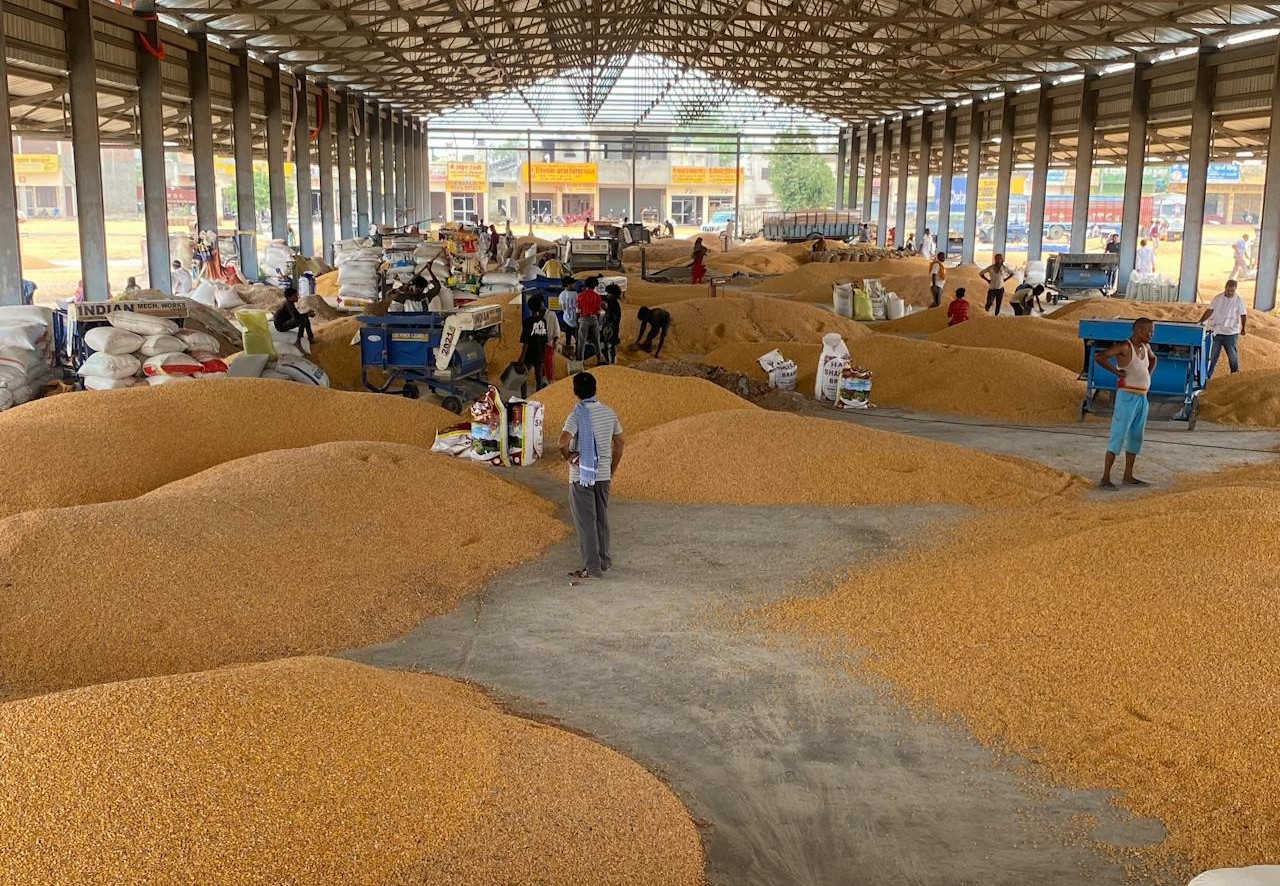
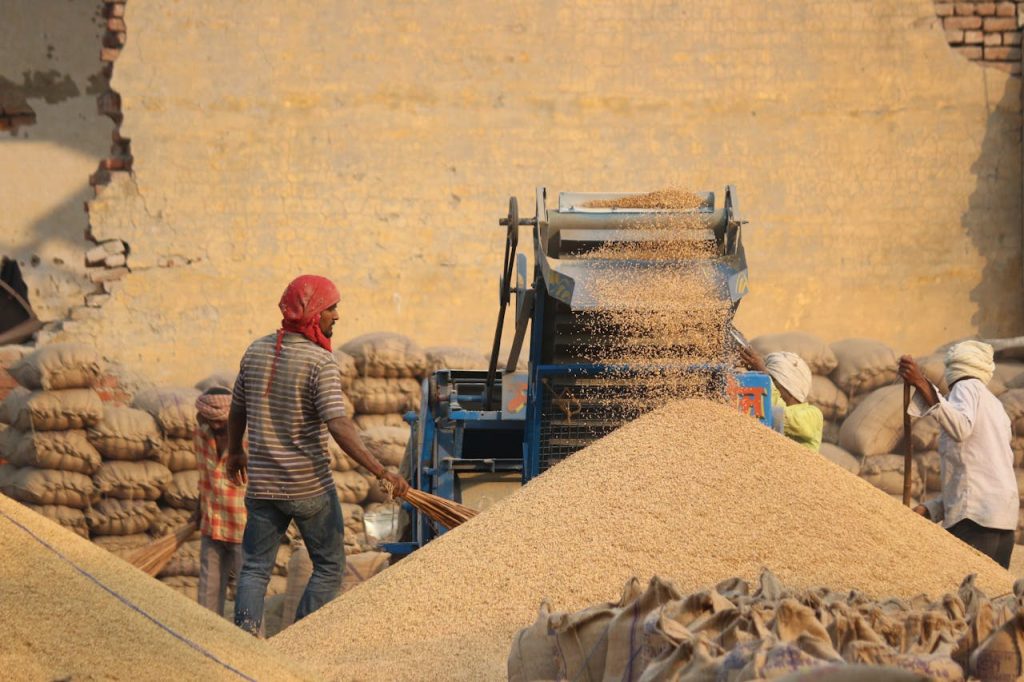
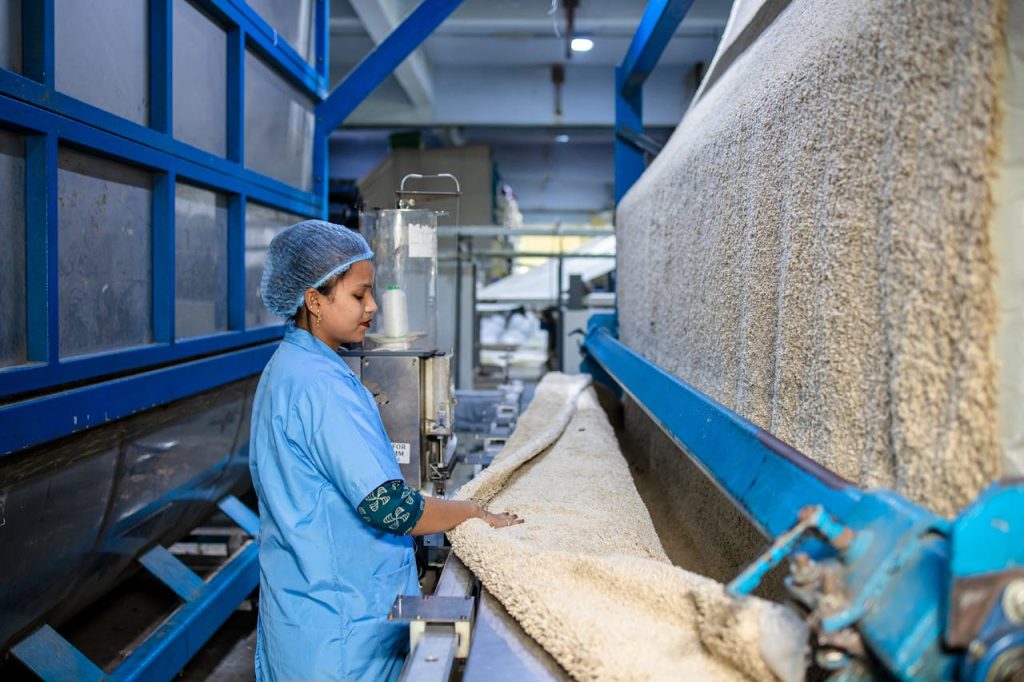
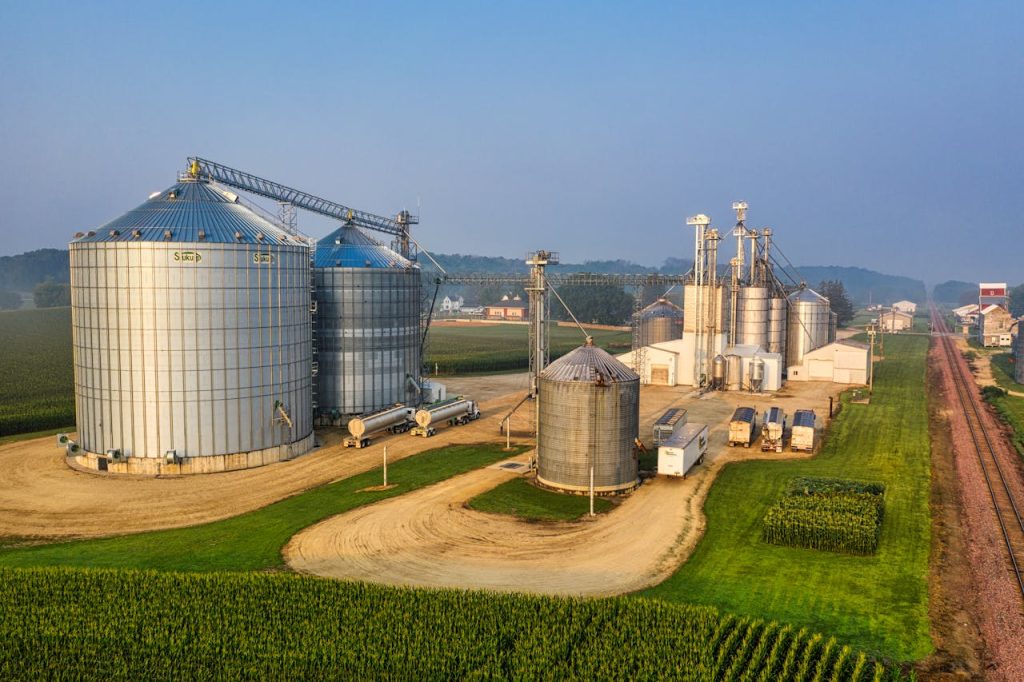
Today, effectively handling agricultural produce after harvest is just as important as growing it. That’s where commodity management takes centre stage, ensuring that what farmers produce is stored safely, valued precisely, financed efficiently, and connected to markets transparently. For organisations like StarAgri, this isn’t merely a service: it’s a strategic mission that supports farmers, traders, lenders, and agribusinesses across the value chain.

“According to the PHDCCI report, the foodgrain warehousing storage market is projected to grow from ₹37,336 crore in 2025-26 to ₹43,953 crore by 2030-31, driven by rising procurement needs, expanding PPP silo projects, and an active private warehousing industry.”

The next decade will witness major adoption of high-end technologies such as IoT-enabled climate monitoring, automated grain quality labs, blockchain-based traceability systems, and digital twins for predictive maintenance. These advancements will be critical to building a resilient, efficient agri-logistics backbone for India’s “Viksit Bharat @ 2047” vision.

The idea of commodity management goes beyond simple storage to include quality assurance, financing support, inventory monitoring, digitised market linkages, and deep data insights, all integrated to maximise value and minimise risk. In this article, we explore why commodity management matters, how StarAgri delivers it, and why it’s increasingly critical for modern agriculture.

What is commodity management in agriculture?

Commodity management refers to a set of services that help agricultural produce move from farm storage to market sale in the most efficient, secure, and value-accretive way possible. It covers physical storage, quality control, documentation, financing, and trade facilitation, orchestrating all elements that drive value realisation for stored agricultural commodities.

In India, this role has gained prominence due to persistent post-harvest losses and fragmented storage systems. A robust commodity management system can help reduce waste, improve market access, and unlock financial opportunities tied to stored produce.

Why commodity management isn’t just storage

Traditionally, warehousing was often limited to storing goods until they were sold. But modern commodity management services are far more strategic:

  • They ensure quality and quantity assurance, helping stakeholders trust stored inventory.
  • They enable collateral-linked financing, unlocking liquidity against stored produce.
  • They provide market and data insights, equipping farmers and traders with price trends and risk indicators.
  • They integrate technology and transparency for buyers, lenders, and storage operators.

With India’s warehousing industry projected to reach nearly USD 35 billion by 2027, propelled by digital adoption and modern logistics infrastructure, tech-enabled commodity management is becoming a critical differentiator across the value chain. (StarAgri)

How StarAgri’s commodity management services stand out

StarAgri began in 2006, focused on agri-warehousing and collateral management, and has since expanded into one of India’s most trusted integrated agri-services platforms. It now operates a pan-India network of over 2,200 scientific warehouses, with a total capacity of more than 5MMT, serving farmers, traders, processors, and institutional clients alike. (StarAgri)

Here’s how StarAgri’s commodity management services help agriculture stakeholders:

  • Scientific Warehousing & Storage: Before any agricultural commodity enters a warehouse, it undergoes quality and quantity testing. StarAgri’s facilities maintain pest-controlled environments, fumigation processes, and advanced inventory tracking, safeguarding produce and maintaining integrity throughout storage. (StarAgri)
  • Collateral Management: Stored commodities can become powerful financial assets. By partnering with over 24 leading banks and financial institutions, StarAgri enables institutions to extend credit against warehouse-receipted commodities, backed by systematic verification and documentation. This helps farmers and traders access financing without distress sales. (StarAgri)
  • Agri Financing solutions: Beyond warehouse receipt financing, StarAgri’s integrated services, through subsidiaries like Agriwise Finserv, help stakeholders unlock liquidity at competitive rates. The goal is to ensure more stakeholders have access to structured credit linked to real, quality-verified inventory. (StarAgri)
  • Market insights & Data-driven support: Commodity management today also means leveraging data. Through digital tools and platforms such as Agribazaar, stakeholders receive actionable insights on price movements, demand-supply dynamics, quality trends, and market outlooks, enabling smarter decisions across storage, finance, and trade. (StarAgri)
  • Technology-enabled transparency: With advanced tracking systems, IoT monitoring, and digital platforms, StarAgri ensures visibility into inventory conditions and transaction history, creating greater trust among lenders, buyers, and sellers.

Real-world impact and industry validation

StarAgri’s growth trajectory underpins the increasing relevance of structured commodity management. In FY25, the company reported 55% revenue growth, with cumulative warehouse receipt-backed financing of ₹1.5 lakh crore and credit disbursements of ₹9,000 crore. Its utilisation across warehousing infrastructure continues to expand alongside digital adoption. These figures underscore that commodity management services are not niche offerings; they are foundational to modern agricultural finance and trade. As more stakeholders expect liquidity, quality assurance, and seamless trade pathways, structured services like those offered by StarAgri become indispensable.

The future of commodity management

As agriculture markets evolve, commodity management will continue to expand in both scope and sophistication:

  • Digital marketplaces will connect surplus inventory with demand more efficiently.
  • Tech-driven analytics will help predict quality changes, demand surges, and pricing anomalies.
  • AI and IoT innovations will elevate how inventory is monitored and valued in real time.

For StarAgri, the ambition is to enable comprehensive, transparent, and accessible commodity management solutions that help agricultural stakeholders thrive, whether markets are stable or volatile.

Conclusion

Commodity management is more than storage. It’s a value-creation engine that turns harvested crops into economic opportunities. In an era where markets move fast and stakeholders need liquidity and insight, structured and tech-enabled services are no longer optional.
With its integrated approach to warehousing, financing, quality assurance, and market insights, StarAgri is helping redefine what commodity management means for Indian agriculture, transforming stored harvests into empowered decisions and profitable outcomes. By making commodity management accessible, reliable, and transparent, companies like StarAgri are shaping the way agricultural value is preserved and realised in 2025–26 and beyond.

FAQs

  • What are commodity management services in agriculture?
    Commodity management services include scientific storage, quality assurance, collateral management, financing support, and market insights that help agricultural produce retain value from harvest to sale.
  • How is commodity management different from traditional warehousing?
    While traditional warehousing focuses only on storage, commodity management integrates storage with quality control, financing, documentation, risk management, and market intelligence to maximise value and reduce losses.
  • Why is commodity management important for farmers and traders?
    It enables stakeholders to avoid distress sales, access warehouse-linked finance, monitor quality, and make informed selling decisions based on market trends and price movements.
  • How does technology improve commodity management services?
    Digital inventory tracking, IoT monitoring, and data analytics enhance transparency, reduce operational risks, and provide real-time visibility into stored commodities.
  • How does StarAgri support commodity management?
    StarAgri provides integrated services, including scientific warehousing, collateral management, agri-finance solutions, and market insights, creating a structured ecosystem that strengthens agricultural trade and liquidity.

Disclaimer

The content published on this blog is provided solely for informational and educational purposes and is not intended as professional or legal advice. While we strive to ensure the accuracy and reliability of the information presented, StarAgri make no representations or warranties of any kind, express or implied, about the completeness, accuracy, suitability, or availability with respect to the blog content or the information, products, services, or related graphics contained in the blog for any purpose. Any reliance you place on such information is therefore strictly at your own risk. Readers are encouraged to consult qualified agricultural experts, agronomists, or relevant professionals before making any decisions based on the information provided herein. StarAgri, its authors, contributors, and affiliates shall not be held liable for any loss or damage, including without limitation, indirect or consequential loss or damage, or any loss or damage whatsoever arising from reliance on information contained in this blog. Through this blog, you may be able to link to other websites that are not under the control of StarAgri. We have no control over the nature, content, and availability of those sites and inclusion of any links does not necessarily imply a recommendation or endorsement of the views expressed within them. We reserve the right to modify, update, or remove blog content at any time without prior notice.