


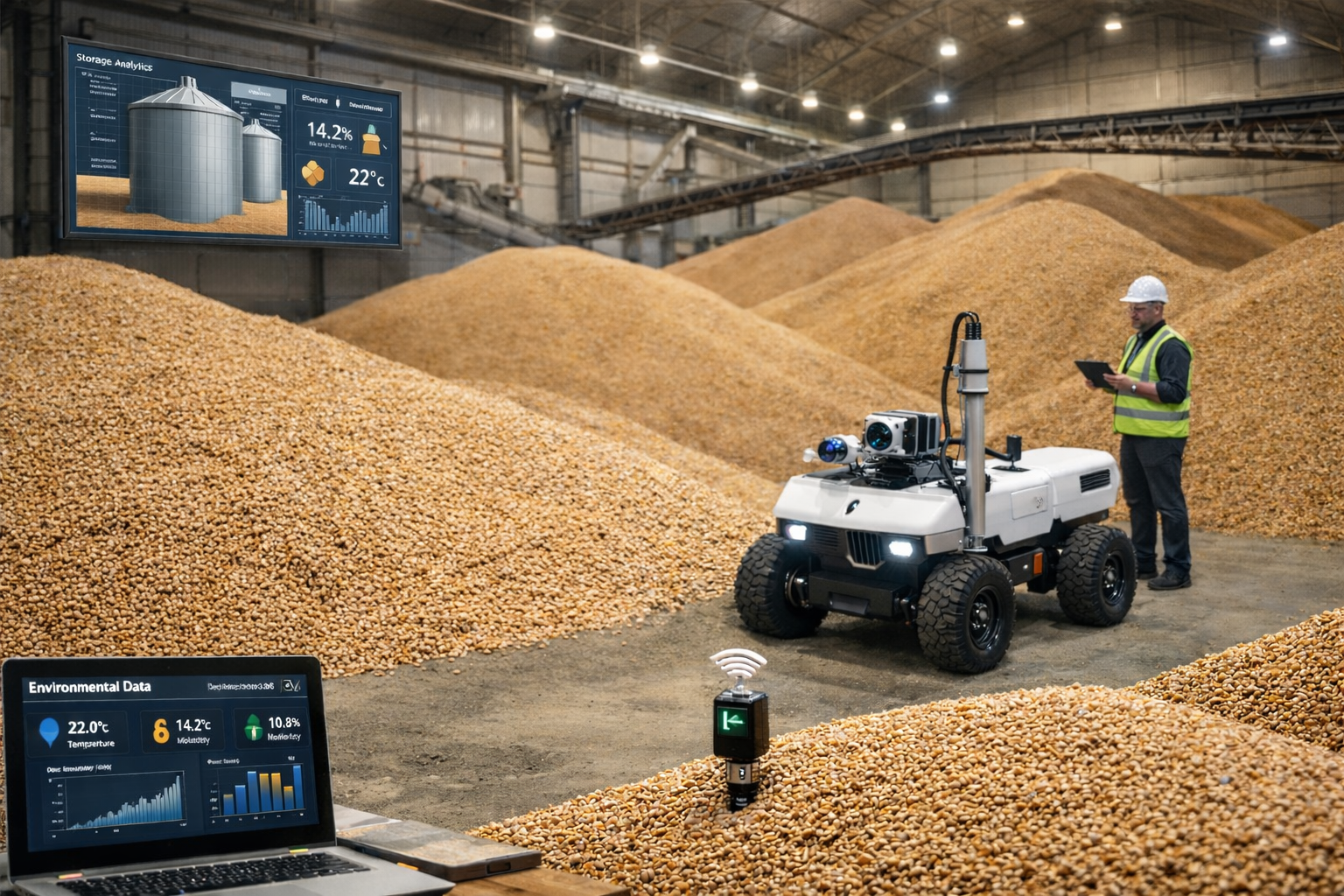
What happens to a crop after it leaves the farm? It’s a simple question, but one that defines the efficiency, profitability, and sustainability of India’s entire agricultural ecosystem.
Because growing food is only half the story. Moving it, storing it, preserving its quality, and financing it, that’s where the real complexity begins.
And increasingly, that complexity is being solved by technology.
The Invisible Backbone of Agriculture
India’s total food grain production has reached record levels, with the 2024-25 agricultural year estimated at over 3,540 lakh tonnes (354 million tonnes), highlighting a consistent upward trend. Despite this scale, inefficiencies in logistics and storage continue to cause significant losses.
India loses approximately 22% of its food grain output annually, amounting to around 74 Million Tonnes. These post-harvest losses (PHL) are largely due to inadequate storage, logistics, and handling, amounting to an economic loss of ₹1.53 trillion (USD 18.5 billion) annually.
So the question is: where does it all go wrong?
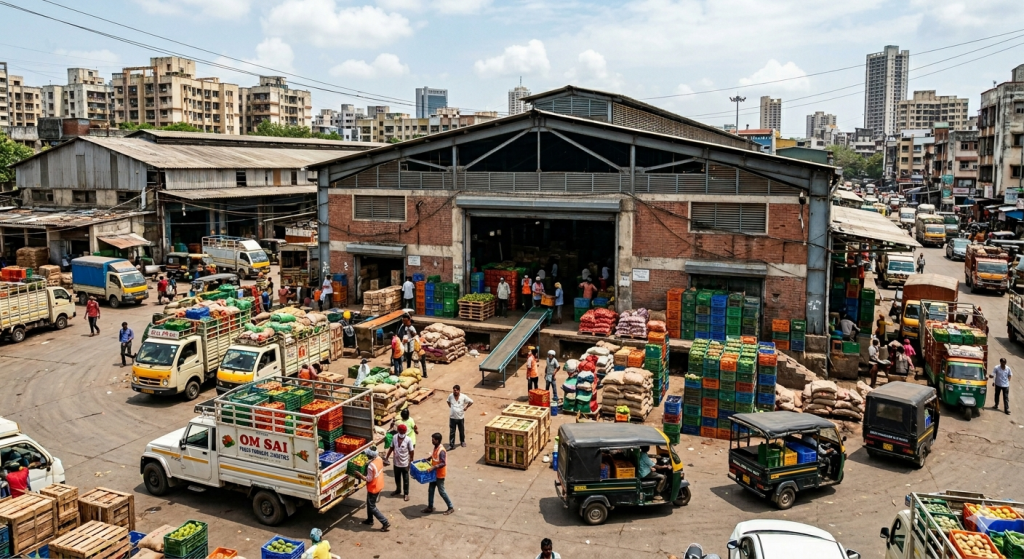
A large part of the challenge lies in fragmented supply chains, inadequate storage infrastructure, and limited visibility across the movement of goods. This is where logistics and warehousing become critical not just as support functions, but as the backbone of agricultural supply chains.
From Traditional Warehouses to Smart Infrastructure
For decades, warehousing in agriculture has been largely static, focused on physical storage with limited technological intervention. But today, that’s changing rapidly.
Modern warehouses are evolving into data-driven, tech-enabled hubs that do far more than just store commodities. They are becoming centres for:
- Real-time inventory tracking
- Quality monitoring
- Risk management
- Integrated financing
Technologies such as IoT sensors, digital inventory systems, and data analytics are enabling stakeholders to monitor stock levels, reduce spoilage, and optimise storage utilisation, redefining how agricultural commodities are managed.
Why Technology Matters More Than Ever
Agriculture operates under constant uncertainty: weather fluctuations, price volatility, and demand-supply mismatches. In such an environment, visibility and control become critical.
Technology brings both.
- Real-Time Tracking: Stakeholders can track inventory movement and availability across locations
- Quality Assurance: Sensors and monitoring tools help maintain storage conditions
- Data Integration: Seamless flow of information between farmers, warehouses, traders, and financiers
- Operational Efficiency: Reduced manual processes and faster decision-making
The global smart warehousing market size is projected to reach USD 40.5 billion by 2028, at a CAGR of 14.6% during the forecast period. India’s agri sector is now catching up, fast.
StarAgri: Enabling Tech-Driven Agri Infrastructure & Beyond
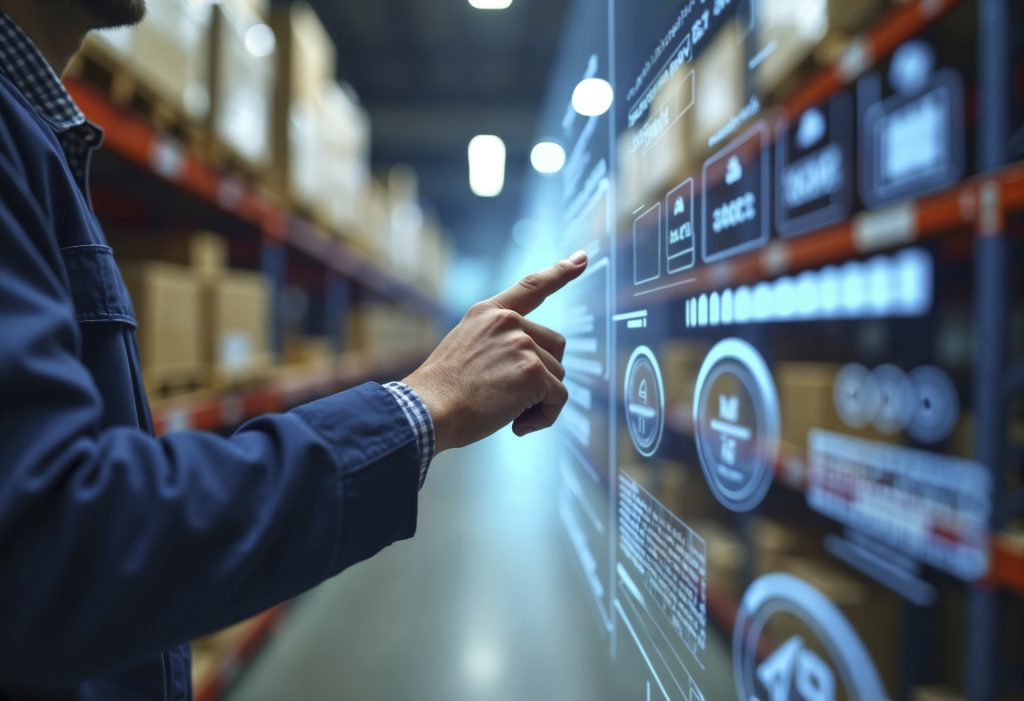
StarAgri has been playing a key role in building and managing agricultural supply chain infrastructure across India. But what sets it apart is its focus on integrating technology into traditional warehousing and logistics systems. Instead of viewing warehousing as just storage, StarAgri approaches it as a platform for efficiency, transparency, and financial enablement.
If warehousing is the foundation, technology is what connects and elevates the entire system.
At StarAgri, the focus goes beyond storage to build an integrated, tech-enabled ecosystem that supports commodities across their lifecycle.
- Collateral Management: Through standardised processes, digital documentation, and real-time monitoring, StarAgri ensures that stored commodities are secure and finance-ready. This reduces risk and builds confidence for lenders and borrowers alike.
- Star Labs: With scientific testing and standardised grading, Star Labs brings consistency and transparency to commodity quality, ensuring that what’s stored is accurately assessed and trusted.
- Procurement: Tech-enabled procurement systems help connect farmers to markets more efficiently, improving traceability, price discovery, and supply reliability.
- Logistics: Integrated logistics ensures smooth transportation across the supply chain, reducing delays, minimising losses, and improving operational efficiency.
- Digital Integration: From storage to finance, every layer is digitally connected, enabling real-time visibility, better decision-making, and a more transparent ecosystem.
Building the Future of Agri Supply Chains
As India continues to modernise its agricultural ecosystem, the role of logistics and warehousing will only become more critical. As the future will be built on infrastructure, it will also be built on intelligent infrastructure.
- Warehouses will not just store goods; they will generate data.
- Logistics networks will not just move commodities; they will enable visibility.
- And supply chains will not just connect stakeholders; they will empower them.
So, what happens to a crop after it leaves the farm? Increasingly, it enters a system that is becoming smarter, faster, and more connected.
With technology at its core, organisations like StarAgri are helping transform India’s agri logistics and warehousing ecosystem, turning traditional infrastructure into engines of efficiency and growth.
In modern agriculture, where success is about how much you produce, it is also about how well you manage everything that comes after.
FAQs
- What role does logistics play in India’s agricultural supply chain?
Logistics is critical in ensuring that agricultural produce moves efficiently from farms to markets. It directly impacts quality, pricing, and availability, making it a key factor in reducing post-harvest losses and improving supply chain efficiency. - How is technology transforming agri warehousing in India?
Technology enables real-time inventory tracking, quality monitoring, and data-driven decision-making. Modern warehouses are evolving into smart infrastructure that improves transparency, reduces losses, and enhances operational efficiency. - What services does StarAgri offer beyond warehousing?
StarAgri offers a comprehensive ecosystem including collateral management, quality testing through Star Labs, procurement services, and integrated logistics, creating a seamless agri supply chain solution. - What is collateral management and why is it important?
Collateral management ensures that stored commodities are securely monitored, quality-verified, and documented, making them eligible for financing. It builds trust between borrowers and lenders while reducing credit risk. - How does StarAgri support farmers and agri businesses?
By integrating infrastructure, technology, and finance (through agribazaar and Agriwise), StarAgri enables better storage, efficient market access, and easier access to credit, supporting stakeholders across the value chain.
