


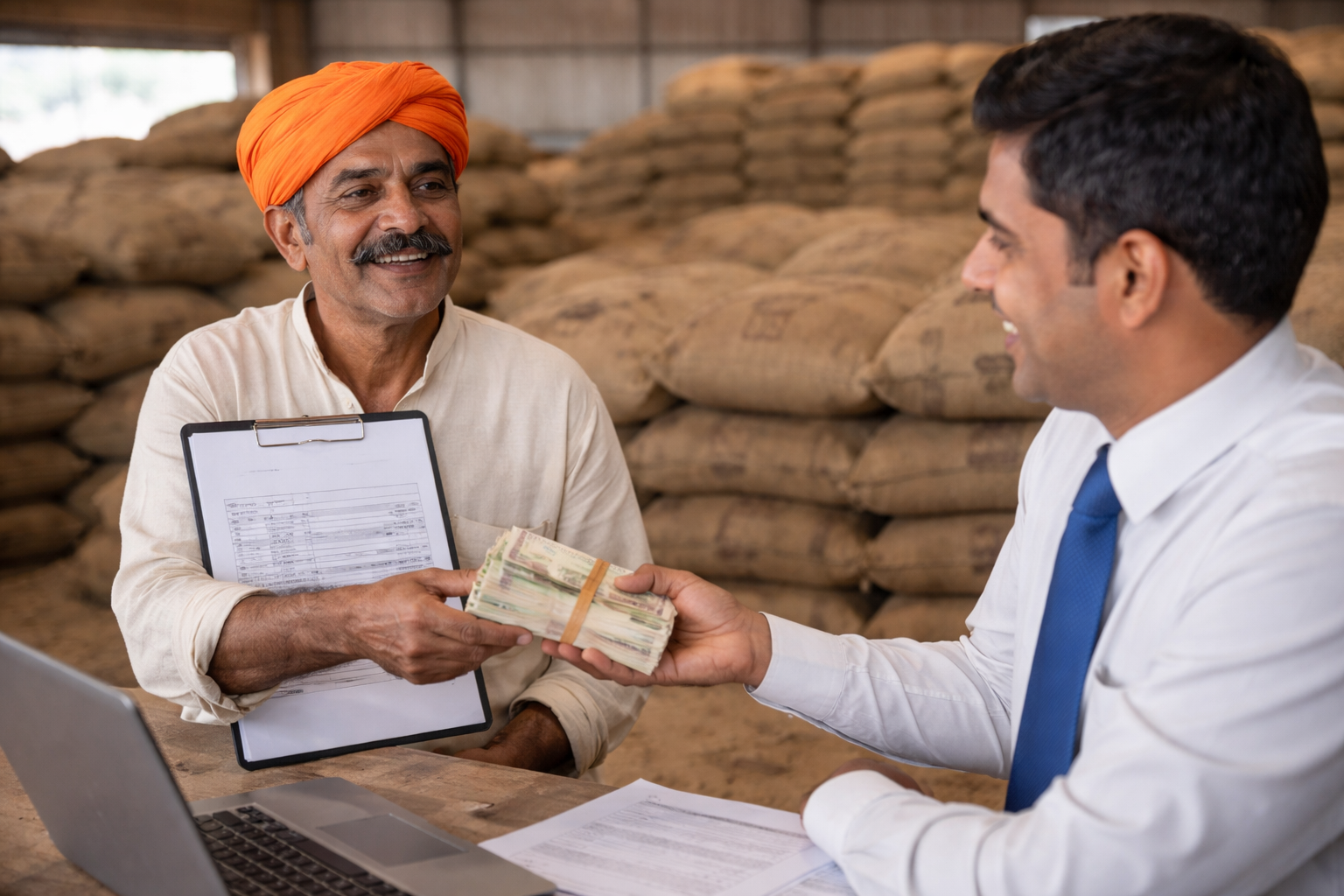
Once the harvest is done and the produce reaches a warehouse, it often feels like the job is complete.
The crop is safe, protected from weather and spoilage, and ready for sale.
But if you pause for a moment, there’s an interesting question here: Is that stored commodity just sitting there… or can it actually do more?
Because in today’s agricultural ecosystem, storage isn’t just about holding stock. Increasingly, it’s also about unlocking value from that stock.
And that’s where collateral management comes into the picture.
Storage Solves One Problem. Liquidity Is Another.
Warehousing has always been an important part of agriculture. It helps preserve quality, reduce losses, and manage supply across seasons.
But even with proper storage in place, one challenge remains – access to timely funds.
For many farmers and traders, the situation looks something like this:
- Harvest arrives, and supply in the market increases
- Prices are relatively low during this period
- Immediate expenses like repayments, operations, and procurement still need to be managed
This often leads to early selling, even when waiting could result in better prices.
At a broader level, the scale of agriculture makes this even more relevant:
- India produced 357 million tonnes in 2025
- At the same time, 78 million tonnes of food are wasted in India every year due to inefficiencies
So while production is strong, the way commodities are managed after harvest still has a big impact on value realisation.
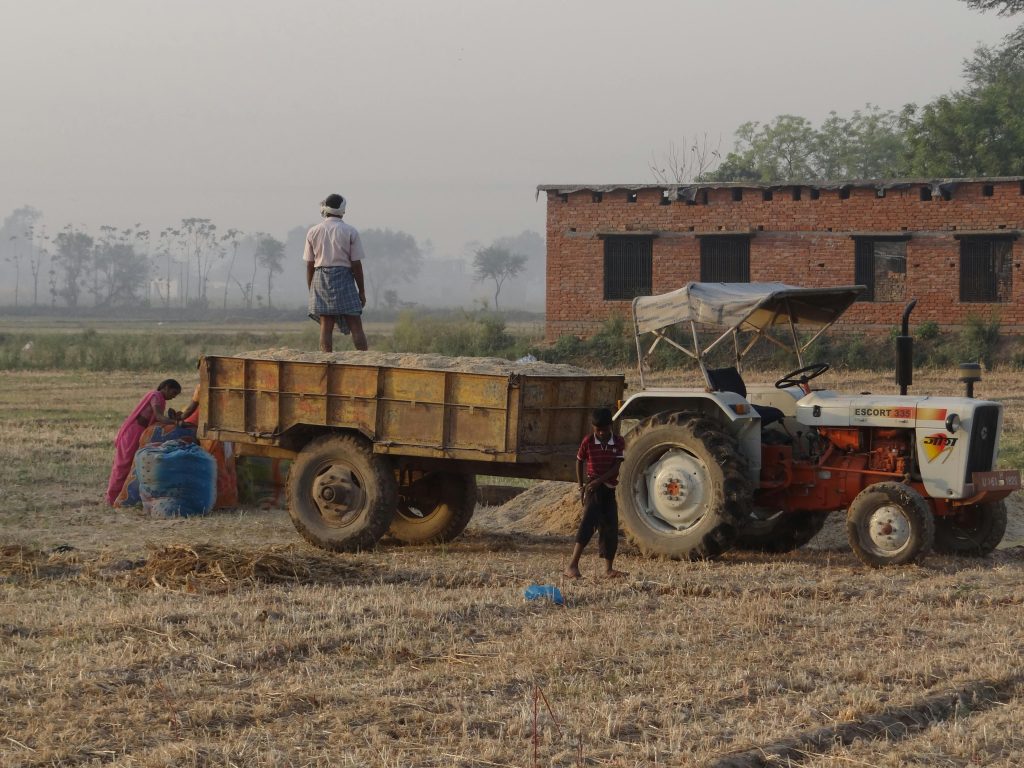
So, What Changes with Collateral Management?
Collateral management essentially allows stored commodities to be used as a basis for accessing finance.
Instead of selling immediately, a farmer or trader can:
- Store the commodity in a verified warehouse
- Have it assessed and documented properly
- Use it to access credit from financial institutions
This changes the role of storage quite significantly. The commodity becomes something that can support liquidity when it’s needed.
Some of the practical benefits include:
- The ability to wait for better market prices
- Improved cash flow management during key cycles
- More structured and secure lending for financial institutions
It’s a fairly simple shift in concept, but it has a meaningful impact on how agricultural trade functions.
Why This Is Becoming More Relevant Now
Agriculture today is becoming more structured than before.
There is increasing focus on:
- Organized warehousing
- Transparent supply chains
- Better integration between trade and finance
As these elements come together, the need to connect physical commodities with financial systems becomes more important.
Collateral management sits right at this intersection.
It helps bring a level of structure and confidence into the system, both for borrowers and lenders, by ensuring that the underlying asset (the commodity) is properly managed.

The Role of Technology in Making This Work
One reason collateral management is gaining more traction now is the use of technology.
Earlier, risks around storage quality, stock verification, and monitoring made lenders cautious.
Today, that’s changing with systems such as:
- Digital inventory tracking, providing real-time visibility of stock
- IoT-based monitoring, helping track storage conditions
- Structured audit and reporting systems, ensuring consistency
- Risk management frameworks, reducing uncertainty for lenders
These tools make the entire process more transparent and reliable. They also help scale the model across larger geographies and volumes.
How StarAgri Supports Collateral Management
As this ecosystem evolves, companies like StarAgri play a key role in making on-the-ground collateral management practical and dependable.
StarAgri’s approach combines infrastructure, processes, and financial enablement, ensuring that stored commodities can be effectively used within formal financial systems.
Its offerings include:
- Scientific Warehousing Infrastructure: Warehouses are managed using standardised storage practices designed to maintain quality across different commodities and conditions.
- End-to-End Collateral Management Services: This includes warehouse onboarding, stock verification, documentation, and ongoing monitoring, ensuring that commodities are properly assessed and recorded.
- Inventory Monitoring and Risk Management: With structured systems in place, stock is continuously tracked and managed, providing visibility and reducing risk for lenders.
- Support for Warehouse Receipt Financing: By enabling warehouse receipts to serve as collateral, StarAgri helps farmers, traders, and businesses access working capital without an immediate sale.
- Process-Driven Operations and Compliance: Standard operating procedures and audit frameworks ensure consistency, transparency, and trust across all stakeholders.
Taken together, these services help create a system where storage is also financially meaningful.

Looking Ahead
As agriculture continues to evolve, the focus is gradually shifting from just production to how value is managed after production. Collateral management is a part of that shift. It doesn’t change how crops are grown. But it does change how they are used, financed, and monetised.
And as this system becomes more structured, the role of integrated players like StarAgri becomes increasingly important, bringing together storage, monitoring, and financial enablement to make the entire process more reliable and accessible.
FAQs
- What is collateral management in agriculture?
Collateral management is the process of storing commodities in verified warehouses so they can be used as security to access loans. - How does collateral management benefit farmers and traders?
It helps them access funds without selling immediately, allowing better price realisation and improved cash flow management. - What is warehouse receipt financing?
It is a financing method where loans are provided against warehouse receipts issued for stored commodities. - How does technology improve collateral management?
Digital tracking, IoT monitoring, and real-time reporting improve transparency, reduce risks, and ensure better inventory control. - How does StarAgri support collateral management?
StarAgri provides scientific storage, inventory monitoring, risk management, and enables access to finance through structured collateral management services.
