


Agriculture is the backbone of many economies, and a venture of uncertainties, unstable prices in the market, uncertain weather, and seasonal liquidity often leave farmers with a cash crunch. Credit can be a welcome relief, but getting it is not always that simple, particularly when conventional lenders insist on fixed assets. But wait.. there’s another option!
Agricultural commodities serve as good financial instruments, functioning as collateral to secure credit. This allows farmers and agricultural businesses to take credit without necessarily selling their produce immediately, giving them a stronger grip on money and market decisions. So, what commodities make good collateral? Let’s explore key categories that financial institutions commonly accept.
What Types of Agricultural Commodities Are Accepted as Collateral?
1. Cereal Grains
Cereal grains are one of the most widely accepted forms of collateral due to their long shelf life, high demand, and relatively stable market prices. These grains are essential food staples globally, making them reliable assets for securing credits. Key grains used as collateral include:
- Wheat – A fundamental crop with large-scale global consumption, wheat remains a safe and widely accepted commodity in collateral management.
- Rice – Rice, as a staple food, is important, especially in Asian and African markets.
- Maize (Corn) – Used for human consumption, animal feed, and industrial applications.
- Barley – Important for brewing and animal feed, the dual-purpose nature of barley increases its collateral value.
2. Pulses and Legumes
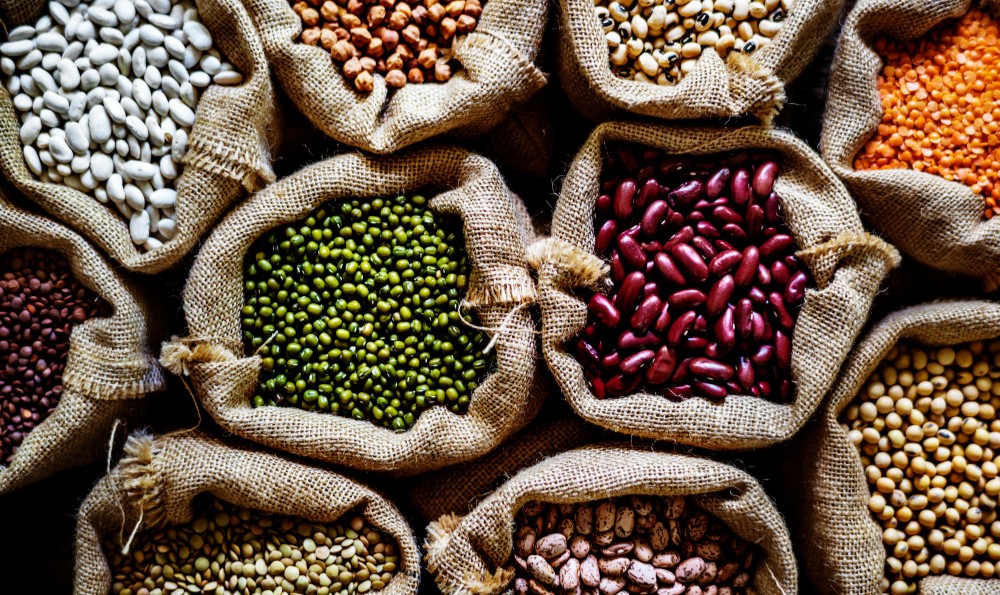
Pulses and legumes are high-protein, nutrient-rich crops widely traded and stored, making them ideal collateral assets. Their global demand for direct consumption and food processing strengthens their appeal in agricultural financing. Notable examples include:
- Lentils – Lentils and Pulses, which are included in the diet in many areas, are easy to store and have stable market demand.
- Chickpeas – Consumed in various forms worldwide, gram is highly valued in local and international markets.
- Beans (Kidney Beans, Black Beans, etc.) – Popular globally.
- Peas – A key ingredient in processed foods and livestock feed.
3. Oilseeds
Oilseeds are highly valuable commodities because they are crucial in edible oil production, animal feed, and industrial applications. These crops have strong market demand and are commonly accepted as collateral:
- Soybean – A globally traded crop with diverse applications, soybean is a highly liquid asset.
- Rapeseed & Mustard Seeds – There is a constant demand for these seeds used in oil production in the market.
- Groundnuts (Peanuts) – Valued for oil production and direct consumption as snacks.
- Sunflower Seeds – Valued for oil extraction, sunflower seeds are reliable collateral commodities.
4. Spices and Cash Crops
High value crops with stable market demand and long shelf life make excellent collateral options. These include:
- Turmeric – A spice widely used in food and traditional medicine.
- Black Pepper – A valuable commodity with international demand.
- Cardamom – A premium spice primarily grown for export markets.
- Coffee & Cocoa – Essential cash crops that are major players in global trade and have consistently high value.
5. Cotton and Other Fiber Crops
Cotton and other fiber crops, especially those essential to the textile industry, are widely accepted as collateral because of their long storage life and steady demand. Key examples include:
- Raw Cotton – Has a stable market due to demand from the textile industry.
- Jute – Jute is a valuable secondary asset used in packaging, handicrafts, and durable products.
6. Horticultural Produce (Under Controlled Conditions)
Though perishability limits their collateral use, certain horticultural products can be used as collateral if stored in controlled environments like cold storage facilities. Examples include:
- Onions & Potatoes – Can be stored for extended periods.
- Apples & Citrus Fruits – When preserved in cold storage, these fruits retain value and market demand.
- Tea & Coffee – High value crops with long shelf lives and global market importance.

The Role of Collateral Management in Agri Financing
Collateral management is essential in agricultural financing, as it converts valuable agricultural assets into secured collateral. This strategic process reduces risk for lenders by ensuring stored commodities maintain their quality and market value. At the same time, it empowers farmers and agribusinesses to unlock liquidity, improve cash flow, and access better credit terms. Transparent asset valuation and diligent risk assessment promote sustainable growth in the agriculture sector. Strong collateral management practices foster innovation and ensure long-term financial stability in a dynamic market—a winning lead.
Conclusion
Access to finance is essential for the growth and sustainability of agriculture. Farmers and traders can use agricultural commodities as collateral to unlock financing opportunities, increase operational flexibility, and address seasonal cash flow challenges. As collateral management services evolve, this form of financing will continue to empower the agricultural sector, driving growth and resilience in rural economies.
FAQs
1. What are agricultural commodities used as collateral?
Agricultural commodities used as collateral are farm produce such as grains, pulses, oilseeds, cotton, spices, and other stored crops that can be pledged to secure financing. These commodities help farmers and agribusinesses access credit without immediately selling their produce.
2. Why are cereal grains commonly accepted as collateral?
Cereal grains such as wheat, rice, maize, and barley are widely accepted because they have a long shelf life, strong market demand, and relatively stable prices. These characteristics make them reliable assets for lenders.
3. How does collateral financing benefit farmers?
Collateral financing allows farmers to obtain working capital while retaining ownership of their produce. This helps them manage cash flow, avoid distress sales, and sell their commodities when market prices are more favorable.
4. Can perishable agricultural products be used as collateral?
Yes, certain perishable commodities such as potatoes, onions, apples, and citrus fruits can be used as collateral if they are stored in appropriate cold storage facilities that help preserve their quality and value.
5. What is the role of collateral management in agricultural financing?
Collateral management ensures that pledged commodities are properly stored, monitored, and valued throughout the financing period. This reduces risk for lenders while helping farmers and agribusinesses access credit more efficiently and on better terms.
Disclaimer
The content published on this blog is provided solely for informational and educational purposes and is not intended as professional or legal advice. While we strive to ensure the accuracy and reliability of the information presented, StarAgri make no representations or warranties of any kind, express or implied, about the completeness, accuracy, suitability, or availability with respect to the blog content or the information, products, services, or related graphics contained in the blog for any purpose. Any reliance you place on such information is therefore strictly at your own risk. Readers are encouraged to consult qualified agricultural experts, agronomists, or relevant professionals before making any decisions based on the information provided herein. StarAgri, its authors, contributors, and affiliates shall not be held liable for any loss or damage, including without limitation, indirect or consequential loss or damage, or any loss or damage whatsoever arising from reliance on information contained in this blog. Through this blog, you may be able to link to other websites that are not under the control of StarAgri. We have no control over the nature, content, and availability of those sites and inclusion of any links does not necessarily imply a recommendation or endorsement of the views expressed within them. We reserve the right to modify, update, or remove blog content at any time without prior notice.
