


Ask any farmer what happens right after harvest, and you’ll hear some version of the same story: the crop is in, the mandi is flooded with everyone else’s produce too, prices dip, and there’s an urgent need for cash to cover the next round of input costs. So the produce gets sold anyway, often at a price the farmer knows isn’t the best one available. This is the distress sale cycle, and it’s one of the quiet, persistent drains on farm incomes across India.
Warehousing, real, scientific, well-managed storage, is one of the most effective ways to break that cycle. And it does more than just protect grain from rot and pests. Done right, it becomes a genuine financial tool.
The scale of the problem
India loses an estimated 74 million tonnes of food every year, which works out to around 22% of the country’s foodgrain output, largely due to gaps in storage, transport, and supply chain infrastructure. Losses are steepest for perishables, fruits, vegetables, and animal produce, but even staple grains see meaningful spoilage without proper storage conditions.
In monetary terms, some estimates put the value of India’s annual post-harvest losses at over ₹1.5 lakh crore, driven by inefficiencies across storage, transportation, and processing. Whichever figure you anchor to, the takeaway is the same: storage gaps are costing Indian agriculture an enormous amount every single year.
Why liquidity, not just spoilage, is the real issue
It’s tempting to think of warehousing purely as a way to stop crops from rotting. But the deeper problem is often financial. Farmers frequently need cash immediately after harvest for the next season’s seeds, for outstanding debts, and for household expenses. Without storage or financing options, the only lever available is to sell now, at whatever price the market offers that week.
This is where the connection between warehousing and cash flow becomes clear.
When a farmer has access to a certified warehouse, the produce itself becomes an asset that can generate liquidity without being sold. A warehouse receipt, proof that a certain quantity and quality of produce is safely stored, can be used as collateral for a loan. That means a farmer can get working capital now, while still holding onto the produce and waiting for a better selling price later.
How this plays out in practice
- Breaking the distress-sale cycle: Instead of dumping produce onto a glutted post-harvest market, farmers can store it and sell in phases, or wait for seasonal price recovery. All while accessing credit against the stored stock in the meantime.
- Unlocking working capital: Loans against warehouse receipts typically cover a significant share of the commodity’s market value, giving farmers funds for input costs, labour, or transport without liquidating their harvest. Agriwise offers tailored working capital solutions.
- Reducing quality-related losses: Scientific storage, proper temperature and moisture control, and pest management protect produce value over time, so what eventually reaches the market is worth more, not less.
- Formalising farmer credit access: Warehouse receipt financing pulls farmers further into the formal credit ecosystem, an important shift in a country where institutional credit still doesn’t reach every corner of the farm economy.
Policy is also nudging things in this direction. Programmes like the Agriculture Infrastructure Fund are specifically aimed at building out warehousing and storage capacity, and India’s broader agricultural credit targets, projected to cross ₹32.5 lakh crore for FY 2025–26, increasingly factor in storage-linked financing as a growth lever.

StarAgri’s role in closing the gap
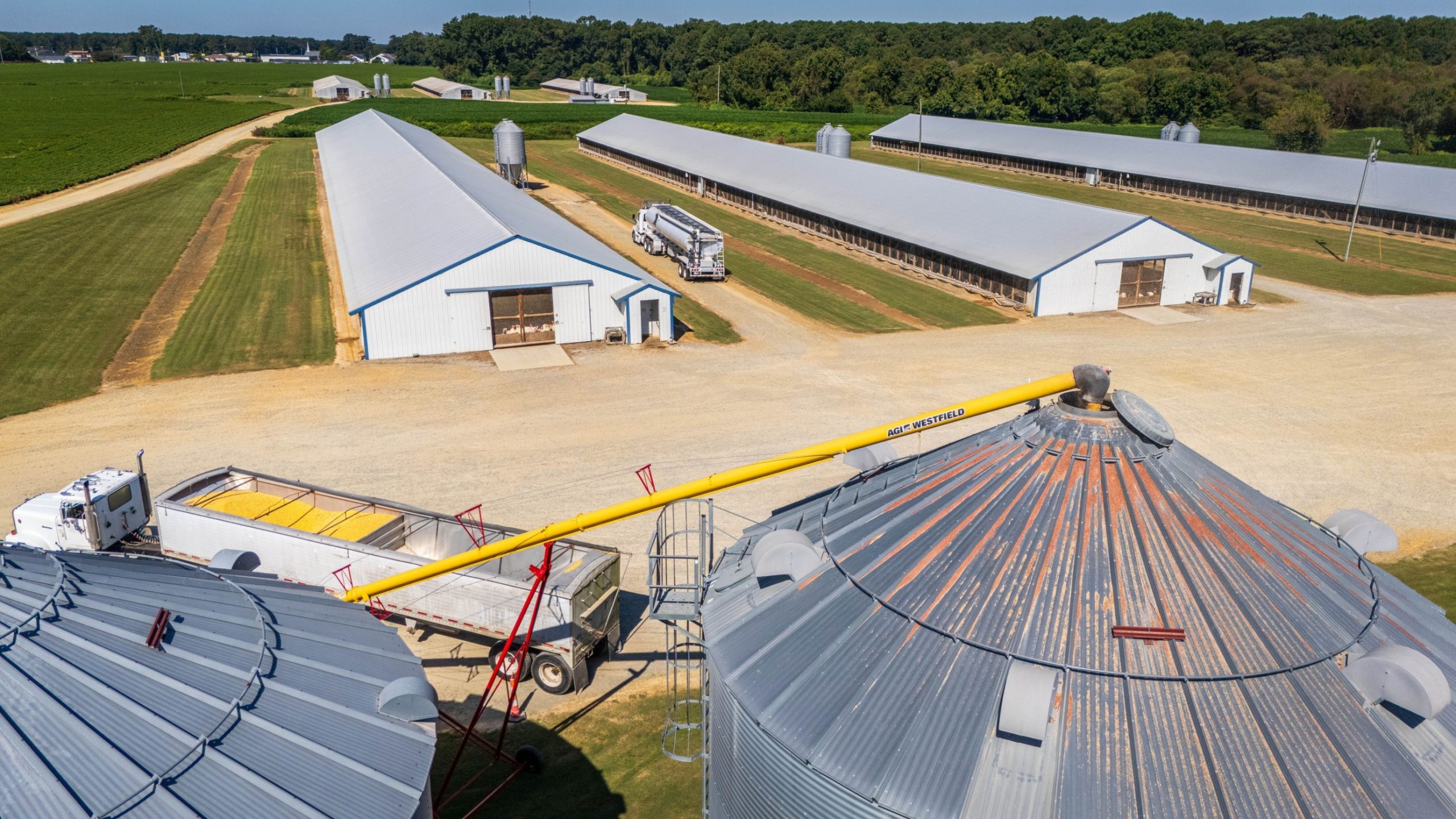
StarAgri has built its infrastructure specifically around this problem, offering scientific warehousing, quality testing, and post-harvest management services designed to protect produce value and give farmers and agribusinesses more control over when and how they sell. With a pan-India footprint of 2300+ storage facilities and technology-backed services, StarAgri helps farmers move away from reactive, distress-driven selling toward more strategic, better-timed decisions, protecting both the harvest and the household budget.
Conclusion
Warehousing sits at the centre of one of Indian agriculture’s most persistent financial pain points. As storage infrastructure expands and warehouse receipt financing becomes more widely understood and used, the farmers who take advantage of it stand to gain on two fronts at once: better prices for their produce and steadier cash flow in the months between harvests.
FAQs
- What is a warehouse receipt?
It’s a document issued by a certified warehouse confirming the quantity and quality of produce stored there. It can be used as collateral to access credit.
- How much of a produce’s value can a farmer typically borrow against?
This varies by lender and commodity, but loans are generally extended against a substantial share of the market value of the stored produce.
- Does storing produce longer always mean a better price?
Not always. Prices depend on market conditions, but storage gives farmers the option to time their sale rather than being forced into it immediately after harvest.
- Who is eligible for warehouse receipt financing?
Eligibility typically extends to individual farmers, Farmer Producer Organisations, Self Help Groups, and agri-traders, as long as produce is stored in a certified or accredited warehouse.
- What crops or commodities can be stored under this system?
A wide range of grains, oilseeds, and other non-perishable agricultural commodities are eligible, though the specific list depends on the warehouse and financing institution involved.
