

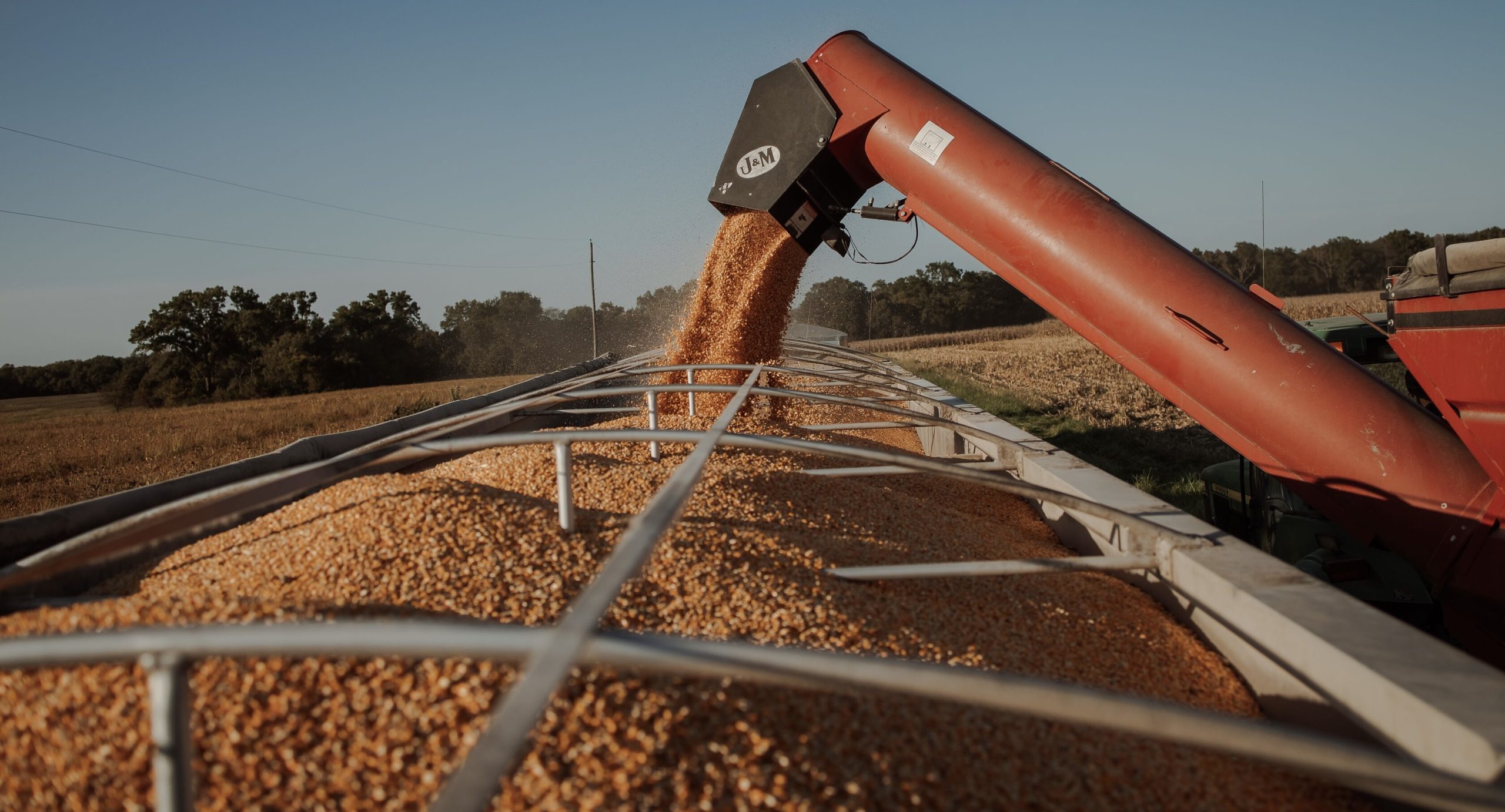
Buyers, regulators, and export markets are no longer satisfied with a grain sack showing up on time. They want to know how it was grown, who grew it, and what it cost the environment to get there. Procurement, once treated as a back-office cost function, has now become the control point for whether entire agri supply chains are sustainable supply chains or not.
Procurement is not just about price
For decades, agricultural procurement was optimised for one variable: cost. Buy low, store efficiently, sell at a margin. That model is breaking down.
Today, over 30% of global agri-food buyers actively insist on traceable, low-carbon produce before they’ll even open a purchase order, turning sustainable sourcing from a nice-to-have into a genuine export requirement for Indian producers and aggregators.
At the same time, India has become one of the fastest-improving markets globally on sustainable procurement metrics, posting a 16-point gain over a recent four-year stretch, ahead of established markets like France and Finland. That’s a strong signal, but it comes with a catch.
While a majority of enterprise buyers have already adopted AI tools to manage procurement decisions and validate carbon data, a large share of suppliers still can’t provide reliable emissions or sourcing data at all. The infrastructure to prove sustainability hasn’t caught up with the demand for it.
Why procurement for sustainability
It’s easier to think sustainability starts and ends at the farm. In reality, procurement decisions ripple through the entire chain:
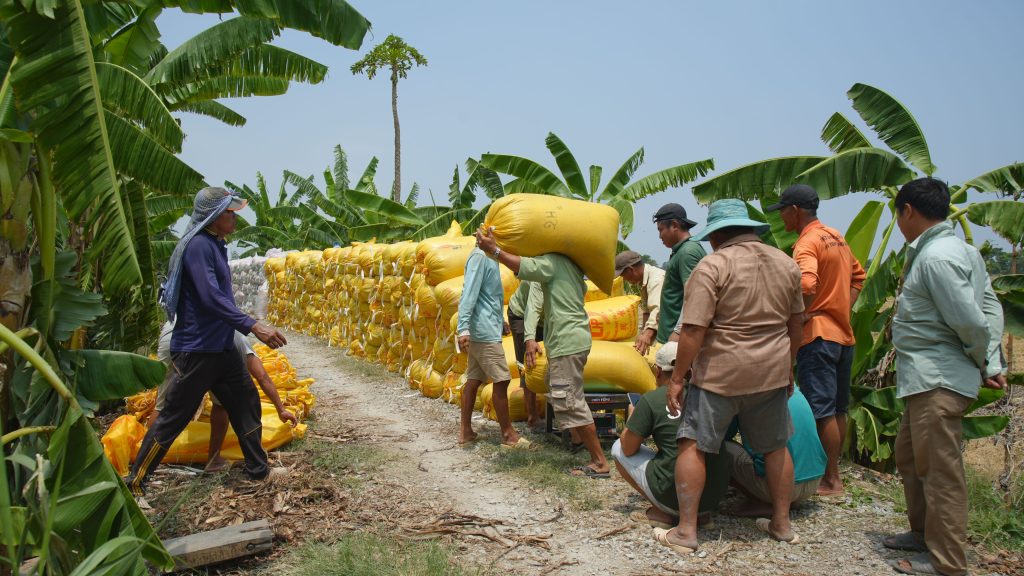
- Aggregation reduces waste: When procurement is structured around Farmer Producer Organisations (FPOs) rather than fragmented middlemen, it consolidates output from small and marginal farmers, improves their bargaining power, and cuts the transaction losses that typically occur at multiple handling points.
- Contract farming stabilises supply: Pre-agreed procurement terms give farmers assured off-take and stable pricing, which reduces the incentive for distress selling and the crop losses that come with poor post-harvest handling.
- Traceability drives supplier accountability: When a buyer demands documented sourcing, it doesn’t just satisfy a compliance checkbox but pushes better practices further down the chain than any single farm-level intervention could.
- Storage and logistics protect what’s already produced: A meaningful share of India’s agricultural output is still lost between farm and final buyer due to inadequate storage and cold chain infrastructure, losses that smarter procurement planning, tied to reliable storage capacity, can directly reduce.
The technology layer changing procurement
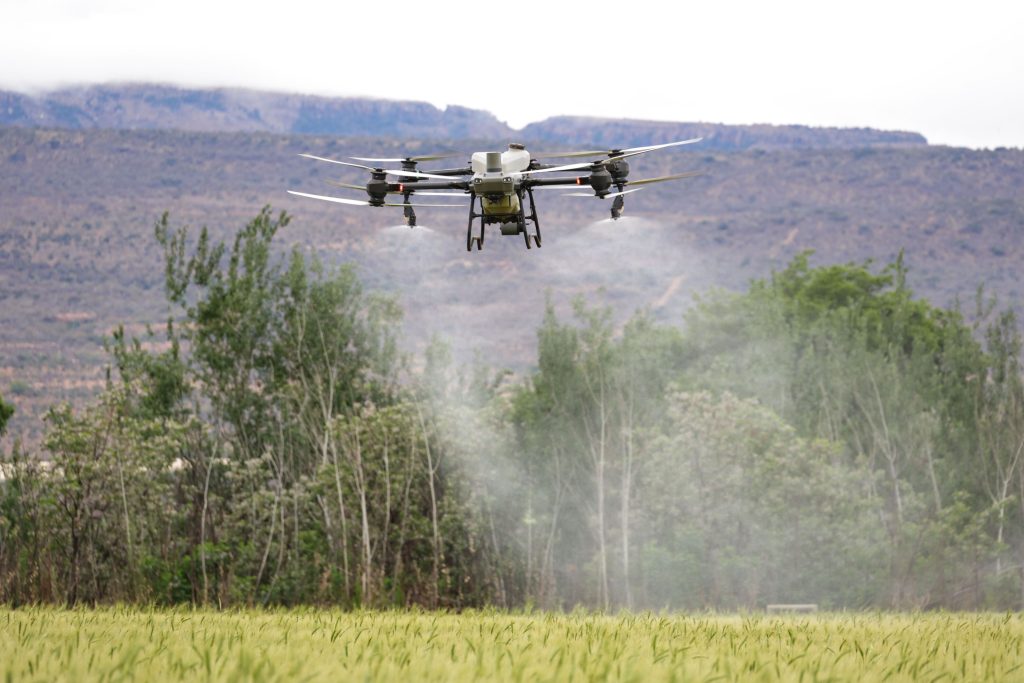
AI-powered platforms are reshaping how procurement decisions get made. Enabling predictive analytics for cropping and demand cycles, pricing models that reduce volatility, and direct farmer-to-buyer linkages that cut out layers of middlemen. Blockchain-backed traceability is also moving from pilot projects to standard practice for exporters who need to prove a clean, documented chain from farm gate to port.
StarAgri’s role
Procurement for sustainable supply chains only works when a reliable partner is managing the physical and informational chain between farmer and buyer. StarAgri’s procurement and collateral management services are built around exactly that – aggregating produce at scale, ensuring quality assessment and grading at the point of procurement, and maintaining the storage and warehousing infrastructure needed to prevent post-harvest losses.
By combining on-ground procurement expertise with structured quality control, StarAgri helps buyers source with confidence and helps farmers get fair, timely off-take.
Procurement was always behind the sustainable supply chains, and in the present, it’s also becoming the proof point for whether those agri value chains are actually sustainable.
FAQs
- Why is agriculture procurement considered central to sustainable supply chains?
Procurement decisions determine which farmers get aggregated, how produce is quality-checked, and how traceable the sourcing is, all of which directly affect waste, emissions data, and compliance with buyer sustainability requirements.
- How does contract farming help sustainable procurement?
It gives farmers pre-agreed terms and assured off-take, which reduces distress selling and encourages better post-harvest handling, ultimately improving both farmer income stability and supply consistency.
- What role does traceability play in agricultural procurement today?
Traceability lets buyers verify sourcing and carbon impact data, which is increasingly a requirement for export markets and enterprise buyers rather than an optional add-on.
- Why do Farmer Producer Organisations (FPOs) matter in procurement?
FPOs consolidate output from small and marginal farmers, improving their bargaining power and streamlining procurement logistics, which reduces transaction costs across the chain.
- How does StarAgri support sustainable procurement for businesses?
StarAgri provides end-to-end procurement, quality assessment, and warehousing support, helping buyers source reliably while reducing post-harvest losses and ensuring fair, timely payment to farmers.
