


Imagine harvesting your crop, only to find that market prices are lower than expected. Do you sell immediately and settle for a lower price, or do you wait for prices to improve?
For many farmers, traders, processors, and agri-businesses, this has always been a difficult choice. Holding inventory often means tying up working capital, while selling immediately may result in lower returns.
This is where Warehouse Receipt Financing offers a practical solution.
Instead of selling commodities right away, businesses can store their produce in a recognised warehouse and obtain financing against the value of the stored goods. This provides immediate liquidity while allowing them to wait for more favourable market conditions.
As India’s agricultural ecosystem becomes more organised and technology-driven, Warehouse Receipt Financing is emerging as an important tool for improving access to credit and strengthening post-harvest financial management.
What is Warehouse Receipt Financing?
Warehouse Receipt Financing is a form of secured lending where agricultural commodities stored in a warehouse are used as collateral to obtain a loan. When commodities are deposited in a warehouse, the warehouse operator issues a warehouse receipt that serves as proof of ownership and storage.
Financial institutions can then provide financing against the value of the stored commodity.
Simply, instead of pledging land, buildings, or other fixed assets, borrowers can unlock funds using their stored agricultural produce.
How does it work?
The process is relatively straightforward:
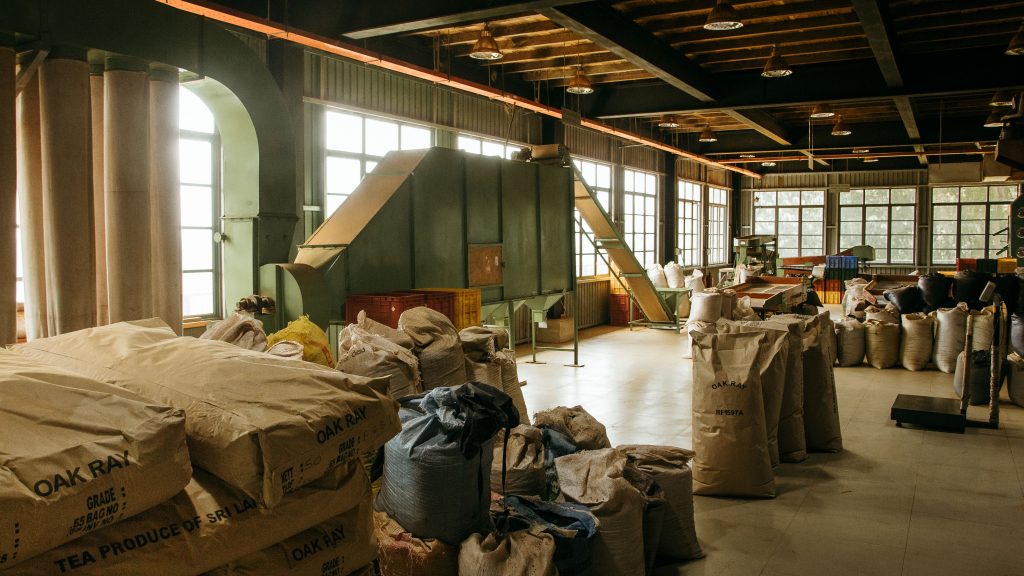
- Commodity Storage: The farmer, trader, processor, or agri-business stores commodities in an approved warehouse.
- Warehouse Receipt Issuance: A warehouse receipt is issued based on the quantity and quality of the stored commodity.
- Financing Approval: Banks, NBFCs, or financial institutions evaluate the commodity and provide funding against its value.
- Access to Working Capital: The borrower receives funds while retaining ownership of the commodity.
- Commodity Sale and Loan Closure: Once market conditions become favourable, the commodity can be sold and the financing facility repaid.
This structure helps businesses address liquidity requirements without being forced into distress sales.
Why is Warehouse Receipt Financing becoming more important?
Agriculture is highly seasonal, but financial requirements continue throughout the year. Many agricultural stakeholders need funds for:
- Purchasing inputs for the next crop cycle
- Managing operational expenses
- Meeting working capital requirements
- Expanding trading activities
- Managing inventory efficiently
WHR Financing helps bridge this gap by converting stored commodities into a financing asset. Key benefits include:
- Immediate access to liquidity
- Reduced pressure to sell at lower prices
- Better inventory management
- Lower financing risk due to secured collateral
- Improved cash flow planning

Who can benefit from Warehouse Receipt Financing?
While commonly associated with farmers, WHR Financing serves a much wider ecosystem.
Farmers: Farmers can avoid distress selling immediately after harvest and access funds while waiting for improved market prices.
Traders: Commodity traders can maintain inventory positions while preserving working capital.
Processors: Processors can procure raw materials in bulk and manage production cycles more efficiently.
Agri-Businesses: Businesses dealing in agricultural commodities can optimise inventory and financing requirements simultaneously.
The role of warehousing in Commodity Finance
The success of WHR Financing depends heavily on reliable warehousing infrastructure. A well-managed warehouse provides:
- Scientific storage practices
- Quality assessment and grading
- Inventory monitoring
- Risk mitigation
- Transparency for lenders
As India’s organised warehousing sector continues to grow, lenders are becoming increasingly comfortable extending finance against stored commodities. This is creating greater financial inclusion across agricultural value chains.
How StarAgri supports Warehouse Receipt Financing
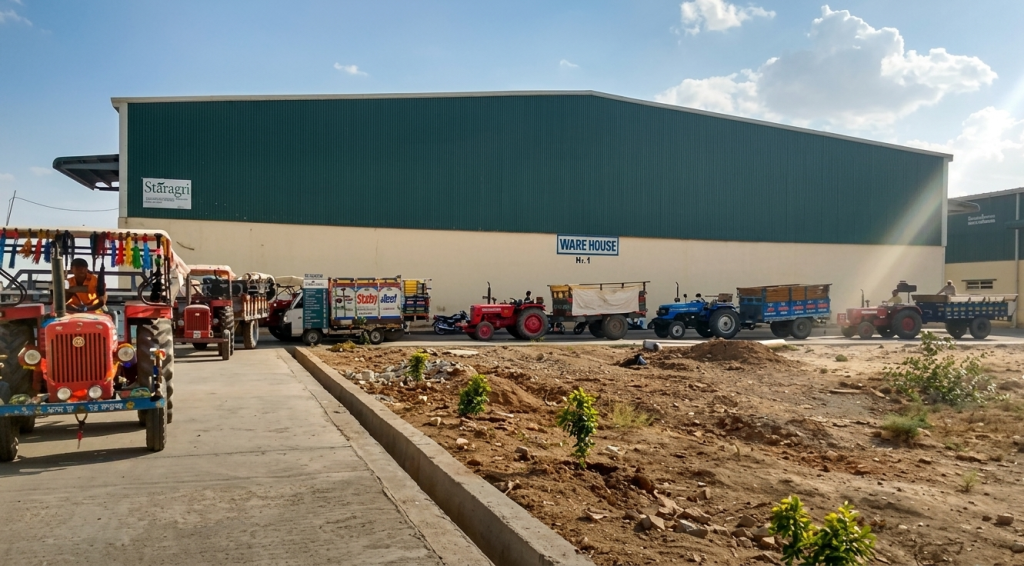
For Warehouse Receipt Finance to work effectively, lenders need confidence in the quality, quantity, and security of the underlying commodity. This is where StarAgri plays a critical role.
As one of India’s leading agri-infrastructure and service providers, StarAgri operates an extensive warehousing and collateral management network that supports commodity financing across the agricultural ecosystem. Through its integrated ecosystem, StarAgri enables:
- Scientific warehousing solutions
- Commodity storage and management
- Collateral management services
- Quality assessment and monitoring
- Risk mitigation for lenders and borrowers
The broader StarAgri ecosystem also includes agribazaar, a digital agri-commerce platform, and Agriwise, a financial services platform, creating a connected framework that supports agricultural trade, finance, and market access. By helping convert stored commodities into financeable assets, StarAgri contributes to a more efficient and liquid agricultural economy.
The future of commodity-backed finance
As agricultural markets become more organised, Warehouse Receipt Finance is expected to play an increasingly important role in post-harvest management and agricultural lending.
For farmers, traders, processors, and agri-businesses, it offers a practical way to unlock liquidity without immediately parting with inventory. Rather than viewing stored commodities as idle stock, stakeholders can use them as financial assets that support growth, working capital management, and better marketing decisions.
FAQs
- What is Warehouse Receipt Financing?
Warehouse Receipt Financing allows borrowers to obtain loans against agricultural commodities stored in a warehouse, using the stored goods as collateral. - Who can avail Warehouse Receipt Finance?
Farmers, traders, processors, exporters, importers, and agri-businesses can all benefit from Warehouse Receipt Financing. - What commodities are commonly financed through Warehouse Receipt Financing?
Commodities such as grains, pulses, oilseeds, cotton, spices, and other agricultural produce are commonly financed under this arrangement. - What are the benefits of Warehouse Receipt Financing?
It provides access to working capital, reduces distress selling, improves cash flow, and allows borrowers to benefit from favourable market prices. - How does StarAgri support Warehouse Receipt Financing?
StarAgri supports Warehouse Receipt Financing through its warehousing, collateral management, commodity monitoring, and risk management services across the agricultural value chain.
