


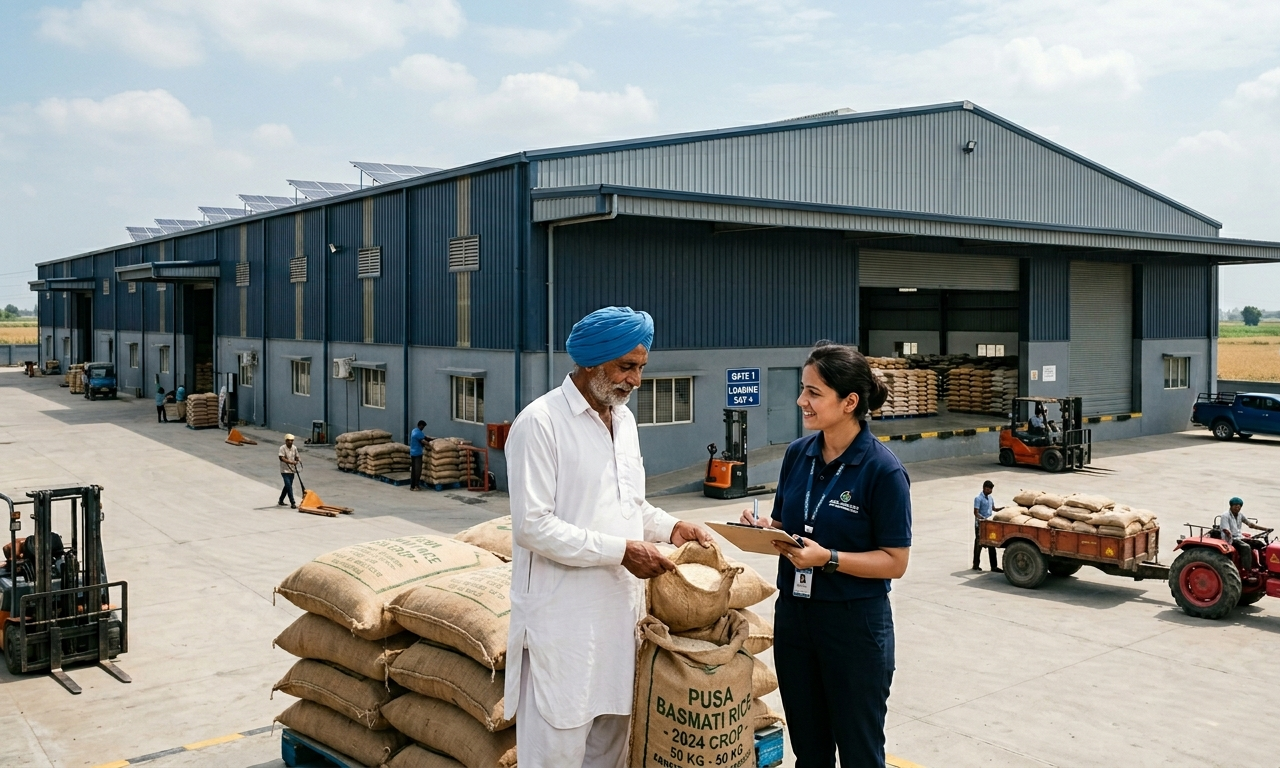
Every year, Indian farmers produce millions of tonnes of food grains, pulses, oilseeds, and other agricultural commodities. But harvesting a crop is only half the battle. What happens after harvest can have a significant impact on both farmer incomes and the country’s food security.
Imagine a farmer harvesting a bumper crop, only to be forced into selling it immediately because there is no reliable storage facility nearby. With markets flooded during harvest season, prices often fall, leaving farmers with little choice but to accept lower returns.
This is where agricultural warehousing becomes essential.
Far more than just storage spaces, modern warehouses have evolved into critical infrastructure that helps preserve commodity quality, reduce post-harvest losses, support financing, and improve supply chain efficiency. As India’s agricultural sector continues to modernise, agricultural warehousing is emerging as one of the strongest pillars supporting growth across the value chain.
Why agricultural warehousing matters today
Agriculture remains one of India’s most important sectors, contributing significantly to employment and food security. According to the Ministry of Agriculture & Farmers Welfare, India’s total foodgrain production for the 2025–2026 agricultural year is estimated at a record-breaking 376.56 million metric tonnes (MMT). As production continues to grow, so does the need for reliable storage infrastructure.
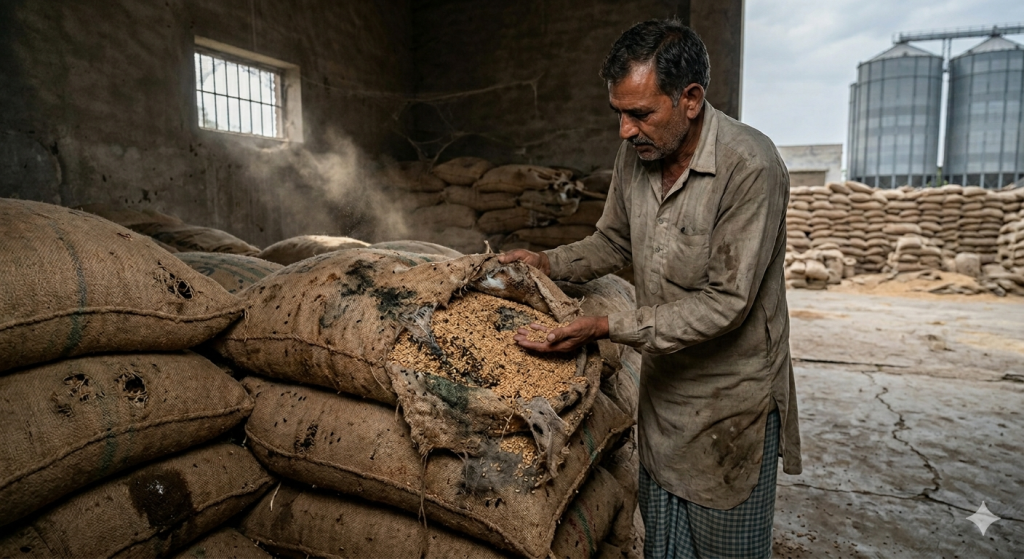
Without proper agricultural warehousing, farmers and supply chain participants face several challenges:
- Quality deterioration during storage
- Pest and moisture-related losses
- Limited market flexibility
- Pressure to sell immediately after harvest
- Reduced profitability across the value chain
Scientific warehousing addresses these challenges by creating a safe and structured environment for commodity storage.
Moving beyond simple storage
Today’s agricultural warehousing facilities do much more than simply store commodities. Modern warehouses help ensure that commodities remain safe, traceable, and market-ready throughout storage.
Some of the key functions include:
- Quality assessment and grading
- Inventory tracking and management
- Scientific pest control measures
- Technology-enabled monitoring systems
- Improved traceability and transparency
Together, these capabilities help preserve commodity quality while strengthening confidence across the agricultural supply chain.
Helping farmers avoid distress sales
One of the biggest advantages of agricultural warehousing is the flexibility it provides farmers.
During harvest season, commodity prices often soften because of increased supply. Farmers who lack storage facilities may be compelled to sell immediately, regardless of market conditions.
By storing produce in a warehouse, farmers can wait for more favourable prices before selling. This reduces pressure to make distress sales and creates opportunities for better price realisation.
In many cases, warehousing also enables access to finance against stored commodities, providing liquidity while allowing farmers to retain ownership of their produce.
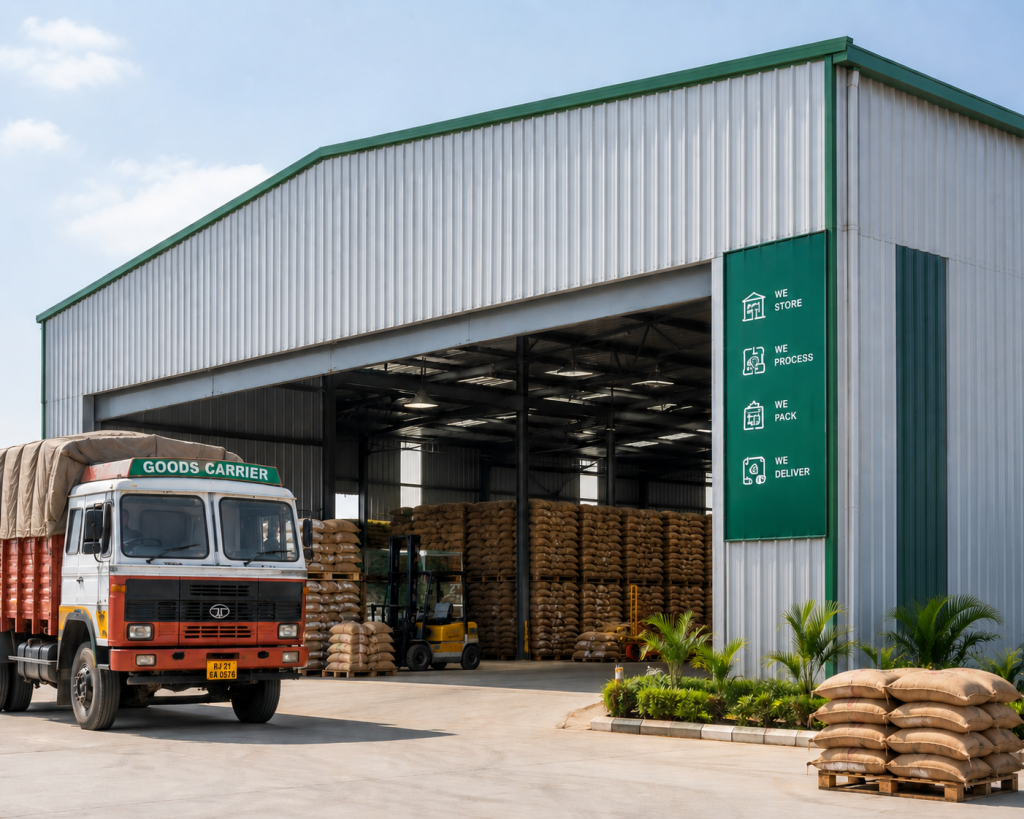
Strengthening India’s agricultural supply chain
India’s agricultural value chain is becoming increasingly organised and technology-driven. From procurement and processing to exports and food manufacturing, every stage depends on efficient storage and movement of commodities. Agricultural warehousing serves as the backbone of this ecosystem by ensuring that commodities remain available year-round.
According to the Warehousing Development and Regulatory Authority (WDRA), the volume of commodities stored under the regulated warehousing ecosystem continues to grow, reflecting increasing trust in scientific storage infrastructure. As India’s food processing sector expands and export opportunities increase, the demand for modern warehousing is expected to grow significantly in the coming years.
How StarAgri supports agricultural warehousing
As one of India’s leading agribusiness infrastructure companies, StarAgri has been at the forefront of strengthening agricultural supply chains through warehousing and collateral management solutions.
The company operates an extensive network of 2,200+ warehouses across more than 380 locations in 19 Indian states and provides a range of services to support participants throughout the agricultural value chain.
StarAgri’s offerings include:
- Scientific agricultural warehousing
- Collateral management services
- Commodity storage and monitoring
- Quality assessment and certification
- Inventory management solutions
- Technology-enabled warehouse operations
By integrating warehousing with financing, risk management, and market linkages, StarAgri helps create a more efficient ecosystem for farmers, traders, processors, and financial institutions.
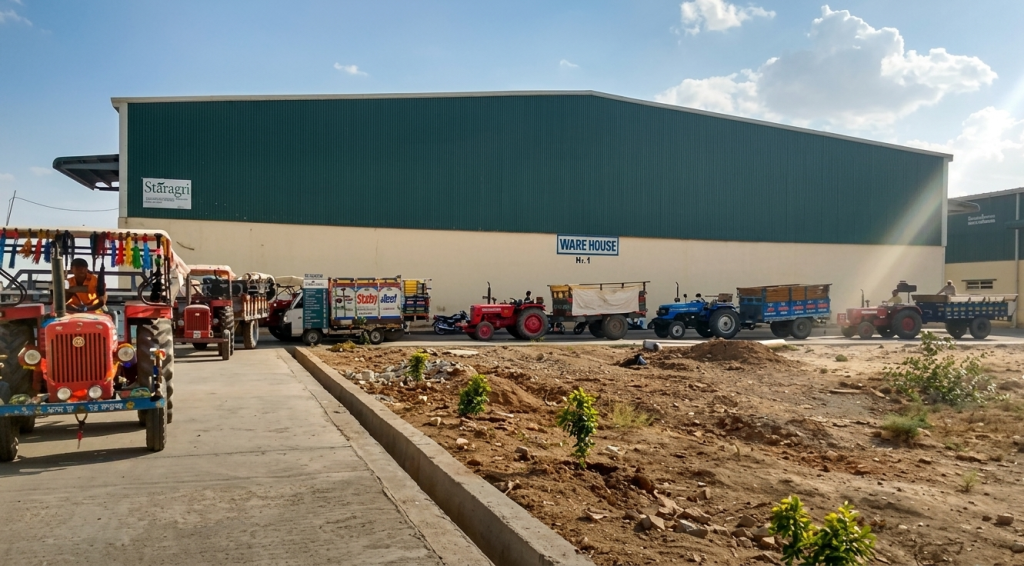
The future of agricultural warehousing in India
The future of Indian agriculture will depend not only on how much is produced but also on how effectively it is stored, financed, and distributed. Government initiatives, increasing private investment, digital warehouse receipts, and technology adoption are all driving the evolution of agricultural warehousing.
As farmers seek better returns, financial institutions expand commodity-based lending, and agribusinesses demand greater supply chain efficiency, warehousing will continue to play an increasingly important role.
Agricultural warehousing is gradually turning to preserving value, improving market access, enabling finance, and building a stronger agricultural ecosystem for the future. For a country as agriculturally significant as India, investing in agricultural warehousing is an essential step toward creating a more resilient and prosperous farming economy.
FAQs
- What is agricultural warehousing?
Agricultural warehousing refers to the scientific storage of agricultural commodities in facilities designed to preserve quality and reduce post-harvest losses. - Why is agricultural warehousing important for farmers?
It helps farmers safely store produce, avoid distress sales, and potentially secure better prices by selling when market conditions are favourable. - How does agricultural warehousing reduce post-harvest losses?
Warehouses provide controlled storage conditions, pest management, quality monitoring, and inventory management that protect commodities from spoilage and damage. - Can farmers get loans against stored commodities?
Yes. Commodities stored in approved warehouses can often be used to access warehouse receipt financing or commodity-backed loans. - What services does StarAgri provide?
StarAgri offers agricultural warehousing, collateral management, commodity storage, quality assessment, inventory management, and technology-enabled supply chain solutions.
