


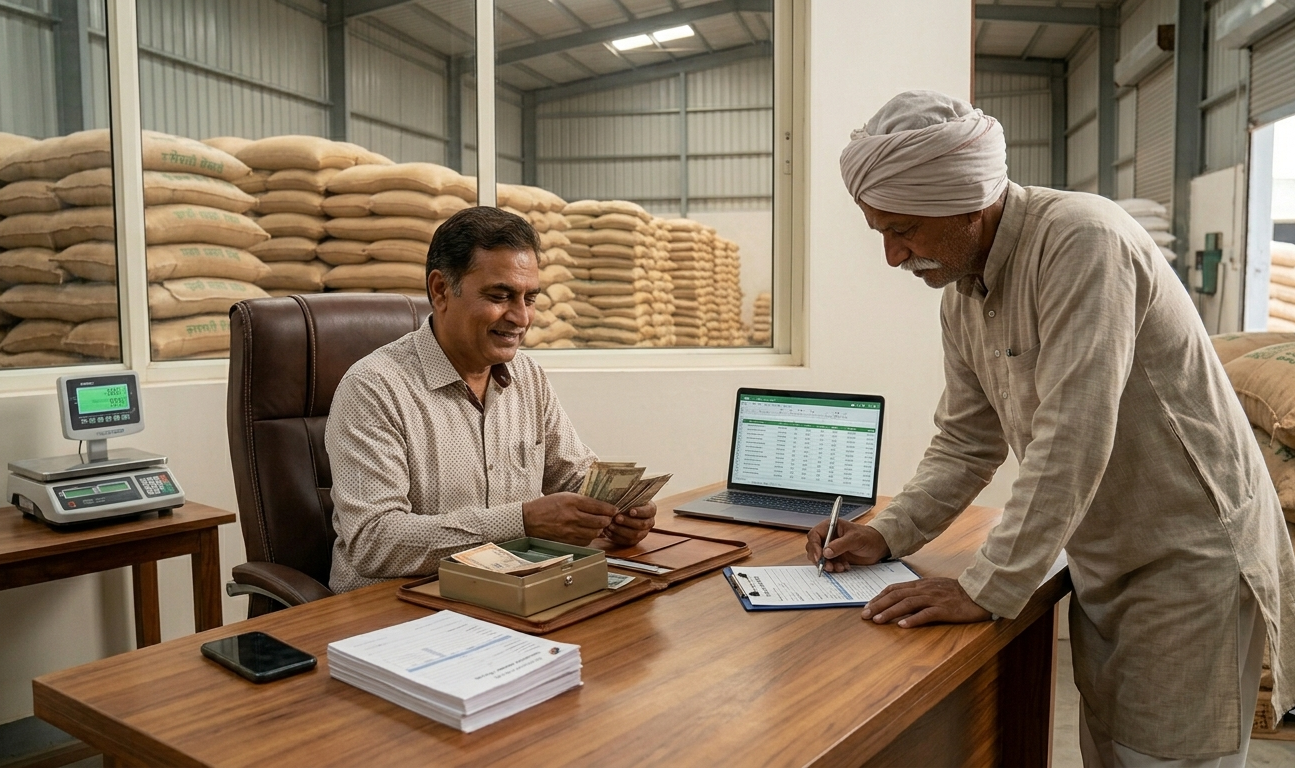
For a long time, agricultural finance in India followed a fairly predictable pattern. Farmers harvested crops, sold produce, repaid loans, and restarted the cycle for the next season. But agriculture today is far more interconnected than it used to be. Commodities now move through complex networks of traders, processors, exporters, warehouses, and logistics providers before reaching the final buyer.
And that’s changing the way agricultural finance works.
Instead of viewing commodities as stock waiting to be sold, the industry is increasingly seeing them as financial assets that can unlock liquidity, improve cash flow, and support faster business cycles. This shift is giving rise to something that’s becoming increasingly important in Indian agriculture, commodity-linked working capital.
In simple terms, businesses are now using stored agricultural commodities to access financing, manage liquidity better, and operate with greater flexibility.
Why traditional agricultural lending is no longer enough
Traditional crop loans will always remain important. But today’s agricultural economy has grown much bigger than just cultivation finance.
Think about the different players involved now:
- traders managing inventory across states,
- processors purchasing commodities in bulk,
- exporters handling volatile global demand,
- and agri MSMEs trying to maintain continuous working capital cycles.
All of them need liquidity. And in many cases, they need it before the final sale happens.
That’s where commodity-linked financing becomes useful. Instead of waiting for inventory to be sold, businesses can use stored commodities to unlock funds and keep operations moving smoothly. This shift is happening alongside the rapid growth of India’s logistics and warehousing ecosystem.
According to IMARC Group, India’s logistics market reached USD 243.8 billion in 2025, with third-party logistics (3PL) accounting for nearly 48% of the market share. The sector is expected to continue growing strongly over the coming years.
The agricultural supply chain is becoming larger, faster, and far more organised than before.
Warehouses are no longer just storage spaces
One of the biggest changes in agriculture is the evolving role of warehousing.
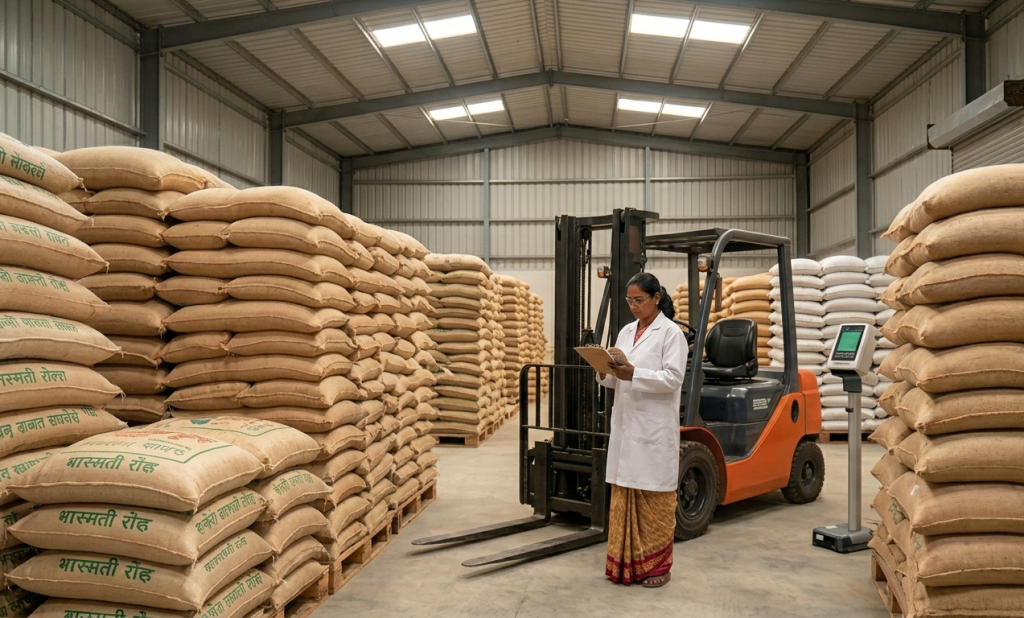
Earlier, warehouses were mainly seen as places to store commodities temporarily. Today, they are becoming a critical financial infrastructure.
Why?
Because organised warehousing creates:
- better inventory visibility,
- improved quality control,
- stronger collateral security,
- and easier access to financing.
This is especially important in commodities like:
- grains
- pulses
- cotton
- oilseeds
- spices
- export-oriented crops
When commodities are stored in organised facilities, lenders gain greater confidence around quantity, quality, and traceability. That makes financing much easier and more structured.
India’s warehousing sector itself is expanding rapidly.
According to CBRE, warehousing absorption in India crossed 30 million sq. ft. during H2 2025, driven heavily by 3PL, manufacturing, and supply chain demand.
The message is becoming clear: warehousing is not just operational infrastructure. It’s financial infrastructure, too.
Why quality and traceability matter more now
Commodity financing works only when trust exists across the supply chain. A lender financing stored commodities needs assurance that:
- the stock actually exists,
- the quality matches declared standards,
- and the inventory is being managed properly.
That’s why quality testing, digital inventory systems, and collateral management are becoming increasingly important in modern agricultural trade.
This is also one of the reasons organised agritech infrastructure is gaining momentum in India. Businesses today want more visibility, faster verification, and reduced operational uncertainty.
Technology is playing a huge role here. Digital tracking, warehouse monitoring, quality testing, and integrated logistics systems are helping make agricultural trade more transparent and financially efficient.
The rise of integrated agritech infrastructure
As agricultural supply chains become more structured, businesses are increasingly looking for integrated ecosystems instead of isolated services. They want:
- warehousing,
- collateral management,
- logistics,
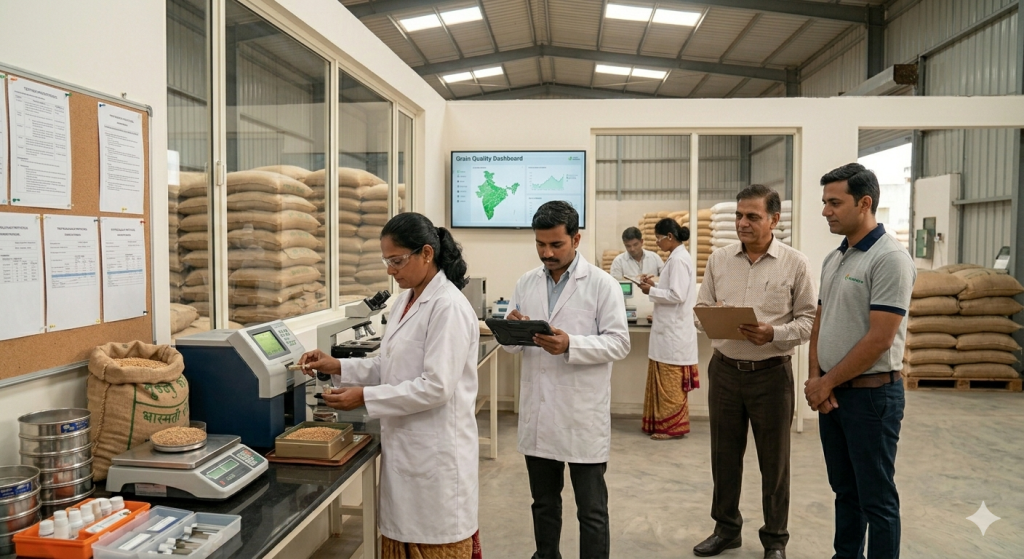
- quality testing,
- and trade facilitation working together seamlessly.
This is where companies like StarAgri are helping reshape the ecosystem.
With over 2200 warehouses, a storage capacity exceeding 5 million metric tonnes, and operations across 380+ locations, StarAgri has built infrastructure that supports both commodity movement and financial enablement. Its collateral management operations currently support an AUM exceeding ₹170 billion across more than 110 commodities.
At the same time, its network of 13 NABL-certified laboratories helps improve quality assurance and trade confidence across the supply chain.
The larger industry trend here is important. Agriculture is slowly moving away from fragmented, disconnected systems toward more integrated and financially active supply chains.
India’s agricultural trade is becoming more dynamic
Agricultural trade today is no longer just about buying low and selling high. Businesses are increasingly focused on:
- inventory efficiency,
- faster liquidity cycles,
- risk management,
- and supply chain visibility.
This is especially relevant as India’s agricultural exports continue growing and supply chains become more formalised.
Commodity-linked working capital is helping businesses operate more strategically. Instead of inventory sitting idle, it can now support financing, improve cash flow, and create operational flexibility.
And this shift is likely to grow stronger over the next few years.
As warehousing, logistics, financing, and agritech infrastructure continue evolving together, India’s agricultural economy is becoming more connected, more visible, and far more financially efficient than before.
In many ways, the future of agricultural trade may not just depend on production volumes but on how intelligently commodities move through the supply chain.
FAQs
- What is commodity-linked working capital?
Commodity-linked working capital allows businesses to access financing against stored agricultural commodities instead of waiting for final sales. - Why are warehouses becoming important in agricultural finance?
Organised warehouses improve inventory visibility, quality assurance, and collateral security, making financing more reliable and structured. - Which commodities commonly use inventory-backed financing?
Grains, pulses, cotton, oilseeds, spices, and export-oriented commodities are among the most commonly financed categories. - How does quality testing help the agricultural trade?
Quality testing improves trust between buyers, sellers, and lenders by ensuring standardisation and traceability of commodities. - Why is integrated agritech infrastructure gaining importance?
Integrated systems combining warehousing, logistics, quality testing, and financing help businesses improve efficiency, reduce risk, and manage working capital more effectively.
