



India’s agricultural sector has witnessed remarkable growth in recent years. With record foodgrain production and increasing participation in global agricultural trade, the need for efficient post-harvest infrastructure has become more critical than ever.
India produced about 353.9 Million Tonnes of foodgrains in 2024–25, one of the highest levels ever recorded. However, as production rises, the challenge of safely storing and managing agricultural commodities becomes equally significant.
Without adequate storage infrastructure, a substantial portion of produce is at risk of deterioration, quality loss, or distress sales by farmers. This makes scientific warehousing and supply chain infrastructure essential for ensuring price stability, reducing wastage, and enabling efficient commodity trade.
The challenge of post-harvest losses
Despite being one of the world’s largest agricultural producers, India continues to face considerable post-harvest losses.
Studies indicate that 25–30% of agricultural output can be lost across the supply chain, from harvesting and storage to transportation and retail.
For specific crop categories, the losses are also significant:
- 3–7% losses in grains, oilseeds, and spices
- 6–15% losses in fruits and vegetables
- Up to 10–12% loss in foodgrain production due to poor storage and handling
These losses not only reduce farmer incomes but also impact national food security and increase supply chain inefficiencies. One of the key reasons behind these losses is the gap between agricultural production and available storage infrastructure.
India’s growing need for warehousing infrastructure
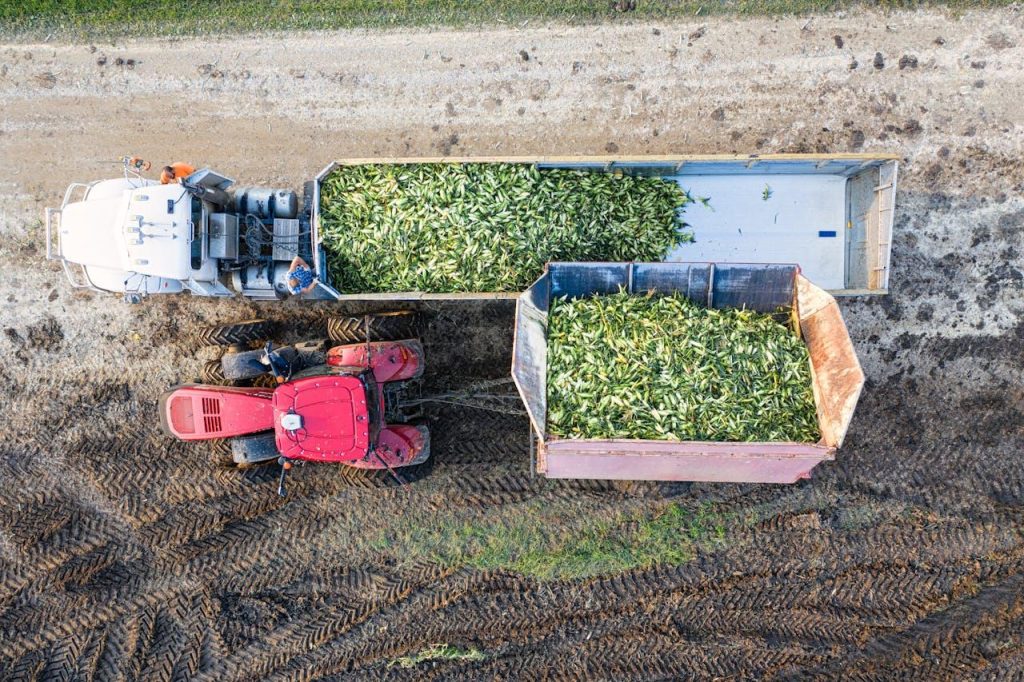
India’s agricultural output has been growing rapidly, but storage capacity has not kept pace with production.
Current estimates suggest:
- Agricultural warehousing capacity in India is around 145–240 million tonnes
- However, demand is expected to be 50–60% higher
- The country may face a storage shortfall of nearly 69 million tonnes by 2030
In addition, India’s logistics costs remain relatively high at 14–18% of GDP, compared to the global average of around 8%. Improving storage and logistics infrastructure can significantly reduce these inefficiencies and strengthen supply chains.
Modern warehouses play a crucial role in addressing these challenges by providing:
- Scientific storage conditions
- Inventory management systems
- Quality preservation mechanisms
- Integration with financial services
Warehousing as a financial enabler
Warehousing today is no longer just about storage. It has become a critical financial infrastructure within the agricultural ecosystem. Scientific storage facilities enable the use of warehouse receipts, which allow farmers and traders to obtain financing against stored commodities.
This system offers several advantages:
- Farmers can avoid distress selling during peak harvest periods
- Commodities can be stored until better market prices emerge
- Traders can manage inventory and working capital more efficiently
- Financial institutions gain secured collateral-backed lending opportunities

Technology is transforming modern warehousing
The warehousing sector is also undergoing a technological transformation. Modern facilities increasingly incorporate digital tools that improve efficiency and transparency across the supply chain. These include:
- Digital inventory tracking systems
- IoT-based monitoring of temperature and humidity
- Data-driven stock management
- Automated documentation and compliance systems
Such technologies help reduce spoilage, maintain commodity quality, and provide real-time visibility into stored inventories. As India’s agricultural markets become more integrated and digitised, these innovations will play an important role in strengthening supply chain resilience.
StarAgri’s role in building agricultural infrastructure
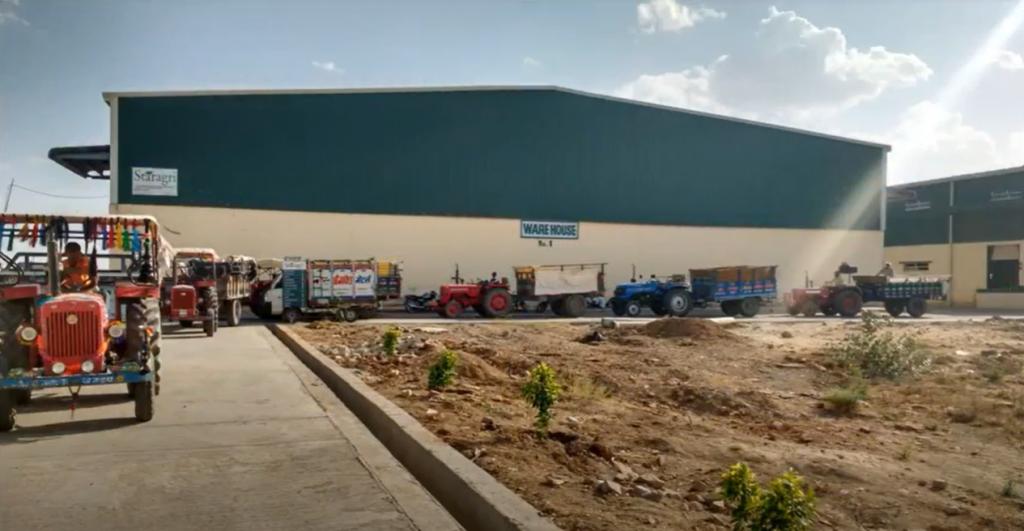
As one of India’s leading agri-infrastructure and supply chain solutions providers, StarAgri plays a key role in supporting commodity storage, collateral management, and trade facilitation.
The company operates a large warehousing and infrastructure network across the country, enabling efficient storage and financing of agricultural commodities.
StarAgri’s ecosystem includes:
- 2,200+ warehouses across India
- Presence across 380+ locations
- Operations spanning 19 Indian states
- Over ₹170 Billion in collateral finance AUM
Through its integrated infrastructure, the company supports multiple stakeholders across the agricultural ecosystem, including:
- Farmers
- Commodity traders
- Processors and millers
- Financial institutions
By combining scientific storage infrastructure with collateral management services, StarAgri helps improve post-harvest management while enabling secure financing against stored commodities.
The road ahead for India’s agri supply chain
As India’s agricultural production continues to expand, investments in warehousing and supply chain infrastructure will become increasingly important.
Future growth will likely focus on:
- Expanding scientific warehousing capacity
- Strengthening cold-chain infrastructure
- Increasing private sector participation
- Integrating digital technologies into storage management
With production expected to continue rising over the next decade, efficient storage systems will play a crucial role in reducing losses, stabilising markets, and improving farmer incomes. Modern warehousing infrastructure is therefore not just a logistical requirement; it is a strategic pillar of India’s agricultural growth and food security framework.
FAQs
- Why is agricultural warehousing important in India?
Agricultural warehousing helps store commodities safely after harvest, reducing losses caused by moisture, pests, and improper handling. Modern storage facilities also enable farmers and traders to hold produce until better market prices are available. - How does agricultural warehousing reduce post-harvest losses?
Scientific warehouses maintain proper storage conditions, including ventilation, temperature control, and pest management. These practices help preserve the quality of grains and other commodities, significantly reducing post-harvest losses. - What is warehouse receipt financing in agriculture?
Warehouse receipt financing allows farmers and traders to store commodities in certified warehouses and obtain loans against the stored produce. The warehouse receipt serves as collateral, allowing borrowers to access working capital without immediately selling their crops. - How does warehousing support agricultural supply chains in India?
Warehousing connects farmers, traders, processors, and markets by providing secure storage infrastructure. It improves inventory management, stabilises supply flows, and enables efficient commodity trading across agricultural markets. - What services does StarAgri provide in the agricultural ecosystem?
StarAgri offers integrated solutions including scientific warehousing, collateral management, and supply chain infrastructure. Through its nationwide network of warehouses, the company supports farmers, traders, and financial institutions in storing and financing agricultural commodities.
Disclaimer
The content published on this blog is provided solely for informational and educational purposes and is not intended as professional or legal advice. While we strive to ensure the accuracy and reliability of the information presented, StarAgri make no representations or warranties of any kind, express or implied, about the completeness, accuracy, suitability, or availability with respect to the blog content or the information, products, services, or related graphics contained in the blog for any purpose. Any reliance you place on such information is therefore strictly at your own risk. Readers are encouraged to consult qualified agricultural experts, agronomists, or relevant professionals before making any decisions based on the information provided herein. StarAgri, its authors, contributors, and affiliates shall not be held liable for any loss or damage, including without limitation, indirect or consequential loss or damage, or any loss or damage whatsoever arising from reliance on information contained in this blog. Through this blog, you may be able to link to other websites that are not under the control of StarAgri. We have no control over the nature, content, and availability of those sites and inclusion of any links does not necessarily imply a recommendation or endorsement of the views expressed within them. We reserve the right to modify, update, or remove blog content at any time without prior notice.
